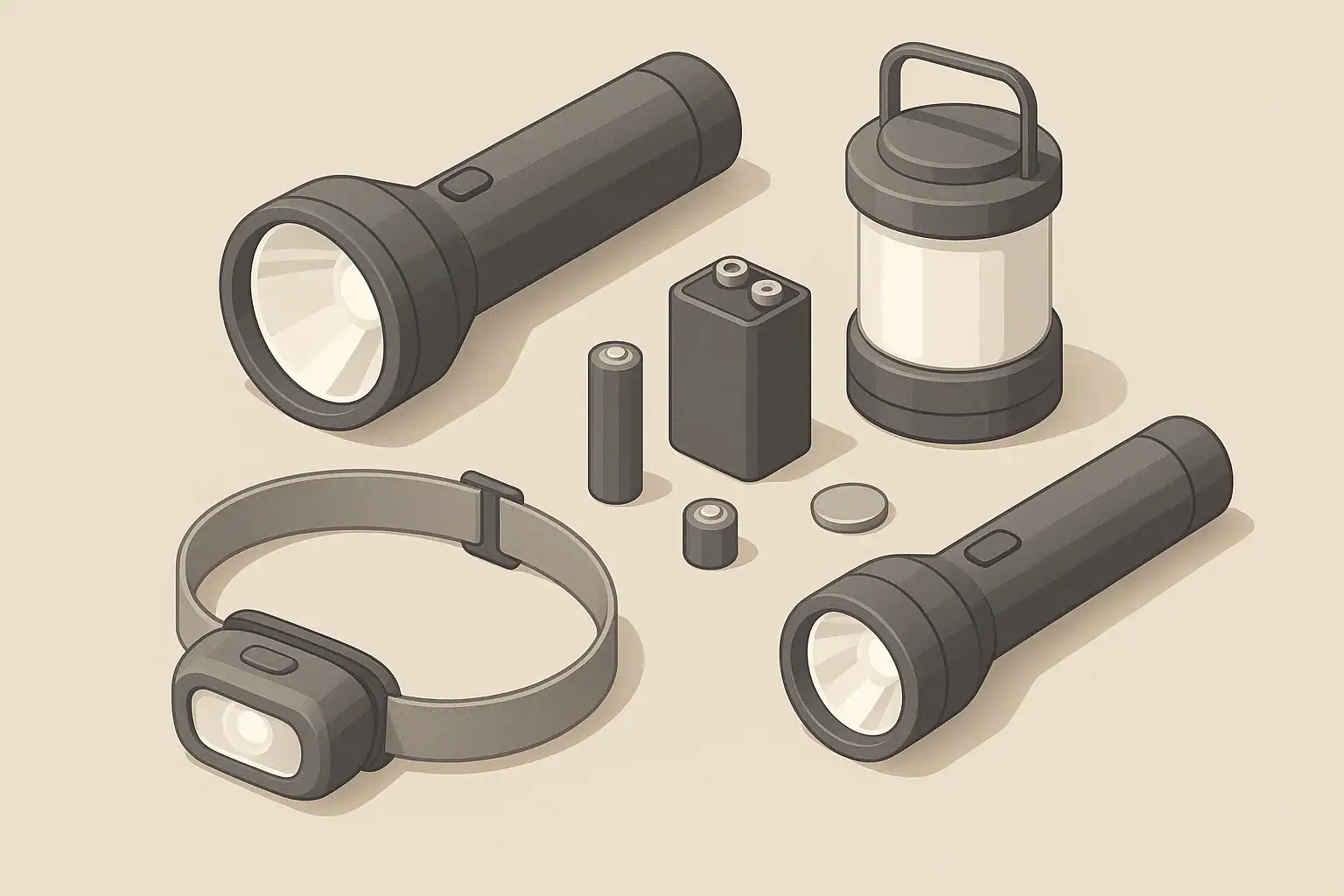
Lighting is easy to overlook until you need it. A small, well-thought-out car lighting kit can make roadside stops safer, help you find supplies during a neighborhood power outage, and give you calm, usable light if you are stuck in traffic or weather longer than expected.
Unlike a full emergency kit, a car lighting kit focuses on a few reliable tools you can reach quickly. It supports realistic situations such as:
- Changing a tire in the dark on the shoulder
- Waiting safely during a winter storm or heavy rain
- Navigating dark parking garages or poorly lit lots
- Providing backup light at home during a power outage
This article looks at what to store in your glove box and trunk, how to keep it simple for renters and families in apartments or houses, and how your car lighting kit fits into practical, non-panicked preparedness.
Why a Car Lighting Kit Belongs in Everyday Readiness
Lighting is easy to overlook until you need it. A small, well-thought-out car lighting kit can make roadside stops safer, help you find supplies during a neighborhood power outage, and give you calm, usable light if you are stuck in traffic or weather longer than expected.
Unlike a full emergency kit, a car lighting kit focuses on a few reliable tools you can reach quickly. It supports realistic situations such as:
- Changing a tire in the dark on the shoulder
- Waiting safely during a winter storm or heavy rain
- Navigating dark parking garages or poorly lit lots
- Providing backup light at home during a power outage
This article looks at what to store in your glove box and trunk, how to keep it simple for renters and families in apartments or houses, and how your car lighting kit fits into practical, non-panicked preparedness.
Glove Box Lighting: What You Need Within Arm’s Reach
The glove box is for items you might need in seconds, without getting out of the vehicle. For lighting, that means compact, easy-to-use tools that work even if you are stressed or the weather is bad.
Core Glove Box Lighting Items
Think of your glove box as your “instant access” compartment. Aim for items that are:
- Small and simple to operate
- Ready to use with minimal setup
- Safe to handle while seated and belted
Helpful glove box lighting items include:
- Compact flashlight: A small handheld light with a single, easy-to-find switch. Keep it within reach of the driver’s seat so you can grab it quickly if you need to read a map, check a dashboard fuse area, or look outside without turning on interior lights.
- Headlamp: A basic headlamp is valuable if you need both hands free, such as checking under the hood or changing a wiper blade. Most headbands fit over hats and hoods, useful in winter conditions.
- Simple clip-on or mini light: A tiny keychain-style light stored with your registration and insurance can help you read documents or locate items on the floor at night.
Backup Power and Batteries for the Glove Box
The glove box is not ideal for storing large numbers of batteries because it can get hot or very cold. Still, a small reserve is helpful:
- One spare set of batteries per device: Store them in a small, closed container or a basic battery holder so they do not roll around or touch metal objects.
- Optional small USB power bank: If any of your glove box lights charge via USB, a simple power bank gives you one more way to keep them running. Remember that extreme heat can shorten battery life, so avoid leaving high-capacity power banks in hot vehicles long-term when possible.
Safety and Visibility Tools Within Reach
Some visibility tools also belong up front because you may need them quickly if you stop in traffic or on the shoulder.
- Compact reflective item: A small reflective armband or clip-on strip can help others see you if you step out at night.
- Penlight or slim inspection light: Useful for looking into small spaces, such as checking for dropped items near the pedals or reading a tiny fuse diagram.
Space is limited in the glove box, so prioritize one good flashlight, one headlamp, and minimal backup batteries over a pile of gadgets.
| Item | Best Location | Why It Belongs There |
|---|---|---|
| Compact flashlight | Glove box | Immediate access while seated in the driver’s seat |
| Headlamp | Glove box | Hands-free light for quick roadside checks |
| Large lantern | Trunk | Better suited for longer stops or campsite-style lighting |
| Reflective triangles | Trunk | Set up behind vehicle for approaching traffic |
| Spare batteries (bulk) | Trunk | Stored with other gear to reduce glove box clutter |
| USB power bank | Glove box | Can charge lights or phone within easy reach |
| Emergency flares or beacons | Trunk | Deployed outside the vehicle for visibility |
Trunk Lighting: Tools for Roadside Repairs and Longer Delays
The trunk (or rear storage area in a hatchback or SUV) is the right place for bulkier and longer-running lights. These are the tools you use once you are parked, standing outside, or preparing to wait out a delay.
Core Trunk Lighting Items
Trunk lighting supports tasks that may take time and require stable, wide-area light.
- Lantern or area light: A lantern-style light can illuminate a wide circle, making it safer to work around the vehicle, supervise kids, or organize supplies. It is also useful as backup home lighting during short power outages.
- Work light for vehicle repairs: A basic work light that can stand on its own, hang, or attach with a magnet helps with changing tires, checking under the vehicle, or looking into the engine bay. A headlamp can substitute, but a stable work light is easier if you are helping someone else.
- Spare flashlight: Keep a second, more robust flashlight in the trunk as a backup and for anyone assisting you.
Visibility and Roadside Safety Lighting
In addition to seeing what you are doing, you want other drivers to see you and your vehicle. This is especially important on busy roads, during storms, or when visibility is low.
- Reflective triangles or markers: These help mark your vehicle’s location from a distance. Store them where they are easy to grab when you open the trunk.
- Battery-powered beacons: Small, bright beacons can be placed behind your car or on the shoulder to improve visibility, especially on curves or hills.
- Glow sticks or chemical lights: Simple, non-battery-dependent options that can be hung from the rear of the vehicle or placed on the ground to create a visible line.
How Your Trunk Lighting Supports Home Readiness
The lighting in your trunk can double as a portable backup for your home or apartment during short power outages. This is especially helpful for renters or people in small spaces who may not have room for large home-only emergency kits.
- Lanterns for room lighting: One trunk lantern can light a small living room or bedroom when the power is out.
- Work light for stairwells or hallways: Useful in apartment buildings with dim emergency lighting.
- Extra flashlight for neighbors or guests: Having a spare lets you help someone else without giving up your own primary light.
If a regional event such as a winter storm leaves you without power, you can bring your trunk lighting indoors and extend your home kit without storing duplicates in your living space.
Choosing Light Sources: Types, Power, and Practical Trade-Offs
Most people do best with a mix of small and medium lights rather than one “perfect” device. When building your car lighting kit, think about how each light will be powered and what role it plays.
Battery-Powered vs. Rechargeable Lights
Car-friendly lighting usually falls into three categories:
- Battery-powered (replaceable batteries): Uses common battery sizes. Easy to keep working by swapping batteries, and you can share batteries between devices if needed.
- Rechargeable via USB or 12V: Charges from your car’s power outlet or a power bank. Convenient day to day, but you need a way to recharge during longer outages or trips.
- Hybrid lights: Support both replaceable batteries and USB charging. These are flexible but can be slightly more complex to manage.
In a car kit, many people choose at least one light with replaceable batteries and one that can charge from the vehicle. This way, an empty power bank or drained set of batteries does not leave you entirely in the dark.
Beam Types and Brightness for Real-World Use
Technical brightness numbers are less important than how the light works in practice. Consider:
- Narrow beam (spotlight): Good for seeing far down a road or trail, or for signaling another car.
- Wide beam (floodlight): Better for reading, cooking, or working around the car because it reduces harsh glare and shadows.
- Adjustable beam or multiple modes: Let you switch between wide, close light and a more focused beam for distance.
For a car lighting kit, a wide, comfortable beam at a moderate brightness is often more useful than a very powerful spotlight. Lower brightness modes also help conserve battery life during extended use, such as a long power outage.
Size, Durability, and Weather Considerations
Cars see temperature swings, vibration, and occasional leaks. When choosing lights for the glove box or trunk, look for general qualities like:
- Sturdy housing: Lights that tolerate bumps and being dropped from a short height.
- Basic water resistance: Enough protection for light rain, wet ground, or snow while changing a tire.
- Simple switches: Easy to find and operate with gloves or cold hands.
For apartments and small homes, this same durability means your car lights will still work after being tossed into a bag or used in stairwells and shared spaces during an outage.
Battery Planning and Rotation for Car Lighting
Lighting is only reliable if the power source is ready. Because cars can sit in hot sun or cold winter temperatures, it helps to be intentional about which batteries you use and how you store them.
How Many Spare Batteries to Keep in the Car
Think in terms of “full refills” for each device rather than large stockpiles. For most households, a simple approach is:
- Glove box: One full spare set of batteries for the primary flashlight and headlamp.
- Trunk: One to two full spare sets for the lantern and work light, plus a small mixed pack for backup.
Large numbers of batteries can be stored at home in a cooler, stable environment and rotated into the car kit as needed.
Storage Tips for Batteries in Vehicles
To keep batteries ready and reduce mess or damage:
- Use a small, dedicated container: A simple plastic case or pouch prevents batteries from rolling around or contacting coins and metal tools.
- Keep batteries in original packaging or holders: Helps prevent accidental discharge and short circuits.
- Separate used and unused batteries: Label two small bags or containers—one for fresh batteries, one for partially used ones to be brought inside and used up soon.
Simple Rotation Habits
Regular use is the best way to keep lights and batteries reliable. Two low-effort habits:
- Use car kit batteries for everyday needs: When a home remote or toy needs new batteries, pull from your car kit and replace those with fresh ones from your home supply. This keeps the car stock circulating.
- Test twice a year: At the start of winter and summer, turn on each light for a minute, confirm brightness, and replace any batteries that feel weak or old.
This kind of simple rotation connects your car lighting kit to your overall household supplies, supporting blackout readiness without needing a separate, complicated system.
| Lighting Type | Typical Battery or Power Source | Pros and Cons | Storage Tip for Car Kits |
|---|---|---|---|
| Compact flashlight | Common replaceable batteries | Easy to share batteries; limited runtime per set | Store one light with batteries installed and one spare set nearby |
| Headlamp | Small replaceable batteries | Hands-free; small cells can drain faster on high settings | Keep in a small pouch to protect strap and lens |
| Lantern | Larger replaceable batteries | Good area light; heavier and bulkier | Store upright in trunk to avoid switch being bumped on |
| USB-rechargeable flashlight | Built-in rechargeable battery | Convenient to charge in car; depends on charging access | Keep a basic charging cable in glove box or console |
| Work light | Rechargeable or replaceable batteries | Stable beam for repairs; may draw more power | Test brightness during seasonal tire changes |
| Beacons or marker lights | Small replaceable batteries | Excellent for visibility; usually single-purpose | Store with hazard triangle kit for quick deployment |
Packing and Organizing Your Car Lighting Kit
A small amount of organization makes your car lighting quick to use for everyday errands, local storms, or longer trips.
Simple Containers for Small and Large Vehicles
Whether you drive a compact sedan or a large SUV, separate your kit into two zones:
- Front-zone kit (glove box or center console): A small pouch with your main flashlight, headlamp, mini light, and a short charging cable or power bank.
- Rear-zone kit (trunk or cargo area): A small bin or soft-sided bag with the lantern, work light, reflective items, beacons, and spare batteries.
For families, consider a third mini kit near child seats with a child-friendly flashlight or small lantern for comfort if you are delayed after dark.
Labeling and Access for All Drivers
Anyone who regularly drives the vehicle should know where the lights are. A few practical steps:
- Verbal walkthrough: Show family members or roommates where the front and rear kits live and how to use each light.
- Consistent placement: Always return lights to the same pouch or bin so they are easy to find in the dark.
- Checklist card at home: Keep a simple checklist with your other household readiness notes so you remember to restock batteries and test lights seasonally.
Well-placed car lighting turns ordinary errands, road trips, and neighborhood power outages into manageable situations, supporting calm, everyday readiness for apartments, houses, renters, and families alike.
Authoritative sources
Safety recommendations can change. Confirm critical details with current official guidance and local authorities.
Frequently asked questions
What should be in a glove box “car lighting kit” for immediate access?
Keep a compact flashlight, a basic headlamp, and a small clip-on or keychain light in the glove box for immediate access. Include one spare set of batteries for those devices or a small USB power bank if your lights recharge by USB, and store them in a small pouch to prevent rattling.
How many spare batteries are practical to store in a car lighting kit and where?
Store one full spare set of batteries for glove-box devices and one to two spare sets in the trunk for larger lights like a lantern or work light. Keep bulk battery reserves at home in a stable environment and rotate them into the car as needed to avoid heat- or cold-related degradation.
Are rechargeable USB lights suitable for a car lighting kit?
Rechargeable USB lights are convenient because you can top them up from a vehicle outlet or a power bank, but they depend on charging access during longer outages. For redundancy, include at least one light that uses replaceable batteries so you aren’t left without light if recharging isn’t possible.
What are simple maintenance habits for keeping a car lighting kit reliable?
Test lights twice a year (for example, at the start of winter and summer) and replace any weak batteries, and use a rotation habit where you swap batteries between home and car to keep the car stock fresh. Store batteries in labeled containers and separate fresh from used cells to avoid accidental mixing.
Which types of lights are best for roadside visibility vs. vehicle repairs?
For roadside visibility, use reflective triangles, battery-powered beacons, or glow sticks to mark your vehicle and make it visible to oncoming traffic. For repairs and working around the car, rely on a lantern or area light plus a headlamp or hands-free work light to provide stable, shadow-reducing illumination.
- Simple checklists and realistic planning
- Water, power, lighting, and pantry basics
- Family plans (kids, pets, seniors) and seasonal prep
Affiliate disclosure
As an Amazon Associate, we earn from qualifying purchases. Some links on this site may be affiliate links. If you buy through these links, we may earn a small commission at no extra cost to you. This helps support our content. Learn more.