When the power goes out, candles are often the first thing people think of for light. They are inexpensive, easy to store, and many homes already have them. In a short outage, a few candles can seem like a simple, low-tech solution.
However, candles also bring real fire and indoor air risks, especially in small spaces, homes with children or pets, and multifamily buildings. Understanding these risks helps you decide when candles might be acceptable, and when to choose safer options instead.
This guide focuses on calm, practical preparedness for everyday outages, such as winter storms, thunderstorms, or localized grid failures. It is written for a range of living situations, including apartments, rental homes, and houses with families and older adults.
Why People Reach for Candles During Outages
When the power goes out, candles are often the first thing people think of for light. They are inexpensive, easy to store, and many homes already have them. In a short outage, a few candles can seem like a simple, low-tech solution.
However, candles also bring real fire and indoor air risks, especially in small spaces, homes with children or pets, and multifamily buildings. Understanding these risks helps you decide when candles might be acceptable, and when to choose safer options instead.
This guide focuses on calm, practical preparedness for everyday outages, such as winter storms, thunderstorms, or localized grid failures. It is written for a range of living situations, including apartments, rental homes, and houses with families and older adults.
Fire and Safety Risks of Candles in Blackouts
Any open flame in the home carries a fire risk, and that risk increases during a power outage when visibility is low and people are moving around more carefully. Candles may also be used for longer than usual, increasing the likelihood of an accident.
Common Ways Candle Fires Start
During outages, candle-related fires often start from simple mistakes:
- Tip-overs: Candles placed on unstable furniture, window sills, or boxes can be bumped by people or pets.
- Nearby combustibles: Curtains, paper, decorations, or bedding can catch fire if they are too close to the flame.
- Unattended flames: People may fall asleep or leave a room while a candle is still burning.
- Children and pets: Curious hands or wagging tails can easily knock candles over or move them into unsafe positions.
- Carrying lit candles: Moving a lit candle through a dark hallway can spill hot wax or bring the flame close to clothing or hair.
Other Considerations: Air, Space, and Buildings
Candles also affect the indoor environment in ways that matter during extended blackouts:
- Indoor air quality: Any open flame produces combustion byproducts. Soot and fine particles can build up more in small, closed rooms, especially if many candles are used at once.
- Ventilation limits: During cold-weather outages, people often close windows and doors to keep heat in, which can reduce ventilation and allow smoke and odor to linger.
- Multifamily buildings: In apartments and condos, a candle fire can spread beyond a single unit and may be harder for emergency services to reach quickly during a storm.
- Evacuation challenges: If a fire starts in the dark, finding exits, gathering family members, and getting down stairs takes longer.
| Situation | Is candle use reasonable? | Better option to prioritize |
|---|---|---|
| Short outage (under 2 hours), adults awake, no pets | Possibly, with strict supervision | Battery lantern or flashlight |
| Home with small kids or active pets | Usually not recommended | Enclosed lanterns, headlamps, nightlights on backup power |
| Overnight outage while sleeping | No, extinguish all candles | LED tap lights, battery lantern on low setting |
| Apartment with limited exits | Use only if no safer option available | Portable lights, glow sticks as backup |
| Extended outage (many hours) | Not ideal as primary light source | Rechargeable lanterns, flashlights, small power bank |
| Cooking or handling hot liquids by candlelight | High risk, avoid if possible | Bright task light from lantern or headlamp |
Safer Ways to Use Candles If You Must
The safest option is to rely on non-flame lighting during blackouts. If you decide to use candles anyway, treat them as a last-resort backup and manage them carefully.
Choose Safer Candle Types and Holders
If you already own candles, you can still improve safety with how you set them up:
- Use sturdy, nonflammable holders: Glass, ceramic, or metal holders with wide bases are more stable than thin or lightweight ones.
- Avoid tall, narrow candles: Shorter candles in heavy containers are less likely to tip over.
- Catch dripping wax: Place holders on a nonflammable tray or plate to keep melted wax off surfaces.
- Skip improvised holders: Do not stick candles directly into bottles, furniture, or anything that can burn.
Set Up a Safe Candle Zone
Create a dedicated, controlled candle area rather than scattering candles around the home:
- Clear a perimeter: Keep at least several inches of clearance around the candle from curtains, papers, decorations, and plants.
- Use stable surfaces: Choose a solid table or countertop rather than soft furniture or wobbly stands.
- Keep candles low but visible: A low, stable surface is less likely to be bumped, but keep candles where you can see them easily.
- Limit the number: Use the minimum number of candles needed for basic light to reduce overall risk.
Supervision Rules for Households
Shared rules help everyone treat candle use seriously during outages:
- One person in charge: Assign an adult to be responsible for lighting, moving, and extinguishing candles.
- No leaving the room: Blow out all candles when leaving the room, even briefly.
- Extinguish before bed: Do not sleep with any candle burning, even in another room.
- Keep matches and lighters secure: Store them out of reach of children before and during an outage.
Basic Fire Preparedness Around Candles
A few simple steps can help you act quickly if something goes wrong:
- Know your exits: Discuss primary and backup ways to get out of your home, especially in apartments and multi-story houses.
- Keep a fire extinguisher accessible: Store it where you can reach it in the dark, not buried in a closet.
- Check alarms regularly: Working smoke alarms and, where appropriate, carbon monoxide alarms add a layer of protection year-round.
- Have a meeting spot: Decide where everyone will meet outside if you need to evacuate.
Safer Lighting Alternatives for Power Outages
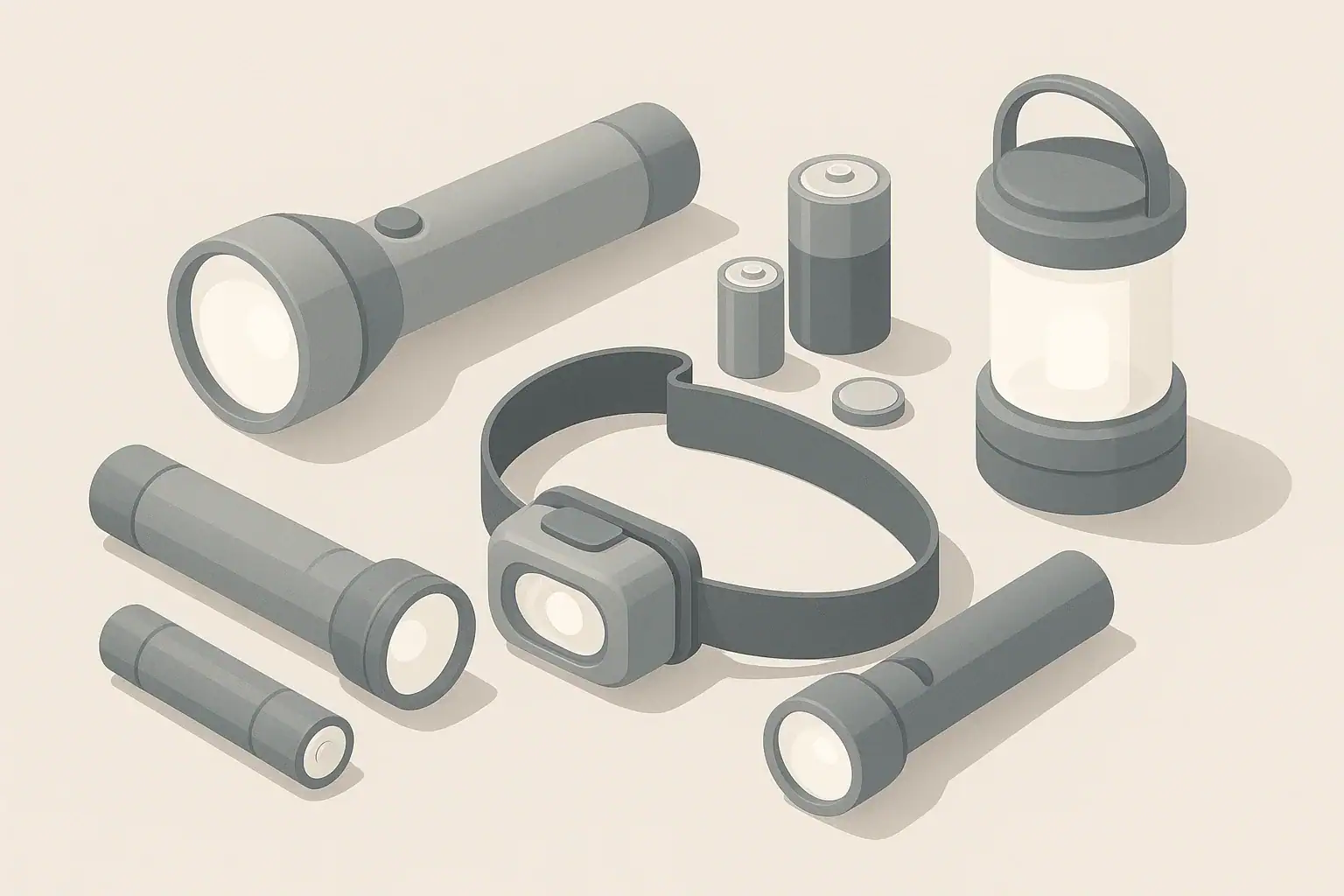
Modern lighting options provide more light with less risk than candles, and they are increasingly affordable. Building a small lighting kit ahead of time can make outages more comfortable and safer.
Battery-Powered Lanterns
Battery-powered lanterns are a practical replacement for candles during outages:
- Area lighting: They spread light around a room, similar to a small lamp.
- Stable design: Many lanterns have wide, flat bases and handles for hanging.
- Adjustable brightness: Lower settings can stretch battery life for longer outages.
Even a single lantern can light a main living area, while flashlights handle tasks like walking through hallways or checking the electrical panel.
Flashlights and Headlamps
Handheld lights are essential for moving safely in a dark home:
- Flashlights: Good for walking around, checking the breaker box, or stepping outside.
- Headlamps: Very useful for hands-free tasks like cooking, caring for children, or carrying items up and down stairs.
- Small keychain or pocket lights: Helpful for quick trips to a bathroom or closet without lighting up a whole room.
Keep lights in predictable places, such as next to the bed, near the main entry door, and in the kitchen. That way, you do not have to search for them in the dark.
Rechargeable Lights and Power Banks
Rechargeable lighting can save on batteries over time and is convenient for longer outages:
- Rechargeable lanterns and flashlights: Charge them from wall outlets when power is available, and some can also be charged from a vehicle or small solar panel.
- Power banks: While usually used for phones, they can also power small USB lights designed for low-energy use.
- Charging plan: During storm season or heatwaves, top off rechargeables regularly so they are ready if the power goes out.
Glow Sticks and Other Non-Flame Options
A few non-flame, non-battery tools can fill gaps in your lighting plan:
- Single-use light sticks: These make good backup nightlights for kids’ rooms or hallways and do not get hot.
- Solar pathway lights: In mild weather, some people temporarily bring outdoor solar lights inside in the evening and return them outside to recharge during the day.
- Plug-in nightlights with backup: Some nightlights can store a small amount of power and turn on automatically when the power fails, providing instant light at floor level.
Planning Candle-Free Outage Lighting by Home Type
Your lighting plan will look different in an apartment, a single-family house, or a shared home with multiple generations. The goal is simple: make it easy to move around safely without relying on open flames.
Apartments and Small Spaces
In apartments, fires can spread quickly to neighboring units, so it is especially helpful to minimize or avoid candles.
Consider these steps:
- One main lantern: Store a lantern that can light a living room or combined living/dining area.
- Hallway and bathroom lights: Keep a small flashlight or tap light near the bathroom and by the door.
- Neighbors and building policies: Be aware of any building guidance on open flames and emergency exits.
- Stairwells: If you live above the ground floor, keep a light near your door in case the hallway lighting fails.
Single-Family Homes
Larger homes may need more distributed light sources:
- Per-floor lights: Plan at least one reliable light source per floor, such as a lantern or bright flashlight.
- Bedroom kits: Store a small flashlight and extra batteries near beds, especially for children or older adults.
- Kitchen lighting: Keep a bright, focused light such as a headlamp or lantern near the kitchen for preparing simple meals.
- Garage or basement: If your electrical panel is in a basement or garage, keep a dedicated light there.
Households With Kids, Pets, or Older Adults
For families, safety and comfort both matter during an outage:
- Kid-friendly lights: Consider lights that are easy for children to hold and that will not get hot in their hands.
- Pet-safe placement: Place lanterns where pets cannot knock them to the floor easily.
- Path lighting: Use small lights to mark pathways to the bathroom, kitchen, and exits to reduce trips and falls.
- Routine and reassurance: Let children practice finding and using flashlights so they feel more confident during a real outage.
Building a Simple Lighting Kit for Blackouts
A small, organized lighting kit can reduce stress when the lights go out. It does not have to be complicated or expensive.
Core Items for Most Homes
Consider setting aside a few basics in one container, such as a small bin or sturdy bag:
- 1–2 battery-powered lanterns for room lighting
- At least one headlamp per adult
- Several flashlights, including one near the main entrance
- Extra batteries in the sizes your devices use, stored in a dry, cool place
- A small supply of glow sticks for quick, safe light in hallways or kids’ rooms
Store the kit in an easy-to-reach location that everyone in the household knows about.
Battery Management and Storage
Good battery habits help your lights work when you need them:
- Rotate batteries: Use older batteries for everyday items and keep newer ones in your emergency kit.
- Avoid mixing types: Use the same type and age of batteries in each device, following manufacturer guidance.
- Remove batteries from rarely used devices: This can reduce the chance of leakage over time.
- Check once or twice a year: Add battery checks to a seasonal routine, such as the start of winter or hurricane season.
| Lighting type | Typical battery type | Pros and cons | Storage tip |
|---|---|---|---|
| Room lantern | Common disposable cells or built-in rechargeable | Good area light, may use more power on high settings | Store with batteries removed if not used often |
| Handheld flashlight | Varies by size and design | Portable, focused beam, may not light a whole room | Keep one by each bed and main entry |
| Headlamp | Small disposable or rechargeable cells | Hands-free use, helpful for tasks and stairs | Store with strap loosened to preserve elasticity |
| Compact keychain light | Button cells or built-in rechargeable | Very small and light, limited brightness | Attach to key rings kept near doors |
| USB clip-on light | Draws from power bank or USB source | Flexible placement, depends on separate power source | Store with power bank in the same pouch |
| Solar yard light (brought indoors) | Built-in rechargeable charged by sunlight | No separate batteries to buy, depends on sunlight | Place near window during day for charging |
Example values for illustration.
Putting It All Together: Calm, Practical Outage Lighting
For most households, the goal is not to eliminate every candle, but to avoid relying on them as the main strategy during blackouts. A small set of lanterns, flashlights, headlamps, and extra batteries can provide steady, reliable light without the fire risk of open flames.
By planning a simple lighting kit, setting clear household rules, and reserving candles as a carefully supervised last resort, you can handle common power outage scenarios in a safer, calmer way—whether you live in a compact apartment or a larger family home.
Authoritative sources
Safety recommendations can change. Confirm critical details with current official guidance and local authorities.
- CDC: Carbon Monoxide Poisoning Basics
- USDA FSIS: Keep Food Safe During Emergencies
- U.S. CPSC: Battery Safety
Frequently asked questions
Is it safe to use candles during outages in apartments?
Candles carry greater risk in apartments because fires can spread quickly between units and corridors may be dark or limited. Use them only as a last resort with strict supervision, on stable nonflammable holders, and never while sleeping.
How can I reduce fire risk if I must use candles during a power outage?
Place candles on sturdy, nonflammable surfaces, clear a wide perimeter free of combustibles, and assign one adult to supervise them at all times. Keep a reachable fire extinguisher, blow out candles before leaving a room or going to bed, and avoid carrying lit candles.
What are the best non-flame lighting alternatives to candles during blackouts?
Battery-powered lanterns, flashlights, and headlamps provide safer, brighter light for moving and performing tasks, while rechargeable lights and glow sticks offer longer-lasting or maintenance-free options. Choose a mix for area lighting, hands-free tasks, and quick trips to reduce reliance on open flames.
Can candles cause indoor air quality problems during extended outages?
Yes. Candles produce soot and fine combustion particles that can accumulate in closed, poorly ventilated spaces and may aggravate respiratory conditions, so minimize use and prefer non-flame lighting when possible.
How should I store candles, lighters, and matches for emergency use?
Store candles in a cool, dry place and keep lighters and matches secured out of reach of children. Keep emergency lighting and spare batteries together in a known, accessible kit and check or rotate supplies seasonally.
- Simple checklists and realistic planning
- Water, power, lighting, and pantry basics
- Family plans (kids, pets, seniors) and seasonal prep
Affiliate disclosure
As an Amazon Associate, we earn from qualifying purchases. Some links on this site may be affiliate links. If you buy through these links, we may earn a small commission at no extra cost to you. This helps support our content. Learn more.