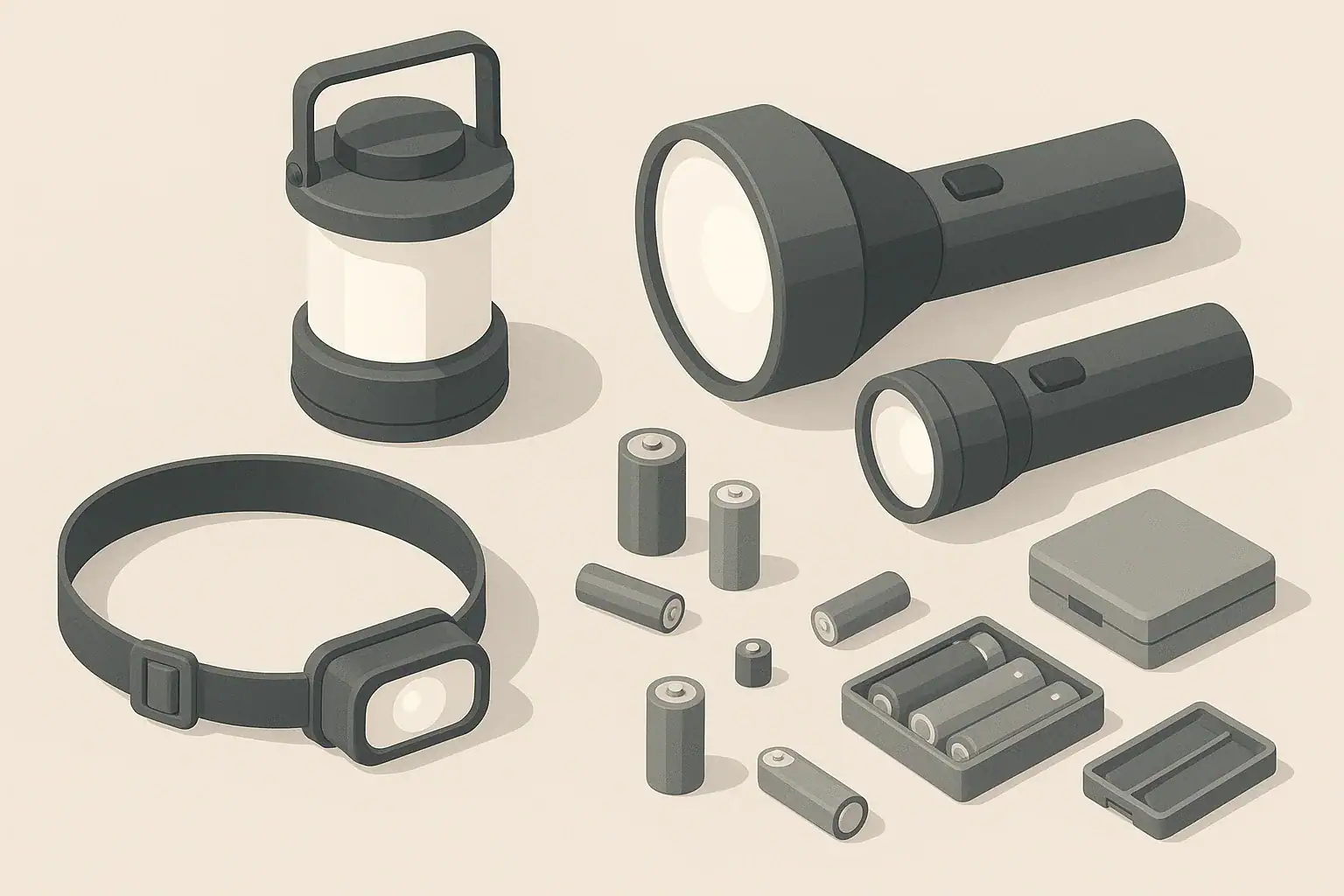
Batteries are one of the easiest ways to keep your home ready for short-term power outages and everyday emergencies. A small box of batteries can keep flashlights, lanterns, radios, and basic medical devices running when the power is out.
However, batteries that are tossed into a drawer or left in devices for years can leak, lose charge, or even become unsafe. With a little planning, you can store batteries long-term so they work when you need them and do not ruin your equipment.
This guide focuses on practical, low-stress battery storage for typical homes and apartments in the United States. It covers common household battery types used for lighting, small electronics, and backup power basics.
Different batteries age and store differently. Understanding what you have helps you store them the right way and decide which ones to keep as long-term backups.
Why Long-Term Battery Storage Matters for Home Readiness
Batteries are one of the easiest ways to keep your home ready for short-term power outages and everyday emergencies. A small box of batteries can keep flashlights, lanterns, radios, and basic medical devices running when the power is out.
However, batteries that are tossed into a drawer or left in devices for years can leak, lose charge, or even become unsafe. With a little planning, you can store batteries long-term so they work when you need them and do not ruin your equipment.
This guide focuses on practical, low-stress battery storage for typical homes and apartments in the United States. It covers common household battery types used for lighting, small electronics, and backup power basics.
Know Your Battery Types Before You Store Them
Different batteries age and store differently. Understanding what you have helps you store them the right way and decide which ones to keep as long-term backups.
Common Household Battery Types
You are likely to see these types in a typical home:
- Alkaline (single-use) – Common AA, AAA, C, D, and 9V batteries used in flashlights, remote controls, toys, and clocks.
- Primary lithium (single-use) – Long-lasting lithium cells such as coin cells and some specialty sizes; often used in smoke alarms, key fobs, and small electronics.
- NiMH rechargeable (nickel-metal hydride) – Rechargeable AA, AAA, and other common sizes used in flashlights, toys, and small devices.
- Lead-acid (including sealed types) – Used in larger backup systems, some uninterruptible power supplies (UPS), and some emergency lighting; typically not loose in drawers.
- Lithium-ion rechargeable – Found in power banks, small backup power units, headlamps, and many portable devices.
How Chemistry Affects Long-Term Storage
Battery chemistry affects how fast the battery loses charge and how likely it is to leak or become damaged in storage:
- Alkaline: Moderate self-discharge over several years; risk of leakage increases with age, high temperature, and being left installed in devices.
- Primary lithium: Typically lower self-discharge than alkaline and generally good for long-term storage when kept cool and dry.
- NiMH rechargeable: Older types lose charge faster; newer low self-discharge versions hold charge for longer but still need periodic maintenance charging.
- Lead-acid: Must be stored charged and maintained; letting them sit discharged can damage them permanently.
- Lithium-ion: Prefer moderate temperatures; usually stored partially charged and checked every few months.
For most households building simple emergency readiness, alkaline and primary lithium batteries plus some NiMH rechargeables are the main focus.
Example values for illustration.
| Task | Why it matters | Notes |
|---|---|---|
| Sort batteries by type and size | Prevents mixing chemistries and wrong replacements | Keep alkaline, lithium, and rechargeables in separate groups |
| Check expiration or manufacture dates | Helps you use older stock first | Mark outer packaging with a simple “use first” note |
| Store in original packaging or cases | Reduces short circuits and terminal damage | Use small boxes or sleeves if packaging is lost |
| Keep in a cool, dry indoor spot | Slows aging and leak risk | A closet or interior shelf is usually better than a garage |
| Label container by device (flashlights, radios, etc.) | Saves time during an outage | Use simple written labels or color coding |
| Schedule a yearly battery check | Catches leaks and low charge before emergencies | Add to a recurring household checklist |
Best Places (and Temperatures) for Storing Batteries at Home
Where you keep your batteries makes a big difference in how long they last and how safe they are. For most homes and apartments, a cool, dry, indoor location away from children and pets is ideal.
What “Cool, Dry Place” Really Means
Most household batteries do best at typical indoor room temperatures and moderate humidity. Extreme heat speeds up chemical reactions inside the battery, which can shorten life and increase the chance of leakage.
Practical guidelines:
- Aim for typical indoor conditions: Closer to a climate-controlled part of the home is better than in a hot attic or damp basement.
- Avoid hot spots: Do not store batteries near heaters, ovens, windows with strong sun, or in vehicles where temperatures can be high.
- Keep them dry: Protect from moisture and condensation by using sealed containers if your home has humidity swings.
Should You Refrigerate or Freeze Batteries?
It was once common advice to keep batteries in a refrigerator to extend their life. For modern household batteries, this is usually unnecessary and sometimes unhelpful for everyday users.
- Refrigeration can add risk if not carefully managed, because temperature changes can cause condensation and corrosion.
- Room temperature storage in a comfortable part of your home is usually more than good enough for typical emergency readiness.
- If you choose cold storage, batteries should be in airtight packaging and allowed to warm to room temperature before use to avoid condensation on the contacts.
Good and Bad Storage Spots Around the Home
Consider these common locations and how they affect long-term battery storage:
- Better choices: Interior closet shelf, bedroom dresser drawer, hall cabinet, or a labeled bin on an indoor shelf.
- Use with caution: Basements that are dry and not too cold; garages in mild climates away from exterior walls and chemical fumes.
- Generally avoid: Attics, car glove boxes, sheds, window sills, or any space with frequent high heat or moisture.
How to Package and Organize Batteries for Long-Term Storage
Good organization keeps batteries from shorting, leaking onto other items, or getting mixed up. It also makes it easy to find the right battery quickly when the power goes out.
Keep Terminals Protected and Batteries Separated
When battery terminals touch each other or metal objects, they can slowly discharge or in rare cases heat up. Simple steps prevent this:
- Use original packaging whenever possible to keep each battery separated.
- Use small containers or cases for loose batteries; avoid tossing them into metal tins without dividers.
- Store 9V batteries so terminals are covered or not touching other metal objects, as their exposed terminals can short more easily.
Labeling and Rotation for Everyday Households
A simple labeling system can help you use the oldest batteries first and keep your emergency supply fresh.
- Group by size and chemistry: Separate boxes or bags for AA alkaline, AAA alkaline, AA rechargeable, coin cells, and so on.
- Mark a “purchased” or “opened” date on the outer packaging with a pen.
- Use older packages first and move newer ones to the back, similar to pantry rotation.
- Keep emergency-only stock separate from everyday-use batteries so you do not accidentally use your backup supply for toys or remotes.
Safe Storage Around Children and Pets
Certain batteries, especially small coin cells and button cells, can be very dangerous if swallowed. For homes with children or pets:
- Store small batteries out of sight and reach, ideally in a locked or high cabinet.
- Do not leave loose batteries on tables, counters, or in open dishes.
- Secure used coin cells in a taped container until you can recycle them, so they cannot be accessed accidentally.
Storing Batteries in Devices vs. Storing Them Separately
A common question is whether to leave batteries inside flashlights, lanterns, and radios or to store them separately. The answer depends on how often you use the device and how critical it is during an outage.
Why Removing Batteries Often Makes Sense
Leaving batteries in a device for years can increase the chance of leaks that damage the contacts and housing. For long-term storage with only occasional use, consider:
- Removing batteries from devices that sit unused for months at a time.
- Storing batteries in a labeled bag or case taped to or next to the device so they are easy to find in the dark.
- Checking devices annually for any signs of corrosion or leakage if you decide to leave batteries installed.
Exceptions: Devices That Need Always-On Power
Some devices rely on continuous battery power for safety or alerts. For these, follow manufacturer guidance:
- Smoke and carbon monoxide alarms often require batteries to stay installed and should be tested regularly.
- Medical devices that support health or safety require special handling; follow their specific instructions.
- Alarm systems and certain sensors may need batteries in place to function correctly.
For critical devices, keep a clearly marked set of spare batteries nearby so you can replace them on a schedule rather than waiting for low-battery alerts during a storm or outage.
Care and Rotation for Rechargeable Batteries
Rechargeable batteries can be a cost-effective and environmentally friendly part of home readiness, especially for frequently used items. They do require a bit more routine care when stored long-term.
How to Store NiMH Rechargeable Batteries
Nickel-metal hydride (NiMH) rechargeables are common in AA and AAA sizes. For long-term storage:
- Charge them before storage, especially if you are unsure of their state of charge.
- Store them in a cool, dry place just like alkaline batteries.
- Top them up every several months to a year depending on how you use them; older types may require more frequent charging than newer low self-discharge versions.
- Label sets: Keep cells that are used together (for example, four AA batteries for a lantern) labeled as a set and rotate them together.
Lithium-Ion Batteries in Power Banks and Small Backup Units
Many modern headlamps, lanterns, and small backup power packs use lithium-ion batteries. These batteries age differently from alkaline and NiMH.
For lithium-ion storage:
- Avoid fully drained storage: Do not put them away at 0%. If a device has been run until it shuts off, recharge it before storage.
- Moderate charge level: Storing them around a partial charge (for example, somewhere between roughly one-third and full, depending on the device indicators) is often recommended.
- Check and recharge every few months: Many devices slowly self-discharge over time.
- Keep them cool: Avoid leaving lithium-ion devices in hot cars or next to heat sources, which can accelerate aging.
Planning Rechargeables for Short-Term Outages
For typical short outages lasting a few hours to a couple of days, a mix of rechargeables and single-use batteries can be practical:
- Use rechargeables for items you use regularly (like everyday flashlights or headlamps) so they are cycled often and easy to keep topped up.
- Keep a small reserve of single-use batteries sealed away as a backup, in case charging is not available.
- If you have a small solar panel or power bank, plan which devices you will recharge first during an extended outage (often a radio, phone, or key light).
Example values for illustration.
| Lighting type | Battery type | Pros / cons | Storage tip |
|---|---|---|---|
| Basic flashlight | AA or AAA alkaline | Simple to stock; can leak if forgotten in device | Store batteries in a labeled bag taped to flashlight |
| Everyday headlamp | NiMH AA/AAA rechargeable | Reusable; needs charger and periodic top-ups | Charge fully, then check every few months |
| Room lantern | D-cell alkaline or rechargeable pack | Good area light; heavier batteries | Store upright in a bin; remove cells for long storage |
| Compact emergency light | Primary lithium cells | Long shelf life; often device-specific | Keep spare cells in original packaging |
| USB lantern or clip light | Built-in lithium-ion | Rechargeable; depends on power source | Store partly charged and recharge a few times a year |
| Battery-powered night light | AAA alkaline | Simple backup for hallways; ongoing use drains cells | Check and replace on a set schedule |
How to Handle Old, Leaking, or Dead Batteries Safely
Part of long-term storage is knowing when to remove batteries from your home and how to do it safely. This protects your devices, surfaces, and household members.
Recognizing When Batteries Should Be Discarded
Inspect your stored and in-use batteries at least once a year. Consider replacing or discarding them if you notice:
- White or crusty buildup around the terminals or seams.
- Swelling, bulging, or splitting of the casing.
- Rust, discoloration, or a strong chemical odor.
- Very old age based on the date code or if they have been stored longer than you planned.
Cleaning Up Minor Corrosion in Devices
If a battery has leaked inside a flashlight or other device:
- Wear disposable gloves if possible and work in a well-ventilated area.
- Remove and carefully bag the leaking batteries so the residue does not spread.
- Avoid inhaling dust and do not touch your face or eyes while cleaning.
- Follow device instructions if they include cleaning steps; if not, you may be able to gently wipe non-electronic surfaces with a slightly damp disposable cloth, then dry thoroughly.
If damage is extensive or the device is critical to safety, consider replacing the device rather than trying to restore it.
Disposal and Recycling Considerations
Many communities in the U.S. have guidelines for battery disposal and recycling. Because rules vary, check local information for specific details. In general:
- Do not burn batteries or dispose of them in fires.
- Keep terminals covered on larger rechargeable or 9V batteries if required by local programs to prevent short circuits during collection.
- Use designated collection points when available for rechargeables and certain single-use batteries.
- Store used batteries in a separate container from new ones so they are not accidentally reused.
Building a simple habit of checking, rotating, and safely discarding batteries each year will keep your backup power more reliable and reduce unwanted surprises when the lights go out.
Related guides: Flashlight Maintenance: Prevent Corrosion and Dead Batteries · Winter Power Outages: Heating Priorities and Safe Backup.
Authoritative sources
Safety recommendations can change. Confirm critical details with current official guidance and local authorities.
- CDC: Carbon Monoxide Poisoning Basics
- USDA FSIS: Keep Food Safe During Emergencies
- U.S. CPSC: Battery Safety
Frequently asked questions
How long can alkaline batteries be stored before they commonly start to lose significant charge or risk leaking?
Most modern alkaline batteries have a shelf life of about 5–10 years, with gradual self-discharge over that period; leakage risk increases as they age and if exposed to high temperatures. Storing them in a cool, dry place and rotating older stock first helps preserve capacity and reduce leak incidents.
Can I store NiMH rechargeable batteries long-term without charging them periodically?
It’s best to charge NiMH batteries before storage and then check and top them up periodically; low self-discharge types can hold charge much longer but still benefit from occasional maintenance. Regularly cycling and storing rechargeables in a cool, dry location will extend usable life.
Is it safe to store lithium-ion power banks at full charge for long periods?
Storing lithium-ion devices fully charged or fully drained accelerates aging, so a partial charge (roughly one-third to two-thirds) is recommended for long-term storage. Keep them cool, check charge every few months, and avoid leaving them in hot environments like cars.
Should I remove batteries from devices that are rarely used?
Removing batteries from devices that sit unused for months reduces the chance of leakage and contact corrosion that can damage the device. Exceptions include devices that require continuous power for safety (for example, many smoke detectors) where you should follow the manufacturer’s instructions.
How should I handle and dispose of leaking or swollen batteries safely?
Wear gloves, place leaking or swollen batteries in a sealed bag, and keep them separate from new batteries; do not attempt to use swollen cells. Follow local disposal and recycling rules—many communities have battery collection points for safe recycling of rechargeable and damaged batteries.
- Simple checklists and realistic planning
- Water, power, lighting, and pantry basics
- Family plans (kids, pets, seniors) and seasonal prep
Affiliate disclosure
As an Amazon Associate, we earn from qualifying purchases. Some links on this site may be affiliate links. If you buy through these links, we may earn a small commission at no extra cost to you. This helps support our content. Learn more.