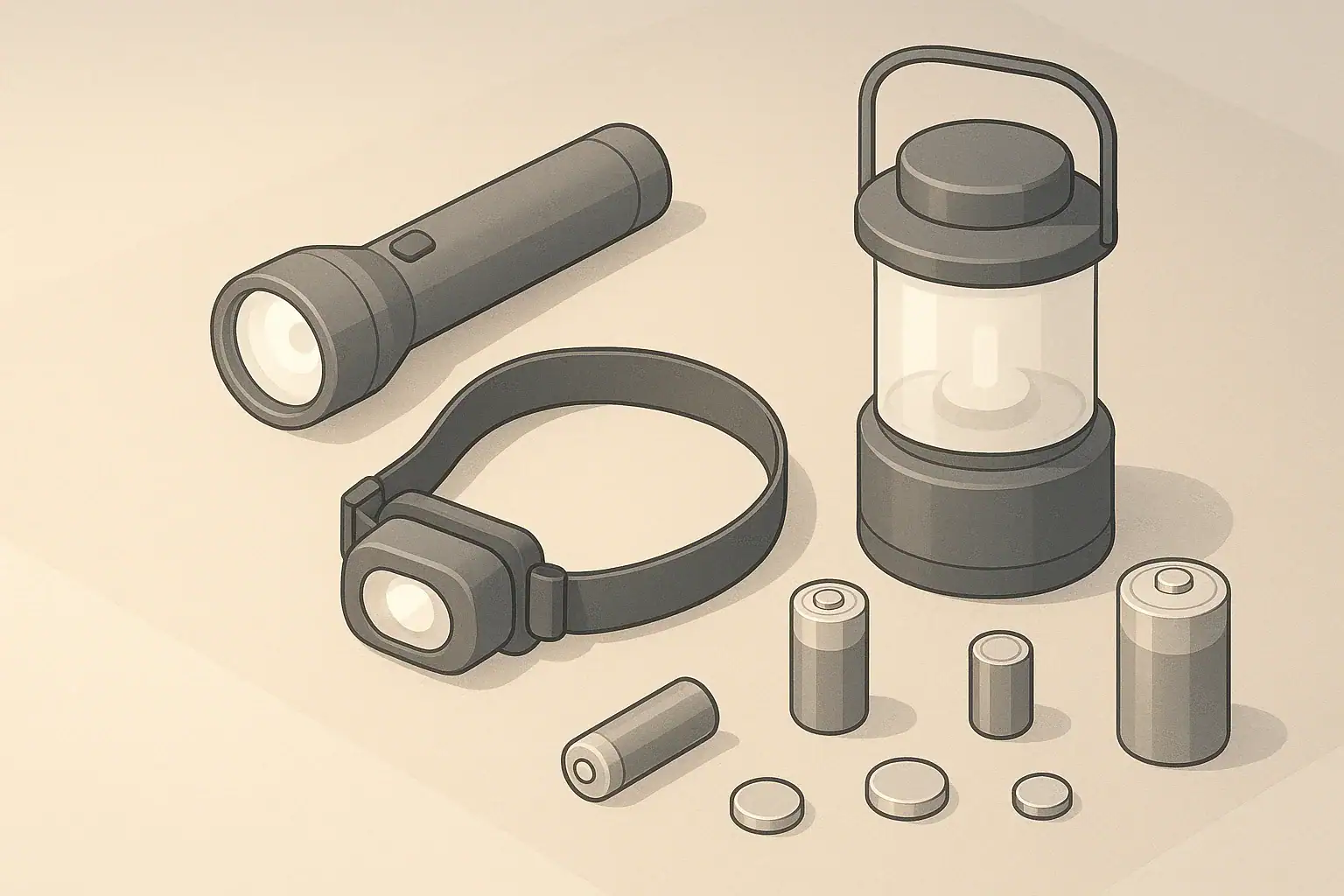
Headlamps are a practical, low-cost way to add reliable, hands-free lighting to evening routines and unexpected outages. This article gathers straightforward guidance on choosing the right lights, where to store them, and small habits that make them useful without creating extra work. You’ll find advice for apartments, multi-level homes, caregiving situations, and households with kids or pets, plus task-specific tips for stairs, tight spaces, and routine outdoor chores. The goal is simple: make it easy to reach for a headlamp and use it effectively, so night tasks feel calmer and safer. Read the short routines and storage suggestions first, then consult the task tips and household adaptations when planning your own setup.
Why Headlamps Belong in Everyday Home Readiness
Headlamps are one of the simplest upgrades you can make to your home readiness kit. Unlike handheld flashlights, they leave your hands free so you can carry a child, hold the railing on stairs, manage a pet leash, or work on a task without juggling a light.
For everyday households in apartments or houses, headlamps are especially useful during:
- Short power outages
- After-dark chores (trash, mail, walking pets)
- Bedtime checks on kids, older family members, or pets
- Simple repairs in tight or dark spaces
- Seasonal events like winter storms or summer thunderstorms
Because they are compact and efficient, headlamps fit well into both small-space and larger-home plans. A thoughtful setup and a few reliable night routines can make blackouts and dark tasks feel calmer and more organized.
Choosing and Placing Headlamps for Home Use
You do not need technical gear to benefit from headlamps at home. A few basic decisions about brightness levels, battery types, and storage spots will make them much more useful when you actually need them.
How Many Headlamps Do You Really Need?
The number depends on your household size and layout, but many homes manage well with:
- One primary headlamp per regularly present adult
- One shared backup stored with general emergency supplies
- Optional kid-sized headlamp for older children who can use them responsibly
In small apartments, two headlamps (plus spare batteries) are often enough. In multi-level homes, consider placing one on each floor so you are not searching stairs in the dark.
Battery Type and Backup Strategy
rechargeable packs are a common option, and many headlamps also run on disposable cells. For home readiness, consistency is more important than any specific battery type.
Simple guidelines:
- Pick one main battery type for your household lights when possible, to simplify storage and replacement.
- Store spare batteries near the headlamps, but in a separate container to avoid accidental contact and to keep them dry.
- If using rechargeable headlamps, make a simple habit of topping them up every month or ahead of expected storms.
Smart Storage Locations Around the Home
Where you put headlamps matters more than how advanced they are. Aim for locations you can reach in the dark, without searching.
Consider placing headlamps:
- By the bed: On a nightstand, wall hook, or bedpost.
- Near main entries: On a hook by the door or in a small basket with keys.
- In a central closet: With your general emergency or cleaning supplies.
- Near pet leashes: For quick nighttime walks or yard trips.
Keep storage simple and visible. A consistent spot reduces stress when the lights go out unexpectedly.
Example values for illustration.
| If this is your situation | Then consider this headlamp setup |
|---|---|
| Small apartment, one or two adults | Two headlamps total, stored by the bed and front door, with one small pack of spare batteries. |
| Family in a multi-level house | One headlamp per adult, one shared family headlamp per floor, and a labeled bin of spare batteries in a central closet. |
| Household with kids old enough for chores | Adult headlamps plus one simple, easy-to-use headlamp assigned to a child for supervised tasks. |
| Frequent power flickers or seasonal storms | Headlamps at bedsides, rechargeable batteries kept topped up, and a basic charging reminder on a monthly calendar. |
| Limited storage space | One shared headlamp hanging near the main light switch, with a flat pack of spare batteries in the same spot. |
| Caregiving for seniors or infants | Quiet, low-brightness headlamp by the bed and another near supplies for gentle, hands-free nighttime checks. |
Night Routines That Work with Headlamps
Headlamps are most effective when they are part of simple, repeatable routines. You do not have to prepare for extreme situations; a few calm habits can make ordinary disruptions easier to handle.
Power Outage Routine: From First Flicker to Lights Out
When the power blinks or goes out, a practiced set of steps can keep everyone calm. Consider a basic routine like this:
- Step 1: Grab the nearest headlamp. Switch to a low or medium setting instead of the brightest beam.
- Step 2: Check on people first. Make sure kids, older adults, and pets know what is happening and have light if needed.
- Step 3: Secure the space. Turn off hot appliances on the stove, unplug delicate electronics if you choose, and clear walkways.
- Step 4: Switch to longer-term lighting. Use lanterns or other area lighting, and keep headlamps for moving around, chores, and detailed tasks.
- Step 5: Preserve batteries. Use lower light levels for routine movement, saving the brightest setting for short, specific tasks.
Making this sequence familiar to adults and older children can reduce confusion during sudden outages, especially at night.
Bedtime Checks and Quiet Tasks
Headlamps are helpful for quiet, low-disruption nighttime checks. They allow you to see hands-free while keeping overall brightness low.
Examples of quiet headlamp uses at night include:
- Checking on a sleeping child or baby without fully turning on room lights
- Helping an older family member navigate to the bathroom safely
- Finding medications or supplies in a dim hallway or closet
- Doing a quick water leak or window check during heavy rain without waking the household
For these tasks, use the lowest effective brightness, and aim the beam slightly downward so the light bounces gently off walls or floors instead of shining directly into faces.
Night Chores: Trash, Mail, and Pet Walks
Even on normal nights with the power on, outdoor areas and shared hallways can be dim. A headlamp makes routine chores safer and easier.
Useful habits for night chores:
- Store a headlamp by the main exit. Grab it automatically when taking out trash or checking the yard.
- Use it with a pet leash. A headlamp lets you hold the leash securely while still seeing steps, uneven ground, or ice.
- Keep one clean and dry. If you handle trash or outdoor tasks, wipe the headband and body occasionally so it is comfortable for indoor use too.
In apartments, a headlamp helps with dim stairwells or parking areas. In houses, it helps with sheds, side yards, and outdoor shutoff valves.
Task-Specific Headlamp Tips Around the Home
Beyond simple lighting, the way you aim and use a headlamp can make common home tasks easier and safer.
Moving Safely on Stairs and Narrow Hallways
Stairs and narrow spaces are higher-risk areas in low light. With a headlamp, a few adjustments can improve safety:
- Aim the beam downward. Angle the light so you see the next few steps clearly.
- Use medium brightness. Bright enough to reveal edges and obstacles without creating harsh glare.
- Keep one hand free for the railing. The headlamp frees your hands, but still use available supports.
In multi-story homes, consider a dedicated headlamp stored near the top or bottom of the main staircase for quick access.
Working in Tight Spaces: Sinks, Breaker Panels, and Closets
Many home maintenance tasks take place in cramped or awkward areas where one hand is often bracing your body. Examples include:
- Looking under sinks for slow leaks
- Checking a breaker panel during or after a power event
- Reaching into deep closets or storage areas
- Inspecting around windows or doors during strong storms
A headlamp keeps light exactly where you look, helping you see valves, labels, and small parts without balancing a flashlight.
Using Headlamps with Other Lighting
Headlamps work best as part of a simple lighting plan rather than as the only light source. During outages or low-light periods, you might:
- Use a lantern or other broad light for general room lighting
- Wear a headlamp to move around, cook simple meals, or do small repairs
- Keep flashlights available for anyone who prefers not to wear a headlamp
This layered approach lets you reserve headlamp battery life for tasks that truly benefit from hands-free, directed light.
Adapting Headlamp Routines for Different Households
Each home has its own layout and needs. Headlamp routines can be adjusted for renters, families with kids, seniors, and pet owners without major expense or storage space.
Renters and Small-Space Living
In apartments, storage is limited and wiring is out of your control. Headlamps help you work around both issues.
Ideas for renters:
- Use over-door hooks or adhesive hooks to hang headlamps near exits without drilling.
- Combine headlamp storage with everyday items such as keys or a shoe rack so you see them daily.
- Keep one compact emergency container (such as a small bin) that holds headlamps, batteries, and a basic lantern.
Because apartments often share utility spaces and hallways, a headlamp also helps you navigate common areas during building-wide outages.
Families with Kids
For households with children, headlamps can provide both practical help and a sense of involvement. A few simple boundaries make them safer and more useful.
Consider:
- Explaining basic rules: do not shine lights into eyes, do not play with headlamps near stairs, and put them back in their spot when done.
- Assigning a family “light helper” role to an older child during planned drills or expected storms.
- Practicing a short light-out routine where each person goes to their headlamp location calmly.
During storms or outages, giving children a task like holding a lantern while an adult uses a headlamp to prepare simple snacks can help them feel more secure.
Including Seniors and Mobility Needs
For older adults or anyone with mobility challenges, headlamps can reduce the risk of missteps in low light, especially at night.
Helpful adjustments include:
- Choosing simple controls with an easy on/off switch and limited modes.
- Storing headlamps within easy reach of the bed, favorite chair, or walker.
- Pairing with nightlights or low-level plug-in lights where possible, using the headlamp as a backup when power fails.
Practice once or twice during the evening so that using the headlamp feels familiar, not confusing, if an outage happens overnight.
Households with Pets
Pets still need care during outages and after dark. Headlamps can make it easier to manage leashes, food, and clean-up.
Useful ideas:
- Store a headlamp with pet leashes and waste bags so it is grabbed automatically before going outside.
- Use low or medium brightness to avoid startling animals with sudden intense light.
- Keep one headlamp reserved for clean tasks only to stay comfortable using it indoors afterward.
In yards or shared outdoor spaces, a headlamp also helps you notice open gates, puddles, or icy patches before pets reach them.
Integrating Headlamps into Simple Home Readiness Plans
Headlamps fit naturally into broader home readiness without complicated gear. They support power outage plans, seasonal weather preparation, and basic safety routines.
Short Power Outages and Blackouts
For brief outages lasting a few hours, headlamps help you keep normal life going with minimal disruption.
Planning tips:
- Assign one headlamp per active adult during the outage.
- Use lamps mostly on lower settings for walking around to extend battery life.
- Reserve high brightness for cooking, checking the electrical panel, or outdoor checks.
Combine headlamps with battery-powered lanterns for shared spaces like living rooms or kitchens.
Seasonal and Regional Scenarios
Different regions face different weather patterns, but the way headlamps fit into those plans stays fairly consistent.
- Winter storms: Use headlamps for safe stair use with heavy clothing and to check pipes, windows, and entryways when it is dark early.
- Hurricanes and severe thunderstorms: Place headlamps in a known central location before the storm arrives so you can move safely if power fails.
- Heatwaves: If the grid is strained, keep headlamps ready so you can reduce indoor lighting load or manage short outages without worry.
- Wildfire smoke and poor air days: While headlamps do not address air quality directly, they help you check window seals, air filters, and entry points in dim light or early morning hours.
In all these cases, the goal is calm, hands-free lighting that lets you focus on more important decisions.
Storing Headlamps with Other Emergency Items
Headlamps become even more useful when they are paired with other basics in a predictable place. A small home kit might include:
- Headlamps and spare batteries
- A compact lantern or two
- Simple battery-powered radio or alert device
- Basic water, shelf-stable food, and hygiene supplies
Even in a small apartment, a single bin or shelf with these items can make evening or overnight disruptions more manageable.
Example values for illustration.
| Lighting type | Battery type commonly used | Pros and cons for home use | Simple storage tip |
|---|---|---|---|
| Headlamp | Small disposable or rechargeable cells | Hands-free, directs light where you look; small batteries may drain faster if left on bright. | Store on a hook or by the bed; keep spare batteries in a labeled container nearby. |
| Handheld flashlight | Common household battery sizes | Simple to use and point; occupies one hand and may roll away if set down. | Place in drawers or baskets at key locations; check batteries a few times per year. |
| Lantern-style light | Mix of disposable, rechargeable, or built-in packs | Good for area lighting and shared rooms; less convenient to carry while doing tasks. | Store in central rooms; keep charging cables or spare batteries in the same spot. |
| Clip-on task light | Small button or AAA-style cells | Useful for specific jobs; limited brightness and runtime compared with larger lights. | Attach to toolboxes, sewing kits, or desks; keep a small pack of matching batteries nearby. |
| Rechargeable desk or utility light | Built-in rechargeable pack | Can double as everyday lamp; requires charging habit and access to power in advance. | Charge periodically and before major storms; store where it is easy to plug in. |
| Solar or outdoor path light | Integrated rechargeable cell | Helpful for outdoor paths; light depends on prior sun exposure and placement. | Place where they get daylight; in outages, you can bring a few indoors for low-level light. |
Keeping Headlamps Ready Without Extra Work
The most useful headlamp is the one that actually works when you reach for it. A few light maintenance habits can keep your setup reliable without adding much to your to-do list.
Simple Maintenance Habits
Consider adding these light-touch habits to your routine:
- Monthly or seasonal check: Turn each headlamp on briefly, cycle through modes, and confirm it feels comfortable and secure.
- Battery refresh: Top up rechargeable models and replace any disposable batteries that show signs of leakage or age.
- Clean contact points: If a headlamp flickers, gently check the battery compartment for dust or corrosion and wipe with a dry cloth.
Labeling and Household Awareness
Clear expectations make it easier for everyone to use and return headlamps properly.
- Label storage locations such as bins or shelves where headlamps are kept.
- Explain which lights are for emergencies and which are for everyday play or projects.
- Walk through a short practice blackout on a quiet evening so each person knows where to find their light.
Over time, headlamps simply become part of your normal night routines—ready for both everyday tasks and occasional disruptions.
Authoritative sources
Safety recommendations can change. Confirm critical details with current official guidance and local authorities.
- USDA FSIS: Keep Food Safe During Emergencies
- U.S. CPSC: Battery Safety
- CDC: Guidelines for Cleaning Safely After a Disaster
Frequently asked questions
How many headlamps should I keep in a multi-level home?
Most households do well with one primary headlamp per regularly present adult plus at least one shared backup; in multi-level homes consider placing a headlamp on each floor or near stair landings so you are not searching stairs in the dark. Optionally keep a kid-sized unit for older children who can use it responsibly.
Should I use rechargeable or disposable batteries for home headlamps?
Consistency is more important than the battery type: rechargeable packs are economical for frequent use and can be topped up, while disposable cells have longer shelf life for storage. Whichever you choose, store compatible spares nearby and establish a simple habit to recharge or rotate batteries periodically.
Where is the best place to store a headlamp for quick access during outages?
Store headlamps in visible, easy-to-reach spots you can access in the dark, such as beside the bed, on a hook by main entries, or in a central closet with emergency supplies. Keep spare batteries in a labeled, separate container nearby so they stay dry and are easy to grab.
How bright should my headlamp be for moving on stairs or doing quiet nighttime checks?
Use a downward-angled beam on a low to medium setting for stairs and quiet checks so you can see edges and obstacles without causing glare or waking others; reserve the brightest setting for short, specific tasks. This approach improves safety and helps preserve battery life.
What simple maintenance keeps headlamps ready without extra work?
Do a quick monthly check by turning headlamps on to cycle modes, confirming fit, and refreshing rechargeable packs or replacing old disposables; clean contacts if a unit flickers. Label storage locations and run a short blackout practice so everyone knows where to find their light.
- Simple checklists and realistic planning
- Water, power, lighting, and pantry basics
- Family plans (kids, pets, seniors) and seasonal prep
Affiliate disclosure
As an Amazon Associate, we earn from qualifying purchases. Some links on this site may be affiliate links. If you buy through these links, we may earn a small commission at no extra cost to you. This helps support our content. Learn more.