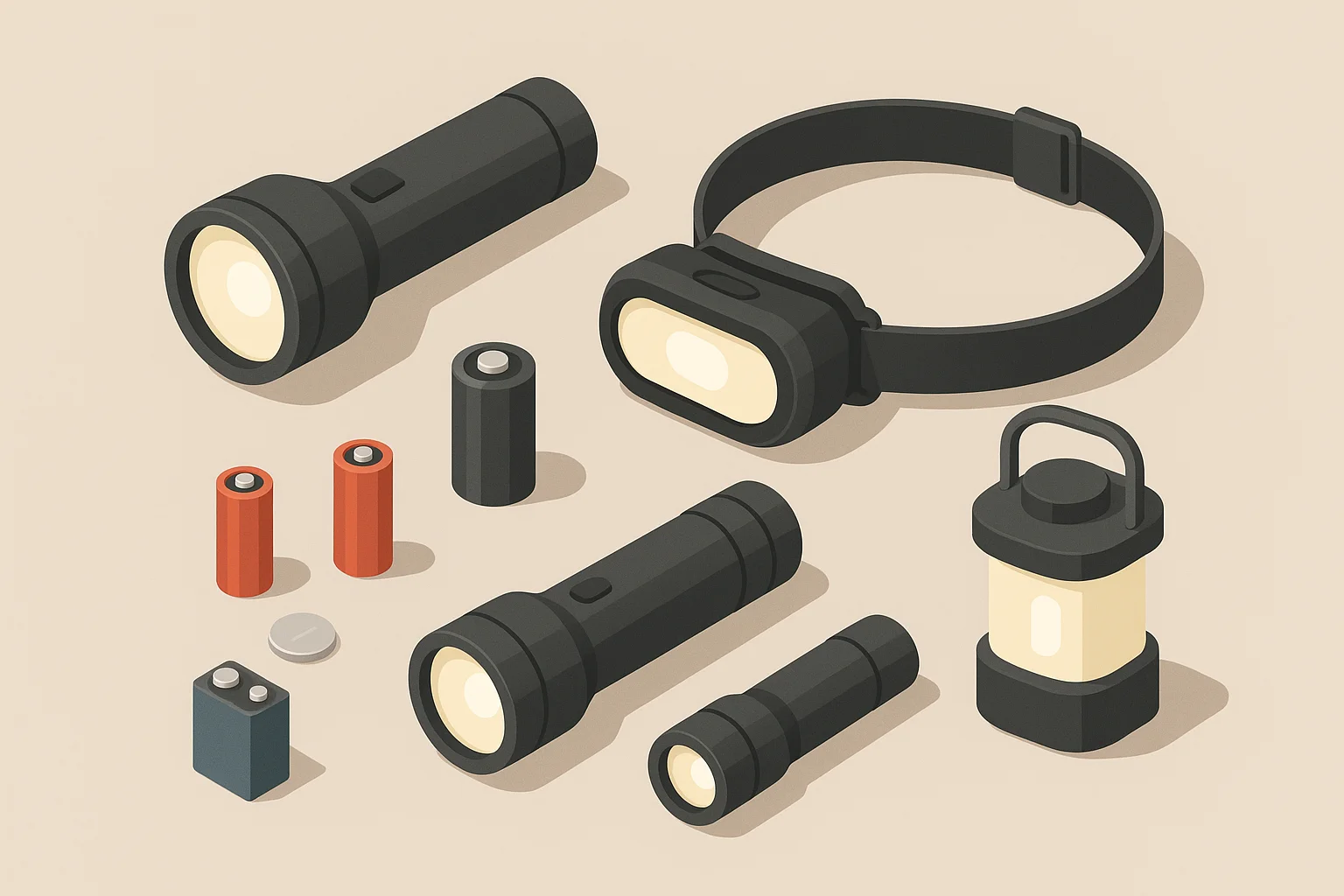
Why Lumens Matter for Everyday and Emergency Lighting
When you reach for a light—whether it is a lamp in the living room or a flashlight during a blackout—the number that matters most is lumens. Lumens measure how much visible light a source produces. Higher lumens mean a brighter light; lower lumens mean a softer, dimmer glow. Understanding lumens helps you:- Choose comfortable lighting for everyday rooms
- Plan safe backup lighting for power outages
- Match batteries and runtime to how bright a light really needs to be
- Avoid over-buying overly bright lights that drain batteries quickly
Basic Lumens Ranges for Common Home Uses
There is no single “correct” lumen number for every home. Layout, wall colors, and personal preference all play a role. Still, general ranges can give you a useful starting point. For routine home use, many people find these rough lumen levels helpful:- Very low light (5–40 lumens): Nightlights, soft hallway markers, keeping a room minimally visible without disturbing sleep.
- Low light (40–150 lumens): Close-up tasks in a small area, basic navigation around a room, small lanterns in a tent or small bedroom during an outage.
- Medium light (150–400 lumens): General flashlight use indoors, basic room lighting from a compact lantern, reading lights in a modestly sized space.
- Bright light (400–800 lumens): Main room lighting in small to medium rooms, larger area lanterns, working in kitchens or workshops.
- Very bright light (800+ lumens): Large, open rooms; outdoor search beams; high-intensity task lighting where you need to see detail over a wider area.
| Situation | Suggested lumen range (example) | If you want… |
|---|---|---|
| Nighttime hallway or kids’ room | 5–40 lumens | Minimal light that does not disturb sleep |
| Reading in a chair during outage | 100–250 lumens | Focused light on book with modest battery use |
| Cooking and moving around kitchen | 300–600 lumens | Clear view of counters and stove area |
| Whole small room emergency lantern | 200–500 lumens | General visibility for several people |
| Checking breaker panel or basement | 200–400 lumens | Brighter beam to inspect details safely |
| Outdoor yard check at night | 300–800 lumens | Stronger beam for distance and depth |
| Shared shelter space or apartment stairwell | 300–700 lumens | Enough light for multiple people to move safely |
Room-by-Room: Everyday Lighting vs. Emergency Needs
Different spaces in your home call for different levels of brightness. It also helps to think about how that brightness changes when the power goes out.Bedrooms and Hallways
For everyday life, bedroom ceiling lights and lamps often use bulbs that produce the equivalent of a few hundred lumens total, sometimes more in larger rooms. During an outage, you usually need far less. Helpful targets:- Nightlights / path markers: 5–20 lumens near doors, stairs, and bathrooms.
- Personal reading light: 50–150 lumens focused on a book or craft.
- Whole small bedroom: 150–300 lumens from a lantern or diffused flashlight, enough to move safely and keep anxiety low for kids or older adults.
Living Room and Common Areas
Living rooms tend to be larger, and people gather there. Everyday lighting often uses multiple lamps or ceiling fixtures, easily adding up to 800–2,000 lumens or more across the whole room. For backup lighting, you can dial that way down:- Conversation and board games: 200–400 lumens aimed at a table.
- General room visibility: 300–600 lumens from a central lantern for a small to medium room.
- TV-style viewing of a tablet or device (when charged and safe to use): 50–150 lumens is usually enough to avoid eye strain.
Kitchen and Work Areas
Kitchen tasks benefit from brighter, more directed light. Everyday recessed fixtures, under-cabinet lights, and ceiling lights can easily provide a total of 1,000 lumens or more. During outages, aim for:- Food prep on a counter: 300–600 lumens directed downward or across the workspace.
- Lighting a small kitchen: Around 300–700 lumens from a bright lantern in the center or near the main work area.
- Quick snack or water access only: 50–150 lumens focused near the fridge, pantry, or water containers.
Bathrooms and Stairways
These spaces are more about safety than comfort. You do not need extreme brightness, but you do want clear visibility to avoid slips and trips.- Bathroom night navigation: 5–30 lumens, especially if someone is sensitive to bright light at night.
- Bathroom mirror tasks (if needed): 100–250 lumens near the mirror for basic grooming.
- Stairways: 50–200 lumens, ideally positioned so the steps are clearly outlined but not blinding.
Flashlights, Headlamps, and Lanterns: Matching Lumens to Tasks
Portable lights are central to short-term home readiness. The lumen rating helps you match each tool to realistic needs in apartments, houses, and shared spaces.Flashlights
A single flashlight that does everything perfectly does not exist. Instead, consider a primary household flashlight and a few supporting lights. Typical ranges and uses:- 50–150 lumens: Fine for walking around the house, checking on kids, or navigating a small yard.
- 150–400 lumens: Good all-around home flashlight range, especially with a lower-brightness mode for battery savings.
- 400–1,000+ lumens: Useful outside for distance and detailed inspection, but not necessary for every indoor task.
Headlamps
Headlamps keep your hands free, which is especially helpful if you need to carry a child, move items, or work on a breaker panel. Practical ranges:- 5–20 lumens: Enough for reading or quiet tasks without disturbing others.
- 50–150 lumens: Comfortable for walking around indoors or in a hallway.
- 150–300 lumens: Better for outside work, stairs, or short-term tasks in darker basements and storage rooms.
Lanterns and Area Lights
Lanterns spread light in all directions, making them better for shared spaces than narrow-beam flashlights. They are useful for kitchens, living rooms, and shared bedrooms during outages. Helpful lumen ranges:- 100–250 lumens: Small table lighting for reading, games, or small rooms.
- 250–500 lumens: General room lighting in an apartment living room or modest bedroom.
- 500–800 lumens: Brighter lighting for larger rooms, group areas, or tasks like sorting supplies.
Balancing Brightness and Battery Life
More lumens usually means more power draw and shorter runtime. For home readiness, that tradeoff matters as much as brightness. The goal is not to blast a room with light, but to provide enough light for long enough.Why You Rarely Need Maximum Output Indoors
In a dark home, even 50–150 lumens can feel bright. Running a 600-lumen lantern at full power may be unnecessary most of the time and can drain batteries quickly. Consider these strategies:- Use low or medium modes as your default, and save high mode for short tasks.
- Use task lighting instead of trying to light entire rooms at once.
- Place lights near light-colored walls or ceilings to reflect and spread light more efficiently.
- Keep at least one very low-lumen option for all-night path lighting (such as a dim lantern or inexpensive nightlight on backup power).
Runtime Considerations for Short-Term Emergencies
For many households planning for common outages (a few hours up to a couple of days), it helps to think in terms of hours of usable light rather than single bursts of maximum brightness. Simple planning questions:- How many evenings of lighting do you want to comfortably cover?
- Which rooms or tasks absolutely need light, and for how long each evening?
- Do you have rechargeable batteries, a small power station, or solar charging, or will you rely on disposable batteries only?
Different Homes, Different Lumens Needs
Your living situation affects how much light you need and where.Apartments and Small Spaces
In a smaller home or apartment, light has less distance to travel, and white or light-colored walls help reflect it. Often, a practical setup might include:- One medium lantern (around a few hundred lumens) for the main living area.
- One or two flashlights or headlamps in the 100–300 lumen range.
- A couple of very low-lumen lights or candles used safely for ambiance or night markers, following local fire safety guidelines and personal comfort.
Larger Homes and Multi-Story Houses
In larger houses, especially multi-level homes, having light on each floor matters as much as how bright any single light is. Consider:- A room lantern or area light on each main floor.
- Multiple headlamps so adults and older kids can move hands-free.
- Hallway or stair lights at 20–100 lumens for nighttime navigation.
- One brighter flashlight (possibly 300–800+ lumens) for inspecting the exterior, the attic, or a detached garage.
Households with Kids, Seniors, or Pets
For families, comfort and safety often matter more than raw brightness.- Kids: Softer lights (5–50 lumens) in bedrooms and hallways can reduce fear of the dark during outages and help them reach the bathroom safely.
- Seniors: Clear stair and hallway lighting (50–200 lumens) can reduce trip hazards while avoiding glare.
- Pets: Gentle lighting helps you see pet beds, bowls, and toys so no one trips over them.
Seasonal and Regional Considerations
Where you live and the season of the year change how long and how often you rely on artificial light.Winter Storms and Long Nights
In northern regions, winter storms can bring outages that start in the late afternoon and last through long, dark evenings. Planning ideas:- Prioritize efficiency over maximum brightness to stretch batteries through longer nights.
- Use warmer, softer light levels (50–300 lumens) in living spaces to maintain comfort without glare.
- Keep a brighter option available for short outdoor checks in snow or ice (around 300–800 lumens).
Hurricanes and Summer Storms
In some regions, summer storms or hurricanes can cause outages when days are long but evenings are warm and humid. Consider:- Using lower-lumen lights indoors if it is already bright outside, saving high-lumen options for after sunset.
- Keeping one brighter outdoor-ready light to safely navigate wet areas, downed branches, or backyard spaces.
- Combining ventilation and light planning so you can sleep and stay cool with minimal but adequate night lighting.
Wildfire Smoke and Poor Air Days
On smoky or overcast days, you might need more daytime lighting indoors, even if the power is still on. Planning ahead means reserving high-lumen emergency tools for actual outages. Simple approach:- Use household fixtures for daytime dimness when power is available.
- Reserve portable lanterns and flashlights and their batteries for true blackouts.
- Keep backup lighting stored in cool, dry locations away from extreme heat.
| Lighting type | Common battery type | Pros and cons (examples) | Simple storage tip |
|---|---|---|---|
| Small flashlight (low–medium lumens) | AA or AAA | Easy to find; moderate runtime; may need several spares | Store batteries in original packaging in a cool, dry drawer |
| High-output flashlight | Larger rechargeable cell | Very bright; longer runtimes; needs periodic charging | Top up charge every few months and keep in known location |
| Compact headlamp | AAA or small built-in rechargeable | Hands-free; good for indoor tasks; smaller battery capacity | Store near bed or go-bag for quick nighttime access |
| Medium room lantern | AA, D, or built-in rechargeable | Area lighting; battery use higher on bright settings | Test on low mode periodically; keep spare batteries nearby |
| Solar/USB rechargeable light | Built-in rechargeable | Can recharge without grid; depends on sun or power bank | Charge fully before storm season and after any long storage |
| Simple glow or crank light | Internal capacitor or small rechargeable | Limited brightness; useful as backup of last resort | Test occasionally so you know how to use it under stress |
Putting It All Together: A Practical Lumens Plan
You do not need to memorize exact lumen numbers to be ready for common power disruptions. Instead, aim for a simple mix of lighting tools that cover a few key roles:- Path lighting: Very low light for hallways and bathrooms so everyone can move safely at night.
- Task lighting: Low to medium light for reading, cooking, and small repairs.
- Area lighting: Medium light for at least one room where people can gather.
- High-output option: One brighter light for inspecting outside conditions or detailed tasks.
Authoritative sources
Safety recommendations can change. Confirm critical details with current official guidance and local authorities.
- US EPA: Emergency Disinfection of Drinking Water
- USDA FSIS: Keep Food Safe During Emergencies
- U.S. CPSC: Battery Safety
Frequently asked questions
How many lumens do I need to light a small bedroom during a power outage?
For a whole small bedroom during an outage, aim for roughly 150–300 lumens from a diffused lantern or multiple low-output lights. Use a separate very low-lumen nightlight (5–20 lumens) for safe night navigation without disturbing sleep.What lumen range is best for reading by flashlight or lantern?
For reading, a focused 50–250 lumens is usually sufficient depending on book size and ambient reflection; lower values work for short reading sessions, while higher values help with finer print or dimmer surroundings. Choose a light with a focused beam or adjustable output to balance clarity and battery life.How many lumens should I plan for kitchen tasks in an outage?
Aim for about 300–600 lumens directed at the main food-prep area to ensure you can see counters and stove details safely. For brief fridge or snack tasks, a smaller 50–150 lumen light positioned near the work area is often enough.What is a good lumen rating for an all-purpose household flashlight?
An all-around household flashlight in the 150–400 lumen range covers most indoor needs while remaining manageable for outdoor checks. Prefer models with lower modes (20–50 lumens) to extend runtime for indoor navigation.How many lumens are recommended for stairways and other safety paths?
Stairways are best lit with 50–200 lumens positioned to outline steps without creating glare; for simple nighttime navigation, very low lights of 5–30 lumens along paths can be adequate. Motion-activated low-lumen fixtures are a practical option to keep paths visible while conserving battery life.About
ReadyHomePlan
ReadyHomePlan publishes practical home readiness guides for outages and short-term emergencies—power, water, food basics, communication, and family planning—without hype.
- Simple checklists and realistic planning
- Water, power, lighting, and pantry basics
- Family plans (kids, pets, seniors) and seasonal prep
Affiliate disclosure
As an Amazon Associate, we earn from qualifying purchases. Some links on this site may be affiliate links. If you buy through these links, we may earn a small commission at no extra cost to you. This helps support our content. Learn more.