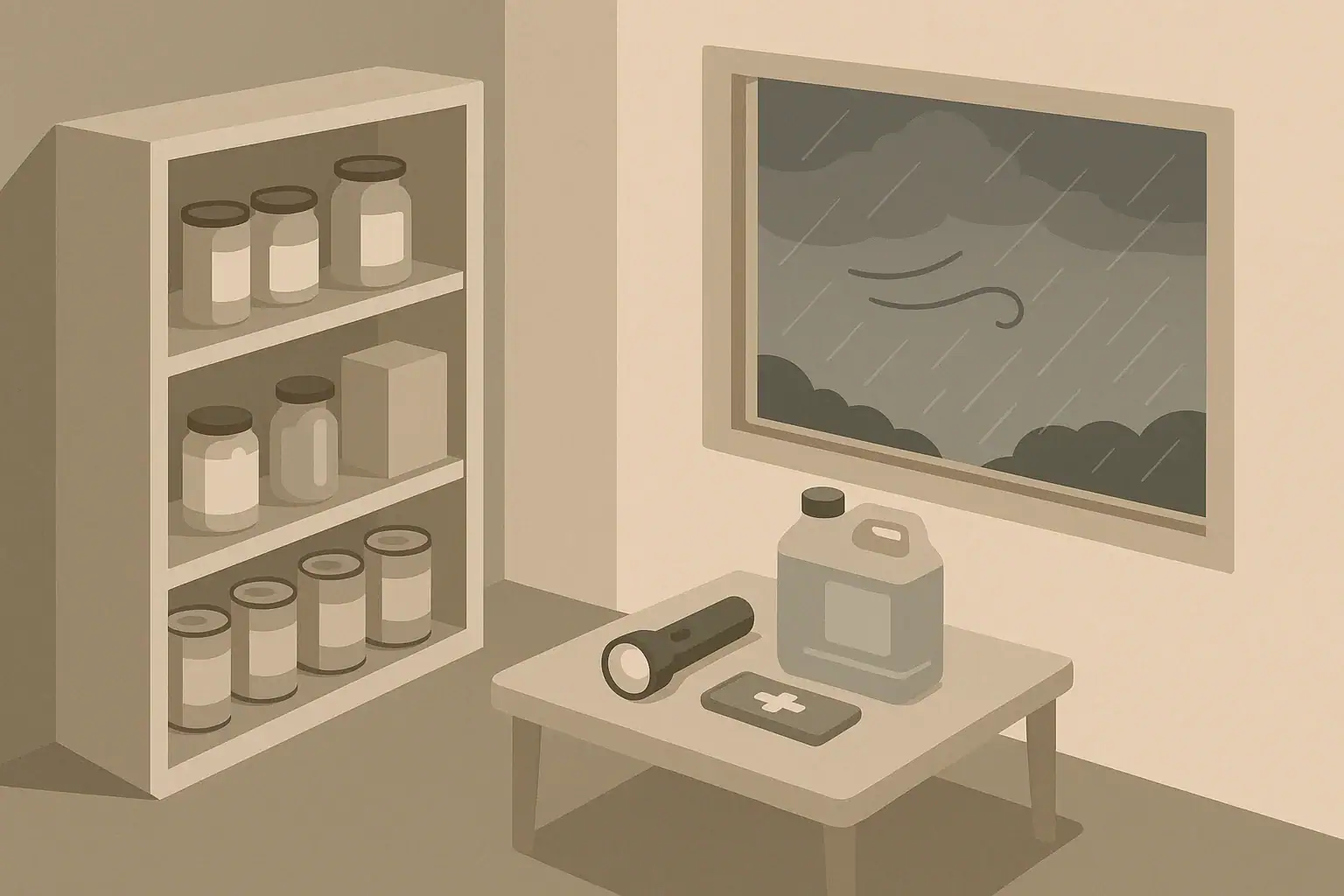
Why a Storm Season Pantry Refresh Matters
Storm season often brings short-term disruptions: power outages, delayed deliveries, and roads that are briefly unsafe to drive. A calm, realistic way to prepare is to make sure your pantry can carry you through a few days at home without relying on fresh groceries or cooking as usual.
A storm season pantry refresh is simply checking what you already have, rotating older items forward, and filling small gaps before peak season. This is not about stockpiling huge quantities. It is about keeping what you actually eat, in usable condition, so a storm feels like an inconvenience instead of a crisis.
Good pantry rotation helps you:
- Avoid waste from forgotten, expired foods
- Know you can make simple meals without power or with limited cooking
- Support kids, older adults, and pets with familiar foods during disruption
- Use your food budget more efficiently over the season
Step 1: Take Stock Before Peak Storm Season
Start by seeing what you truly have. A quick inventory helps you avoid buying duplicates and makes rotation easier.
Do a quick shelf-by-shelf review
Work in small sections so it does not feel overwhelming. For each shelf or cabinet:
- Remove everything and group similar items (canned vegetables, grains, snacks).
- Check the packaging for any obvious damage like rust, swelling, or leaks.
- Look at the “best by” or “use by” date, if present.
Set aside items to use soon if they are nearing the end of their suggested date window or if you know you bought them more than a year ago.
Assess for realistic storm needs
Consider how a typical storm might affect you, based on where you live:
- Likely power outages: Prioritize foods that are ready-to-eat or need only boiling water.
- Possible road closures: Aim for at least a few days of meals that do not rely on last-minute shopping.
- Apartment or small space: Favor compact, shelf-stable items rather than bulky supplies.
- Families with kids or seniors: Include easy, familiar foods that do not add stress during a storm.
Example values for illustration.
| Task | Why it matters | Notes |
|---|---|---|
| Group similar foods together | Makes it easier to see duplicates and gaps | Work one shelf or cabinet at a time |
| Check visible packaging condition | Helps you spot damaged or questionable items | Look for rust, bulges, leaks, or broken seals |
| Review date markings | Identifies foods to move forward and use soon | “Best by” dates are quality guides, not timers |
| List current meal-building basics | Shows what complete meals you can already make | Note proteins, grains, fruits, and vegetables |
| Note special dietary items | Reduces stress for kids, seniors, or allergies | Include baby needs, soft foods, or alternatives |
| Plan to use up older items first | Keeps your pantry naturally rotating | Work older items into weekly meal plans |
Step 2: What to Rotate First in Your Storm Pantry
Once you know what you have, focus on rotating the items most likely to age out or be forgotten. For storm season, think about what you would actually want to eat during a few quiet days at home with limited cooking.
Canned goods: convenient but easy to overlook
Canned foods are workhorses for storm season, but they often get pushed to the back and ignored.
- Rotate first: Cans with the oldest date markings or any that have been in your pantry for several seasons.
- Use now: Plan soups, stews, or casseroles that use older canned beans, tomatoes, and vegetables.
- Storm-ready restock: Keep a modest mix of protein (beans, fish, chicken), vegetables, and fruits that you enjoy eating.
Inspect every can before storing it for storm season. If a can is dented along the seams, rusted, leaking, or swollen, it is safest to discard it according to local guidelines.
Dry staples: grains, pasta, and baking basics
Dry foods often last a long time, but quality can change with heat, humidity, and pests.
- Rotate first: Open bags of rice, flour, or pasta that are older or stored in thin packaging.
- Use now: Turn older grains and pasta into simple dinners in the weeks before peak storm season.
- Storm-ready restock: Keep a few sealed containers of rice, oats, or pasta that cook quickly and can be paired with canned items.
If humidity or insects are a concern where you live, consider moving dry staples into clean, tightly sealing containers to extend their usable quality.
Snacks and ready-to-eat foods
During a storm, especially with kids in the home, having some familiar snacks can be comforting when routines are disrupted.
- Rotate first: Chips, crackers, and bars with near-term date markings, or open packages you do not want to go stale.
- Use now: Serve older snacks in lunchboxes and afternoon snacks before peak season.
- Storm-ready restock: Choose a small set of snacks that do not require refrigeration and that most household members will eat.
Balance treats with more filling options like nut butters, shelf-stable dips, or crackers that can pair with protein.
Step 3: Special Considerations for Different Households
Every home has different needs. A useful storm season pantry refresh accounts for your actual living situation, not an idealized list.
Apartment living and small spaces
If space is limited, focus on high-value, multipurpose foods rather than large volumes.
- Favor compact items like canned beans, condensed soups, and instant grains.
- Use vertical space: higher shelves, closet corners, or under-bed bins for less frequently used items.
- Rotate by “one in, one out”: when you buy a new can or package, plan to use the oldest similar item that week.
Families with kids
Children often handle storms better when food feels familiar and predictable.
- Include a few comforting items like hot cereal, shelf-stable milk alternatives, or simple pasta shapes.
- Rotate out older kid snacks into school lunches before storm season, replenish with fresh ones for the pantry.
- Plan a couple of “no-cook” meals that kids recognize, such as peanut butter with crackers and fruit cups.
Older adults and soft foods
For seniors, chewing, swallowing, and energy for cooking can all be factors.
- Keep soft foods like shelf-stable puddings, applesauce, and canned vegetables.
- Rotate first any single-serve portions that have been on the shelf for many months.
- Include easy-to-open containers with simple lids if grip strength is a concern.
Pets
Pets are part of the household and need their own storm-ready supplies.
- Rotate pet food using the same “first in, first out” approach you use for your own food.
- Keep at least a few days of extra dry or canned food in sealed containers.
- Include treats or chews you know help keep pets calm; rotate older ones into everyday use.
Step 4: Date Checks, Labels, and Safe Storage
Storm season is a natural reminder to tidy up how you track pantry items. Simple habits make rotation almost automatic.
Understanding date markings
Most pantry foods carry one of several types of date language. These dates are usually about quality, not a precise safety deadline.
- “Best by” or “Best if used by”: Indicates when the manufacturer expects peak flavor or texture.
- “Use by”: A more specific quality guideline that some foods carry.
- “Sell by”: Typically tells stores how long to display the product.
For your storm pantry, use dates as a guide to decide what should be eaten sooner and what can comfortably stay for the season. When in doubt, rely on appearance, smell, and common sense when you eventually open a package.
Simple labeling for easy rotation
Clear labels make it easy for anyone in the household to grab the right item and keep rotation going.
- Use a marker to write the purchase month and year on the top or front of cans and packages.
- Place the newest items at the back and the oldest at the front (“front for first use”).
- Group items by type so you can see at a glance where you might have too much or too little.
Storage conditions that support quality
Pantry conditions can change with seasons. Before peak storm time:
- Check that storage areas are dry and not prone to leaks.
- Keep foods away from direct sunlight and major heat sources.
- Consider sealed containers in areas where insects or rodents are possible.
Step 5: Planning Simple No-Cook and Low-Cook Meals
During a storm, you may have limited or no access to your usual stove or oven. Planning for no-cook and low-cook meals ensures you can still eat well with minimal effort.
No-cook meal ideas from common pantry items
Build meals around shelf-stable components you already use:
- Canned beans, canned vegetables, and vinaigrette-style dressings to make salads.
- Nut butters, crackers, and shelf-stable fruit cups for quick, filling snacks.
- Canned fish or chicken combined with crackers and pickled vegetables.
Rotate older items by using them in these types of simple plates a few times before the season starts, then replace them with newer versions.
Low-cook meals for limited power
If you have a small backup cooking option, such as a single burner powered by fuel intended for indoor-safe use per manufacturer instructions, or a grill used outdoors and away from openings, plan meals that cook fast and use minimal water.
- Instant grains or noodles that cook in just a few minutes.
- Canned soups and stews that only require gentle heating.
- Pancake or quick-bread mixes that can be cooked in a pan if baking is not an option.
Always follow safety instructions for any cooking source. Avoid using outdoor-only cooking equipment indoors.
Step 6: Integrating Pantry Rotation Into Everyday Life
A storm season pantry refresh is most effective when it ties into your normal cooking. Instead of treating it as a one-time event, treat rotation as an ongoing habit.
Use what you store, store what you use
Choose pantry items that already fit your family’s tastes and routines. This way:
- You are more likely to rotate items naturally as you cook.
- Kids and adults are familiar with foods during a storm, which reduces stress.
- You waste less because you are not storing foods you never reach for.
Simple cues to refresh before and after the season
Link pantry checks to events you are unlikely to forget:
- Set a reminder a few weeks before your local storm season typically intensifies.
- Review what you did and did not use at the end of the season and adjust.
- Note on a calendar when you last did a thorough pantry review.
Example values for illustration.
| Food type | Storage tip | Rotation interval idea | No-cook use |
|---|---|---|---|
| Canned beans | Store upright in a cool, dry cabinet | Work older cans into meals every 1–2 months | Mix with canned vegetables and dressing |
| Canned vegetables | Keep similar items together on one shelf | Use older cans in soups every few weeks | Serve as a side dish with simple seasoning |
| Dried pasta and rice | Store in sealed containers if possible | Cook from the oldest packages first each month | Combine pre-cooked grains with canned toppings |
| Nut butters | Keep closed tightly to limit air exposure | Rotate jars into snacks every few weeks | Spread on crackers with dried fruit |
| Snack bars | Store in a box or bin by date | Use oldest bars in lunches monthly | Eat as quick, no-prep energy snacks |
| Pet food | Keep in lidded containers away from moisture | Refill storm supply as part of regular buying | Ready for pets without extra preparation |
Keeping Perspective: Prepared, Not Panicked
A storm season pantry refresh is a practical, low-stress way to support your household. By rotating older items into everyday meals, restocking foods you truly like, and planning a few simple no-cook options, you build quiet resilience into your routine. The goal is not perfection or large stockpiles; it is steady, realistic readiness that fits your home, budget, and space.
Authoritative sources
Safety recommendations can change. Confirm critical details with current official guidance and local authorities.
- CDC: Carbon Monoxide Poisoning Basics
- USDA FSIS: Keep Food Safe During Emergencies
- CDC: Guidelines for Cleaning Safely After a Disaster
Frequently asked questions
How often should I perform a storm season pantry refresh?
It’s a good idea to do a thorough check a few weeks before your local peak storm season and then perform shorter spot-checks every 1–3 months. Rotate older items forward based on date markings and actual usage, and plan to use items nearing their “best by” dates in the weeks before peak season.
Which foods should I rotate first when preparing for potential power outages?
Prioritize ready-to-eat and long-shelf-life items like canned proteins, canned vegetables and fruits, nut butters, shelf-stable milk alternatives, and instant grains or noodles. Also rotate snacks, single-serve portions for seniors or kids, and pet food so familiar, easy-to-eat options are on hand if cooking is limited.
How can I extend the quality of dry staples during humid or hot storm seasons?
Transfer rice, flour, pasta and other dry staples into clean, airtight containers and store them in the coolest, driest place available. Use items regularly to keep stock moving, and consider moisture absorbers or oxygen absorbers if humidity is a persistent problem.
Should I treat “best by” and “use by” dates the same when rotating pantry items?
No — “best by” and “best if used by” dates indicate peak quality, while “use by” is a stronger quality guideline; most shelf-stable foods remain safe past their best-by dates if they look and smell fine. Use date markings to prioritize rotation, but always inspect appearance, smell, and packaging condition before use.
What is a simple rotation system for small apartments with limited space?
Adopt a “one in, one out” approach: when you buy a new item, move the oldest similar item to the front and plan to use it within weeks. Label items with the purchase month, group like foods together, and keep a compact selection of multipurpose, shelf-stable items suitable for no-cook or low-cook meals.
- Simple checklists and realistic planning
- Water, power, lighting, and pantry basics
- Family plans (kids, pets, seniors) and seasonal prep
Affiliate disclosure
As an Amazon Associate, we earn from qualifying purchases. Some links on this site may be affiliate links. If you buy through these links, we may earn a small commission at no extra cost to you. This helps support our content. Learn more.