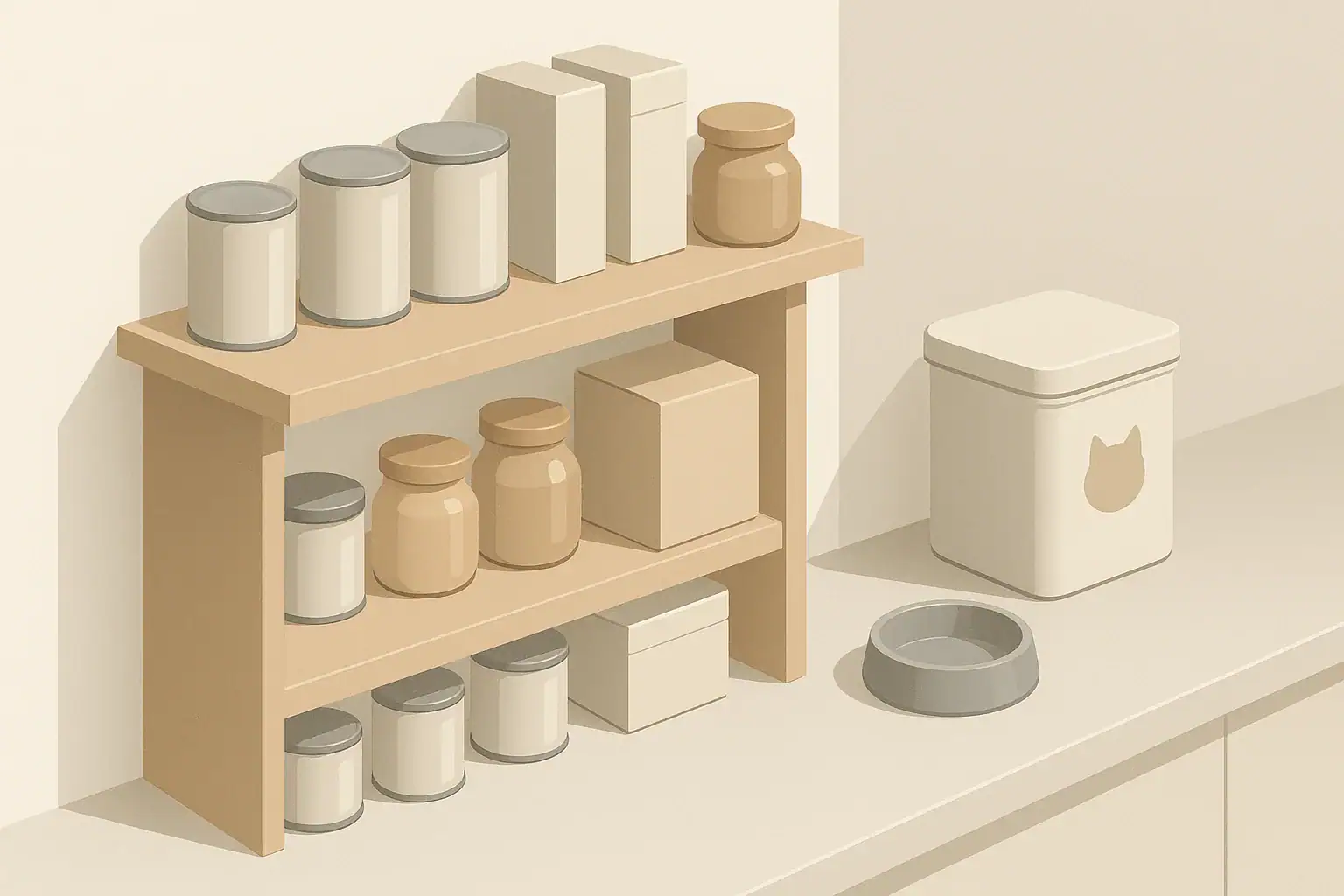
Pets rely on you for everything, including food and water. In a short-term emergency like a winter storm, power outage, or local road closure, pet food can run low quickly, especially if you normally buy it just in time. A simple 7-day buffer gives you breathing room when stores are closed, deliveries are delayed, or you cannot easily leave home.
This approach is not about stockpiling. It is about having a small, practical margin so your dog, cat, or other small animal can keep eating their usual diet while you focus on other tasks, like staying warm, maintaining communication, and managing your household.
A week of food is a realistic goal for most homes, including apartments and small spaces. You can tuck extra supplies under a bed, in a closet, or on a pantry shelf without major changes to your routine.
Why a 7-Day Pet Food Buffer Matters
How Much Emergency Food Your Pet Really Needs
Start with what your pet normally eats. The goal is to have at least 7 days of their usual diet, plus a small buffer for stress and minor disruptions to routine.
Step 1: Estimate your pet’s daily intake
Use your current feeding plan as a guide. Look at your pet’s food packaging, or better yet, pay attention for a few days and measure what you actually serve.
- Dry food: Measure in cups per day.
- Wet food: Count cans or pouches per day.
- Fresh or frozen diets: Weigh portions if possible, or count pre-portioned packs.
- Small pets (rabbits, guinea pigs, birds, reptiles): Note pellets, seeds, or specialized diets plus any essential hay or fresh components.
Step 2: Multiply by 7–10 days
Multiply your daily amount by 7 to cover a week. If it is easy for your budget and space, aim for 10 days, especially if you live in an area with seasonal storms or frequent disruptions.
- Example for a medium dog: 3 cups dry food per day × 7 days = 21 cups (plus a small buffer if possible).
- Example for a cat: 1 can wet food + ¼ cup dry per day × 7 days = 7 cans + about 2 cups dry (round up to the next convenient package size).
These numbers are examples only. Always follow your usual feeding plan and your veterinarian’s guidance.
Step 3: Account for treats and extras
Treats are not essential in a short-term emergency, but a small reserve can help with training, calming routines, and giving medicine if needed.
- Set aside a modest bag or container of your pet’s usual treats.
- Avoid introducing completely new treat types during stressful events if your pet has a sensitive stomach.
Example values for illustration.
| Task | Why it matters | Notes |
|---|---|---|
| List each pet and species | Different animals have different diet needs | Include indoor-only pets and small animals |
| Record normal daily food amount | Prevents under- or overestimating needs | Use cups, cans, or weight as you normally do |
| Multiply daily amount by 7–10 | Creates a realistic short-term buffer | Round up to whole packages if needed |
| Include hay or special staples | Some species require constant access | Rabbits, guinea pigs, some reptiles, others |
| Add modest treat supply | Helps with routines and stress | Keep portion sizes similar to usual |
| Note storage space available | Helps choose package sizes and containers | Think under-bed, closet, or pantry areas |
| Check any special diet needs | Some pets need restricted ingredients | Plan ahead for limited replacement options |
Choosing the Right Types of Emergency Pet Food
Whenever possible, keep your emergency stash the same as your pet’s everyday food. Sudden diet changes can upset digestion, especially when pets are already stressed.
Dry vs. wet vs. shelf-stable options
- Dry kibble or pellets
Often easier to store, lighter, and more compact. Works well when water is available for drinking. - Wet or canned food
Useful if pets need higher moisture or if you are concerned about reduced water access for a brief period. Heavier and bulkier, but does not require refrigeration before opening. - Dehydrated or freeze-dried diets
Space-efficient and lightweight, but usually require clean water for rehydration. Plan water storage accordingly. - Specialty diets
If your pet eats a prescription or limited-ingredient diet, try to keep at least one unopened bag or case ahead of your normal schedule, rotating it into daily use before it expires.
Apartment and small-space considerations
If you live in a small home or rental with limited storage, focus on compact, shelf-stable options.
- Choose smaller bags or containers if large ones are hard to store or keep fresh.
- Use under-bed bins or lidded boxes that can slide into closets.
- Label a small section of your pantry or cabinet specifically for pet supplies, so they are easy to grab quickly.
Pets with dietary restrictions
For pets with allergies, medical conditions, or strict diets, build a buffer gradually.
- Keep your emergency food identical to your regular food when possible.
- Maintain at least one unopened package ahead of what you are currently using and rotate it in before the best-by date.
- Store any written diet instructions in a waterproof sleeve with your emergency supplies in case someone else needs to feed your pet.
Safe Storage: Keeping Pet Food Fresh and Secure
Emergency pet food is only useful if it stays fresh, protected from pests, and easy to find. Simple storage habits help keep your buffer safe and ready to use.
Where to store pet food in your home
Choose a cool, dry, and stable location, away from direct sunlight and heat sources.
- Interior closets, pantries, or cabinets are usually good choices.
- Avoid uninsulated garages or attics that can become very hot or humid.
- Keep food off the floor when possible to reduce risk from minor flooding or pests.
Using containers and original packaging
Most dry pet foods keep best when they stay in their original bag or packaging, which is designed to protect freshness.
- Place the entire bag inside a sealed bin or lidded container to add pest protection.
- If you transfer food into a separate container, keep the original label or a photo of it, including ingredients and lot number, for reference.
- Do not mix old and new batches in the same container without cleaning it periodically, so you can track age and quality.
Labeling and organizing your pet food buffer
Good labeling makes rotation easier and helps you see what you have at a glance.
- Write the purchase date and best-by date on each package in an easy-to-see spot.
- Store newer items behind older ones so the oldest food is used first.
- Group food, treats, and any supplements together in one area so you can grab them quickly in a hurry.
Water Planning for Pets in Short-Term Emergencies
Food is only one part of pet readiness. Pets also need reliable access to clean water. In a water disruption, you may be balancing your own needs with your animals’ needs, so planning ahead helps.
How much water to plan for pets
Water needs vary by species, size, activity level, and temperature, but a simple planning benchmark is helpful for short-term emergencies.
- Many dogs and cats may drink a quantity of water roughly related to their size, often described in guidance per body weight over a day. Use your pet’s current drinking habits as a practical guide.
- In a cooler indoor environment during a 7-day disruption, some households find that a pet’s typical daily intake is a useful planning baseline and then add extra for safety.
- For small animals, birds, and reptiles, consider both their drinking water and any misting, soaking, or habitat humidity needs.
Because individual needs differ, observe how often you refill your pet’s bowl in a normal week and use that as your personal reference. Then add a modest safety margin in case of hotter weather, stress, or minor spills.
Storing and serving water safely
- Keep a portion of your household emergency water set aside mentally for pets.
- Use sturdy containers with tight lids that can be stored in a cool, dark area.
- Clean bowls regularly, even during emergencies, to keep water appealing.
- If you use water treatment methods for your own drinking water, remember to apply the same safe methods before giving it to pets.
Special considerations during power outages
In outages, your usual water sources or appliances may be limited.
- If your home relies on an electric well pump, store extra water ahead of storm seasons for both people and pets.
- If tap water is under a boil notice, follow local guidance for treating water before offering it to pets.
- Avoid letting pets drink from standing outdoor water that may be contaminated during flooding or heavy rain.
Rotation: Keeping Your Pet Food Buffer Fresh
A 7-day buffer only works if the food stays within its recommended shelf life and your pet will still eat it. Rotation keeps your emergency stash aligned with your pet’s current diet.
First in, first out (FIFO) for pet food
Use the same method many people use for pantry items.
- Place newly purchased pet food behind the older packages.
- Use the oldest package first in your daily routine.
- When you open your last package, make a note to restock so you always have at least one unopened backup ahead.
Setting simple reminders
Rotation works best when it becomes a habit.
- Check pet food dates while you are already organizing your pantry or cleaning.
- Consider using a simple calendar reminder every few months to glance at dates and condition of packaging.
- For frozen or refrigerated items, keep a small list on your freezer door noting what you have and approximate dates.
Short-Term Evacuations: Grab-and-Go Pet Food Planning
Some emergencies, such as wildfires, chemical spills, or apartment building issues, may require you to leave quickly. A small, organized pet kit helps you take your animal and their food with you.
Building a compact pet go-bag
You do not need a large backpack just for your pet, especially for short evacuations. A small tote or bin can work well.
- Portable portions of your pet’s regular food (pre-measured in sealed bags or containers).
- Collapsible or lightweight bowls for food and water.
- Leash, harness, and a spare identification tag if applicable.
- Small supply of familiar treats.
- Any essential medications and dosing tools, kept together.
- Copies of vaccination or registration records in a waterproof sleeve, if you have them.
Carrying food and water when space is tight
Prioritize what you can realistically carry and what is most likely to be hard to find on short notice.
- Pre-pack at least 1–3 days of food in your pet’s go-bag, then rely on your home buffer if you have time to load your vehicle.
- Keep a small amount of water with your go-bag, and plan to refill from safe sources or your larger household storage when you can.
- For multi-pet households, label each pet’s food portions clearly to avoid confusion if someone else helps feed them.
Example values for illustration.
| Food type | Storage tip | Rotation interval idea | No-cook use |
|---|---|---|---|
| Dry pet kibble or pellets | Keep in original bag inside sealed bin | Check dates every 1–2 months | Serve as usual with separate water |
| Canned pet food | Store upright in a cool cabinet | Scan labels a few times per year | Open and serve; refrigerate leftovers |
| Dry human staples (rice, oats) | Keep in airtight containers | Use oldest first during regular meals | Some may need only hot water |
| Canned vegetables or beans | Group by type on pantry shelves | Check dates during seasonal cleanups | Eat at room temperature if needed |
| Nuts and nut butters | Store sealed; avoid heat exposure | Rotate into snacks every few months | Spread on crackers or bread |
| Ready-to-eat soups or stews | Keep together for quick meals | Use oldest during busy weeks | Can be eaten unheated in a pinch |
| Snack bars and trail mixes | Store in a labeled grab-and-go bin | Rotate into lunches regularly | Ready to eat as-is |
Putting It All Together Calmly
Building a 7-day emergency pet food buffer is a series of small, manageable steps. Estimate what your pet eats in a day, multiply by a week, and slowly build up an extra package or two as your budget allows. Store everything in a cool, dry place, label it clearly, and rotate it into regular use so nothing goes to waste.
This simple routine means that during a short-term emergency, you will not have to improvise pet meals or worry about whether the store is open. Your pet can continue their familiar feeding routine, and you can focus on the rest of your household’s needs with one less thing on your mind.
Authoritative sources
Safety recommendations can change. Confirm critical details with current official guidance and local authorities.
- US EPA: Emergency Disinfection of Drinking Water
- USDA FSIS: Keep Food Safe During Emergencies
- CDC: Guidelines for Cleaning Safely After a Disaster
Frequently asked questions
How much emergency food should I store for my dog or cat?
Start with at least seven days of your pet’s usual diet by estimating their daily intake and multiplying by 7–10; round up to whole packages when convenient. Include a small supply of treats for medication or calming routines and follow your veterinarian’s guidance for specific portion sizes.
What’s the best way to store dry kibble to keep it fresh and pest-free during an emergency?
Keep dry food in its original bag inside a sealed, lidded container stored in a cool, dry place off the floor and away from direct heat or sunlight. Label packages with purchase or best-by dates and avoid mixing batches so you can rotate by first-in, first-out.
What should I do if my pet is on a prescription or limited-ingredient diet?
Keep your emergency stash identical to the regular prescription or limited-ingredient food and maintain at least one unopened package ahead of current use. Store written feeding instructions and your veterinarian’s contact information with your supplies in a waterproof sleeve in case someone else needs to feed your pet.
Can I substitute human food or different pet food during a short-term emergency?
Avoid sudden diet changes when possible because they can cause digestive upset, especially in stressed animals. If you must use a short-term substitute, choose bland, simple items your pet tolerates and consult a veterinarian when practical; prioritize returning to the usual diet as soon as possible.
How should I pack food and water in a grab-and-go pet kit for short evacuations?
Pre-measure 1–3 days of your pet’s regular food into sealed bags or containers and include a small amount of water in a sturdy bottle, collapsible bowls, any medications, and copies of records. Label each pet’s portions and keep the kit in an easy-to-grab location so you can evacuate quickly.
- Simple checklists and realistic planning
- Water, power, lighting, and pantry basics
- Family plans (kids, pets, seniors) and seasonal prep
Affiliate disclosure
As an Amazon Associate, we earn from qualifying purchases. Some links on this site may be affiliate links. If you buy through these links, we may earn a small commission at no extra cost to you. This helps support our content. Learn more.