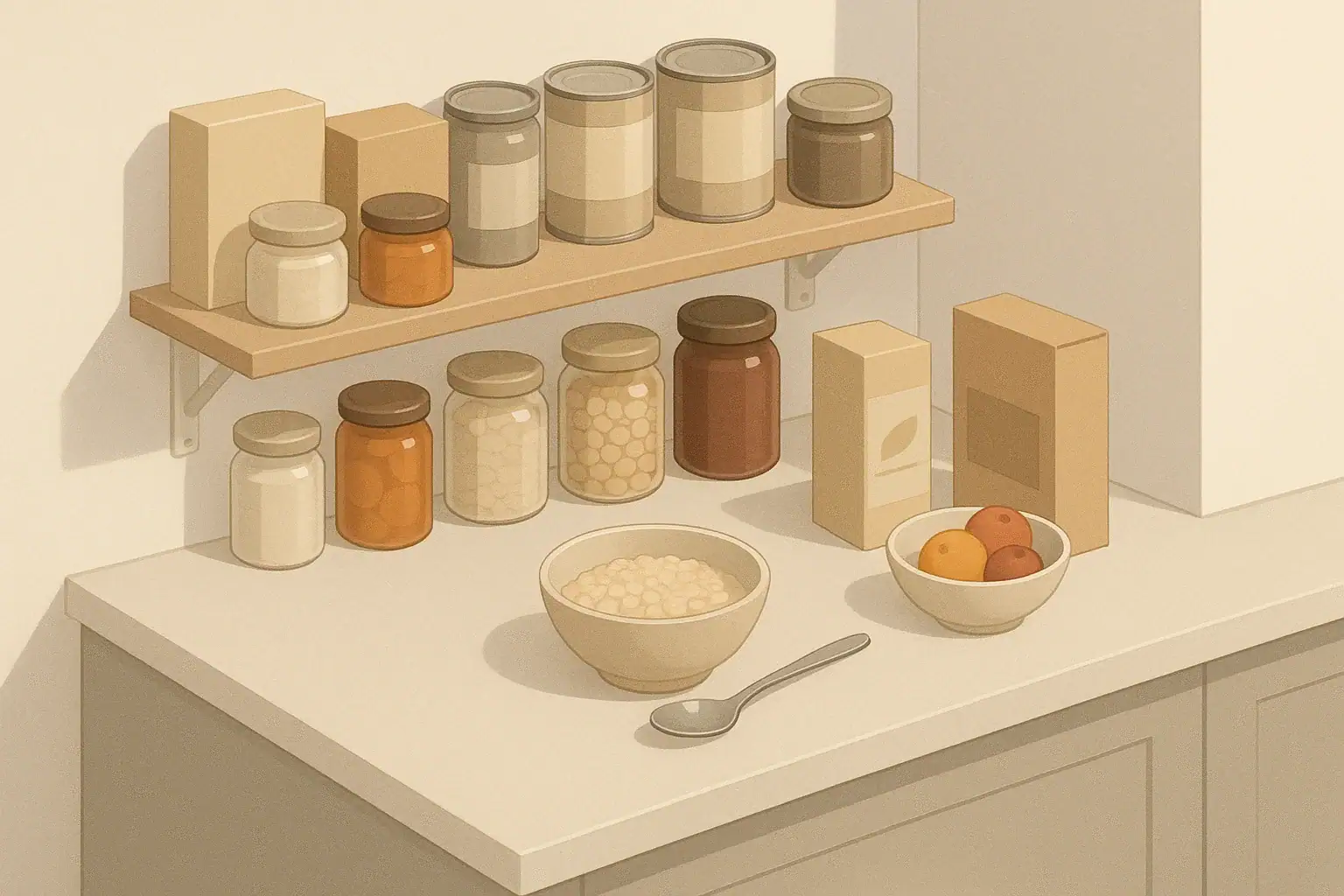
Why Shelf-Stable Breakfasts Matter for Home Readiness
Having breakfasts that do not need refrigeration is a simple way to make your home more prepared for short-term disruptions. Power outages, winter storms, heatwaves, or even a broken refrigerator can make your usual morning routine difficult. A small stock of shelf-stable breakfast options helps you:
- Start the day with predictable food, even if the power is out
- Avoid opening the refrigerator and freezer unnecessarily
- Support kids, seniors, and picky eaters with familiar choices
- Make mornings easier during busy weeks or travel days
For most households, a realistic goal is to keep several days to two weeks of no-fridge breakfasts on hand. The exact amount depends on your space, budget, and local risks, but even a small shelf section dedicated to breakfast can make disruptions feel less stressful.
Types of Shelf-Stable Breakfast Foods
Shelf-stable breakfasts rely on foods that can be stored safely at room temperature and are ready-to-eat or require only minimal preparation. Combining a few categories gives you better variety and nutrition over time.
Dry Grains and Cereals
Dry grains and cereals form the backbone of many no-fridge breakfasts. They store well and can be eaten with water or shelf-stable milk alternatives, or even dry in a pinch.
- Oats: Quick oats or rolled oats can be used for overnight-style oats with shelf-stable milk or made into a simple no-cook muesli with water and add-ins.
- Ready-to-eat cereal: Plain flakes, puffs, or granola-style cereals work well with shelf-stable milk or dry as a snack.
- Instant hot cereals: Single-serve packets are useful if you can boil water with gas, a camp stove, or a backup power setup.
Protein Options That Do Not Need Refrigeration
Including protein helps breakfasts feel more satisfying. Many protein sources are shelf-stable and portionable.
- Nut and seed butters: Peanut, almond, sunflower, or mixed nut butters spread on crackers, bread, or eaten with a spoon.
- Shelf-stable milk or plant drinks: Individual boxes or small cartons work with cereal, oats, or on their own.
- Shelf-stable dairy-style products: Some puddings or similar items are sold unrefrigerated; check packaging for storage details.
- Nut and seed mixes: Trail mix, plain nuts, and seeds add protein and healthy fats.
Fruits, Spreads, and Simple Add-Ins
Fruit and spreads make shelf-stable breakfasts more appealing, especially for children and picky eaters.
- Dried fruits: Raisins, cranberries, apricots, and similar fruits mix well with cereals and oats.
- Fruit cups and canned fruit: Look for options packed in juice or light syrup; store a manual can opener nearby.
- Jams, jellies, and honey: Use on crackers, bread, or stirred into oats or plain cereals.
- Shelf-stable applesauce or fruit pouches: Handy for kids, travel, and quick carbohydrates.
Grab-and-Go Breakfast Items
Some shelf-stable items are designed for quick, no-prep eating. These are useful when you do not want to handle dishes or cooking.
- Breakfast bars and granola bars: Choose a variety for flavor and texture differences.
- Plain crackers and crispbreads: Pair with nut butter, jam, or canned fruit.
- Dry baked items: Some packaged muffins or breads are sold as shelf-stable; follow date and storage guidance on the packaging.
Example values for illustration.
| Household need | Good shelf-stable options | Why it helps |
|---|---|---|
| Limited storage space | Oats, nut butter, dried fruit | Compact foods that store a lot of calories in small spaces |
| Kids who prefer sweet flavors | Fruit cups, applesauce, cereal, breakfast bars | Mimics familiar breakfasts with simple, ready-to-eat items |
| No way to boil water | Ready-to-eat cereal, nut butter, fruit cups | Requires no cooking and can be eaten room temperature |
| Need higher protein | Nut butter, mixed nuts, shelf-stable milk drinks | Adds staying power so meals feel more filling |
| Very tight budget | Bulk oats, basic cereal, large jars of peanut butter | Lower cost per serving while still flexible for many meals |
| Preparing for several days | Combination of grains, nuts, fruit, and bars | Variety reduces boredom and supports different taste preferences |
No-Cook Breakfast Ideas Using Shelf-Stable Foods
Many households planning for outages assume breakfast must be cold cereal every day. In reality, you can mix and match shelf-stable foods into several simple no-cook combinations.
Dry or Minimal-Liquid Cereal Bowls
When water is limited or you want to avoid washing many dishes, dry or near-dry cereal bowls are practical.
- Crunchy cereal mix: Combine ready-to-eat cereal, nuts, and dried fruit in a bowl or reusable container. Eat dry or with sips of water or shelf-stable milk on the side.
- Portable snack mix: Pre-portion cereal and dried fruit into small containers or bags so each person has a grab-and-go breakfast.
No-Cook Oats and Muesli-Style Mixes
Overnight-style oats can be made with room-temperature liquid. They soften over several hours, so they are ready by morning even without refrigeration if the room is reasonably cool and they are eaten the same day.
- Basic no-cook oats: Mix oats with shelf-stable milk or plant drink in a covered container. Add dried fruit or a spoonful of jam just before eating.
- Muesli mix: Combine oats, nuts, seeds, and dried fruit in a jar. Add water or shelf-stable milk shortly before eating and stir.
If your home is very warm, make only what you plan to eat right away, and follow stored-food safety guidance from local or federal agencies.
Cracker and Spread Combinations
Crackers and crispbreads give structure to many no-fridge breakfasts, especially when you do not have fresh bread.
- Nut butter and jam stacks: Spread nut butter and jam on crackers or crispbreads for a filling meal.
- Sweet-and-salty plate: Pair crackers with nut butter, applesauce cups, and a small handful of nuts.
Fruit-Focused Breakfasts
Fruit-based breakfasts can be especially appealing for children, seniors, or anyone with a reduced appetite during stressful situations.
- Fruit cup sampler: Offer a few types of fruit cups plus a breakfast bar or nuts on the side.
- Applesauce and cereal: Stir ready-to-eat cereal or granola into applesauce for texture and crunch.
Low-Cook Breakfasts When You Can Boil Water
If you have a gas stove, camp stove used safely outdoors, or a small backup power setup that can run an electric kettle, a few more breakfast choices open up. Always follow manufacturer safety instructions and local fire regulations for any cooking appliance.
Instant Hot Cereals and Oats
Instant hot cereals work well when you can heat water but want minimal cleanup.
- Packet-style hot cereal: Pour hot water into the packet or a mug, stir, and let it sit for a few minutes.
- Rolled oats: Combine oats with hot water in a heat-safe container and cover briefly to soften. Add dried fruit, nuts, or a spoonful of honey.
Using Hot Water to Soften Shelf-Stable Foods
Hot water can make some shelf-stable foods easier to eat, especially for small children or older adults.
- Softened dried fruit: Soak dried fruit briefly in hot water before serving.
- Warm cereal mix: Add a little hot water to granola or dense cereals to soften them for gentler chewing.
Planning for Different Households and Living Spaces
Your ideal shelf-stable breakfast setup depends on where you live and who you live with. A small apartment with no balcony will plan differently from a house with extra storage, but both can build a practical, no-fridge breakfast kit.
Apartment and Small-Space Considerations
In apartments and other small spaces, every shelf matters. Focus on compact foods and multi-use items.
- Prioritize foods that stack well, such as boxes of cereal, oats, and canned fruit.
- Use under-bed containers or high closet shelves for backup stock.
- Choose breakfast items that also work as snacks so nothing goes to waste.
Families with Children
For families with children, familiarity and ease matter as much as storage life.
- Include a few favorite cereals and bars so kids feel more comfortable during disruptions.
- Pre-portion some breakfasts into containers they can grab on their own.
- Have non-breakable cups and bowls ready in case water service is limited and you want to minimize dishwashing.
Seniors and People with Limited Mobility
For seniors or anyone with limited mobility, focus on easy-open packaging and minimal lifting.
- Choose lighter containers or keep heavier bulk items lower on shelves.
- Use easy-open lids and consider keeping a simple grip tool nearby.
- Favor ready-to-eat items like fruit cups, applesauce, and soft cereals with shelf-stable milk.
Pets and Morning Routines
While this article focuses on human breakfasts, pets are often fed in the morning too. If a disruption changes your routine, it helps to:
- Store several days of pet food in a cool, dry place.
- Keep a manual can opener if your pet uses canned food.
- Plan where pet food and water dishes will go if certain rooms are too dark or cold.
Storing and Rotating Shelf-Stable Breakfast Foods Safely
Even shelf-stable foods need thoughtful storage and rotation. This prevents waste and helps ensure you have usable food when you need it.
Basic Storage Practices
Most shelf-stable foods stay at their best when stored in a cool, dry, dark place. At home, that usually means a pantry, cabinet, or closet away from heat sources.
- Keep foods away from direct sunlight, ovens, and heating vents.
- Use sealed containers to protect cereals and grains from moisture and pests.
- Avoid stacking heavy items on top of fragile packaging, such as fruit cups.
Labeling and First-In, First-Out Rotation
A simple labeling system helps you use foods in a steady cycle rather than forgetting them behind newer purchases.
- Write the purchase month and year on packages with a marker.
- Place newer items behind older ones so you use the oldest first.
- Move items nearing their date into everyday use before buying more.
Checking Packages During and After an Outage
Power outages and heatwaves can change temperature and humidity around your stored food. When things return to normal:
- Inspect packaging for swelling, leaks, or unusual odors when opened.
- Discard any item with damaged packaging or signs of pests.
- Review stored supplies and make a note of what was most useful, then adjust your next shopping list.
Example values for illustration.
| Food type | Storage tip | Rotation idea | No-cook use |
|---|---|---|---|
| Oats | Keep in sealed container away from moisture | Use in regular breakfasts every few weeks | Mix with shelf-stable milk for no-cook oats |
| Ready-to-eat cereal | Store in original box inside a larger bin if possible | Serve once or twice a week to keep stock fresh | Eat dry as a snack or with shelf-stable milk |
| Nut butter | Keep tightly closed in a cool cabinet | Open oldest jar first and finish before starting next | Spread on crackers or stir into oats |
| Dried fruit | Seal tightly after opening to limit humidity | Add to cereal or trail mix monthly | Eat alone or mix into cereal bowls |
| Breakfast and granola bars | Store in a small bin so you can see what you have | Pack in lunches or bags regularly | Grab-and-go breakfast with water or hot drink |
| Fruit cups and applesauce | Stack gently to avoid crushing lids | Serve as snacks or desserts during the month | Serve as a side with cereal or crackers |
| Shelf-stable milk or plant drinks | Keep in a cool cabinet away from heat sources | Use oldest cartons for weekend breakfasts | Pour over cereal or drink alongside bars |
Building a Simple Shelf-Stable Breakfast Kit
A basic breakfast kit does not need to be complicated or expensive. Start with what your household already likes and add a few extra items over time. One simple example for a household of two to four people might include:
- Several pounds of oats or a few large boxes of cereal
- One or two jars of nut or seed butter
- A selection of breakfast or granola bars
- Several packages of dried fruit and nuts
- A small supply of fruit cups or applesauce
- A few cartons of shelf-stable milk or plant drinks
- Crackers or crispbreads for spreads
Store your kit together, label it clearly, and fold it into your normal meal planning so items are used and replaced on a regular basis. Over time, you can refine your shelf-stable breakfasts to match your family’s tastes, local climate, and storage space, making your home better prepared for both everyday busy mornings and short-term disruptions.
Authoritative sources
Safety recommendations can change. Confirm critical details with current official guidance and local authorities.
- CDC: Carbon Monoxide Poisoning Basics
- US EPA: Emergency Disinfection of Drinking Water
- USDA FSIS: Keep Food Safe During Emergencies
Frequently asked questions
How long can common shelf-stable breakfast foods be stored at room temperature?
Storage life varies by product and packaging; many dry grains and cereals remain usable for months to a couple of years if unopened and kept cool and dry. Once opened, shelf life shortens—use sealed containers and follow first-in, first-out rotation. Always check manufacturer dates and discard any item with off smells, visible mold, or damaged packaging.
Can shelf-stable milk or plant drinks be used exactly like refrigerated milk?
Unopened shelf-stable milk or plant drinks treated with long-life heat processing are nutritionally similar to refrigerated versions and work well with cereals and oats. Most require refrigeration after opening and should be consumed within the timeframe printed on the carton; follow package instructions for safe use.
Is it safe to make overnight oats at room temperature without refrigeration?
Overnight-style oats mixed with shelf-stable milk or water and eaten the same day are generally fine if the room is reasonably cool; avoid leaving them for many hours in hot conditions. For warm environments, use hot water to soften oats before eating or prepare smaller single-day portions to reduce risk.
What are good high-protein shelf-stable breakfast options for more filling meals?
Nut and seed butters, mixed nuts, seeds, shelf-stable milk or soy-based drinks, and higher-protein bars are practical shelf-stable choices that add staying power. Combining these with oats or whole-grain cereals and dried fruit helps balance carbohydrates and protein for longer-lasting energy.
How should I store shelf-stable breakfasts in a small apartment to avoid pests and spoilage?
Keep items in a cool, dry, dark cabinet or sealed airtight containers to limit moisture and deter pests; placing cartons and boxes in plastic bins can help keep stock visible and organized. Label with dates and use a first-in, first-out system so older items are used before newer purchases.
- Simple checklists and realistic planning
- Water, power, lighting, and pantry basics
- Family plans (kids, pets, seniors) and seasonal prep
Affiliate disclosure
As an Amazon Associate, we earn from qualifying purchases. Some links on this site may be affiliate links. If you buy through these links, we may earn a small commission at no extra cost to you. This helps support our content. Learn more.