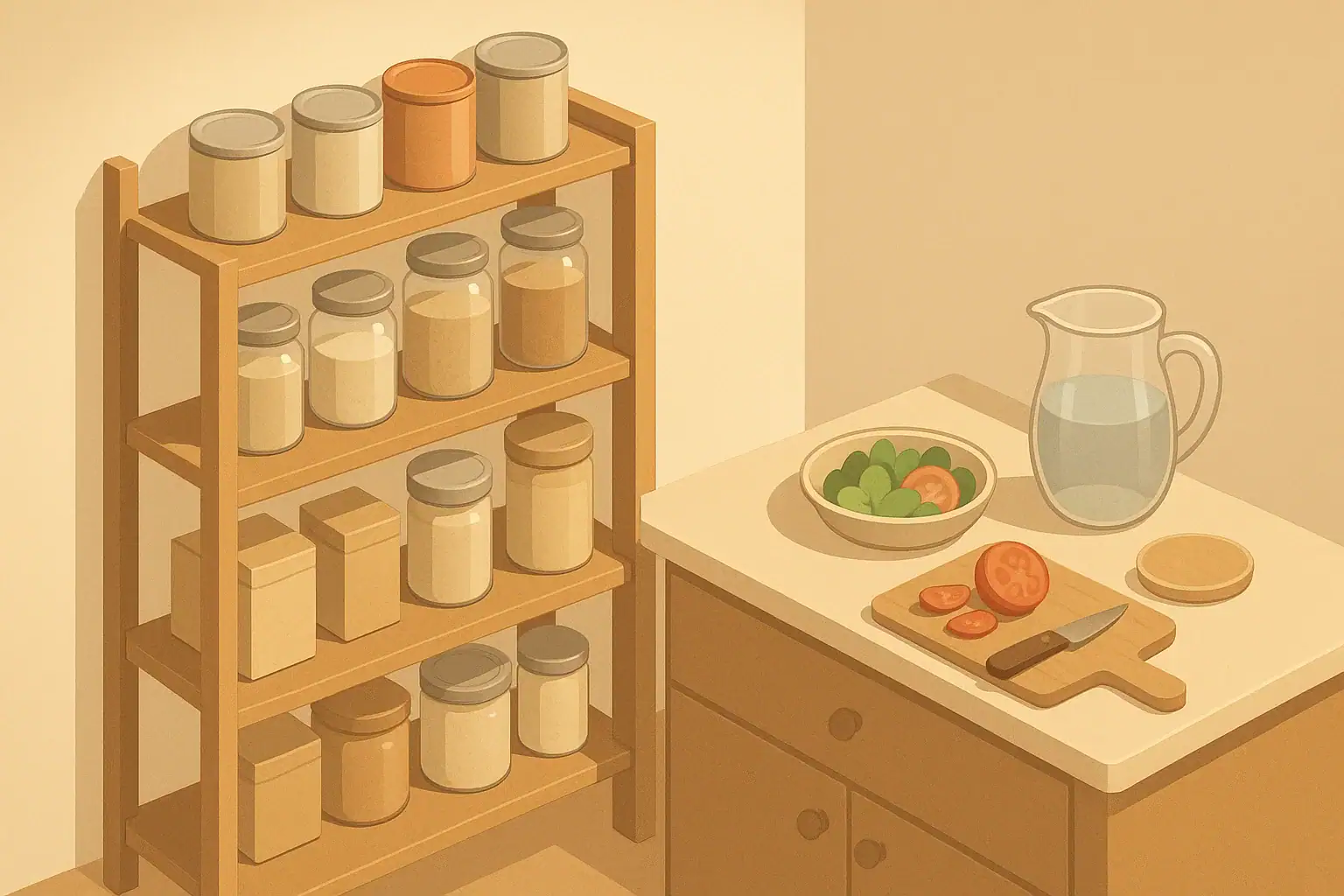
Hot, humid weather is tough on stored food. For everyday home readiness, especially in warm climates or during summer heatwaves, it helps to understand why food breaks down faster and how to slow that process.
Three main factors speed up spoilage in heat and humidity:
- Temperature: Warmer air gives bacteria, molds, and yeasts a better environment to grow. Many spoilage processes roughly double in speed with every significant jump in temperature.
- Moisture: Humid air carries more water. That moisture can be absorbed by dry foods, softening them and giving microbes what they need to multiply.
- Oxygen and light: Warm, humid air plus oxygen can cause fats to turn rancid and colors and flavors to fade more quickly.
In practical terms, this means foods that last a long time in a cool, dry pantry may lose quality or spoil surprisingly fast during a summer heatwave, a power outage, or in homes without strong cooling or dehumidifying.
For short-term emergencies and simple readiness, the goal is not perfection. It is to choose foods that tolerate warm conditions better, store them as wisely as your space allows, and rotate them regularly so you are eating what you store.
Why Heat and Humidity Make Food Spoil Faster
Hot, humid weather is tough on stored food. For everyday home readiness, especially in warm climates or during summer heatwaves, it helps to understand why food breaks down faster and how to slow that process.
Three main factors speed up spoilage in heat and humidity:
- Temperature: Warmer air gives bacteria, molds, and yeasts a better environment to grow. Many spoilage processes roughly double in speed with every significant jump in temperature.
- Moisture: Humid air carries more water. That moisture can be absorbed by dry foods, softening them and giving microbes what they need to multiply.
- Oxygen and light: Warm, humid air plus oxygen can cause fats to turn rancid and colors and flavors to fade more quickly.
In practical terms, this means foods that last a long time in a cool, dry pantry may lose quality or spoil surprisingly fast during a summer heatwave, a power outage, or in homes without strong cooling or dehumidifying.
For short-term emergencies and simple readiness, the goal is not perfection. It is to choose foods that tolerate warm conditions better, store them as wisely as your space allows, and rotate them regularly so you are eating what you store.
Foods That Spoil Fast in Hot, Humid Conditions
Some foods are especially vulnerable when temperatures rise and humidity increases. Knowing which ones need extra care (or quick use) helps you plan your pantry and reduce waste.
High-Moisture, Perishable Foods
These foods belong in the refrigerator and become high-risk very quickly when power goes out or indoor temperatures climb:
- Dairy products like milk, soft cheeses, yogurt, and cream
- Cooked meats, poultry, and seafood
- Leftover soups, stews, casseroles, and cooked grains
- Cut fruits and vegetables (such as melon slices, leafy salads, or chopped tomatoes)
- Egg-based dishes like quiche, custards, and some sauces
These foods already contain moisture and nutrients microbes love. In hot, humid rooms, they can look and smell spoiled much faster than you might expect. For home readiness, plan to use these first during a power outage and avoid counting on them as long-term emergency staples.
Bread, Baked Goods, and Grains
In humid climates, bread and baked goods often mold more quickly than in dry climates.
- Fresh bread and pastries mold fast when humidity is high.
- Flour and whole grains can absorb moisture and clump; over time, that can encourage mold or pests.
- Cooked rice and pasta spoil quickly if left at room temperature, especially in warm weather.
For readiness, consider balancing fresh baked items with more shelf-stable options like crackers, dry pasta, and dry rice stored in sealed containers.
High-Fat Foods and Nuts
Fats break down faster in heat. While many high-fat foods are shelf stable, they can lose quality faster in hot, humid storage.
- Nuts and seeds can turn stale or rancid more quickly.
- Nut butters may separate more and change flavor faster.
- Cooking oils can develop off-odors sooner when stored in warm areas.
These foods are still useful in a readiness pantry, but they should be rotated more often and stored in cooler, darker spots when possible.
Fresh Produce
Heat and humidity affect fruits and vegetables differently depending on their type:
- Leafy greens, berries, and cut produce wilt or mold quickly in warmth.
- Thick-skinned items like onions, winter squash, citrus, and potatoes tend to tolerate room temperature better but may sprout, soften, or mold faster when the air is damp.
- Bananas, peaches, and tomatoes ripen and soften rapidly in heat, sometimes going from ripe to overripe in a day.
For short-term disruptions, plan to use fragile produce first and keep more of your emergency calories in shelf-stable forms like canned or dried fruits and vegetables.
Example values for illustration.
| Food situation | Better choice | Why it helps in heat/humidity |
|---|---|---|
| Need shelf-stable protein | Canned beans or fish | Sealed, low-oxygen environment slows spoilage |
| Want fruit on hand | Canned or dried fruit | Less moisture exposure from air than fresh fruit bowls |
| Replacing fresh bread | Crackers or flatbreads | Lower moisture content; often last longer unopened |
| Storing cooking fats | Smaller containers of oil | Less time open; easier to use before quality declines |
| Vegetables for outages | Canned or dehydrated vegetables | Do not depend on refrigeration; tolerate heat better |
| Snacks for kids | Dry, individually wrapped items | Moisture-resistant packaging reduces staleness |
Foods That Handle Heat and Humidity Better
No pantry item lasts forever, but some foods are more forgiving in warm, damp climates and during short-term power outages. These foods are useful building blocks for a practical home readiness pantry.
Canned and Jarred Foods
Commercially canned and properly sealed jarred foods are designed to be shelf stable at room temperature.
- Canned vegetables, beans, meats, and fish
- Canned soups, chilis, and stews
- Canned fruits in juice or light syrup
- Tomato sauces and paste
Heat can still shorten their best-quality window, and very high temperatures over time are hard on cans and seals. Store them in the coolest, shadiest spot you have, away from direct sun and appliances that generate heat.
Dry Staples
Dry foods can be good choices in humid places when they are sealed well.
- Rice, pasta, and dry grains
- Dry beans and lentils
- Oats and ready-to-eat cereals
- Powdered milk and drink mixes
Humidity is the main threat. Use airtight containers or well-sealed packages to reduce moisture and pests. If you can, avoid storing dry staples directly against warm walls or in sun-heated cabinets.
Dehydrated and Freeze-Dried Foods
Dehydrated or freeze-dried foods have most of their water removed. That makes them lighter and more compact, and it slows down spoilage. They still absorb moisture from humid air once opened, so:
- Keep them sealed except when in use.
- Use smaller packages if openings will be infrequent.
- Store opened packages in tight containers with minimal air space.
They are especially useful for small apartments where storage space is tight but having backup meals matters.
Shelf-Stable Snacks and Quick Meals
For kids, older adults, and anyone who prefers familiar foods during disruptions, include portable items that tolerate warmth reasonably well:
- Granola bars and snack bars
- Plain crackers and rice cakes
- Single-serve nut butter packs
- Instant noodles or shelf-stable pasta cups
These are not long-term storage foods, but they can be rotated easily into everyday use and replaced regularly.
How Heat and Humidity Sneak Into Your Pantry
Even if your home has air conditioning, some areas are more vulnerable to heat and moisture than others. Knowing where conditions are worst helps you decide where to put your most important foods.
Typical Warm, Damp Spots
Common locations where heat and humidity build up include:
- Cabinets over or next to ovens, stoves, or dishwashers
- Uninsulated garages, sheds, and attics
- Closets on exterior walls in sunny exposures
- Areas near water heaters or laundry machines
- Pantries without ventilation in humid climates
These spaces may feel fine most days but can become surprisingly hot during a heatwave or power outage. If possible, keep your highest-priority foods in cooler interior closets or under-bed storage bins instead of in very hot or damp corners.
Containers and Packaging in Humid Air
Packaging plays a big role in how quickly heat and humidity damage your food:
- Thin plastic bags are easily punctured and often let in moisture.
- Paper and cardboard boxes can absorb humidity, swell, and weaken, especially on concrete floors.
- Rigid sealed containers generally offer better protection against both moisture and pests.
For renters and those with limited space, using stackable containers can protect food while keeping your home tidy. Labeling lids and sides allows you to see what you have without opening everything and letting in humid air.
Practical Ways to Protect Food in Heat and Humidity
You do not need special equipment to improve how your food holds up in warm, damp weather. A few simple habits can make a big difference for everyday readiness.
Choose the Coolest, Driest Spot You Have
In many homes and apartments, the coolest, driest area might be:
- An interior closet away from exterior walls
- Under a bed in a room that stays shaded
- Low shelves in a hallway or interior pantry
Even a small shift from a hot kitchen cabinet to a shaded bedroom floor can help your pantry items keep quality longer during summer.
Elevate and Group Your Food
Elevating food off the floor and grouping it thoughtfully helps in humid climates:
- Use shelves, crates, or low tables to keep boxes off concrete, which can stay damp.
- Store like items together: dry grains in one bin, canned goods in another, snacks in a third.
- Leave some air space around containers so humid air does not get trapped in one hot pocket.
Improve Airflow When Possible
Still air can feel more humid, and closed closets can trap heat. When weather and security allow:
- Leave pantry doors slightly open to let air circulate.
- Avoid packing shelves so tightly that air cannot move at all.
- Do not block vents with storage bins or boxes.
In very humid climates, a household dehumidifier (if available) run in the storage area can reduce moisture. If you do not have one, simple steps like using interior spaces and limiting moisture sources nearby still help.
Use Airtight Containers for Key Items
You do not need to repackage everything, but sealing a few vulnerable foods can pay off, especially in hot, damp months:
- Transfer flour, rice, and sugar into rigid containers with tight lids.
- Use sealable bags or containers for crackers, cereal, and snacks after opening.
- Keep opened dried fruit and nuts sealed with as little air inside as practical.
For very small spaces, even a few lidded containers can organize a lot of your most-used staples while protecting them from humidity.
Plan for Short Power Outages
Heat and humidity become a bigger problem when the refrigerator and freezer are off. For short-term outages, simple habits can help preserve what you have:
- Keep refrigerator and freezer doors closed as much as possible.
- Use up the most perishable foods first in safe ways.
- Shift some items to insulated coolers with ice if available.
- Rely on shelf-stable pantry items for most meals until power returns.
Think in terms of “use first,” “use next,” and “save for later” when you open the fridge after the power goes out.
Simple Rotation and Readiness Habits
In a warm, humid climate, keeping food fresh enough to eat is as much about rotation as it is about storage conditions. Building small, steady habits into your normal grocery routine can keep your pantry ready for common disruptions.
Use What You Store, Store What You Use
Rather than buying foods you never normally eat, center your pantry around items that fit your regular meals:
- Pick shelf-stable versions of ingredients you already enjoy.
- Use the oldest items first and replace them during regular shopping.
- Aim to have at least several days of meals that require little or no cooking.
This reduces waste and makes using and rotating pantry items feel natural, not like a separate project.
Check Pantry Items Seasonally
Heat and humidity vary by season. A simple seasonal review can keep your pantry prepared:
- Before summer, move sensitive foods (like chocolate and high-fat snacks) to cooler spots.
- Look over packaging for any swelling, rust, or obvious damage.
- Plan meals that use older items over the next few weeks.
If you live in an area with hurricane seasons, heatwaves, or frequent summer storms, this seasonal check is a useful time to confirm you have enough shelf-stable food for several days.
Plan No-Cook and Low-Heat Meals
Cooking can add heat and humidity to your home, which is not ideal during a heatwave or power outage. Including some no-cook options in your pantry plan can make hot days more comfortable:
- Canned beans mixed with shelf-stable salsa or seasoning
- Canned fish with crackers
- Dried fruit, nuts, and nut butter with bread or rice cakes
- Ready-to-eat soups or chilis that can be eaten at room temperature if needed
For households with young children, older adults, or people who prefer mild flavors, keep familiar items available so that meals remain simple and acceptable to everyone.
Example values for illustration.
| Food type | Storage tip | Rotation interval idea | No-cook or low-heat use |
|---|---|---|---|
| Canned beans and vegetables | Keep in coolest cabinet or closet | Use and replace several cans every 1–3 months | Rinse and eat in salads or wraps |
| Canned fish or meats | Store away from stove and dishwasher | Cycle into weekly meals throughout the year | Serve on crackers or with instant rice |
| Dry grains (rice, pasta, oats) | Seal in rigid containers off the floor | Check and top up seasonally | Use pre-cooked and cooled grains when possible |
| Snacks (crackers, cereal) | Seal after opening; avoid hot top shelves | Replace with every grocery trip as used | Ready to eat for quick calories |
| Dried fruit and nuts | Keep in small sealed bags or jars | Buy in amounts used within a few months | Mix into trail mixes or oatmeal |
| Shelf-stable milk or alt drinks | Store in interior cabinet away from appliances | Rotate into regular breakfasts or baking | Use with cereal or instant oats |
Adapting Food Storage to Your Home and Climate
Every home is different. Apartment dwellers, renters, and people living in older houses without modern cooling all face their own storage challenges. Instead of aiming for a perfect system, focus on small, achievable steps:
- Identify the coolest, driest place you can reasonably use.
- Shift your most important foods there, even if space is limited.
- Use airtight containers for a few key staples you rely on.
- Choose shelf-stable foods that your household already eats.
- Rotate items regularly so your pantry stays fresh and familiar.
By matching your food choices and storage habits to your local heat and humidity, you can maintain a simple, steady readiness for common disruptions like short power outages, water issues, and seasonal storms—without needing to overhaul your entire home.
Authoritative sources
Safety recommendations can change. Confirm critical details with current official guidance and local authorities.
Frequently asked questions
How long can unopened canned foods be safely stored in hot, humid conditions?
Unopened commercially canned foods are generally safe for months to years, but prolonged high heat accelerates quality loss and can damage seams and seals. Store cans in the coolest, shadiest spot you have and check them for bulging, leaking, rust, or severe dents; discard any that show these signs. Very high, sustained temperatures (for example above roughly 95°F/35°C) will shorten best-quality life and can eventually compromise seals.
Do dry staples like rice and flour spoil faster in humidity, and how should I store them?
Yes—humidity causes clumping and can encourage mold and insect activity in dry staples. Transfer these items to rigid, airtight containers, keep them off concrete floors, and use desiccants or smaller packages if you expect slow use. Buy amounts you can realistically rotate within a few months in very humid homes.
What should I do with the refrigerator and freezer during a short power outage in hot weather?
Keep refrigerator and freezer doors closed as much as possible to maintain cold; a full freezer typically holds safe temperatures for about 48 hours (about 24 hours if half-full). Use the most perishable items first and move crucial items into insulated coolers with ice if you can. If refrigerated food rises above 40°F (4°C) for more than two hours, it should generally be discarded.
Are dehydrated and freeze-dried foods reliable for storing food in heat and humidity?
Sealed dehydrated and freeze-dried foods are relatively stable because they contain very little water, but after opening they absorb moisture and lose quality faster in humid air. Keep them in their sealed pouches or transfer opened portions to airtight containers with minimal headspace, and consider small packages or desiccants for humid climates. When kept sealed and stored in a cool, dark place, many retain quality for months to years depending on the product.
How can I tell if nuts, oils, or other high-fat foods have spoiled from heat?
High-fat foods typically go rancid rather than showing typical spoilage signs; look for a sharp or bitter off-smell, acrid taste, or an oily, sticky texture. Rancid foods are unpleasant and should be discarded—while rancidity is mainly a quality issue, severely degraded fats are best not consumed. To reduce the risk, rotate these items often and keep them in cool, dark storage when possible.
- Simple checklists and realistic planning
- Water, power, lighting, and pantry basics
- Family plans (kids, pets, seniors) and seasonal prep
Affiliate disclosure
As an Amazon Associate, we earn from qualifying purchases. Some links on this site may be affiliate links. If you buy through these links, we may earn a small commission at no extra cost to you. This helps support our content. Learn more.