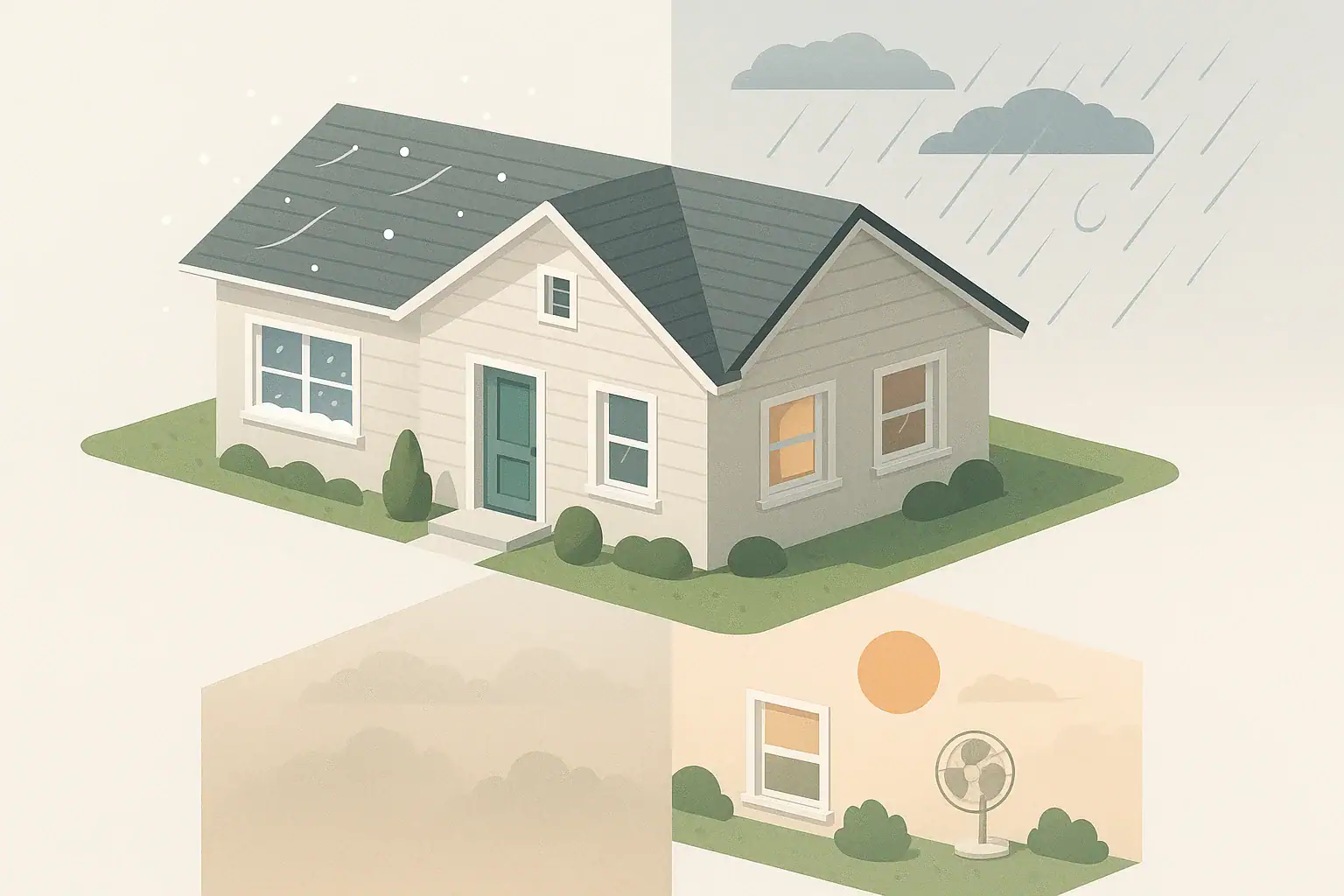
Home readiness is most effective when it matches the actual risks where you live and the time of year. A winter storm in the Upper Midwest, a hurricane on the Gulf Coast, a summer blackout in a dense city, or smoke from distant wildfires all affect your home in different ways.
Instead of planning for every possible disaster, it helps to focus on the likely, short-term disruptions you could face:
- Power outages lasting hours to a few days
- Temporary water issues or boil-water advisories
- Bad air quality from smoke, dust, or heat
- Short-notice evacuations or requests to stay indoors
This article outlines how to build a seasonal and region-aware plan for a typical household in the United States, whether you are in an apartment or a house, a renter or owner, with or without kids, pets, or seniors.
Why Seasonal and Regional Planning Matters
Home readiness is most effective when it matches the actual risks where you live and the time of year. A winter storm in the Upper Midwest, a hurricane on the Gulf Coast, a summer blackout in a dense city, or smoke from distant wildfires all affect your home in different ways.
Instead of planning for every possible disaster, it helps to focus on the likely, short-term disruptions you could face:
- Power outages lasting hours to a few days
- Temporary water issues or boil-water advisories
- Bad air quality from smoke, dust, or heat
- Short-notice evacuations or requests to stay indoors
This article outlines how to build a seasonal and region-aware plan for a typical household in the United States, whether you are in an apartment or a house, a renter or owner, with or without kids, pets, or seniors.
Step 1: Identify Your Local and Seasonal Risks
Start with a calm, factual look at what actually happens in your region. Think in terms of seasons and what regularly appears in local news:
Common Regional Hazards in the U.S.
Consider which of these you see every few years, not just once in a lifetime:
- Winter storms and ice: heavy snow, ice on roads, freezing rain, downed power lines.
- Hurricanes and coastal storms: strong winds, storm surge in coastal areas, long power outages.
- Thunderstorms and tornadoes: high winds, hail, localized damage, short-notice shelter-in-place.
- Heatwaves: prolonged high temperatures, nighttime heat that does not cool down.
- Wildfire smoke: drifting smoke from fires, even hundreds of miles away.
- Flooding and heavy rain: street flooding, basement seepage, limited road travel.
- Earthquakes: sudden shaking, falling objects, possible utility disruption.
Map Hazards to Likely Home Impacts
Once you know the main regional hazards, connect them to how they might affect your living space. Ask:
- Is power loss common after storms in my area?
- Have we ever had a boil-water advisory or water shutoff?
- Do summer storms or heatwaves often cause blackouts here?
- Is smoke or dust a seasonal issue that affects indoor air?
- Is my neighborhood prone to street flooding or blocked roads?
Write down the top 2–4 combinations of hazard and impact that you are most likely to face in the next few years. These will guide the rest of your planning.
| Hazard type | Typical home impact | Key questions to ask |
|---|---|---|
| Winter storm / ice | Power loss, limited travel, cold rooms | How will we stay warm and lit if power is out for 1–2 days? |
| Hurricane / coastal storm | Probable outages, wind damage, evacuations in some zones | Would we evacuate or stay? What is our route or shelter plan? |
| Heatwave | High indoor heat, possible rolling blackouts | Where can we stay cooler if AC fails? Who is most heat-sensitive? |
| Wildfire smoke | Poor outdoor air, need for a cleaner indoor room | Which room can we seal better and run cleaner air in? |
| Thunderstorm / tornado | Short-notice shelter-in-place, debris, brief outages | Where is our safest interior spot away from windows? |
| Flooding | Limited road access, damp basements, water concerns | Are important items and supplies stored off the floor? |
| Earthquake | Falling items, possible utility disruptions | What needs to be secured so it does not fall or block exits? |
Example values for illustration.
Step 2: Consider Your Home Type and Household
The same storm affects a high-rise apartment differently than a single-family house. Tailor your plans to your living situation and who lives with you.
Apartment vs. House
Apartment or condo considerations:
- Limited storage, so focus on compact, multi-use items.
- May rely on building systems for heat, water pumps, or elevators.
- Check building rules for generators or balcony use before planning power backups.
- Stairs may matter if elevators are unavailable during outages.
Single-family home or townhouse considerations:
- More storage space for water, food, and gear.
- Potential for outdoor cooking, if allowed and safe.
- Possibility of different power backup options, depending on your situation and local rules.
- Basements and crawlspaces may be at risk in floods.
Renters vs. Owners
Renters should focus on portable, landlord-friendly steps:
- Removable window coverings or draft blockers for heat or cold.
- Portable lighting and small backup power options suitable for indoor use.
- Freestanding storage drawers or bins for water and food.
Owners might consider longer-term upgrades, where practical:
- Better insulation or weatherstripping for drafty areas.
- Drainage improvements or sump pumps in flood-prone basements.
- Permanent or semi-permanent power and water resilience solutions, where appropriate.
Household Members: Kids, Pets, and Seniors
Adjust your plan for those who may need extra support.
- Kids: simple explanations, small comfort items, and familiar snacks can make outages and storms less stressful.
- Pets: set aside food, water, leash or carrier, and absorbent materials if outdoor walks are limited.
- Seniors or those with limited mobility: think about stairs, backup plans for powered equipment, and keeping essentials within easy reach.
Step 3: Build a Core Plan for Power, Water, and Air
Most seasonal and regional issues come down to a few basic needs: staying reasonably comfortable, having safe water, and managing food and sanitation for a few days. The goal is not perfection, just enough to ride out short-term disruptions calmly.
Power Outages: Light, Devices, and Essential Equipment
Even brief outages are easier if you prepare for three things: light, communication, and any essential devices.
- Lighting: keep at least one flashlight per person and a couple of room lights (such as lantern-style) with spare batteries. Store them where you can find them in the dark.
- Communication: have a way to charge phones without grid power, such as a small power bank. Keep a paper list of key phone numbers in case your phone battery runs out.
- Essential equipment: if anyone relies on powered equipment at home, talk with their care team ahead of time about backup options or alternative locations during longer outages.
Think in terms of hours, then days. Plan how you would manage:
- First 4 hours: flashlights, keep refrigerator closed, quick check on neighbors if appropriate.
- First 24 hours: recharge phones once, have easy no-cook meals, adjust sleeping areas for comfort.
- Up to 72 hours: rotate food, manage device use, consider moving to a friend’s home or community site if your home becomes uncomfortable.
Water Readiness: Storage and Simple Treatment
Many households can benefit from a modest water buffer. Even if tap water is usually reliable, main breaks or storms can lead to brief advisories or interruptions.
- Storage: keep some sealed drinking water on hand in containers that fit your space. In small apartments, use stackable containers or smaller bottles.
- Non-drinking water: consider a way to hold water for rinsing and basic cleaning, such as a clean bucket with a lid or a storage bin.
- Simple treatment: follow local guidance during advisories. Keep basic supplies that you know how to use, and always follow official instructions when issued.
Store water away from direct sunlight and chemicals, and label any reused containers clearly to avoid confusion later.
Indoor Air and Temperature Comfort
Seasonal events often affect both temperature and air quality inside your home.
- Cold weather: use layers of clothing and blankets, and close doors to unused rooms to keep a smaller space warmer when heating is limited.
- Hot weather: close blinds on sunny windows during the day, use fans if power is available, and open windows when outdoor air is cooler and cleaner, usually overnight.
- Smoke or dusty air: select one room as a “cleaner air room.” Improve sealing around windows and doors, and use whatever air-cleaning methods you have available and know how to operate, while following safety guidance.
Plan in advance which room is best for sleeping during a heatwave, which room can hold warmth in winter, and which room works best for cleaner air during smoke events.
Step 4: Make Seasonal Adjustments
Your core plan stays the same, but you adjust the details as the seasons change. A simple way is to review your plan at the start of each new season.
Winter: Storms, Ice, and Cold
In colder regions, winter is often about staying warm and safe if roads or power are limited.
- Keep warm layers, hats, and socks easy to find for each person.
- Have a safe, non-flame-based way to add warmth, where possible, and know how to use your main heating system safely.
- Store a small supply of shelf-stable food that can be eaten with little or no cooking.
- Plan for sidewalks and steps: shoes with good traction and simple ice-melt or sand where allowed.
Spring: Storms, Flooding, and Rapid Changes
Spring often brings fast-changing weather, including thunderstorms, hail, and flooding.
- Ensure gutters and outdoor drains are clear, where this is your responsibility.
- Move important items in basements or lower levels off the floor.
- Decide where to go in your home during severe weather alerts (an interior room away from windows, or as advised locally).
- Keep a small waterproof bin or bag for documents and small electronics if water is a concern.
Summer: Heatwaves and Storm-Related Outages
Summer preparedness often centers on heat and short-notice storms.
- Identify a cooler room (north-facing or shaded, if possible).
- Keep lightweight bedding and breathable clothing ready.
- Plan for extra water storage during peak heat months.
- Know nearby air-conditioned locations you could visit during the day if home becomes uncomfortably hot and it is safe to travel.
Fall: Wildfire Smoke, Storm Season, and Transition
In some regions, fall brings wildfire smoke and coastal storms; in others it is a calmer time to prepare for winter.
- Review your cleaner-air-room plan before smoke season, if relevant in your region.
- Refresh batteries and test flashlights before stormy months.
- Rotate pantry items you do not want to store through winter.
- Check window and door seals before colder air arrives.
Step 5: Go-Bags vs. Stay-at-Home Kits
Seasonal and regional risks can lead either to staying put (shelter-in-place) or needing to leave temporarily. It helps to distinguish between a stay-at-home kit and a go-bag.
Stay-at-Home Kit Basics
A stay-at-home kit is about comfort and function in your own space for a few days:
- Water and simple food you already use and like.
- Lighting, spare batteries, and a way to charge phones.
- Basic hygiene and sanitation items, such as wipes and trash bags.
- Blankets, extra clothing layers, and any seasonal items (fans, hats, gloves).
Store these where you can reach them even in the dark, such as a low shelf or a dedicated bin in a hallway.
Go-Bag Essentials
A go-bag is a compact bag you can grab quickly if you need to leave home for a short time.
- Copies of key documents or digital backups, as appropriate for you.
- Basic clothing and hygiene items for 1–3 days.
- Lightweight snacks and a refillable water container.
- Compact flashlight and phone charger cable.
- Any necessary items for kids, pets, or seniors.
Review your go-bag contents as seasons change: swap in warmer layers for winter, cooler clothing for summer, and update any time-sensitive items.
Step 6: Simple Communication and Check-In Plan
A regional event can disrupt cell coverage temporarily or make it hard to reach family members right away. A simple communication plan helps everyone know what to do.
Household Communication Basics
- Choose a primary way to contact each other (text, call, or messaging app) and a backup.
- Pick an out-of-area contact who can serve as a message point if local lines are busy.
- Write down important numbers on paper and keep a copy in your go-bag and at home.
- Decide on a default meeting place near home (for example, a nearby corner or landmark) if you cannot reach each other by phone.
Regional Alerts and Local Information
Many communities offer local alert systems for severe weather, water issues, or evacuation notices.
- Find out how your local area sends alerts and how to sign up.
- Keep at least one way to receive updates during a power outage, such as a device that does not rely solely on home electricity.
- Learn which local channels (such as radio or official online sources) share updated information during storms, heatwaves, or smoke events.
Step 7: Water Storage and Rotation Planner
Because almost every seasonal risk can affect water access or quality, it is useful to think through how much water you want to keep on hand and how you will rotate it so it stays fresh. This does not have to be complicated or space-intensive.
| People / pets | Days to cover (example) | Storage approach | Rotation cue idea |
|---|---|---|---|
| 1 adult in studio | 2–3 days | Small bottles or compact containers stored under bed | Rotate when changing bedsheets monthly |
| 2 adults in apartment | 3 days | Stackable containers in closet plus a few bottles | Rotate at start of each season |
| Family of 4 in house | 3–5 days | Larger containers in cool area plus smaller daily-use bottles | Rotate during seasonal house checks |
| Household with pets | Same as people, plus pet share | Dedicated pet water container labeled by animal | Rotate when buying new pet food |
| Shared home / roommates | 2–3 days | Each person keeps a small personal supply | Rotate at rent or utility bill due date |
| Senior living with family | 3 days | Extra easy-lift containers near their room | Rotate at regular medical or care appointments |
Example values for illustration.
Step 8: Keep It Simple and Review Once a Season
A seasonal and regional plan works best when it is straightforward and easy to maintain. Instead of a large one-time project, treat it as a small habit you revisit during the year.
- Once per season: glance through your written notes, swap clothing in your go-bag, and check water, batteries, and pantry items.
- After an event: note what worked well and what you wished you had. Adjust your plan while the details are fresh.
- Involve the household: show everyone where lights, water, and kits are stored, and walk through what you would do for your most likely local scenarios.
With a modest amount of preparation tailored to your area and your home, you can navigate seasonal and regional risks with more confidence and less stress.
Related guides: Flood Risk Basics: What to Move, What to Pack, and What to Document · Tornado Safe Place Checklist: Interior Rooms, Supplies, and Practice.
Authoritative sources
Safety recommendations can change. Confirm critical details with current official guidance and local authorities.
- CDC: Carbon Monoxide Poisoning Basics
- US EPA: Emergency Disinfection of Drinking Water
- USDA FSIS: Keep Food Safe During Emergencies
Frequently asked questions
How much drinking water should I store for short-term regional outages?
A practical baseline is about 1 gallon (roughly 4 liters) per person per day for drinking and basic needs, and plan for at least 2–3 days for short-term outages. If you have limited space, prioritize drinking water and keep a small additional supply for basic hygiene or pet needs.
How do I pick and prepare a “cleaner-air room” for wildfire smoke events?
Choose an interior room with the fewest exterior walls and windows, ideally with a door you can close. Seal obvious gaps around doors and windows with towels or draft strips, and place any available air-cleaning device or a box fan with a high-efficiency filter running on low to reduce indoor particles.
What compact power options work best for apartment dwellers during summer blackouts?
Small rechargeable power banks, battery-powered fans, and LED lanterns provide lightweight, safe alternatives to larger generators. Avoid using fuel-powered generators indoors or on balconies; instead use devices designed for indoor safe use and check building rules before adding permanent equipment.
When should renters ask their landlord about preparedness-related building systems?
Contact your landlord before a known season of concern (for example, before hurricane or winter season) to ask about building backup power, water pump resilience, elevator policies, and any permitted temporary measures. Early communication helps clarify responsibilities and gives time to arrange alternatives if needed.
How often should I check and rotate items in my go-bag and water supplies?
Review go-bag contents and basic supplies at the start of each season and after any event that used them. Rotate bottled water and perishable items based on their expiration dates—many people rotate water every 6–12 months and swap food items during seasonal reviews.
- Simple checklists and realistic planning
- Water, power, lighting, and pantry basics
- Family plans (kids, pets, seniors) and seasonal prep
Affiliate disclosure
As an Amazon Associate, we earn from qualifying purchases. Some links on this site may be affiliate links. If you buy through these links, we may earn a small commission at no extra cost to you. This helps support our content. Learn more.