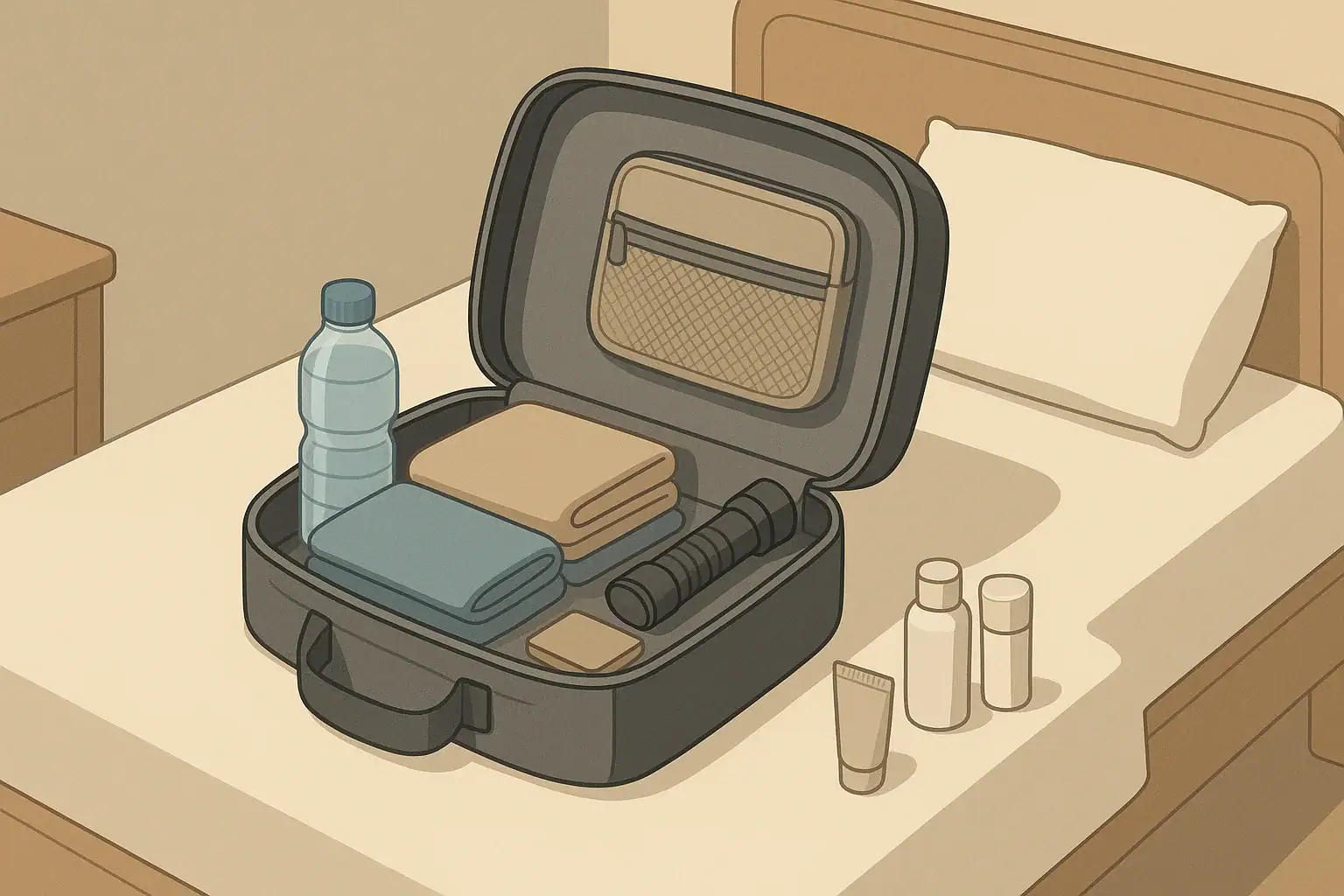
Why a “Leave Fast” Essentials List Matters
Most people imagine having plenty of time to pack if they ever need to leave home. In reality, fast departures are common and often short term: a nearby fire that causes smoke, a gas leak in the building, a broken water main, a chemical spill on a nearby road, or a sudden evacuation during a storm.
Being ready does not mean living in fear or building a bunker. It means knowing what not to forget when you leave fast, so you can stay safe, comfortable, and able to handle basic needs for a few days away from home.
This guide focuses on simple, practical items you can gather now for a quick exit, whether you live in an apartment or a house, rent or own, and whether you have kids, pets, or older family members.
First Priorities: People, Plans, and Irreplaceable Items
Before thinking about gear, it helps to think about priorities. In a rushed situation, you may only manage a few minutes. A short list, kept handy, can prevent you from freezing or forgetting critical items.
1. People and Pets Come First
The most important “items” to bring are not things at all. Make it a habit to quickly account for everyone who lives with you.
- Adults and teens: Confirm everyone is awake, knows the plan, and has shoes on.
- Children: Assign each adult or older teen specific kids to guide.
- Pets: Have carriers, leashes, and a plan for getting them out quickly.
Practice a simple check: head count, pets, keys, and a pre-packed bag by the door if possible.
2. Keys, Wallet, and Phone
These everyday items are easy to overlook under stress but are critical for transportation and communication.
- Keys: House keys and vehicle keys if you have a car.
- Wallet: ID, bank card, transit card, and some cash if possible.
- Phone: Fully charged when you can manage it, with a simple contact list saved.
Consider a small hook or bowl near the main exit where these three stay together, so you can grab them in one motion.
3. Irreplaceable Documents and Digital Backups
Original documents can be difficult to replace, especially during wider disruptions. Try to keep them in one place that is easy to grab.
- Photo ID and basic insurance cards
- Essential personal records (for example, birth or adoption records, custody or guardianship papers)
- One small folder with key financial or housing documents (lease, mortgage information, or landlord contact)
To reduce stress, store clear photos or scans of important documents in a secure digital location as a backup. This does not replace originals but can help if something is lost.
Example values for illustration.
| Situation | Time Available | Grab First | Then Add If Possible |
|---|---|---|---|
| Fire alarm or gas leak in building | Under 2 minutes | People, pets, phone, keys | Wallet, pre-packed go-bag |
| Police or utility asks you to leave temporarily | About 5–10 minutes | People, pets, wallet, phone, keys | Documents folder, medications, chargers |
| Approaching storm with likely evacuation | Several hours | Critical documents, medications, go-bags | Extra clothes, comfort items, small electronics |
| Short-term shelter due to broken utilities | 1–2 hours | People, pets, medications, basic hygiene kit | Lightweight bedding, small snacks, water |
| Localized chemical spill or road incident | Unclear, but leave promptly | People, pets, phone, keys, wallet | Documents folder, masks or cloth face covers |
| Heatwave power outage in upper floors | 30–60 minutes | People, phone, keys, water, light snacks | Small fan or battery-powered cooling items |
Medications, Health Basics, and Personal Needs
After people, pets, and identity items, the next critical category is health and comfort basics. These are the things that are difficult to replace quickly if you leave home in a hurry.
4. Medications and Medical Essentials
Try to keep a small portion of needed medications in a container that can travel at a moment’s notice.
- Daily prescriptions: Aim for at least a few days’ worth if your situation allows.
- Essential over-the-counter items: Common pain relievers, any allergy relief you often use.
- Basic care items: Glasses or contact lenses, hearing aid supplies, or mobility aids.
If you or a family member uses specialized equipment, keep a list of items and where they’re stored. For powered equipment, have a simple plan for what to do if an outage or evacuation affects use.
5. Simple Hygiene and Sanitation Items
You do not need a full bathroom in a bag. Focus on small items that make short-term stays more comfortable and cleaner.
- Toothbrush and small toothpaste
- Travel-sized soap or body wipes
- Deodorant and a small pack of tissues
- Menstrual products, if needed
- A few pairs of disposable gloves if you may need to clean shared areas
Pack these in a small pouch inside your go-bag so they stay together and easy to access if you’re in a shelter, hotel, or someone else’s home.
6. Clothing Layers and Weather Protection
Weather conditions can change quickly, and buildings may be cooler or warmer than you expect. Select simple clothing items that work in a variety of settings.
- Base change: Clean underwear and socks for a couple of days.
- Comfortable layers: A long-sleeve shirt and lightweight pants or leggings.
- Outer layer: A compact jacket or hoodie that fits most seasons in your region.
- Footwear: Closed-toe shoes with a covered sole for walking on debris or wet ground.
For winter storm areas, add a warm hat, gloves, and simple scarf. In hot climates, include a light hat and breathable clothing.
Water, Snacks, and Staying Comfortable Away from Home
Short-term evacuations or temporary stays during outages do not usually require large amounts of supplies. However, having some water, snacks, and basic comfort items can make a big difference—especially with kids or older adults.
7. Quick-Grab Water Options
You do not have to carry all the water you might ever need. Focus on what you can safely carry during the first few hours, then plan to refill where you go.
- Reusable water bottles filled when possible
- A few single-use bottles stored for grab-and-go, rotated regularly
- Small, simple water treatment items if you already use them, such as compact filters or disinfection tablets, for older teens and adults to handle
In many situations, you will have access to water after you leave. Your main goal is to avoid being without drinking water while you travel or wait.
8. Non-Perishable Snacks and Easy Food
Food is about comfort as much as calories during short disruptions. Aim for items that are simple, familiar, and do not require cooking or refrigeration.
- Snack bars or simple crackers
- Nut butters or other shelf-stable spreads in small containers
- Unrefrigerated fruit like apples or oranges (rotated regularly)
- Simple canned items if you include a safe manual opener
If you have kids, involve them in choosing a few shelf-stable favorites that can live in the go-bag, rotated a few times a year.
9. Comfort and Rest Items
Evacuations often involve waiting in unfamiliar spaces. A few small comfort items can reduce stress and help everyone rest.
- Lightweight blanket or compact travel blanket
- Inflatable or small travel pillow
- Earplugs and a simple eye mask for sleeping in bright or noisy areas
- A small toy, deck of cards, or quiet activity for kids
In apartments and smaller homes, store these on a top shelf inside a tote or backpack so they are easy to reach.
Light, Power, and Communication Essentials
Temporary power outages often accompany storms and other events that cause fast departures. A basic plan for light, charging, and communication keeps you safer and more informed.
10. Safe Portable Lighting
Relying on phone flashlights quickly drains batteries. Include at least one dedicated light source for every two people if you can.
- Compact flashlight with extra batteries
- Small lantern to light a room if you are staying with others
- Headlamp if you may need hands free for pets or kids
Store batteries separately from devices until needed if recommended for your lights, and keep them in a cool, dry place.
11. Charging Cables and Simple Backup Power
Even a small, basic backup power pack can keep phones working longer during outages or travel delays.
- Charging cables for each phone type used in your household
- A shared wall plug that supports multiple devices
- A compact backup power pack kept partially charged and checked every month or two
For those who rely on mobility or medical devices that use rechargeable batteries, include their charging cables in an easily identified pouch.
12. Communication and Contact Details
Phone numbers stored only in a phone can be hard to access if the device is lost or not working. Write down a few key contacts on paper.
- One out-of-town contact who can act as a central check-in
- Local emergency and non-emergency numbers relevant to your area
- Family, close friends, or neighbors who may be part of your plan
Keep this card in your wallet or document pouch. Consider sharing a simple plan with kids about who they should call if separated.
Kids, Seniors, and Pets: Extra Things Not to Forget
Every household has unique needs. Thinking through specific people and animals in your home helps you avoid last-minute scrambling.
13. Baby and Young Child Essentials
If you have infants or toddlers, a small dedicated bag can save time.
- Diapers or training pants for a couple of days, plus wipes
- Basic blanket that can double as a play mat
- Formula or shelf-stable milk alternatives if used, plus bottles
- Favorite small comfort item, like a toy or cloth
As children grow, involve them in assembling a simple personal kit: a change of clothes, a snack, and one quiet activity item.
14. Support for Older Adults and Mobility Needs
For seniors or anyone with mobility or cognitive challenges, leaving quickly often requires extra time and tools.
- Written list of medications, dosages, and doctor contacts
- Spare glasses and hearing aid supplies, if used
- Walking aids, portable ramps, or other supports they rely on
- Simple note with essential medical information to hand to responders if needed
Keep walking aids near exits if safely possible, and avoid stacking items around them that could become tripping hazards.
15. Pet Essentials for Short-Term Evacuations
Pets are often a major source of comfort, and leaving them behind is both stressful and sometimes unsafe. Keep a small pet kit ready.
- Leash, harness, or carrier labeled with your contact information
- Food for a few days in a sealed container and a collapsible bowl
- Waste bags or litter supplies, as appropriate for your pet
- Any medications or special care instructions
If your building or area has specific shelter rules about pets, review them ahead of time and adjust your plan accordingly.
Simple Planning for Apartment vs. House Living
Where you live can shape how you organize your “leave fast” essentials. The core items are similar, but storage and access may differ.
16. Small Spaces and Apartments
In apartments or shared housing, storage is often limited and exits may involve stairs or elevators.
- Use vertical space: Store your go-bag on a closet shelf near the front door.
- Limit weight: Focus on the essentials you can comfortably carry down stairs.
- Know exit routes: Be familiar with at least two ways out and where you can safely wait once outside.
Consider talking with neighbors about basic plans, especially if you may need help or can offer help to others in your hallway.
17. Houses and Multi-Level Homes
In larger homes, longer hallways and multiple floors can slow you down if you have to move quickly.
- One main kit near the primary exit: Keep the most complete set of essentials here.
- Mini kits upstairs: A small pouch with light, phone charger, and basic documents near sleeping areas can be helpful.
- Garage and vehicles: If you have a car, a small bag of extra water and snacks can live in the trunk, checked a few times a year.
Walk through a practice exit at a calm time and notice where you naturally hesitate or reach for items. Adjust your storage accordingly.
Example values for illustration.
| Food Type | Storage Tip | Rotation Interval Idea | No-Cook Use |
|---|---|---|---|
| Snack bars | Store in a cool cabinet or go-bag pocket | Check every 3–6 months | Eat as-is during travel or waiting |
| Crackers | Keep in airtight container or sealed sleeve | Replace every few months | Pair with nut butter packets |
| Nut butters | Choose small sealed portions when possible | Check dates twice a year | Spread on crackers or bread |
| Canned beans or meats | Store with a manual opener nearby | Use and replace annually | Eat straight from can if safe |
| Dried fruit | Keep in sealed bags in a dark cabinet | Rotate every 6–12 months | Snack alone or mix with nuts |
| Instant oatmeal | Place in waterproof pouch or box | Check once or twice a year | Soften in room-temperature liquid |
Keeping Your List Simple, Visible, and Up to Date
A written list and a partially packed bag can turn a stressful rush into a manageable routine. You do not need to prepare for every scenario; focus on the ones that are realistic for your region and lifestyle, such as winter storms, hurricanes, heatwaves, or nearby fires and smoke.
To keep things practical:
- Write a one-page “leave fast” checklist and keep it on the inside of your main door or in a drawer next to it.
- Review your bag and list at least once or twice a year, or when seasons change significantly.
- Include the whole household in a short review, so everyone knows where things are and what to grab.
Preparedness for quick departures is really about taking care of your future self: reducing confusion, keeping important items together, and making it easier to stay safe and calm when you have to step away from home on short notice.
Authoritative sources
Safety recommendations can change. Confirm critical details with current official guidance and local authorities.
- US EPA: Emergency Disinfection of Drinking Water
- USDA FSIS: Keep Food Safe During Emergencies
- U.S. CPSC: Battery Safety
Frequently asked questions
What should I grab in under two minutes when I have to leave fast?
Prioritize people and pets first, then immediate essentials like your phone, keys, and wallet. If reachable, grab a nearby pre-packed go-bag that includes medications, a small water bottle, and basic hygiene items.
Which irreplaceable documents are most important to include in a quick-grab folder and how should I back them up?
Keep originals of photo ID, basic insurance cards, key personal records (birth certificates, custody papers), and a small folder with housing and financial contacts near your exit. Store clear digital copies in a secure cloud account or an encrypted USB drive as a backup in case originals are lost.
How should I prepare medications and medical equipment so they’re easy to take when evacuating quickly?
Maintain a small, labeled pouch with a few days’ worth of prescription medications and any frequently used over-the-counter items, plus a written list of dosages and doctor contacts. For powered devices, keep chargers and spare batteries together and place the pouch near your main exit for rapid access.
What pet supplies are essential for short-term evacuations and how should they be stored?
Include a leash, carrier or harness labeled with your contact information, a few days’ worth of food in a sealed container, a collapsible bowl, medication, and waste bags in a small pet kit. Store the kit near the door or with your main go-bag and check food and supplies periodically.
How can I create a short checklist of what not to forget when you leave fast that my whole household can follow?
Write a one-page checklist focused on priorities: people and pets, phone/keys/wallet, medications, documents, and a go-bag, then post it by the main exit. Practice the routine with your household and review the checklist seasonally to keep items up to date and familiar to everyone.
- Simple checklists and realistic planning
- Water, power, lighting, and pantry basics
- Family plans (kids, pets, seniors) and seasonal prep
Affiliate disclosure
As an Amazon Associate, we earn from qualifying purchases. Some links on this site may be affiliate links. If you buy through these links, we may earn a small commission at no extra cost to you. This helps support our content. Learn more.