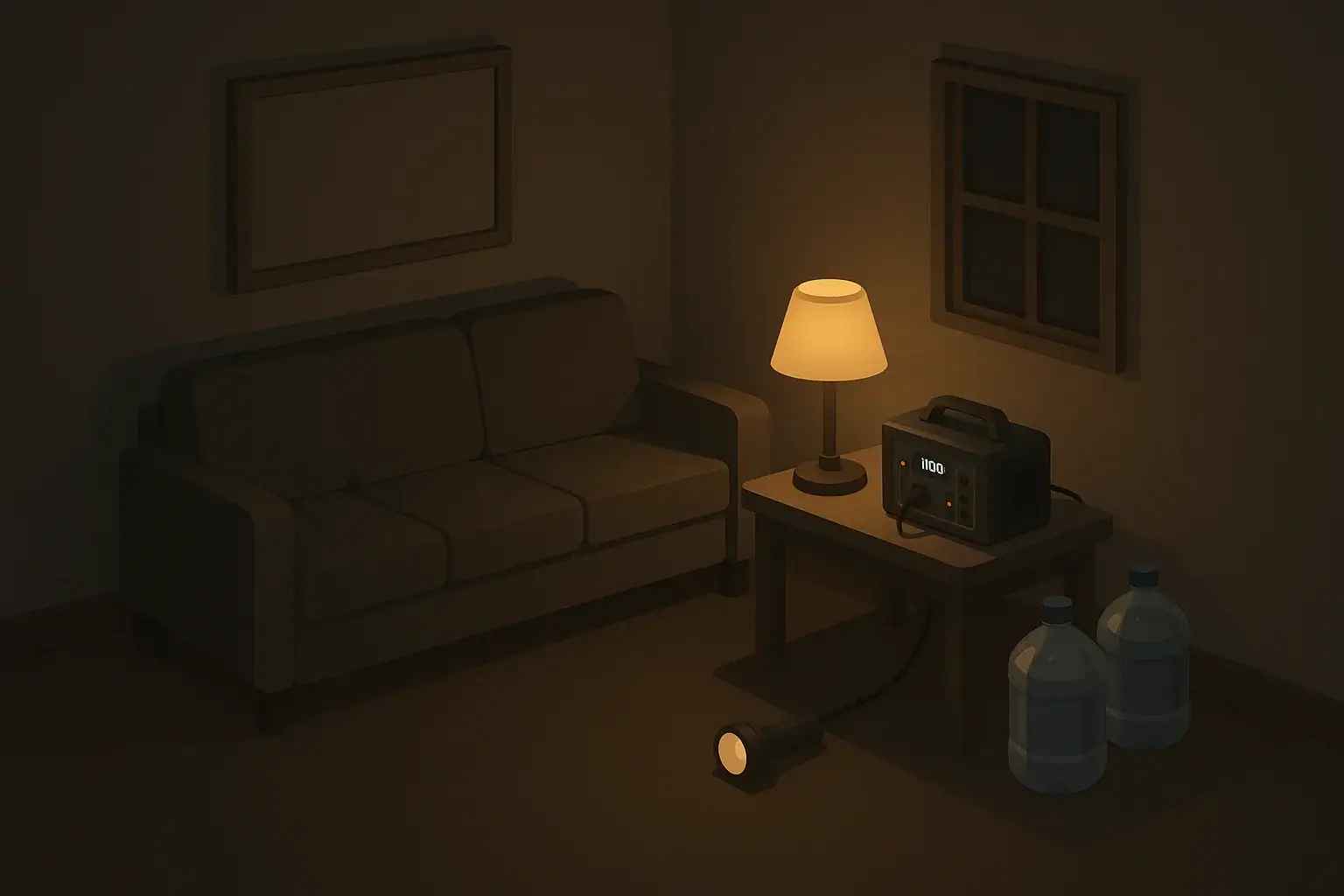
This guide helps homeowners and renters create a straightforward well pump power outage plan so you can keep drinking water, personal hygiene, and toilets working when the grid goes down. It covers how well systems behave during outages, immediate steps to preserve stored pressure-tank water, simple toilet-flushing workarounds, and realistic backup power and water-storage options. The advice is practical for short interruptions as well as longer outages caused by severe weather, and it includes considerations for families, people with limited mobility, and renters. Use these checks and preparations to reduce stress during a blackout and to decide whether storing extra water or investing in a generator makes sense for your home.
Why Power Outages Stop Your Well Pump
If your home uses a private well, a power outage usually means the tap stops running. Most residential well systems rely on an electric pump to move water from underground into a pressure tank and your plumbing. When grid power fails, the pump cannot run, and water delivery stops once stored pressure is used up.
Understanding the basic pieces helps you plan:
- Well pump: Electric motor deep in the well (submersible) or at the surface (jet pump) that lifts water.
- Pressure tank: Stores water under pressure so the pump does not need to run every time you open a faucet.
- Pressure switch and controls: Tell the pump when to turn on and off.
In a typical outage, you may have a short window where water still flows from the pressure tank. After a few toilet flushes, quick handwashing, and maybe a brief sink use, that stored pressure is gone. Without backup power or manual workarounds, the pump cannot refill the system.
A well pump power outage plan is less about fancy equipment and more about three basics:
- Using the remaining water wisely.
- Having simple, stored water options ready.
- Deciding whether a backup power source fits your home.
Immediate Steps When the Power Goes Out
The first minutes of a power outage are your best chance to stretch what is left in your pressure tank and avoid unnecessary stress on your system.
Check Safety First
Before thinking about water, confirm the outage and basic safety:
- See if lights or appliances in other rooms are out.
- Check if neighbors also lost power, if safely visible from home.
- Turn off or unplug sensitive electronics to protect against surges when power returns.
Protect Your Plumbing and Pump
Once you know the outage is real, take quick, simple steps:
- Avoid long faucet use: Every open tap uses up your remaining pressure tank water.
- Pause laundry and dishwashing: These can drain stored water quickly.
- Listen for the pump: If power flickers, frequent short cycling can stress the motor. Give the system time to stabilize when power comes back.
Prioritize Early Water Use
Use the final pressure tank water for high-priority needs only:
- Fill a few jugs or pitchers for drinking and handwashing.
- Fill a bathtub or large bin if you have space, mainly for toilet flushing, not for drinking.
- Explain to family members, especially kids, that water is limited until power returns.
If you live in a multi-story home, remember that water pressure at higher floors may drop first. Fill containers on upper levels early if it is safe and reasonable to do so.
Example values for illustration.
| Action | When to do it | Why it matters |
|---|---|---|
| Confirm outage and check neighbors | First 5 minutes | Separates local breaker issues from wider outages. |
| Turn off sensitive electronics | First 10 minutes | Helps protect devices from surge when power returns. |
| Fill pitchers and bottles | First 15–20 minutes | Captures remaining pressure tank water for drinking. |
| Fill tub or large bin | First 20–30 minutes | Provides non-drinking water for toilet flushing. |
| Pause laundry and dishwashers | As soon as outage begins | Prevents using up stored water on nonessential tasks. |
| Explain water limits to household | Within first hour | Helps kids and guests avoid accidental overuse. |
Planning Water Use for Short and Long Outages
Your well pump power outage plan should match how long outages typically last in your area and who lives in your home. A family on a rural road with frequent storms will plan differently from a couple in a mild climate with rare interruptions.
How Much Water to Plan For
For short-term power outages, common guidance is to aim for roughly:
- At least 1 gallon of water per person per day for drinking and basic hygiene.
- Extra water for pets based on their size (for example, small pets might only need a fraction of a gallon per day, larger dogs closer to a full gallon).
These are planning numbers, not strict rules. You might use more during hot weather, if you have medical or mobility needs, or if children need extra cleaning and comfort. If space is limited, aim for a couple of days of stored water and add more over time.
Water Storage Options for Different Homes
Not every home can store large water barrels. Choose what fits your space and situation:
- Single-family homes with basements or garages: Can often store larger containers or multiple cases of bottled water.
- Apartments or small homes: May rely on smaller stackable containers, pitchers, and under-sink storage.
- Households with kids or older adults: Benefit from containers that are easy to lift and pour, even if that means more, smaller jugs.
Rotate stored water periodically based on the container type and your comfort level. Some people choose to use stored water for cooking or plants every few months and then refill, so the supply stays relatively fresh.
Well Water Safety After an Outage
Most routine outages do not automatically make your well water unsafe, but certain events may raise concerns:
- Severe flooding around the well.
- Visible damage to the well cap, electrical lines, or plumbing.
- Noticeable changes in water appearance or odor when power returns.
In these situations, many homeowners choose to avoid using suspicious water for drinking until they can have the system checked or follow local guidance. Having some stored water allows you to wait calmly instead of rushing to use the tap immediately.
Keeping Toilets Working When the Well Pump Is Off
Toilets can still function during a power outage even if your well pump is off, as long as you have some water available. You do not need running taps to flush.
The Bucket Flush Method
The most practical technique is a simple gravity flush using stored water:
- Fill a bucket with water from a tub, large bin, or stored supply.
- Pour water directly into the toilet bowl (not the tank) with a steady, firm pour.
- The force of the water should trigger a normal flush and clear the bowl.
This avoids removing the tank lid and works with most modern toilets. It also allows you to control exactly how much water you use for each flush.
“If It’s Yellow, Let It Mellow” (Temporarily)
During outages, many households adopt temporary toilet rules to save water, such as delaying flushes for liquid waste while still flushing solids promptly. Discuss this ahead of time so everyone understands and is comfortable with the plan, especially children or guests who may not be used to it.
Households With Limited Mobility
If someone in your home has limited strength or balance, heavy buckets might not be practical. Consider:
- Smaller pitchers or containers that are easier to lift.
- Storing water closer to the bathroom to reduce carrying distance.
- Planning for portable toilet solutions if stairs or long walks to the bathroom are difficult in the dark.
Keep a flashlight or battery-powered lantern in or near each bathroom so nighttime trips remain safe even during a blackout.
Backup Power Options for a Well Pump
If outages are frequent or long where you live, you may want a way to power the well pump directly. This can be helpful but is not the only solution. Backup power involves cost, fuel or charging logistics, and some basic electrical planning.
Understanding Well Pump Power Needs
Well pumps often require more power to start than they do to run. For example, a typical residential submersible pump might draw a moderate amount of power while running but need several times that for a brief moment at startup. This affects the size of any backup power source you consider.
Because of this surge, some smaller portable battery power stations are not well suited for directly running a well pump, even if the running wattage looks okay on paper. Many homeowners instead use these smaller systems for lighting, device charging, and small appliances, while using other approaches for water.
Whole-House Generators
A whole-house generator, permanently installed and often tied into your home’s electrical panel, can usually power the well pump plus many other circuits. Considerations include:
- Professional installation and fuel supply planning.
- Regular maintenance to ensure it starts when needed.
- Deciding which circuits, including the well pump, should be prioritized.
This option is often chosen by homeowners in regions with frequent storms or long rural outages, but it may be more than necessary for short, occasional blackouts.
Portable Generators
Portable generators offer flexibility and can be sized to manage a well pump plus a few other loads. Key points:
- Transfer switch or interlock: A safe, code-compliant way to connect the generator to your home circuits, including the well pump.
- Fuel storage: Decide how much fuel you are comfortable keeping on hand and how you will store it safely.
- Noise and placement: Operate outdoors, away from windows and vents, to avoid carbon monoxide risk.
Many people choose to run a portable generator only for certain hours of the day to conserve fuel, using that time to run the well pump, refrigerate food, and charge devices.
Battery-Based Backup and Solar
Battery power stations and small solar setups are useful for basic home needs during an outage but often are not designed to handle well pump startup loads. Common uses include:
- LED lighting and low-power fans.
- Charging phones, tablets, and small electronics.
- Powering a small modem or router if the internet provider is still up.
In a well pump context, these systems shine when paired with stored water: they keep you comfortable, connected, and safe while you rely on pre-filled containers for water instead of trying to power the pump directly.
Using Stored Water Instead of Powering the Pump
For many households, the most realistic and budget-friendly approach is to plan around stored water and short bursts of generator use, rather than keeping the pump running nonstop.
Fill and Store When You Can
If storms are forecast or outages are likely, you can “pre-load” your system and containers:
- Make sure your pressure tank is full by briefly running water and listening for the pump to cycle off.
- Fill bathtubs or large containers for toilet flushing and cleaning.
- Top off drinking water jugs and pitchers.
During an extended outage with a portable generator, many homeowners run the generator periodically, just long enough to:
- Refill the pressure tank.
- Pump water into larger storage containers.
- Handle other high-load tasks while the generator is already on.
Water Treatment as a Backup Layer
Even with a private well, a simple water treatment method can be useful if your usual supply is disrupted or questionable. Common home-readiness tools include:
- Household water filters for taste and basic sediment reduction.
- Boiling water if you have a safe way to heat it during an outage.
- Other basic treatment methods included in general preparedness guidance.
These methods add flexibility if you ever need to collect water from an alternate source or if you are unsure about water quality after severe weather. Follow reliable, up-to-date instructions from trusted sources for any treatment method you choose.
Families, Renters, and Special Situations
Every household has different constraints. Your well pump power outage plan should be practical for your space, budget, and daily life.
Families With Kids
Children can adapt well to simple routines if they are explained calmly. Consider:
- Keeping labeled (for your use) water containers in easy-to-reach spots for handwashing and toothbrushing.
- Practicing gentle reminders about shorter handwashing and turning off taps.
- Having a small “outage activity kit” so boredom does not lead to unnecessary water use.
Older Adults or People With Mobility Challenges
For households with mobility or health considerations:
- Use smaller, lighter containers for water to reduce lifting strain.
- Stage water on the same floor where sleeping and bathrooms are located.
- Ensure battery-powered lighting is placed to reduce fall risks, especially at night.
Talk through the plan in advance, including how often toilets will be flushed and who will carry water.
Renters in Homes With Wells
If you rent a home with a well, you may not control the pump or electrical setup, but you can still prepare:
- Ask the property owner how the well system works and where the pressure tank is located.
- Clarify whether they have any backup power plans or restrictions on generators.
- Focus on portable water storage and small battery-powered devices that you can take with you if you move.
Regional and Seasonal Considerations
Your local climate shapes your priorities:
- Winter storms: Combine your water plan with freeze protection for pipes, such as keeping some heat in the home if possible and opening cabinet doors near vulnerable plumbing.
- Hurricanes and windstorms: Outages may be longer; consider larger water reserves and a clearer backup power strategy.
- Heatwaves: Higher water needs for drinking and cooling; prioritize shaded storage and limit exertion when carrying water.
Example values for illustration.
| People and pets | Days to cover | Storage approach | Rotation cue |
|---|---|---|---|
| 1–2 adults | 2–3 days | Several small jugs and pitchers | Use and refill during monthly cleaning. |
| Family of 4 with pets | 3 days | Mix of larger containers and bottled water | Rotate when pantry items are reorganized. |
| Multi-generational household | 3–5 days | Larger containers in garage plus smaller jugs indoors | Check and top up at each season change. |
| Apartment couple | 2–3 days | Stackable containers under sinks and in closets | Use for cooking every few months, then refill. |
| Rural home with frequent outages | 5+ days | Multiple larger containers plus bathtub fills before storms | Inspect during regular generator or system checks. |
| Home with large dog | 3 days | Separate marked pet water jug | Refill whenever pet food is restocked. |
Putting Your Well Pump Power Outage Plan in Writing
A simple written plan turns good intentions into actions your whole household can follow, even in the dark. It does not need to be complex or technical.
Consider writing down:
- Where water is stored and which containers are for drinking versus flushing.
- How to perform a bucket flush and when to use it.
- When to run any generator and which circuits it should power.
- Who is responsible for lifting heavier containers, if needed.
- How often to rotate stored water and check supplies.
Keep the plan and a small flashlight in a spot everyone can find. Review it briefly at the start of storm seasons or after any outage. Over time, these routines become familiar, making future power interruptions less disruptive and easier to manage.
Authoritative sources
Safety recommendations can change. Confirm critical details with current official guidance and local authorities.
- CDC: Carbon Monoxide Poisoning Basics
- US EPA: Emergency Disinfection of Drinking Water
- USDA FSIS: Keep Food Safe During Emergencies
Frequently asked questions
How much water will my pressure tank provide during a power outage?
It varies by pressure tank size, pre-outage pressure, and how much water your household uses. Many residential tanks only supply enough pressurized water for a few toilet flushes and short uses, so you should capture drinking water in jugs and conserve water early in the outage.
What is the safest way to flush a toilet when the well pump is off?
Use the bucket flush method: pour a steady, firm amount of stored water directly into the toilet bowl to create the gravity-driven flush. For people with limited mobility, keep smaller pitchers or marked containers near the bathroom or consider a portable toilet option.
Can a portable generator run my well pump?
Possibly, if the generator can handle both the pump’s startup surge and its running wattage and is connected safely using a transfer switch or interlock. Small battery stations often cannot handle startup loads, and any generator must be used outdoors and ventilated to avoid carbon monoxide dangers.
What should renters do to prepare a well pump power outage plan?
Ask the property owner about the well system and any existing backup plans, then focus on portable preparations you control: store drinkable water in easy-to-carry containers, keep battery lighting and charging options, and learn simple toilet and hygiene workarounds. These steps are portable and useful even if you move.
When should I be concerned about well water safety after an outage?
Be cautious if the well area flooded, the well cap or plumbing were damaged, or the water returns with unusual color or odor; in those cases avoid drinking until the system is inspected or the water is tested and disinfected. For routine outages without those signs, water is usually safe, but having stored water lets you wait and verify before drinking.
- Simple checklists and realistic planning
- Water, power, lighting, and pantry basics
- Family plans (kids, pets, seniors) and seasonal prep
Affiliate disclosure
As an Amazon Associate, we earn from qualifying purchases. Some links on this site may be affiliate links. If you buy through these links, we may earn a small commission at no extra cost to you. This helps support our content. Learn more.