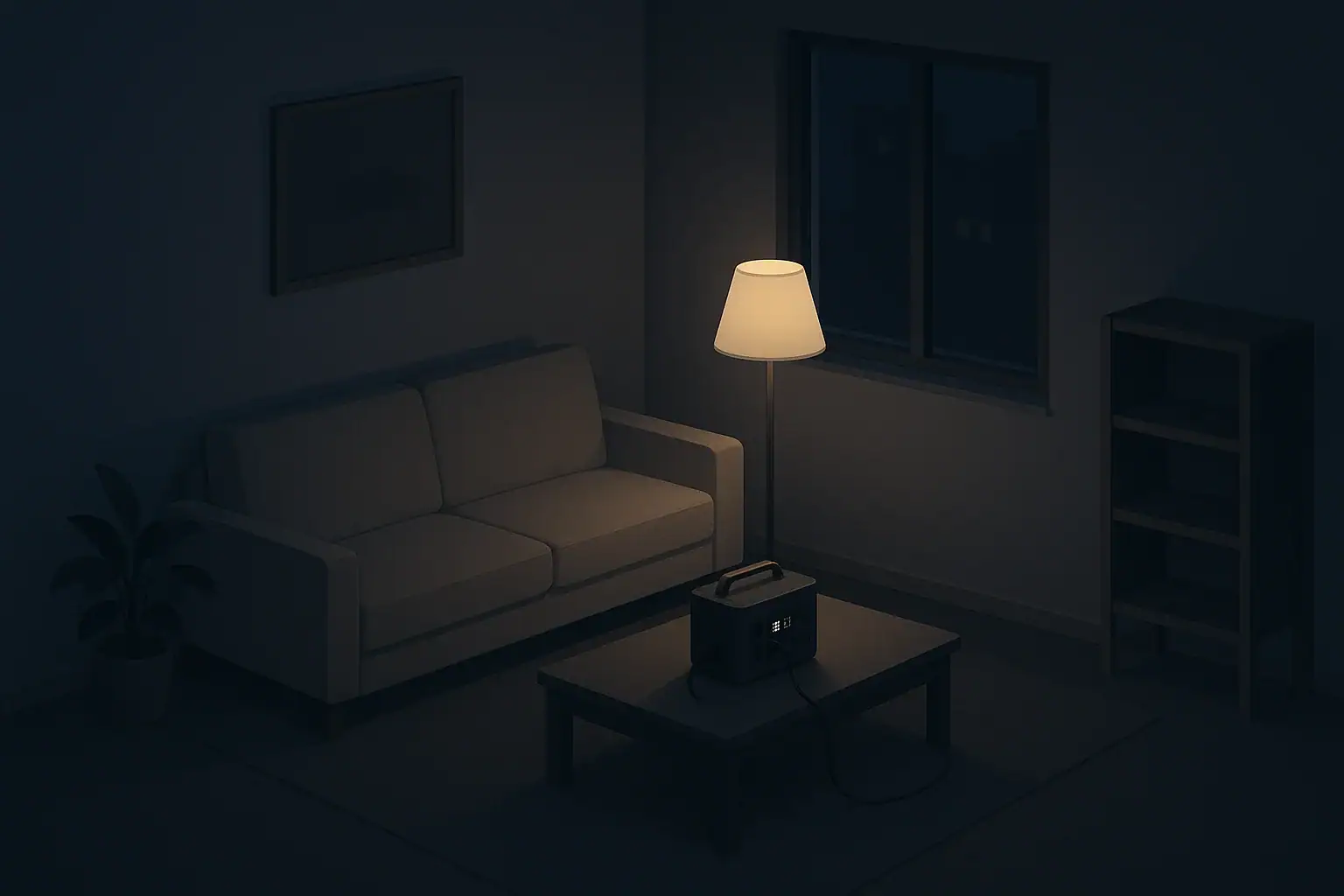
Why High-Rise Blackout Planning Is Different
A power outage in a high-rise apartment affects more than just lights and electronics. Elevators stop, stairwells may be dark, and water pressure can drop in upper floors. A simple, calm plan helps you move safely, stay hydrated, and communicate if you need help.
This guide focuses on practical steps for people living in tall residential buildings in the United States. It is geared toward short-term outages from weather, equipment failures, or localized grid issues, not extreme long-term scenarios.
Because every building is different, combine this guidance with information from your landlord, property manager, or association. They can explain how your specific building handles power loss, water pumps, and emergency lighting.
Know Your Building Before the Lights Go Out
The best time to make a high-rise apartment blackout plan is when the power is still on. A little preparation upfront makes it much easier to stay safe and calm if the lights suddenly go off.
Learn How Your Building Systems Work
Ask your building management or maintenance staff a few focused questions and write down the answers in your phone and on paper:
- Which systems stay on during an outage? (Emergency lighting, fire alarms, hallway lights, lobby access, etc.)
- Do elevators have a backup power mode or do they stop completely?
- How long does stairwell emergency lighting usually stay on?
- Is water pressure affected on higher floors during outages?
- Where are the main stairwells and emergency exits closest to your apartment?
- Is there a building emergency contact number or on-site staff during storms?
Map Your Own Routes and Options
Spend a few minutes walking your building’s common areas during normal conditions:
- Identify at least two stairwells you could use if elevators are out.
- Note whether stairwells have windows or rely entirely on electric lighting.
- Find the safest place outside the building where you could meet family if you needed to evacuate.
- Check how heavy fire doors are and whether they close behind you automatically.
If you or someone in your household has mobility challenges, ask management about the building’s plan for assisting those who cannot easily use the stairs during an outage or fire alarm.
Example values for illustration.
| Task | Why it matters | Notes |
|---|---|---|
| Learn stairwell locations | Safe exit if elevators stop | Walk both primary and backup routes once |
| Ask about water during outages | Plan storage for higher floors | Upper stories may lose pressure first |
| Store a flashlight by the door | Immediate light for halls and stairs | Check batteries a few times a year |
| Create a simple contact list | Reach family if cell service is spotty | Keep a paper copy in your go-bag |
| Prepare basic water supplies | Stay hydrated if taps slow or stop | Small containers are easier to carry upstairs |
| Note building emergency procedures | Avoid guessing during an outage | Save documents or notices in a folder |
Elevators in a Blackout: Getting In, Out, or Staying Put
Elevators are central to high-rise living, but they depend on power. During an outage, you may be trying to reach your apartment, leave the building, or help someone who is stuck. Knowing what to do in each case can reduce stress and risk.
What To Do If the Power Goes Out While You Are in an Elevator
If you are in the elevator when the power fails:
- Stay calm and take a steady breath before acting.
- Use the emergency button or call system inside the elevator to alert building staff or emergency services.
- Do not try to force the doors open or climb out. Elevators are designed for trained rescuers to open safely.
- If you have a phone signal, call the number posted inside the elevator or a trusted contact and explain where you are.
- Conserve phone battery by turning down screen brightness and closing unused apps after you have communicated.
In many buildings, elevators are programmed to move to the nearest floor and open doors when backup power or emergency controls activate, but this is not guaranteed. Follow posted instructions and wait for trained help.
Deciding Whether To Use Elevators as a Storm Approaches
If a severe storm or planned outage is expected, plan your movement in advance:
- Finish elevator trips (laundry, trash, errands) before the weather or outage window begins.
- Consider staying in your apartment once conditions worsen, especially if you live on a higher floor.
- If you must go out, try to avoid being in the elevator at the exact time a storm or scheduled outage is expected to start.
For households with mobility limitations, discuss options ahead of time with building management and your support network. Some people may choose to temporarily stay with friends or family on lower floors or in buildings with more robust backup systems during predictable severe weather seasons.
Planning Around Stairs When Elevators Are Down
When elevators are out, stairs may be your only way to enter or leave your apartment. Plan for that reality before you have to face it in the dark.
- Keep critical items in a small, easy-to-carry bag in case you need to walk down many flights: medications, water, snacks, documents, and a light source.
- If you live very high up and have difficulty with stairs, consider stocking additional supplies so you can comfortably shelter in place for longer if it is safe to do so.
- Talk with nearby neighbors about checking in on each other, especially older adults or families with young children.
Stairwell Safety and Lighting During Outages
Stairwells are critical during a blackout, but they can quickly become dark and confusing. A little preparation helps you navigate them safely if you need to use them.
Emergency Lighting and What It Means for You
Many high-rise buildings have battery-powered emergency lights in hallways and stairwells. These usually turn on automatically when normal power fails and may last for a limited time.
Ask your building management for general information about how long emergency lights typically operate. Treat those lights as a short window for safer movement, not something that will last indefinitely.
Carrying Your Own Light Source
Because emergency lighting is limited, always assume that stairwells could be dimmer than you expect. Simple lighting habits improve safety:
- Store a small flashlight or headlamp near your apartment door for quick grab-and-go use.
- Consider a second light in your bag or pocket when you leave home during stormy weather.
- Use a light with a broad, even beam so you can see steps clearly without blinding others.
- Avoid relying only on your phone flashlight, which drains battery you may need for communication.
Safe Movement in Stairwells
If you do need to use the stairs during a blackout:
- Keep one hand on the railing and move slowly, especially if light is limited.
- Let your eyes adjust for a few moments before starting down darker stairwells.
- Give people going upstairs or with mobility needs extra space and time.
- Do not rush or overload a stairwell with large groups moving at once when it is very dark.
Parents can practice stair use with school-age children during normal conditions, so they know how to hold the rail, walk carefully, and follow directions in an emergency.
Water in a High-Rise Blackout: Storage and Smart Use
In many high-rise buildings, pumps are used to deliver water to upper floors. During a power outage, water pressure can drop or stop altogether, particularly for residents high above ground level. Planning a modest water buffer makes life much easier if taps slow down.
How High-Rise Water Can Be Affected
Water behavior during an outage varies by building. Common patterns include:
- Lower floors may keep normal or reduced pressure for a while.
- Upper floors may experience weak flow, only cold water, or no water at all.
- Toilets may still flush if there is stored water in rooftop tanks or system piping, at least temporarily.
Ask your building staff what typically happens in your complex. Use that information to size your water storage realistically for your space, budget, and comfort level.
Practical Water Storage for Apartments
You do not need large barrels or bulky systems to improve your situation. In small apartments, focus on compact, manageable options:
- Reusable jugs and pitchers that fit under sinks or in closets.
- Stackable containers that can sit along a wall or in a corner.
- Refillable bottles or canteens for each household member.
A common approach is to keep at least several days of drinking and basic use water for everyone in your home. The exact amount depends on your floor level, climate, health needs, and available space. Many households start small and gradually increase their stored water over time.
Using Water Wisely During an Outage
Once the power goes out:
- Fill sinks, tubs, and extra containers early if water is still flowing and there is no immediate contamination concern.
- Reserve stored bottled or container water for drinking and essential food preparation.
- Use tap water in buckets or basins for toilet flushing if necessary.
- Avoid unnecessary dishwashing by using simple, low-mess foods and disposable or easy-rinse dishes if available.
Keep a small supply of basic water treatment items, such as simple filters or disinfection tablets, if they are appropriate for your needs and you understand how to use them safely. These are more useful for longer disruptions or boil advisories than for very short outages, but storing them in advance gives you options.
Power, Lighting, and Communication Basics in a High-Rise
Most high-rise residents cannot safely run fuel-powered generators on balconies or indoors. That makes conservation and small-scale backup options especially important during a blackout.
Battery and Small Backup Power Options
Within apartments, simple battery-powered and rechargeable devices can keep you comfortable for the length of a typical outage:
- Battery-powered lanterns or lamps for room lighting.
- Compact rechargeable battery packs for phones and small electronics.
- If appropriate for your situation, a small indoor-safe power station to run a fan, charge devices, or power a low-wattage lamp.
Think about which devices matter most to you: phone, modem (if allowed by your building and useful during partial outages), a fan during hot weather, or a CPAP or other important medical device if you have guidance from your healthcare provider. Plan battery capacity and usage around those priorities.
Safe Lighting Choices
Open flame in high-rise apartments can be risky, especially in older buildings or units with clutter. Many people prefer safer lighting options:
- LED lanterns and flashlights, which are efficient and long-lasting.
- Battery-powered candles for gentle light without open flame.
- Headlamps for hands-free movement in stairwells or tight spaces.
If you do decide to use candles, place them on stable, non-flammable surfaces, away from curtains or papers, and never leave them unattended or near children or pets.
Staying in Touch
Mobile networks can be busy during large outages. Improve your odds of staying connected:
- Charge phones and battery packs when severe weather is forecast.
- Send text messages rather than making long calls, since texts often go through on weaker connections.
- Have a written list of important numbers: family, neighbors, building office, and local non-emergency numbers.
- Set a simple family check-in plan: who will contact whom, how often, and what to do if messages do not get through.
Special Considerations: Kids, Seniors, and Pets
High-rise blackouts can feel especially disruptive for children, older adults, and pets. A few extra steps can keep everyone more comfortable.
Planning for Children
For kids, the goal is to maintain safety and reduce anxiety:
- Explain, in simple terms, that sometimes power goes out and usually comes back on soon.
- Keep a small flashlight or glow stick just for each child so they feel more in control.
- Prepare low-mess snacks that do not require cooking.
- Have a few quiet, non-electric activities ready: books, puzzles, coloring, or card games.
Supporting Older Adults or People With Mobility Limits
For seniors or anyone who has trouble with stairs or needs powered medical equipment:
- Review what will happen if elevators stop; identify neighbors who can check in.
- Work with healthcare providers to understand backup options for essential medical devices.
- Keep medications organized in one grab-and-go pouch in case you must leave via stairs with assistance.
- Consider arranging temporary stays with friends or family in lower-rise buildings during certain storm seasons if that feels more manageable.
Keeping Pets Safe and Calm
Pets can be unsettled by sudden darkness and unusual noises:
- Store pet food, extra water, waste bags, and a small travel carrier near your main exit.
- Keep a leash or harness in an easy-to-grab spot.
- Have a familiar blanket or toy available to comfort them if you need to wait in a hallway or lobby.
- If your building’s water is affected, remember to include pets when planning stored water needs.
Simple Pantry and No-Cook Meal Planning
In a high-rise blackout, elevators may be down and nearby stores may be closed or crowded. A modest pantry with foods that are easy to eat without cooking helps you avoid extra trips and stress.
Apartment-Friendly Pantry Staples
Focus on compact, shelf-stable foods that you already enjoy and know how to use:
- Canned beans, vegetables, fish, or meat that can be eaten at room temperature.
- Nut butters, crackers, granola, and dried fruit.
- Instant foods that can be prepared with cold or room-temperature water if needed.
- Shelf-stable milk or milk alternatives in small containers.
Store foods you regularly rotate into normal meals. This way, your “blackout pantry” is just part of your everyday kitchen, not a separate stash that gets forgotten.
Managing Food Safety Without Power
Refrigerators and freezers hold cold for a limited time if doors stay closed. In many short outages, food remains safe, but planning helps:
- Keep refrigerator and freezer doors closed as much as possible during a blackout.
- Eat perishable items first once you are confident the outage will last several hours.
- Use ice packs or blocks from the freezer to keep a small cooler cold if you need to access certain foods more often.
- When power returns, check for unusual smells or textures and use general food safety guidance if you are unsure about items.
Example values for illustration.
| Food type | Storage tip | Rotation interval idea | No-cook use |
|---|---|---|---|
| Canned beans | Store with manual can opener nearby | Use and replace every few months | Rinse and eat with spices or dressing |
| Canned fish or meat | Choose small cans for single meals | Incorporate into weekly lunches | Combine with crackers for protein snack |
| Nut butter | Keep one backup jar unopened | Rotate as soon as the main jar is empty | Spread on bread or crackers |
| Dried fruit and nuts | Portion into small sealed bags | Use for quick snacks each month | Eat as trail mix or topping |
| Crackers and granola | Store in airtight containers | Rotate into regular breakfasts | Pair with shelf-stable milk or spreads |
| Shelf-stable milk | Buy smaller cartons for less waste | Use near printed date in normal meals | Drink plain or with cereal |
Putting It All Together: A Calm, Practical Blackout Plan
A workable high-rise apartment blackout plan does not have to be complicated or expensive. Focus on a few key areas:
- Understand how your specific building handles elevators, stairwells, and water when the power fails.
- Keep small, reliable lights and modest water storage where you can reach them quickly.
- Arrange simple communication and check-in plans with family, friends, and neighbors.
- Stock a small pantry of foods you already enjoy that do not require cooking.
By taking these steps when everything is normal, you turn a future blackout from a crisis into a manageable inconvenience. You will know how to move safely, stay hydrated, and ride out short-term disruptions with more confidence and less stress.
Authoritative sources
Safety recommendations can change. Confirm critical details with current official guidance and local authorities.
- CDC: Carbon Monoxide Poisoning Basics
- US EPA: Emergency Disinfection of Drinking Water
- USDA FSIS: Keep Food Safe During Emergencies
Frequently asked questions
How much water should I store for a high-rise blackout plan if I live above the 10th floor?
The CDC recommends storing at least one gallon (about 3.8 liters) per person per day for drinking and basic hygiene; plan for that minimum and add extra if resupply will be difficult. For high floors where pumps may fail sooner, consider keeping a small additional buffer of several liters per person to cover toilet flushing and cleaning for a couple of days.
Is it safe to use a portable generator or run fuel-powered equipment on a balcony during a blackout?
No. Running fuel-burning generators on balconies or indoors creates carbon monoxide and fire risks and often violates building rules or local codes. Use battery-based power stations or rechargeable packs intended for indoor use and always follow safety guidance and building policies.
Should I stay in my apartment or evacuate if elevators stop during a prolonged outage?
If there is no immediate hazard (fire, flooding, structural issues) and you have supplies and a way to meet basic needs, sheltering in place is usually reasonable, particularly from very high floors. Evacuate using stairs when authorities or building management instruct you to do so or if the building becomes unsafe, and coordinate assistance if you have mobility limitations.
What lighting and battery options are best for moving safely in dark stairwells?
A bright LED headlamp or broad-beam flashlight is ideal because it frees your hands and clearly illuminates steps; keep spare batteries or a charged portable power bank nearby. Avoid relying only on your phone flashlight, and store a grab-and-go light by the door for quick access.
How can residents with mobility limitations prepare in a high-rise blackout plan?
Discuss procedures with building management, identify nearby neighbors or on-site staff who can help, and keep a grab-and-go kit with medications, important documents, and supplies at the ready. Work with healthcare providers about backup power for medical devices and consider temporary relocation to a lower floor or another residence during high-risk storm seasons if needed.
- Simple checklists and realistic planning
- Water, power, lighting, and pantry basics
- Family plans (kids, pets, seniors) and seasonal prep
Affiliate disclosure
As an Amazon Associate, we earn from qualifying purchases. Some links on this site may be affiliate links. If you buy through these links, we may earn a small commission at no extra cost to you. This helps support our content. Learn more.