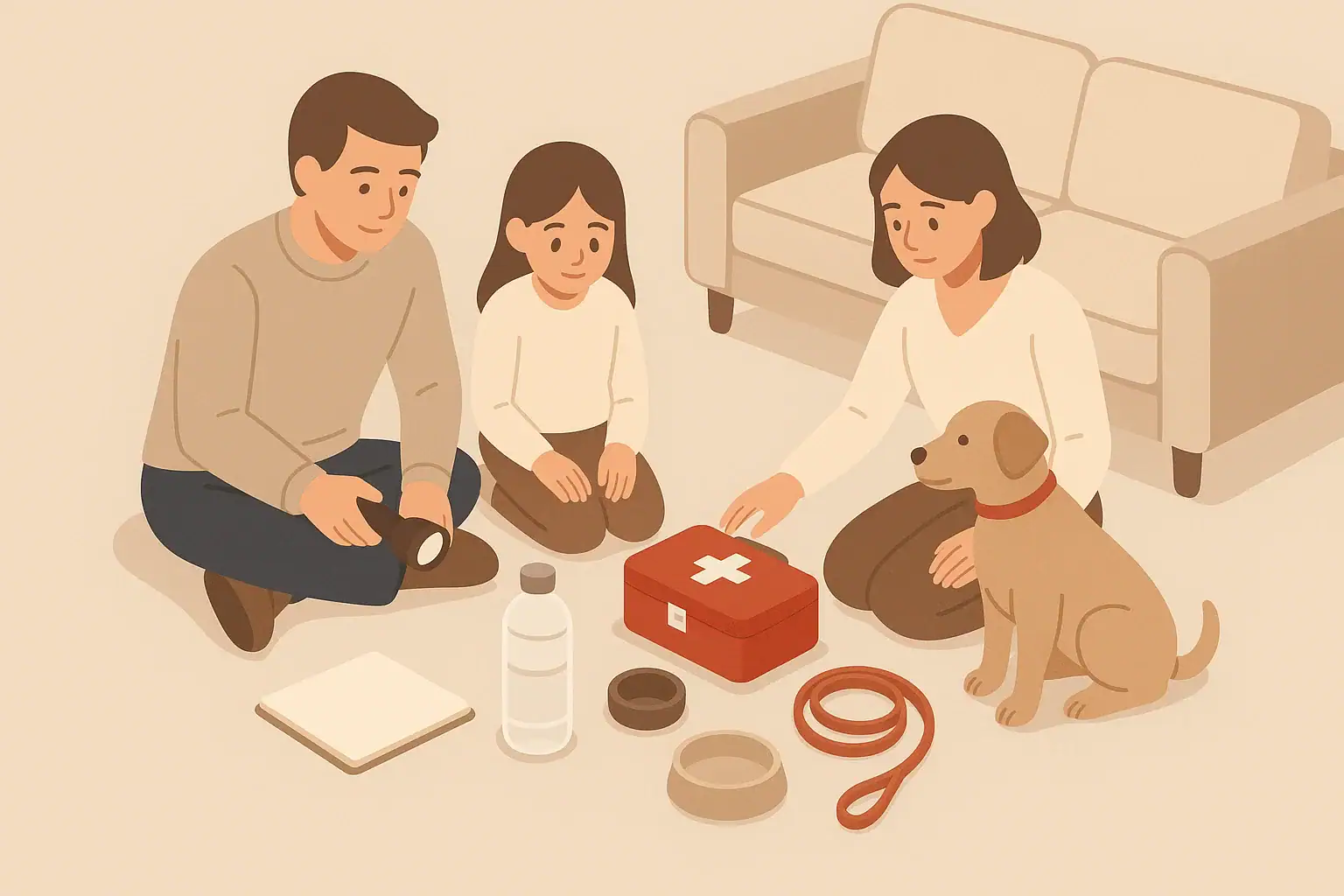
Why Talking About Emergencies Matters for Kids
Emergencies can be unsettling for adults, and even more so for children who have less control and less context. Power outages, severe storms, smoky air from wildfires, or a broken water main are all realistic events that many families in the United States experience at some point. When kids do not understand what is happening, their imaginations can fill in the blanks and create more worry than the situation calls for.
Calm, age-appropriate conversations help kids:
- Understand that some disruptions are normal parts of life
- Know what adults are doing to keep them safe
- Learn simple actions they can take to help
- Build confidence instead of fear
The goal is not to make kids think about disasters all the time. Instead, it is to treat basic readiness like any other life skill, similar to learning to cross the street safely or knowing how to call for help if a caregiver is sick.
General Principles: Prepared, Not Panicked
Before talking with kids about emergencies, it helps to set a calm tone for yourself. Children tend to read adults’ facial expressions, posture, and voice more strongly than the words themselves. When adults are grounded and matter-of-fact, kids usually feel more secure.
Keep the Tone Calm and Practical
Think of emergency conversations as part of everyday safety, not a separate, scary topic. You can say things like:
- “Sometimes the power goes out for a little while. We have a plan for that.”
- “If we ever need to leave home quickly, we already know where to go.”
- “Our job as adults is to keep you safe. Your job is to follow the plan we practice.”
Using simple, steady language communicates that emergencies are manageable situations that families can handle together.
Avoid Overloading Kids With Details
Kids do not need to know every possible risk or scenario. Focus on realistic events for your area and home type, such as power outages, strong storms, short-term evacuation for a nearby fire, heatwaves, or temporary water disruptions. Offer only as much information as they are asking for or can use right now, and keep your examples concrete and brief.
Emphasize What You Can Control
Children feel more secure when they know there are specific actions they can take. For example, instead of focusing on what could go wrong, talk about:
- Where flashlights are kept and how to use them safely
- Who your family would call or text if you are apart
- Where to meet if you need to leave the building
- How to stay away from windows during high winds
Framing the conversation around simple steps reassures children that emergencies are not just random scary events; they are situations with plans and tools.
Example values for illustration.
| Task | Why it matters | Notes for your family |
|---|---|---|
| Decide which emergencies to mention | Avoids overwhelming kids with unlikely scenarios | Choose events common in your area (storms, outages) |
| Pick a calm time to talk | Helps kids listen better and ask questions | Avoid right before bedtime or during a storm |
| Agree on simple family words | Clear, repeated phrases can be reassuring | Examples: “lights-out plan” or “storm plan” |
| Decide what kids can help with | Gives children a role and sense of control | Examples: find flashlight, bring pet leash |
| Review where key items are stored | Reduces confusion during a real event | Show kids kits, do not just describe them |
| Plan a brief practice | Turns abstract ideas into familiar actions | Short walk-throughs are usually enough |
Age-Appropriate Ways to Talk About Emergencies
Kids of different ages understand and react to information in very different ways. Adjust your words and expectations based on their stage, not just their exact age. These are general ranges; you know your child best.
Preschool and Early Elementary (Roughly Ages 3–7)
Young children think in concrete, here-and-now terms. They do not need detailed explanations about causes or statistics. Focus on simple, reassuring messages and routines.
Helpful approaches:
- Use very short explanations: “Sometimes storms make the lights go out. We have flashlights to help us see.”
- Relate emergencies to familiar experiences: “Just like we practice fire drills at school, we practice our home plan.”
- Offer clear roles: “If the alarm beeps, you hold my hand and we walk to the door together.”
- Use play to practice: act out a lights-out plan with stuffed animals or draw a picture of your meeting spot.
Limit their exposure to news or alarming images. If they do see something upsetting, keep your response simple: “That looks scary, but the helpers are there. At our home, we have a plan too.”
Older Elementary (Roughly Ages 8–11)
Children in this range can handle more explanation and can participate in planning. They may also hear stories from friends or see coverage of big events, and they often have more specific questions.
Helpful approaches:
- Explain the basic “why” without dwelling on worst cases: “Heavy snow can knock down power lines, so sometimes power workers need time to fix them.”
- Invite them to help create checklists for a stay-at-home kit or go-bag.
- Teach simple skills like using a flashlight correctly, knowing your apartment number, or memorizing one or two emergency contact numbers.
- Talk through “if/then” scenarios in a calm way: “If we are at the park and there is a strong storm warning, then we go home right away.”
Ask what they already know or think: “What have you heard about wildfires or hurricanes?” Then gently correct misunderstandings and emphasize your family’s specific plan.
Teens (Roughly Ages 12 and Up)
Teens are capable of understanding more complex information and may already be aware of climate, disaster, or safety topics. They can actively help with family readiness and even support younger siblings.
Helpful approaches:
- Involve them in decision-making, such as choosing meeting points or what to include in a small personal kit.
- Discuss how to handle being away from home during an emergency, such as at school, a job, or a friend’s house.
- Review communication plans and backup options if cell networks are busy.
- Acknowledge any worries and pair them with concrete actions: “It makes sense that the news feels heavy. Let’s focus on what is realistic here and what we can prepare together.”
Teens can be powerful role models. Asking them to help younger siblings practice the plan reinforces everyone’s understanding and gives teens a constructive role.
Simple Household Scenarios to Use as Examples
You do not need to talk about every possible emergency. Start with a few everyday scenarios that are likely for your area and living situation. These examples can help you frame calm, practical conversations.
Power Outages in Apartments and Houses
For many kids, a power outage is their first noticeable emergency. Lights do not work, devices may lose charge, and the usual routine changes.
Points to cover with kids:
- What happens: “Sometimes the electricity stops for a while, especially during storms or heatwaves.”
- What adults will do: check flashlights, keep fridge and freezer doors closed, avoid opening outside doors too often in very hot or cold weather.
- What kids can do: stay away from candles unless an adult is right there, know where the family will gather, use flashlights properly.
- Fun distractions: reading together with battery lights, board games, storytelling, or quiet play.
Emphasize that most outages are short and that the family has enough supplies to be comfortable for at least a little while.
Short-Term Water Disruptions
Broken pipes, maintenance, or local issues can occasionally interrupt tap water. Explaining this calmly helps kids understand why routines may change.
Points to cover with kids:
- Why: “Sometimes workers need to fix pipes, so our tap water might be off or not safe to drink for a little bit.”
- What adults will do: use stored water, follow local instructions, and make sure there is enough for everyone to drink and wash hands.
- What kids can do: avoid wasting stored water, use wipes or alternate hygiene supplies if needed, and tell an adult if they notice a leak.
Remind kids that these situations are usually temporary and that planning ahead with extra containers or bottles is part of normal home readiness.
Storms, Smoke, and Extreme Temperatures
Weather events can impact routines even if your home is not directly damaged. Heavy rain, snow, hurricanes, or wildfire smoke can keep families indoors or require temporary changes.
Points to cover with kids:
- Staying indoors: explain that closing windows and doors during smoky or very hot days helps keep indoor air more comfortable.
- Safe spaces: choose a room to gather in high winds or winter storms, away from windows if possible.
- School changes: talk ahead of time about the possibility of remote days or early dismissal and your pickup plan.
- Pets: include how you will keep animals indoors and provide water and comfort.
When you walk through plans in calm weather, kids are less surprised when a real event happens.
Making a Family Plan Kids Can Remember
A written or drawn family plan does not need to be complicated. In many cases, a one-page outline is enough. The key is that everyone, including kids, understands the basics and knows where to find the information.
Core Pieces of a Kid-Friendly Plan
Consider including these elements in simple language or pictures:
- Who is in our household: names of adults, kids, and pets.
- Where we meet: a spot just outside your home for fire or gas alarms, and a nearby safe place if you cannot go back in.
- How to reach each other: main phone numbers written clearly; for younger kids, you can focus on one trusted out-of-area relative or friend as a backup contact.
- What kids do first: such as find a specific adult, grab shoes, or hold hands when exiting the building.
- Special needs: notes about mobility, sensory needs, medical devices that must stay dry or charged, or communication preferences.
For younger kids, you can turn the plan into a simple picture story, labeling rooms, doors, and meeting spots with familiar drawings.
Apartment, Rental, and Small Space Considerations
Families in apartments or rentals may have less control over building systems, but can still create a clear plan that feels safe to kids.
Consider:
- Showing kids the stairwells and exits you would use, without creating fear. Present it like a tour.
- Explaining building alarms in simple terms and practicing what to do when they sound.
- Choosing portable items for go-bags or small kits that can be stored under beds or in closets.
- Talking about where you would go if you had to leave the building for a short time, such as a nearby relative or friend.
Reassure kids that you have already thought about these details so they do not have to worry about them.
Practice Without Pressure: Turning Plans Into Habits
Practicing your plan is one of the most effective ways to reduce fear. The more familiar a routine feels, the less intimidating it is during a real emergency. Practices do not have to be long or dramatic; short, simple run-throughs are usually enough.
Make Drills Kid-Friendly
When you practice, explain what you are doing first: “We are going to pretend the fire alarm beeps so we can practice where to go. This is just practice. We are safe.”
Tips for low-stress drills:
- Keep them brief, especially at first.
- Practice during the day rather than right before bed.
- Use calm voices; avoid shouting unless you are teaching a specific safety word.
- End with something comforting, such as a snack, story, or short game.
For power outages, you can have a “lights-out night” for fun, using only flashlights or battery lanterns for an hour, so kids learn they can still play and read.
Give Kids Specific Jobs
Having a small, clear role gives children a sense of control and responsibility. Examples include:
- Carrying a small flashlight (with adult guidance on battery safety).
- Grabbing a favorite comfort item to bring to the meeting spot.
- Putting the pet leash near the door when you practice evacuating.
- Helping an adult check the stay-at-home kit twice a year.
Keep jobs simple and age-appropriate. For instance, older kids might help check batteries or update a contact list, while younger ones can help count water containers or choose a game for the kit.
Handling Kids’ Questions and Emotions
Even with careful planning, kids may feel nervous about emergencies. Their questions and reactions are natural. You do not need to have every answer; listening and responding honestly, at their level, is often enough.
Listen First, Then Answer Simply
When a child asks a question, try to find out what they are really asking. For example, if they say, “Will a storm break our house?” you might respond with:
- “That is a big question. What made you think of that today?”
- “What do you think happens when there is a big storm?”
After listening, answer briefly and reassure them about your specific situation and plan. You can say, “Our building is built to handle strong weather, and we have a safe room and supplies just in case.”
Acknowledge Feelings Without Adding Fear
It is helpful to let kids know that feeling worried or confused is normal, while also emphasizing safety and support. For example:
- “It makes sense that this feels scary. We can talk about it together.”
- “You might still feel nervous, and that is okay. Remember what we will do first if something happens.”
If a child appears especially focused on worst-case ideas, gently bring the conversation back to common events and your plan: “That would be very rare. What is more likely here is a short power outage, and for that we know exactly what to do.”
Limit Distressing Information
Continuous news, alerts, or social media can make emergencies feel constant, even when your household is safe. One practical step is to limit children’s exposure to repeated coverage of distant events and to turn off alerts that use siren-like sounds when kids are present.
You can explain, “A lot of news talks about things far away. We focus on what is happening here and what we can do as a family.”
Example values for illustration.
| Who to contact | Method | Fallback | Meeting point note |
|---|---|---|---|
| Parent or caregiver at home | Call or text first | Leave simple voicemail or message | Meet at front of building if safe |
| Parent or caregiver at work | Call main work number if known | Text short status update | Wait at school or trusted neighbor |
| Out-of-area relative or friend | Text when local lines are busy | Try call when network allows | They can relay messages between family |
| Neighbor or building friend | Knock only if safe and agreed in advance | Leave a note at their door | Optional safe backup waiting spot |
| School or daycare | Follow posted contact instructions | Use main office phone | Children stay until picked up |
| Family meeting contact card | Kids carry card with key numbers | Memorize at least one number | Card includes main nearby meeting place |
Keeping Readiness a Normal Part of Family Life
The most effective way to talk to kids about emergencies without creating fear is to make readiness feel ordinary. Treat it like seasonal clothing changes or checking smoke detectors: something you do regularly, not a reaction to scary news.
Ideas for keeping the tone steady and low-stress include:
- Reviewing your plan briefly when seasons change, such as before winter storms or summer heatwaves.
- Involving kids in small updates, like rotating pantry items or checking flashlights.
- Talking about helpers in emergencies, such as utility workers, firefighters, and community organizations, to show that many people work together to keep communities functioning.
- Balancing any emergency talk with positive routines and normal play so that safety planning is only a small part of their world.
Over time, these quiet, practical steps help children see that while unexpected things can happen, they are surrounded by caring adults, clear plans, and simple tools to get through short-term disruptions safely.
Authoritative sources
Safety recommendations can change. Confirm critical details with current official guidance and local authorities.
- US EPA: Emergency Disinfection of Drinking Water
- USDA FSIS: Keep Food Safe During Emergencies
- U.S. CPSC: Battery Safety
Frequently asked questions
How do I explain power outages to a frightened preschooler?
Keep the explanation very simple and concrete: say the lights will be off for a little while and you have flashlights to help. Show where the flashlight is and offer a comforting routine, like reading or a quiet game, so they see the situation as manageable.
What specific jobs can I give a 3–7-year-old during an emergency?
Give small, clear tasks such as carrying a child-sized flashlight, holding an adult’s hand when exiting, or grabbing a favorite comfort item for the meeting spot. Keep jobs safe and supervised so the child feels helpful without added responsibility.
How often should families practice emergency plans with children?
Short, low-stress practices once or twice a year are often enough to keep routines familiar, with extra brief refreshers after changes like a move or new caregiver. Make drills short and positive so kids associate them with confidence, not fear.
How can I reduce a child’s anxiety when they see upsetting news about disasters?
Limit their exposure to repetitive coverage and explain, in simple terms, that many stories are about distant places. Focus the conversation on what you have done at home to stay safe and invite questions so you can correct misunderstandings calmly.
What should be on a kid-friendly emergency contact card for older children?
Include the household address, one or two primary phone numbers, an out-of-area contact, and the family meeting spot written clearly. Keep the wording simple so a child can read or show the card quickly if they need help.
- Simple checklists and realistic planning
- Water, power, lighting, and pantry basics
- Family plans (kids, pets, seniors) and seasonal prep
Affiliate disclosure
As an Amazon Associate, we earn from qualifying purchases. Some links on this site may be affiliate links. If you buy through these links, we may earn a small commission at no extra cost to you. This helps support our content. Learn more.