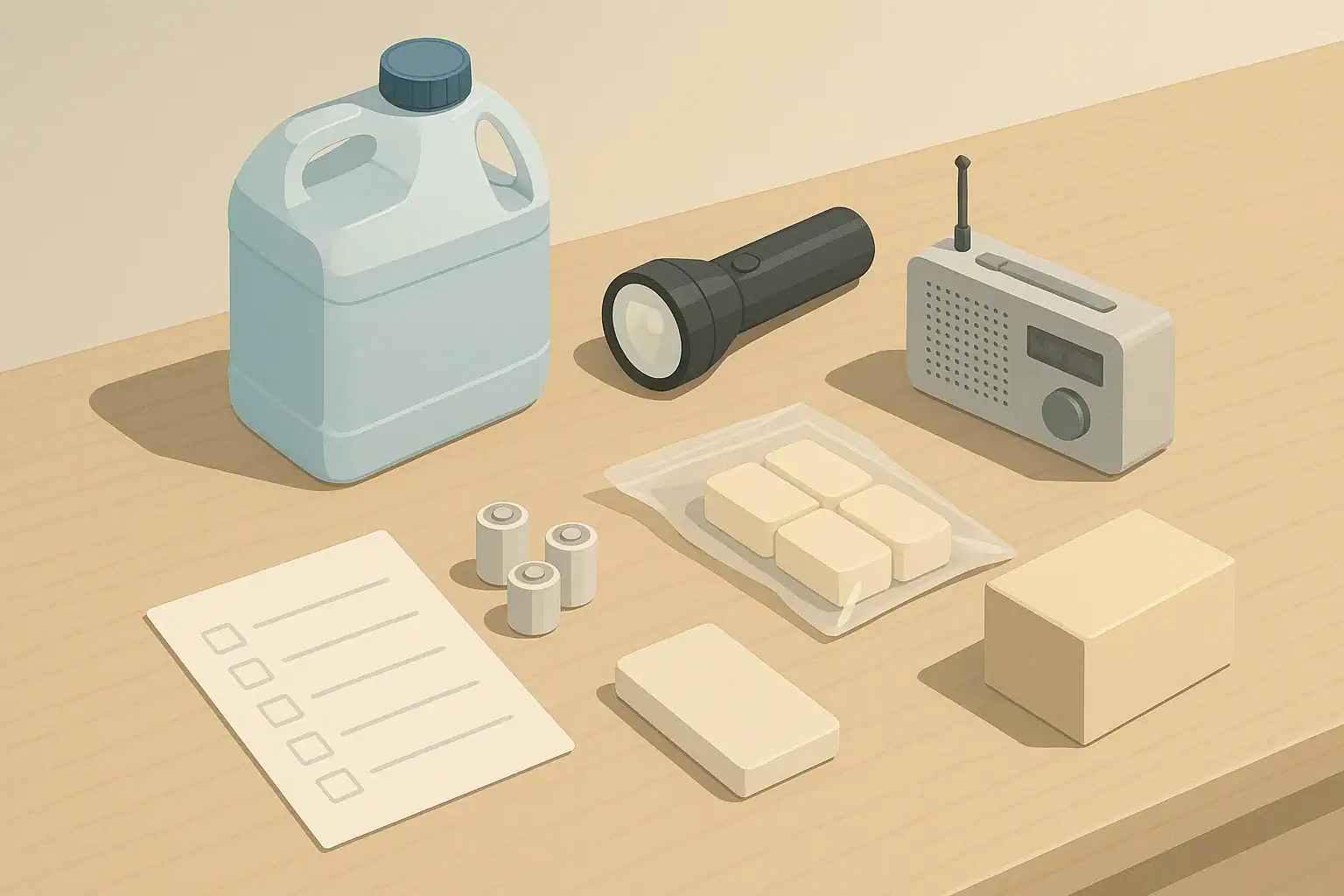
Why Practicing Your Plan Matters
Having a home emergency plan is a strong first step. Practicing that plan, even for just 15 minutes at a time, is what makes it usable when you are tired, stressed, or caught off guard. Short drills help you discover gaps, build confidence, and turn ideas into habits. These quick practice sessions fit into everyday life. You do not need special gear, a large budget, or a rural property. Whether you live in an apartment or a house, rent or own, you can run simple drills that match the most likely events in your area: power outages, water disruptions, short evacuations, or staying put for a couple of days. Think of these drills as routine safety tune-ups. Each one focuses on a single part of your plan, so you can practice with kids, roommates, or older family members without making it overwhelming or scary.How to Set Up a 15-Minute Drill
Before you jump into specific scenarios, it helps to set a basic structure. A simple drill has three parts: plan, practice, and quick review. Keeping it gentle and predictable is especially important when practicing with children, pets, or anyone who may be easily stressed by surprises.Step 1: Choose One Scenario
Pick one realistic situation based on where you live and the season. Examples include:- A 2–4 hour power outage on a weeknight
- Needing to stay home for two days due to a winter storm
- A short notice request to evacuate your building
- A temporary water disruption or boil-water notice
Step 2: Set Clear Start and End Times
Tell everyone in the household that you are doing a short practice, not a real emergency. Say when you will start and when it will end. For a 15-minute drill, you might try:- 5 minutes: simulate the scenario and walk through your plan
- 5 minutes: let each person do their part (grab kit, send text, etc.)
- 5 minutes: review what worked and what to improve
Step 3: Keep It Calm and Age-Appropriate
Frame drills as practice for staying comfortable and prepared, not as a response to frightening events. For younger children, you can compare it to a fire drill at school or a practice game. With older adults, focus on making things easier: labels on drawers, clear paths to exits, and where to find glasses, medications, or mobility aids during a power outage or evacuation.| Drill task | Why it matters | Notes |
|---|---|---|
| Locate flashlights and backup lighting | Reduces stress during sudden darkness | Check batteries and storage spots |
| Practice sending a group text update | Keeps family informed during disruptions | Identify who sends the first message |
| Walk your primary exit route | Reveals clutter and mobility issues | Note tight corners and stairways |
| Grab-and-go bag pickup drill | Saves time in a fast evacuation | Check that bags are reachable |
| Find water and shelf-stable food | Confirms supplies and storage locations | Note missing basics like opener or utensils |
| Paper backup of key contacts | Helps if phones lose power or signal | Store with home or go-bag kit |
| Test manual door and window operation | Ensures exits work without power | Look for stuck locks or heavy frames |
Power Outage Drills You Can Do Tonight
Power outages are among the most common short-term disruptions in many parts of the United States. Practicing for a few minutes at a time helps you handle them calmly when they happen at night, in bad weather, or during extreme heat or cold.Five-Minute Lights-Out Walkthrough
Pick a time when everyone is home and you do not need to cook or use major appliances. Then:- Turn off the main lights in one part of the home (you can leave one light on in another room for safety, especially with children or older adults).
- Use only flashlights, battery lanterns, or other safe lighting for five minutes.
- Have each person practice getting from their bed or main seat to the bathroom and to the front door using your backup lighting.
Silent Kitchen Drill
For five minutes, pretend your stove, microwave, and main lights do not work. Stay safe: do not unplug major appliances or touch electrical panels if you are not familiar with them. Instead, simply choose not to use them during the drill. Then:- Locate a no-cook snack or simple meal that you could eat cold.
- Find manual tools you would need, like a can opener, cups, or utensils.
- Confirm where you keep matches or a lighter if you have a safe, non-electric cooking option and it is appropriate to use it where you live.
Communication Check-In
In many outages, phone networks still work, but home internet and Wi-Fi can go down. Take five minutes to:- Practice sending a short group text update to your main contacts (for the drill, say you are practicing, not that there is a real issue).
- Identify one person outside your immediate area who would serve as a central contact if local lines are busy.
- Confirm that at least one person knows how to find paper copies of key phone numbers.
Water and “Stay-at-Home” Readiness Drills
Short-term events like water main breaks, boil-water notices, or winter storms can mean staying home with limited water or the need to treat it. Practicing now helps your household know what to do if tap water is off or advised against for a day or two.Locate and Count Your Water
In five minutes, walk through your home and:- Point out where all stored water is kept (gallon jugs, larger containers, or smaller bottles).
- Note whether pets have a separate container or whether their water would come from the household supply.
- Check for any containers that are very old, damaged, or stored in hot areas.
Handwashing and Hygiene Without Running Water
Imagine you cannot use your sink for a short period. For five minutes, practice:- Setting up a simple hand-cleaning station using items you already have, such as hand sanitizer, wipes intended for skin, or a small container of stored water and soap.
- Choosing a surface where you would dispose of used wipes or paper towels, like a lined trash can.
- Explaining to kids when to use the station (after bathroom use, before eating, after coming inside).
Two-Meal Pantry Challenge
For five minutes, look at your pantry and fridge and identify two simple meals you could make if you could not go to the store for a day or two. Consider:- One no-cook meal (for example, items that can be eaten straight from the package).
- One low-cook meal that uses minimal energy and water, if safe to prepare.
- Options that work for anyone in the home with dietary restrictions.
Evacuation and Go-Bag Practice
Some emergencies involve leaving your home briefly: a building issue, nearby fire risk, or a request from local authorities. Practicing a calm exit and go-bag grab can save time and reduce stress.Three-Minute Grab-and-Go Drill
Choose a time when everyone is awake and alert. Tell the household you are doing a timed practice, not a real evacuation. Then:- Start a three-minute timer.
- Have each person go to where their go-bag or basic kit is stored and bring it to a central spot.
- If someone does not have a bag, have them grab a simple stand-in, like a backpack.
Exit Route Walkthrough
Next, spend five minutes walking your primary exit path:- From bedrooms to the main door or stairwell in an apartment building.
- From the main living area to your driveway or meeting spot outside.
Family Meeting Spot and Check-In
For the final few minutes of this drill:- Choose a nearby, safe meeting spot (for example, a sidewalk across the street, a corner of the parking lot, or a visible landmark).
- Explain to kids that if you get separated leaving the building, you will meet there.
- Decide who will contact any relatives to say you are safe once you have left.
Quick Drills for Apartments vs Houses
Your living situation affects how you practice. An apartment might have shared exits and building rules, while a house might have more outdoor space but also more responsibilities, such as clearing walkways during winter storms.Apartment-Friendly Drills
In an apartment, keep drills focused on building-specific realities:- Stairwell familiarity: Walk the stairs once in daylight and once at a quieter time. Note where emergency lights and exit signs are located.
- Door and balcony safety: Confirm how windows, sliding doors, or balconies open and close, especially if you rely on them for ventilation during a summer outage.
- Noise and neighbor awareness: Practice keeping drills quiet and brief so they do not alarm neighbors, and know where building notice boards or mail areas are for official updates.
House-Focused Drills
If you live in a house, your drills may involve more outdoor steps:- Utility awareness: Make sure at least one adult knows where the main electrical panel and water shutoff are located and has a basic understanding of their use, according to local guidance.
- Pathway checks: Walk from your main door to your vehicle or street access, noting uneven steps, loose gravel, or clutter.
- Outbuilding and garage access: Practice opening garage doors manually in case the power is out, staying clear of any moving parts.
Including Kids, Seniors, and Pets
Everyone in the household can play a role in short drills. Involving children, older adults, and pets makes your plan more realistic and more likely to succeed.Kid-Friendly Practice Ideas
With children, focus on simple, repeatable tasks:- Let them be the “flashlight captain” who finds and turns on safe lights.
- Teach them to grab a small comfort item and put on shoes during a grab-and-go drill.
- Practice saying your family name and a trusted adult’s first name if you are separated.
Supporting Older Adults or Those With Mobility Limits
For seniors or anyone with mobility or sensory differences, design drills to test and improve accessibility:- Check that walkers, canes, or wheelchairs can move through hallways without obstacles.
- Confirm that nightlights or backup lighting are placed where they provide enough light for safe walking.
- Practice locating essential items like glasses, hearing aids, and medications in low light.
Pet Considerations in Drills
Pets can be startled by alarms, darkness, or unusual activity. During practice:- Gently guide pets into carriers or onto leashes to get them used to the process.
- Show everyone where pet supplies are: food, water bowl, leash, waste bags, and any medications.
- Decide who is responsible for each pet during an evacuation or outage.
| Food type | Storage tip | Rotation interval idea | No-cook use |
|---|---|---|---|
| Canned beans | Store together at eye level | Plan to use within about 1–2 years as a general example | Drain and mix with seasoning for a cold salad |
| Canned vegetables | Group by type for easy access | Use oldest cans first during regular meals | Eat chilled as a side or in a mixed bowl |
| Dry crackers | Keep in a sealed container | Check every few months for staleness | Pair with nut butter or canned protein |
| Nut or seed butter | Store in a cool, dry cabinet | Use regularly and replace when low | Spread on crackers or bread |
| Shelf-stable milk or alternatives | Stack with labels facing out | Rotate into breakfasts every few months | Drink as-is or with cereal |
| Instant oats | Keep in a sealed bag or container | Use in regular breakfasts to refresh stock | Soak in water or milk alternative for overnight oats |
| Canned fruit | Store low to avoid heavy falls | Use older cans in desserts or snacks | Eat chilled straight from the can |
Making Drills a Low-Stress Habit
Short, simple drills work best when they are routine and relaxed. You do not need to practice everything at once. Instead, add a 15-minute drill to moments that already bring the household together, such as a weekend afternoon or after-dinner time once a month. Rotate scenarios through the year: power outage drills before storm seasons, water and pantry checks before holidays, and go-bag and evacuation practice when schedules are less crowded. Each time, pick one small improvement to make afterward, like moving a flashlight, labeling a bin, or printing a contact list. Over time, these brief practice sessions turn your written plans into familiar actions. When an unexpected situation does occur, your household will already know where things are, who does what, and how to stay as comfortable and organized as possible.Authoritative sources
Safety recommendations can change. Confirm critical details with current official guidance and local authorities.
- USDA FSIS: Keep Food Safe During Emergencies
- U.S. CPSC: Battery Safety
- CDC: Guidelines for Cleaning Safely After a Disaster
Frequently asked questions
How often should I run 15-minute emergency drills with my household?
Aim for short drills on a regular schedule — monthly or every 2–3 months is a common approach — and increase frequency during high-risk seasons. Rotate scenarios each time so you cover power outages, water disruptions, and quick evacuations; this keeps skills fresh and reveals different gaps.Can I include children and pets in 15-minute emergency drills without causing anxiety?
Yes. Keep drills calm, predictable, and brief: announce start and end times, assign simple roles (for example, a child as flashlight helper), and avoid sudden loud alarms. Gentle repetition helps children and pets learn routines without becoming overly stressed.What are the most important items to check during a three-minute grab-and-go portion of a drill?
Check that each go-bag is reachable and contains essentials: any required medications, glasses, a phone charger, identification or paper contact list, water, and basic clothing or shoes. Also confirm accessibility of mobility aids and that pet carriers or leashes are ready if you have animals.How can I adapt 15-minute emergency drills for an apartment with stairs and shared exits?
Focus on stairwell familiarity, quiet practice times, and building-specific rules: walk the stair route in daylight and during a low-traffic time, note emergency lighting and exit signs, and choose a nearby meeting spot outside the building. Keep drills brief so they do not alarm neighbors and confirm any building-specific procedures in advance.Do short 15-minute drills actually help during real emergencies?
Yes. Brief, frequent practice builds muscle memory, uncovers logistical problems (like hard-to-reach kits or blocked exits), and reduces decision-making stress in real events. Small, repeated improvements make household responses faster and more coordinated when time matters.About
ReadyHomePlan
ReadyHomePlan publishes practical home readiness guides for outages and short-term emergencies—power, water, food basics, communication, and family planning—without hype.
- Simple checklists and realistic planning
- Water, power, lighting, and pantry basics
- Family plans (kids, pets, seniors) and seasonal prep
Affiliate disclosure
As an Amazon Associate, we earn from qualifying purchases. Some links on this site may be affiliate links. If you buy through these links, we may earn a small commission at no extra cost to you. This helps support our content. Learn more.