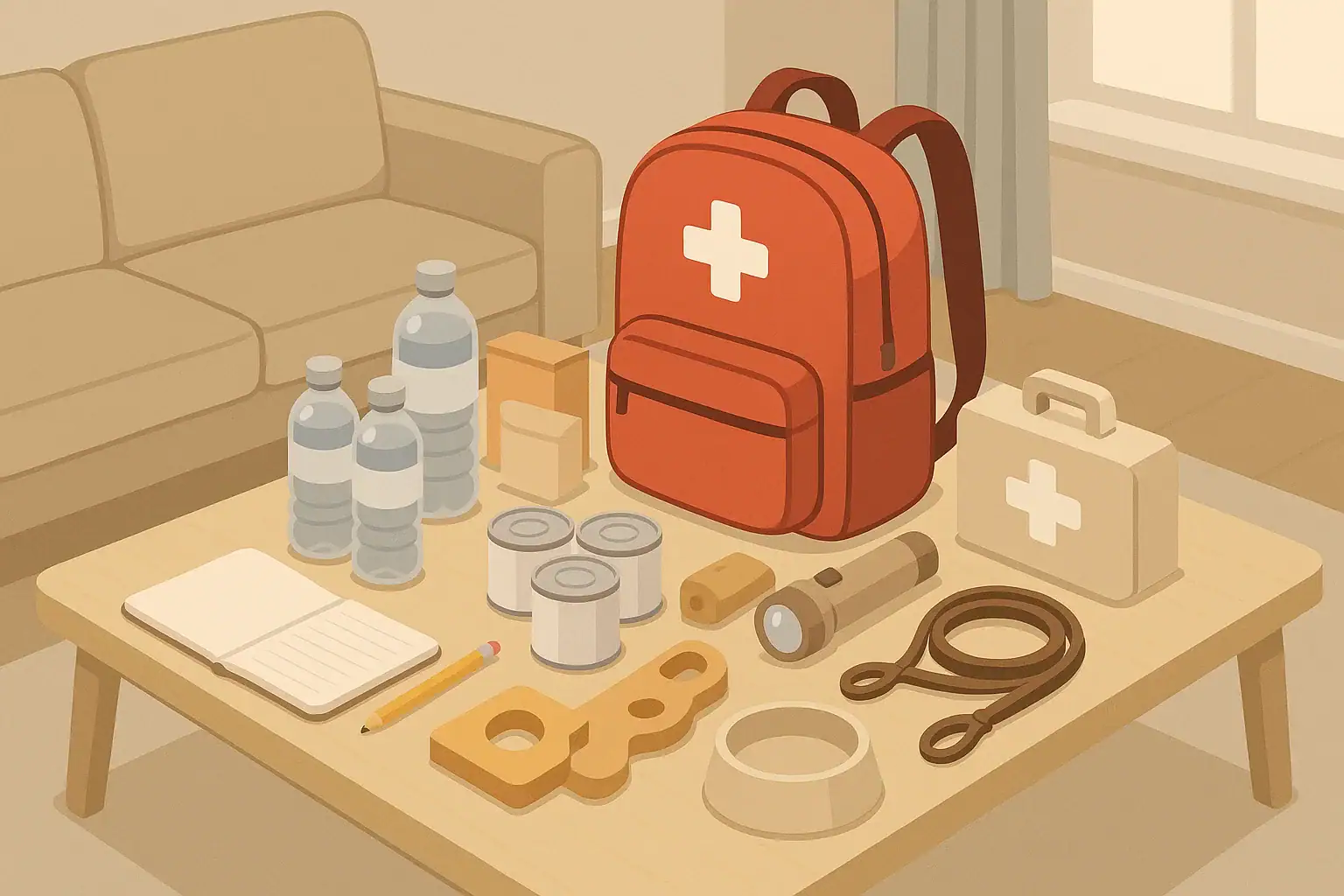
Why Multi-Pet Households Need a Simple System
Living with multiple pets often means extra food bags, more water bowls, and a lot of small items scattered around the home. In normal times, this can just feel cluttered. During a power outage, winter storm, or short-term water disruption, it can quickly become confusing: which food is freshest, where the backup litter is stored, or how long the open treats have been sitting out.
A simple storage and rotation system helps keep your multi-pet home calm and predictable. You do not need a large house or a dedicated room. With a few shelves, clear labels, and simple habits, you can:
- Know exactly how much pet food and water you have on hand
- Use up older items first so less goes to waste
- Grab what you need quickly during short-term disruptions
- Keep everyday clutter down in apartments and small spaces
The goal is not to build a survival bunker. It is to make daily life easier and be reasonably ready for common events like a three-day power outage or being stuck at home during a storm.
Step 1: Map Out Your Pet Essentials
Before buying extra supplies, list what each pet actually needs in a typical week. This makes your storage system realistic instead of guesswork. Consider dogs, cats, small animals, and other pets separately if their needs differ.
Core categories for every pet
Most multi-pet homes can group items into these categories:
- Food: dry, wet, fresh, or frozen food; treats used daily
- Water: daily water plus simple backup for disruptions
- Litter and waste supplies: litter, waste bags, cleaning supplies
- Comfort and containment: leashes, carriers, harnesses, crate liners
- Basic care items: grooming tools, extra bowls, simple first-aid basics for minor issues
- Documents and records: vaccination records, contact info for your vet and emergency caregiver
Estimate how long you want to be covered
For power outages or storms, many households feel comfortable with about one to two weeks of pet food and basic supplies on hand. Apartments with limited space might start with three to seven days. Choose a time frame that fits your space and comfort level.
- Count how many pets you have and their approximate daily intake
- Multiply by the number of days you want covered
- Round up slightly to account for small measurement differences
This rough estimate gives you a target for how much to store and rotate regularly.
Example values for illustration.
| Task | Why it matters | Notes |
|---|---|---|
| List each pet and daily food amount | Prevents under- or over-stocking food | Include treats only if used daily |
| Choose target days of coverage | Aligns storage with real space limits | Common range is 7–14 days |
| Identify one main storage area | Reduces clutter and lost items | Closet shelf or low cabinet works |
| Group supplies by category | Makes grab-and-go easier in outages | Food, water, litter, comfort, documents |
| Label bins for each pet or species | Avoids mix-ups in multi-pet homes | Especially helpful for special diets |
| Note simple rotation reminders | Keeps food and treats moving regularly | Attach a small card or sticker |
Step 2: Design a Simple Storage Layout
A reliable system is more about where and how you store items than about buying special containers. Start with the space you already have and aim for clear zones.
Create zones for everyday vs backup
To keep things manageable, divide supplies into:
- Everyday use zone: items you open and use daily
- Backup zone: unopened or rarely used items kept for disruptions
In a small home, these can be on different shelves of the same cabinet. The important part is clearly knowing which is which.
Tips for small spaces and apartments
- Use under-bed bins for backup litter, pads, or extra food
- Store pet carriers nested together in a closet with leashes and harnesses inside
- Assign one low shelf in a hall or kitchen cabinet for backup pet food only
- Place a small, lidded bin by the door with leashes, waste bags, and a compact towel
For safety, avoid storing pet food or treats where they can be easily chewed open. Keep heavier items low to prevent falling during bumps or minor shaking.
Step 3: Build a Simple Rotation Habit
Rotation means using the oldest items first and placing new items at the back. This keeps food, treats, and basic supplies fresher without complicated tracking.
First-in, first-out (FIFO) for pet food and treats
Apply a basic “first-in, first-out” approach:
- When you buy new food, place it behind or under the older stock
- Finish open bags or cans before opening new ones when reasonable
- Use a marker to note the purchase month on the package
Decanting dry food into a sealed container can help with pests and clutter. If you do this, keep the original bag or a photo of the bag where you can access feeding directions and other information if needed.
Simple schedule ideas that fit daily life
Instead of tracking every item individually, pair rotation with routines you already have:
- Once a week: check food bins, refill daily containers, move newer food to the back
- Once a month: glance over treats, litter, and waste bag supplies
- Twice a year: review your backup stock around time changes or another recurring date
For multi-pet households with different diets, store each pet’s backup food in a labeled bin or basket. This reduces the chance of grabbing the wrong food during a rushed moment.
Step 4: Water and Sanitation for Multiple Pets
Pets rely on your household water supply just as much as people do. Short-term disruptions from line breaks, storms, or repairs are common in many areas. A simple plan for water and sanitation will make those days less stressful.
Planning water for pets
A common planning approach is to estimate a modest amount of water per pet per day and keep a small cushion. Actual needs vary by species, size, and weather, so consider your specific pets.
- Store water in sturdy containers you can lift and pour comfortably
- Keep at least a few days of pet water separate from your main household supply
- Rotate stored water by using it for cleaning or plants and refilling periodically
Label one or two containers as “pet priority” so you know which to use last during a disruption.
Litter, waste, and odor control
When you cannot take out trash or use plumbing normally, pet waste can build up. Simple preparation can help keep the home sanitary and more comfortable.
- Keep a small reserve of litter or absorbent material
- Store extra waste bags and a dedicated trash receptacle with a closing lid
- Have basic cleaning supplies like paper towels and a mild, pet-safe cleaning solution
If you live in an upper-floor apartment, think through where sealed waste bags will go if trash collection is delayed. A sturdy bin with a tight lid on a balcony or in a corner may help manage odors until collection resumes.
Step 5: Organizing for Power Outages
Power outages affect more than just lighting. Automatic feeders, filters, climate control, and even access to building elevators can be disrupted. Multi-pet homes benefit from a small, clearly organized outage kit.
Outage essentials for pets
In one labeled bin or basket, gather:
- Manual feeding scoops or cups if you usually rely on automatic feeders
- Simple battery-powered lighting (such as a small lantern or flashlight)
- Backup bowls or shallow containers for food and water
- Portable litter or waste supplies if you may be limited to one room
- A basic list of each pet’s needs in case another adult or older child is helping
Keep this outage kit near your main pet storage zone, but positioned so you can reach it even if the room is dark.
Climate comfort in short outages
Most homes can tolerate short changes in temperature, but pets may need extra comfort during longer events in very hot or cold weather. Without making medical claims, you can generally prepare with common-sense items:
- Extra blankets or towels for warmth in winter outages
- Access to cooler parts of the home, like lower floors or shaded rooms, in hot conditions
- Battery-powered fans stored safely, if appropriate for your climate and home
For pets in enclosures that rely on electric heat or filtration, think through how long they can safely be without those systems and what simple steps (such as moving the enclosure to a more stable room) you can take during short disruptions.
Step 6: Simple Grab-and-Go Organization
Not every disruption is a stay-at-home situation. Localized building issues, short-notice repairs, or minor evacuations may require you to leave temporarily with your pets. A small, pre-planned grab-and-go setup saves time and reduces stress.
Pet go-bag basics
For multi-pet households, you can organize one shared bag plus individual carriers or leashes. Consider including:
- Portable food and water containers with a modest amount of food
- Compact water bottle or collapsible bowl
- Waste bags, a small roll of paper towels, and a cloth towel
- Extra leash, harness, and collar where applicable
- Copies of key documents in a resealable plastic sleeve
Store this bag near your main exit or with your human go-bags, and review contents a few times a year to keep items current.
Labeling and documentation
Clear labeling avoids confusion, especially if more than one person might handle pet care during a busy moment.
- Attach a simple tag or card to each carrier with the pet’s name and basic information
- Keep a list of emergency contacts and your preferred veterinarian in your pet document folder
- Note any important routine (such as feeding times) on a small card in the main pet bin
These small steps help temporary caregivers follow your pets’ ordinary routines more closely, which can make short-term disruptions easier on everyone.
Step 7: Integrating Pet Supplies into Overall Home Readiness
Your pet storage and rotation system works best when it is part of your broader home readiness plan. Instead of treating pet supplies as an extra project, fold them into the same habits you use for your own pantry, water, and lighting.
Aligning pet food with pantry rotation
Many households already rotate shelf-stable foods for people. You can use the same rhythm for pet food:
- When you check expiration dates in your pantry, glance at pet food dates too
- Plan to use up older pet food a bit earlier than its printed date when practical
- Keep a short note on your fridge or inside a cabinet door with your rotation routine
Pet food does not need an elaborate tracking system. Linking checks to existing household tasks makes rotation more automatic.
Water storage planning with pets in mind
When you plan water for your household, remember to add a small buffer for pets. The exact amount you choose will depend on your space, climate, and comfort level.
Example values for illustration.
| People and pets | Days of coverage | Storage approach | Rotation cue |
|---|---|---|---|
| 1 person + 1 small pet | 3 days | A few medium containers stored in kitchen | Use and refill every 1–2 months |
| 2 people + 2 medium pets | 5–7 days | Mix of larger jugs and smaller bottles | Rotate with seasonal closet or pantry checks |
| Family + multiple pets | 7–10 days | Dedicated shelf or corner with stacked containers | Review during twice-yearly home maintenance |
| Apartment with limited space | 3–5 days | Flat containers under bed or sofa | Rotate when washing bedding or rearranging |
| House with outdoor access | Flexible | Indoors for safety; outdoor hose as secondary source | Check when servicing outdoor faucets |
| Shared household with roommates | 3–7 days | Labeled containers per person and shared pet supply | Rotate when splitting utility or household chores |
Keeping the System Simple and Sustainable
A storage and rotation system for multi-pet households does not need to be perfect to be useful. Focus on a few clear zones, modest backup supplies, and simple routines tied to tasks you already do. Over time, you can adjust the amount of storage, the layout, and the schedule to match your home, your pets, and the kinds of minor disruptions that are most likely in your area.
By keeping the plan realistic and easy to maintain, you support both everyday convenience and calm, practical readiness for the short-term challenges that are a normal part of home life.
Authoritative sources
Safety recommendations can change. Confirm critical details with current official guidance and local authorities.
- US EPA: Emergency Disinfection of Drinking Water
- USDA FSIS: Keep Food Safe During Emergencies
- U.S. CPSC: Battery Safety
Frequently asked questions
How much extra pet food should I store per pet for short-term disruptions?
Estimate each pet’s average daily intake and multiply by the number of days you want covered; common targets are 3–14 days depending on space. Add a small cushion (10–20%) to account for measurement differences or higher intake during stress. Adjust amounts for species, size, and special diets.
What is the simplest rotation method for dry pet food in a multi-pet household?
Use a first-in, first-out (FIFO) approach: place new purchases behind older stock and mark purchase month on packages. If you store food in sealed containers, keep the original bag or a photo of it for feeding guidelines. Pair rotation checks with an existing weekly or monthly household task to make it automatic.
How can I store pet supplies safely in a small apartment?
Create clear zones using under-bed bins, one low shelf, or a single cabinet for backup items and keep everyday items separate. Use lidded containers for odor and pest control and store heavier items low to reduce the risk of falling. Avoid leaving food where pets can reach and chew packaging.
What should be included in a multi-pet grab-and-go bag for short evacuations?
Include a modest supply of food and water, a collapsible bowl, waste bags, extra leashes or harnesses, and copies of key documents in a resealable sleeve. Keep the bag near your main exit and review contents every few months to replace expired items. For multiple pets, add carriers or clearly labeled items for each animal.
How should I plan water storage specifically for pets?
Estimate water per pet per day based on species and size and store that amount in sturdy, easy-to-lift containers. Keep at least a few days of pet-priority water separate from household reserves and rotate it periodically by using and refilling. Label containers so you know which are designated for pets and use rotation cues tied to household tasks.
- Simple checklists and realistic planning
- Water, power, lighting, and pantry basics
- Family plans (kids, pets, seniors) and seasonal prep
Affiliate disclosure
As an Amazon Associate, we earn from qualifying purchases. Some links on this site may be affiliate links. If you buy through these links, we may earn a small commission at no extra cost to you. This helps support our content. Learn more.