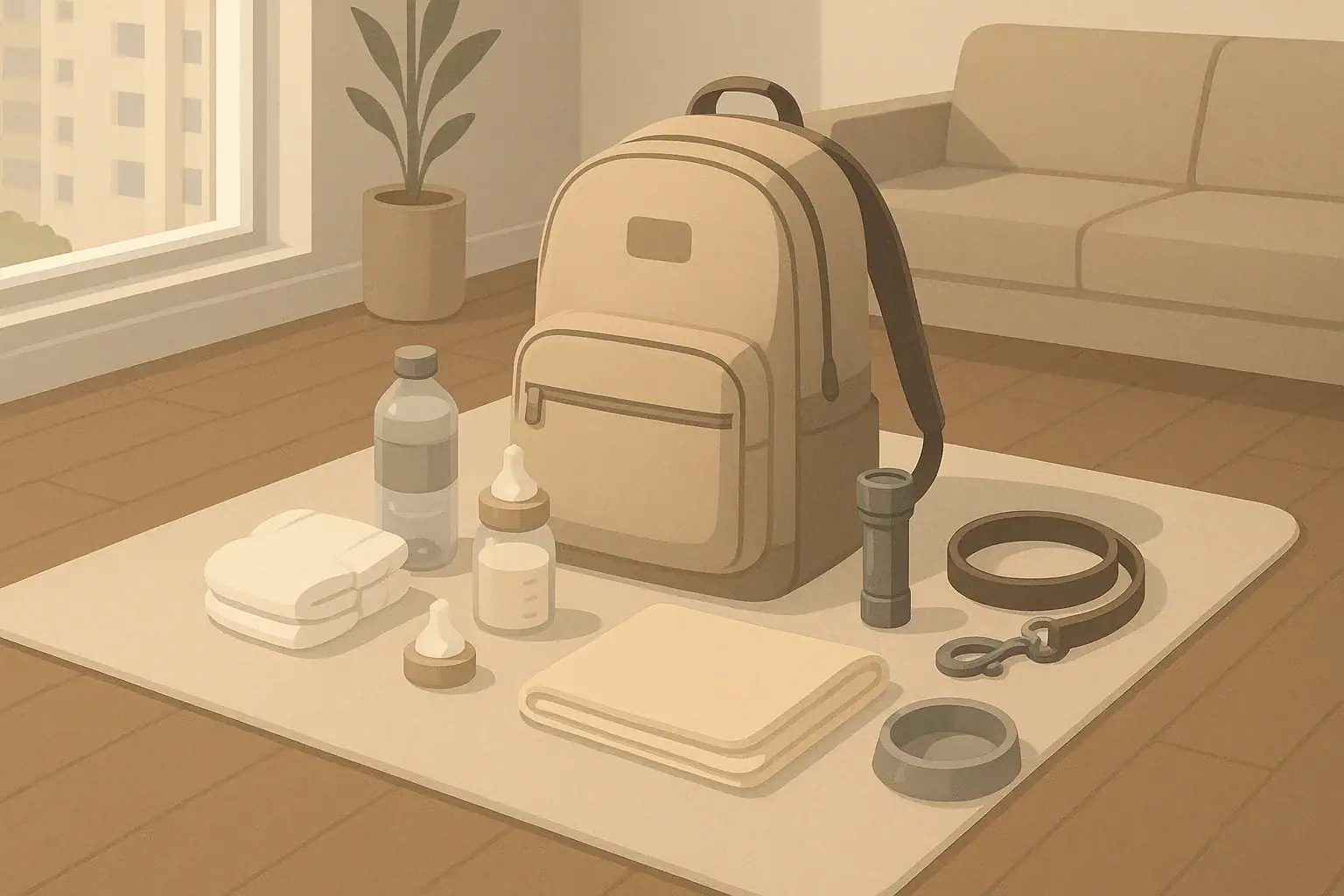
Babies rely completely on adults for food, hygiene, and comfort. In a short-term emergency like a power outage, water disruption, or winter storm, your regular routine can change quickly. Having a basic plan and a small home kit helps you care for your baby calmly, whether you live in an apartment or a house.
This guide focuses on three foundations of baby readiness:
- Feeding supplies, including formula planning
- Diapers and basic hygiene
- Safe water for mixing formula and simple cleaning
The goal is not extreme stockpiling. Instead, it is building a realistic buffer so you can handle a few days of disruption without panic.
Every baby and family is different. Some babies are breastfed, some use formula, and many families do a combination. An emergency plan should work with your current feeding method and provide a margin of safety.
Why an Emergency Plan for Babies Matters
Babies rely completely on adults for food, hygiene, and comfort. In a short-term emergency like a power outage, water disruption, or winter storm, your regular routine can change quickly. Having a basic plan and a small home kit helps you care for your baby calmly, whether you live in an apartment or a house.
This guide focuses on three foundations of baby readiness:
- Feeding supplies, including formula planning
- Diapers and basic hygiene
- Safe water for mixing formula and simple cleaning
The goal is not extreme stockpiling. Instead, it is building a realistic buffer so you can handle a few days of disruption without panic.
Feeding Basics: Formula, Breast Milk, and Simple Backups
If You Use Formula
Formula feeding in an emergency is mainly about three things: having enough formula, having safe water, and keeping everything as clean as possible.
Consider keeping:
- A small buffer of your baby’s usual formula, rotated into everyday use
- At least a few days of extra supply beyond what you normally keep on hand
- Single-use, ready-to-feed containers if your budget and storage space allow, since they do not require mixing
Store extra formula in a cool, dry place, away from direct sunlight. Check dates regularly and use the older containers first in your normal routine.
If You Are Breastfeeding
Breastfeeding can simplify feeding during emergencies because it does not rely on water, refrigeration, or mixing. Still, a plan is helpful. Think about:
- How you will stay hydrated so your body can keep up with feeding demands
- How you will stay as rested and comfortable as possible, especially during power outages
- What you will do if you occasionally use pumped milk and the power goes out
Some families freeze extra breast milk during normal times. If you lose power, try not to open the freezer more than necessary to keep it cold. Use stored milk before it warms for too long, based on your usual guidance from your baby’s care team.
Bottles, Cleaning, and Low-Water Workarounds
In a typical day you probably rely on hot water and plenty of soap for bottle cleaning. During a short-term disruption, you may need to adjust. Helpful steps include:
- Keeping a small bottle brush and fragrance-free soap with your baby supplies
- Setting aside a basin or clean container just for washing baby items
- Planning to boil water on a safe heat source if needed for cleaning or mixing formula
If water is limited, you can prioritize cleaning bottle nipples and parts that directly contact milk or formula. Disposables like single-use bottle liners can reduce the amount of washing required, if they fit your budget and storage space.
Example values for illustration.
| Task | Why it matters | Notes |
|---|---|---|
| Keep extra formula or feeding supplies | Reduces stress if stores are closed or roads are unsafe | Aim for a few days of added supply as space allows |
| Rotate formula into regular use | Helps you use products before dates pass | Place newest containers in back, use older first |
| Store a bottle brush and mild soap together | Makes it easy to clean bottles during disruptions | Keep them in a labeled bin or basket |
| Set aside a small washing basin | Gives you a dedicated spot if sink use is limited | A simple plastic tub or large bowl can work |
| Plan a backup heat source for boiling water | Supports safe formula prep if power is out | Use only heat sources designed for indoor safety |
| Identify a dark, cool storage spot | Helps protect formula quality | Top of a closet or interior cabinet often works |
Diapers, Wipes, and Simple Hygiene Planning
Diapers and basic hygiene are central to keeping a baby comfortable and preventing skin irritation. In an emergency, deliveries may be delayed and stores may have limited stock, so having a buffer at home is reassuring.
How Many Diapers to Keep On Hand
Babies can go through many diapers per day. Some families aim to keep at least several days’ worth of diapers beyond their usual on-hand amount. The exact number depends on your baby’s age, size, and how often they are changed.
Rather than focusing on a single perfect number, think in ranges. You might choose a target like:
- A basic buffer that covers a typical long weekend
- A larger buffer if you live in an area with frequent winter storms or hurricanes
Store extra diapers in a dry place, such as a closet shelf or under-bed container. Rotate into your everyday use, bringing older packages forward.
Wipes, Creams, and Low-Waste Options
Disposable wipes are convenient, but they take up space. For emergencies, you can:
- Keep an extra pack of your usual unscented wipes in your kit
- Store a small bottle of mild soap suitable for babies
- Set aside a few soft, washable cloths that can be used with clean water
If water is limited, use wipes for the messiest changes and save water and cloths for more routine cleanups. Avoid flushing wipes; place used ones in a lined trash bag that you can seal tightly.
Cloth vs Disposable Diapers in Emergencies
Both cloth and disposable diapers can work in an emergency. The best option for your family depends on your space, access to water, and laundry options.
- Disposable diapers reduce laundry needs but require trash storage and more space for backup supplies.
- Cloth diapers reduce trash but require reliable access to water and a way to dry them.
Some families combine both: disposables for times when water is limited, and cloth when washing is easier. If you normally use cloth, it can still be useful to keep a small pack of disposables for backup.
Managing Trash and Odors
During power outages or water disruptions, trash pickup may be delayed. Plan for safe, contained diaper disposal:
- Keep extra garbage bags or small scented-free liner bags
- Double-bag heavily soiled diapers if pickup is delayed
- Store sealed bags in a cool, shaded place until collection resumes
If you have pets, keep trash containers out of reach to prevent tearing or spreading of waste.
Safe Water Basics for Babies
Safe water is essential for mixing formula, rinsing bottles, washing hands, and basic cleaning. In short-term emergencies, tap water may be unavailable or may require boiling. Planning ahead helps you adapt calmly.
How Much Water to Plan For
Emergency water needs are often described in general terms for adults, but babies have specific uses. When planning, think about three categories:
- Drinking and formula mixing for the baby
- Handwashing and quick cleaning for caregivers
- Rinsing bottles, nipples, and small items
For a short disruption of a few days, some families set aside several gallons of water dedicated to the baby and caregiver hygiene. The exact amount depends on your baby’s formula use and how many people provide care.
Storing Water Safely at Home
Water can be stored in several ways, even in small apartments:
- Sealed, commercially bottled water kept in a cool, dark place
- Clean, food-safe containers filled from the tap before a known storm or event
- Smaller, easy-to-carry bottles kept in a baby go-bag or car kit
Label any containers you fill yourself with the date you filled them. Use and refresh them regularly so water does not sit unused for very long periods.
Boiling and Treating Water
If you are told to boil water, or if you are unsure about its safety, boiling is a common household method to make water safer for mixing formula or washing baby items. To use this method, you need:
- A safe heat source suitable for indoor use
- A clean pot with a lid
- Time for the water to cool before use
Boiling water uses energy and time, so having some pre-stored safe water as a backup can reduce how often you need to boil. If you use water treatment tablets or filters for general emergency planning, always check whether they are appropriate for water used in infant formula, and follow the instructions that come with those products.
Water for Hygiene and Cleaning Around Babies
Handwashing before feeding and after diaper changes is especially important when services are disrupted. If running water is limited:
- Use a small basin for handwashing, and replace the water frequently
- Keep a fragrance-free soap pump near your baby area
- Use alcohol-based hand sanitizer when hands are not visibly dirty and water is not available
For wiping surfaces such as changing pads or highchair trays, you can use simple cleaning sprays or wipes that you already use in your home, keeping them out of baby’s reach when not in use.
Organizing Baby Supplies for Quick Use
In an emergency, you may not want to search closets and cabinets for bottles, diapers, and formula. A little organization keeps essentials easy to grab, whether you are staying home or leaving quickly.
Building a Baby Emergency Bin
A small plastic bin, lidded box, or cloth basket can hold a compact baby emergency kit. Items commonly included are:
- Diapers and wipes (or cloth diapers and covers)
- Formula or feeding supplies that you rotate into regular use
- Two or three clean bottles and nipples
- A lightweight blanket and extra onesie
- Small trash bags or diaper disposal bags
- Travel-size soap and hand sanitizer
Keep this bin in an accessible place, such as near your regular changing station, so it is useful every day and easy to move if you need to relocate to another room or to a shelter.
Baby Go-Bag for Evacuation
In addition to home supplies, a baby go-bag can help if you need to leave quickly because of a fire, gas leak, or regional evacuation. A dedicated baby bag or an added section in your family go-bag might hold:
- One day’s worth of diapers and wipes, refreshed regularly
- Small containers of formula or ready-to-feed portions
- One or two bottles and a small brush
- A change of clothes appropriate to the current season
- A simple comfort item like a small toy or blanket
Store this bag near your main exit so it is easy to grab on the way out.
Labeling and Rotation
Because babies grow quickly, items in your kit can become out of date, from diaper sizes to clothing. Setting a simple reminder helps you keep everything current.
- Check baby supplies when you change clocks, pay property insurance, or at another recurring date that works for you.
- Swap out clothing and diapers for the current size.
- Rotate formula and snacks into your regular pantry use.
If you share caregiving, make sure everyone knows where the kit is and what it contains.
Planning for Different Homes and Family Situations
Emergency readiness for babies looks different in a small apartment than in a large house, and different again for renters, pet owners, or multi-generational households. The key is adapting general ideas to your specific space and routines.
Apartment and Small-Space Strategies
Limited storage does not mean you cannot prepare. Focus on compact, high-impact items and avoid duplicates you do not truly need.
- Use under-bed bins or the top shelf of a closet for extra diapers and water.
- Choose collapsible basins or buckets for water and cleaning.
- Combine baby supplies with your general emergency kit to avoid multiple containers.
If you live in a building with many units, know where stairwells and exits are, and practice carrying your baby and a small bag at the same time.
Houses, Basements, and Garages
In larger homes, the challenge is often remembering where everything is stored. To keep baby essentials accessible:
- Limit baby-critical supplies to one or two known locations.
- Avoid storing formula in hot attics or uninsulated garages.
- Store water away from direct sunlight and off bare concrete where possible.
During storms or high winds, bring baby supplies to an interior room where you might shelter, such as a hallway or basement corner.
Renters and Shared Housing
If you rent or share your home with others, you may not control the building systems, but you can still plan:
- Ask where emergency shutoffs and fire equipment are located in your building.
- Keep your baby kit in a portable container in case you need to move quickly.
- Coordinate with roommates or relatives so paths to exits stay clear of clutter and strollers.
In shared homes, label your baby supplies so they are not moved or used accidentally.
Families with Pets or Multiple Children
Pets and older children also need care in emergencies, so balance baby needs with others in the home.
- Keep pet food and water near your stored family water so you remember both.
- Pack simple snacks and small comfort items for older children in the same bin as baby items.
- Decide who will carry which child or pet if you have to evacuate.
Practice short “drills” by gathering your baby kit, pet leash, and key items, then returning everything, to see what feels awkward and what needs adjustment.
Example values for illustration.
| People and pets | Days to cover (example) | Storage approach | Rotation cue |
|---|---|---|---|
| 1 baby + 1 adult | 3 days | Mixed: bottled water plus small filled containers | Check when you change clocks twice a year |
| 2 adults + 1 baby | 3–5 days | Stackable jugs in closet or under bed | Rotate when baby outgrows diaper size |
| 2 adults + 2 young kids + 1 baby | 3–5 days | Combination of large containers and small bottles | Check at the start of each school term |
| 1 adult + baby in small apartment | 2–3 days | Smaller bottles stored in boxes or crates | Review when rent is renewed |
| Multi-generational home with pets | 3–7 days | Water divided between kitchen and bedroom closets | Check at major holidays when family gathers |
| Family in hurricane or winter storm zone | 5–7 days | Fill clean containers before forecast events | Empty and refresh after each storm season |
Simple Communication and Comfort Steps
Beyond supplies, a few habits and plans can make emergencies less stressful for both you and your baby.
Communication with Caregivers and Family
If more than one adult cares for your baby, make sure everyone knows:
- Where baby emergency supplies are stored
- How to safely prepare your baby’s usual formula
- Which items should leave the house with the baby in an evacuation
Write down key contacts, such as a trusted neighbor or relative, and keep the list with your baby kit in case phones are unavailable or contact lists cannot be accessed.
Keeping Your Baby Calm
Babies respond to the tone and pace of the adults around them. In an emergency, you may not control the situation, but you can control some parts of the environment:
- Maintain familiar feeding and nap routines as much as possible.
- Keep one or two familiar toys or blankets in your emergency kit.
- Use soft voices and low lighting at night, even if you are using flashlights or battery lanterns.
Having key items ready—formula, diapers, safe water, and a clear plan—can reduce your stress, which in turn helps your baby feel more secure.
Reviewing and Updating Your Plan
As your baby grows, their needs change. Set a simple reminder to review your emergency plan every few months. Each time, ask yourself:
- Does this still match my baby’s feeding routine?
- Are the diaper sizes and clothing still correct?
- Have I refreshed water and rotated formula or snacks?
Small, regular updates keep your plan realistic, so if the lights go out or the water stops flowing for a while, you already know what to do.
Related guides: Baby Formula Water During Emergencies: Storage and Boil Notice Basics · Pet Sitter Emergency Contact Plan: Travel, Outages, and Vet Details.
Authoritative sources
Safety recommendations can change. Confirm critical details with current official guidance and local authorities.
- US EPA: Emergency Disinfection of Drinking Water
- USDA FSIS: Keep Food Safe During Emergencies
- U.S. CPSC: Battery Safety
Frequently asked questions
How much formula and safe water should I store for a short-term emergency?
Amounts vary by age and feeding needs; aim to keep at least a few days’ supply of your baby’s usual formula and dedicated water for mixing and caregiver hygiene. Set aside sealed bottled water or clean, dated containers reserved for the baby and include extra water for handwashing and rinsing bottles. Use your baby’s typical daily intake and the formula preparation instructions to refine how much you store.
Can I prepare formula in advance during an emergency?
Ready-to-feed formula, if available, can simplify feeding during disruptions because it does not require mixing. If you mix powdered formula, prepare it following manufacturer and health guidance and store or chill mixed formula according to those recommendations; discard formula that has been left at room temperature beyond the advised safe period. When refrigeration is unavailable, plan to prepare only what you will use promptly to reduce infection risk.
Is boiled tap water safe for mixing infant formula?
Boiling water kills most pathogens and makes it microbiologically safer for mixing formula; after boiling, allow it to cool to an appropriate feeding temperature before preparing formula. Follow the formula preparation instructions and local advisories when using boiled water. If a boil-water advisory is in effect, boiling is generally preferred over untreated tap water or uncertain treatment methods.
How can I safely store pumped breast milk during a power outage?
Keep pumped milk cold by placing it in an insulated cooler with ice packs and minimize opening freezers or coolers to preserve temperature. Use refrigerated or thawed milk according to guidance from your baby’s care team, and rotate older milk to be used first. If you expect prolonged outages, consider transferring milk to a cooler facility or using formula backups when advised by a health professional.
What are safe diapering alternatives if I run out of disposables?
Use soft, washable cloths or wipes with clean water for quick cleanups and store soiled cloths in a sealed bag until you can wash them. If laundry is limited, change cloths frequently and use a reusable diaper cover or secure wrapping to contain messes. Keep the baby’s skin clean and dry and apply a barrier cream if needed to help prevent irritation.
- Simple checklists and realistic planning
- Water, power, lighting, and pantry basics
- Family plans (kids, pets, seniors) and seasonal prep
Affiliate disclosure
As an Amazon Associate, we earn from qualifying purchases. Some links on this site may be affiliate links. If you buy through these links, we may earn a small commission at no extra cost to you. This helps support our content. Learn more.