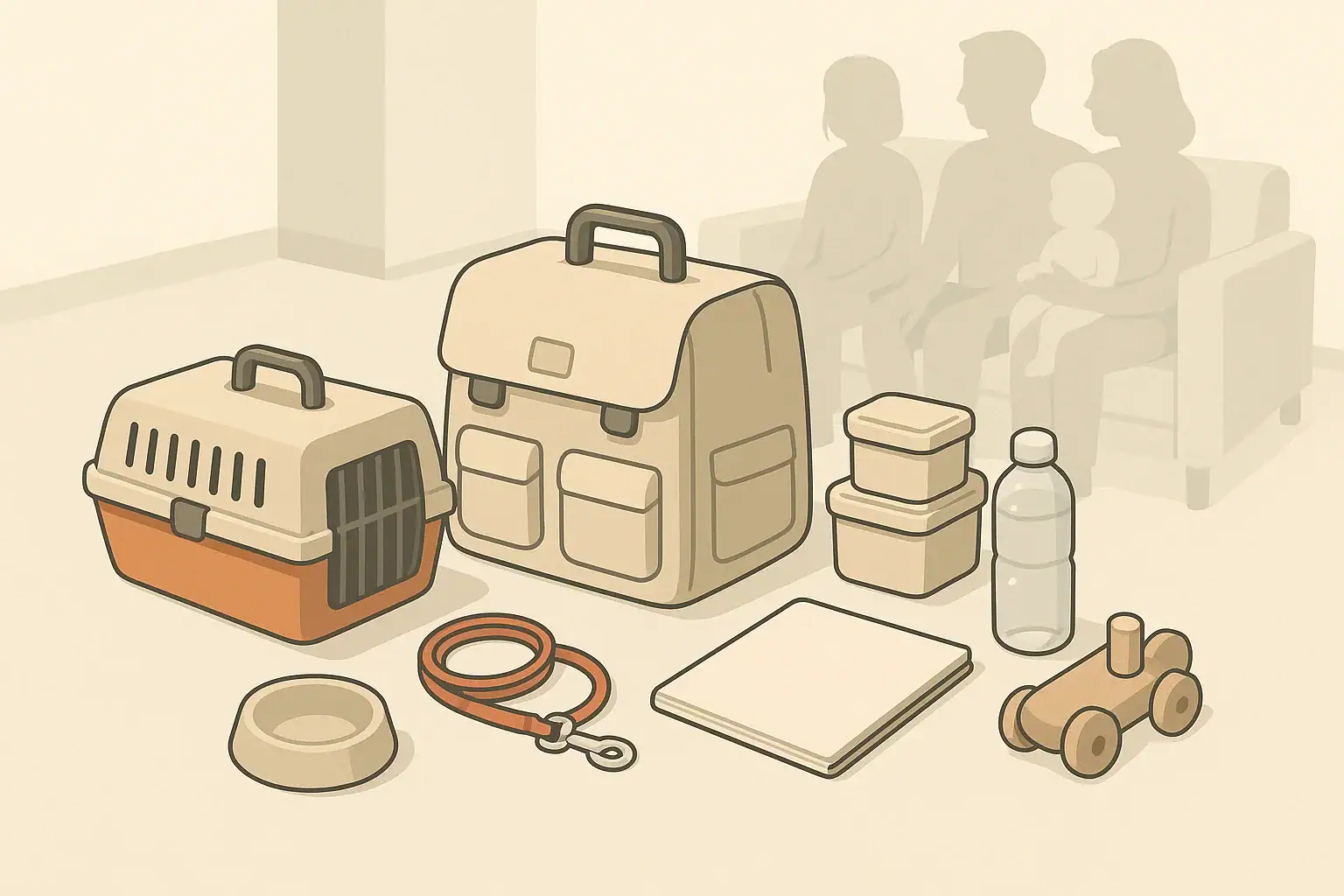
Pets rely entirely on you during an emergency. Power outages, water disruptions, storms, wildfires, or short evacuations can all affect your pet’s safety and comfort. A simple plan and a small buffer of supplies can reduce stress for both you and your animals.
This guide focuses on everyday, realistic situations in the United States: short-term sheltering at home, brief evacuations to a friend’s place or hotel, or staying in a community shelter that accepts pets. The goal is preparedness without panic, built around a seven-day cushion of food, water, and basic gear.
Planning starts with understanding how much your pets actually eat and drink in a normal week. Once you know their typical use, you can create a steady, easy-to-maintain buffer.
Why a Pet Emergency Plan Matters
How Much Food and Water Your Pet Needs for 7 Days
Planning starts with understanding how much your pets actually eat and drink in a normal week. Once you know their typical use, you can create a steady, easy-to-maintain buffer.
Estimating Food for Different Pets
Use your pet’s current feeding routine as your baseline. Most dry or canned foods list feeding guidelines by weight, but your own daily scoop is usually the most practical reference.
- Dogs: Count how many cups or cans you use in a week. Add a small margin for stress or extra activity (for example, slightly more if cold weather or more walking is likely).
- Cats: Track daily portions of dry food or cans. Many cats eat consistently, so a seven-day buffer is easy to maintain.
- Small mammals and birds: Rabbits, guinea pigs, hamsters, birds, and similar pets often have pellets plus fresh items (like vegetables or hay). Focus your buffer on the shelf-stable portion of their diet and think of fresh foods as a bonus when available.
- Reptiles and fish: Many can safely go longer between feedings than mammals, but that does not mean they should be overlooked. Keep a backup of their usual dry or frozen feed if possible.
Choose a storage method that fits small spaces. For example, keep pet food in airtight bins or the original bag sealed inside a plastic container. Label containers with the purchase date so you can rotate older food to the front.
Planning Water Needs for Pets
Clean water is as important for pets as it is for people. When planning short-term emergencies, it helps to think in simple daily estimates rather than exact calculations.
- Dogs: Often drink more than cats, especially large breeds or active dogs. In hot weather or during stress, they may drink significantly more than usual.
- Cats: Typically drink less and can be picky about water quality. Some cats drink more if they usually eat dry food instead of wet food.
- Small pets: Rabbits, rodents, birds, and others drink less per day but still need a reliable, clean supply, especially in warm rooms or during travel.
Many households use a general planning number of at least a small fraction of a gallon of water per pet per day as an illustrative starting point, then adjust up or down based on the animal’s size, climate, and health needs. Store pet water as part of your overall household water supplies so you do not have to manage separate containers for people and animals.
Example values for illustration.
| Task | Why it matters | Notes |
|---|---|---|
| Measure one week of normal pet food use | Gives a realistic baseline instead of guessing | Use your usual scoop or can count |
| Set aside an extra week of the same food | Creates a 7-day buffer for disruptions | Store in a cool, dry place |
| Label pet food with purchase date | Makes rotation easier so food stays fresh | Write the month and year on the container |
| Plan daily water needs per pet | Ensures drinking water during outages | Adjust for size, weather, and activity |
| Add treats or comfort items | Helps reduce stress in unfamiliar situations | Use treats your pet already enjoys |
| Review buffer every 1–2 months | Keeps quantities accurate as pets grow or age | Update amounts after weight or diet changes |
Carriers, Crates, and Safe Transport
A sturdy carrier or crate is one of the most important emergency items for pets. It allows you to evacuate quickly, keep animals contained in unfamiliar places, and comply with many shelter and hotel policies.
Choosing and Fitting a Carrier
Your pet should be able to stand up, turn around, and lie down comfortably in the carrier you choose. For dogs and cats, this usually means measuring from nose to base of tail and from floor to top of head, then selecting an appropriate size. For small mammals and birds, choose a secure, well-ventilated travel cage or carrier made for their species.
In apartments and small homes, collapsible or soft-sided carriers can be easier to store. If you favor those, make sure they are sturdy, close securely, and are easy to grab in a hurry.
Practicing Carrier Use Before an Emergency
Many pets only see a carrier when going to the veterinarian, so they may resist entering it. To reduce stress:
If your cat tends to hide when routines change, our cat evacuation plan covers carriers, hiding spots, and calm practice steps.
- Leave the carrier out in a common area with the door open.
- Place a familiar blanket, towel, or bedding inside.
- Feed treats or small meals in or near the carrier so it feels safe.
- Practice short, calm car rides with positive experiences at the end.
These small steps can make a sudden evacuation smoother and safer for everyone.
Travel Labels and Identification
Even in short-term events, a startled pet can slip a collar or door. Identification helps reunite you if you get separated.
- Keep a secure collar or harness on each pet with an ID tag that has at least a phone number.
- Label carriers with your name, phone number, and an alternate contact.
- Place a recent photo of your pet in a plastic sleeve inside your go-bag or on your phone for reference.
If you move frequently or have a complicated address situation, focus on a reachable phone contact that is unlikely to change.
Building a 7-Day Pet Emergency Kit
Your pet emergency kit can be a small bin, backpack, or tote that stays near your household emergency supplies. The aim is to include everything you would want for a week away from home, scaled to your living space.
Core Supplies to Include
Consider gathering these items for each pet you have:
- Food: Seven days of your pet’s regular diet, stored in sealed bags or containers.
- Water: Part of your overall household water plan, with a mental note of how much is “reserved” for pets.
- Bowls: Lightweight, collapsible bowls or spare non-breakable dishes.
- Leash, harness, or carrier: One per animal, plus a backup leash if space allows.
- Bedding: A small blanket, towel, or mat with familiar scent.
- Litter supplies for cats: Disposable trays or liners, a small scoop, and extra litter in a sealed bag.
- Waste bags: For dogs and other pets to keep shared spaces clean.
- Toys or comfort items: One or two durable toys that your pet already enjoys.
- Cleaning supplies: A small roll of paper towels and pet-safe wipes can help manage accidents.
Store these items in an easy-to-carry container. In small apartments, an under-bed bin or a dedicated closet shelf works well. The goal is to avoid hunting for scattered items if you need to leave quickly.
Medications and Special Needs
If your pet takes medication, talk with your veterinarian about maintaining a small backup supply where allowed. Some general approaches include:
- Keeping medications in their original containers with clear labels.
- Storing them in a cool, dry place away from direct sunlight.
- Setting a reminder to rotate and refill before they expire.
For pets with special diets, allergies, or mobility issues, note any non-negotiable needs in writing and keep that note with your kit. For example, you might list “hypoallergenic food only” or “cannot manage stairs” so helpers or shelter staff understand your pet’s limitations.
Paperwork and Records
Having basic documentation ready can make it easier to stay with your pet in a shelter, at a friend’s house, or in a hotel.
- Recent vaccination and medical summaries (copy or clear photo).
- List of medications, doses, and timing.
- Microchip number and registration information, if applicable.
- A brief description of your pet’s behavior, fears, and triggers (for example, “afraid of loud thunder” or “does not like other male dogs”).
Keep copies in a resealable plastic bag in your pet kit and digital photos on your phone or cloud storage for backup.
At-Home Emergencies vs. Evacuation with Pets
Not every emergency means leaving home. Many events involve staying put without power, with limited water, or with poor outdoor air quality, while others may require going somewhere else for a short time. Your pet plan should cover both.
Staying at Home with Pets
For power outages, storms, or poor air quality, your focus is keeping pets safe and comfortable indoors.
- Temperature: In cold weather, provide extra blankets and consider concentrating everyone in one room to conserve warmth. In hot weather, focus on shade, air movement from safe battery-powered fans, and cool flooring.
- Water access: Fill pet bowls and keep backup water in covered containers. If tap water quality is uncertain, use stored or treated water.
- Litter and waste management: For indoor pets, have extra litter and waste bags; for dogs, identify a safe outdoor or indoor potty area if going outside is limited.
- Lighting: Use safe lighting (such as flashlights or lanterns designed for indoor use) so pets and people avoid tripping or knocking things over.
Keep doors, windows, and balconies secure in windy or smoky conditions so pets cannot bolt out or be exposed to debris and poor air.
Evacuating with Pets
If authorities recommend evacuation, assume your pets should go with you whenever possible. Leaving them behind can create difficult rescue situations later.
- Grab-and-go containers: Keep pet carriers, leashes, and your pet kit near an exit so you can leave quickly.
- Transportation: Plan how each pet will travel in your vehicle, on public transportation where allowed, or with a friend or neighbor if you share rides.
- Destination: Think in advance about realistic options that accept pets, such as pet-friendly hotels, friends or family, or community shelters that plan for animals.
- Containment on arrival: In new places, keep pets leashed or crated until you are sure doors, windows, and fences are secure.
Talk with household members now about who is responsible for each animal in an evacuation. This reduces confusion if you need to move quickly.
Water and Food Storage for Pets in Small Spaces
Many people live in apartments or compact homes without room for large barrels or bulky containers. You can still create a seven-day buffer with a few practical strategies.
Space-Smart Water Storage
Instead of one large container, use several smaller ones that fit where you have room, such as under beds, on closet floors, or in lower kitchen cabinets.
- Choose sturdy containers that seal well and are easy to lift.
- Label them with a fill date and plan to refresh periodically.
- Include water treatment tablets or a simple household method in your overall plan, if that fits your situation, so you can make additional water safe if needed.
When emergencies are seasonal and somewhat predictable, like hurricanes or winter storms, you can temporarily increase your stored water before the season and then gradually use it up afterward, always keeping at least your basic seven-day cushion.
Storing Pet Food Without Wasting It
A seven-day buffer does not need to be a separate stack of food that sits untouched. Instead, treat it like a small extension of your regular pantry.
- Maintain a set number of unopened bags or cans as your “minimum.”
- When you open one, replace it on your next shopping trip.
- Place newly purchased food at the back and move older food to the front to use first.
- Keep a small scoop or measuring cup in the container to avoid overfeeding and keep tracking easy.
For small pets whose food comes in tiny bags or containers, storing a week’s extra supply usually takes very little space and can be tucked into a single shoebox-sized bin.
Example values for illustration.
| People and pets | Days | Storage approach | Rotation cue |
|---|---|---|---|
| 1 person, 1 small pet | 7 days | Several small jugs arranged in a closet | Refill every few months or after seasonal use |
| 2 people, 1 medium dog | 7 days | Mix of jugs and bottles under beds | Use older containers first in daily life |
| 4 people, 2 cats | 7 days | Stacked containers in a hall closet | Check dates at the start of each season |
| 1 person, several small pets | 7 days | One main container plus a few small bottles | Top off and label after any use |
| Shared apartment with roommates and pets | 7 days | Each person keeps some water in their room | Group reminder on a shared calendar |
| Family in a small house with multiple pets | 7 days | Low shelves in a cool, interior room | Review during annual household safety check |
Keeping the Plan Simple and Up to Date
An emergency plan for pets works best when it is simple enough to maintain during ordinary life. Instead of a one-time project, treat it as part of your normal routine.
- Review your pet kit and supplies when you change smoke detector batteries or do other seasonal chores.
- Adjust food and water amounts as pets grow, lose weight, or change diets.
- Update ID tags and contact information if your phone number or living situation changes.
- Remind all household members where pet carriers, leashes, and the kit are stored.
Your pets do not need you to be perfectly prepared. They simply need you to be ready enough that you can care for them calmly in the kinds of short-term disruptions most households face from time to time.
Authoritative sources
Safety recommendations can change. Confirm critical details with current official guidance and local authorities.
- US EPA: Emergency Disinfection of Drinking Water
- USDA FSIS: Keep Food Safe During Emergencies
- U.S. CPSC: Battery Safety
Frequently asked questions
How much water should I store for my pet for seven days?
As a practical starting point, many households plan about 1/2 to 1 gallon per day for medium to large dogs and about 1/4 gallon per day for cats, while small mammals and birds often need much less. Adjust upward for hot weather, nursing animals, high activity, or medical needs, and store pet water as part of your household supply so you can allocate as needed.
How can I store pet food in a small apartment without wasting it?
Keep a one-week minimum of unopened bags or cans and rotate it into regular use by placing new purchases at the back and using older items first. Store food in airtight containers, label with purchase dates, and replace opened packages on your next shopping trip to avoid spoilage and waste.
What are the essential items for a 7-day pet emergency kit?
Include seven days of your pet’s regular food, reserved water, bowls, a carrier or leash, bedding, medications and medical records, waste bags, and a recent photo of your pet. Add species-specific items like litter, hay, or special diets and keep everything in an easy-to-carry container near an exit.
Will community shelters accept my pet during an evacuation?
Some community shelters have provisions for pets, but many do not accept animals or have limited capacity; check local shelter plans ahead of time. Identify pet-friendly hotels, friends, or animal-friendly community shelters as alternatives and bring carriers, identification, and vaccination records to improve your options.
How should I transport pets safely in a car during an evacuation?
Use a secure carrier or properly fitted crate for cats and small animals, and a crate or vehicle harness for dogs, ensuring the animal can sit or lie comfortably while restrained. Pack water, a bowl, a leash, and a small comfort item, take regular breaks on long trips, and never leave a pet unattended in a parked vehicle.
- Simple checklists and realistic planning
- Water, power, lighting, and pantry basics
- Family plans (kids, pets, seniors) and seasonal prep
Affiliate disclosure
As an Amazon Associate, we earn from qualifying purchases. Some links on this site may be affiliate links. If you buy through these links, we may earn a small commission at no extra cost to you. This helps support our content. Learn more.