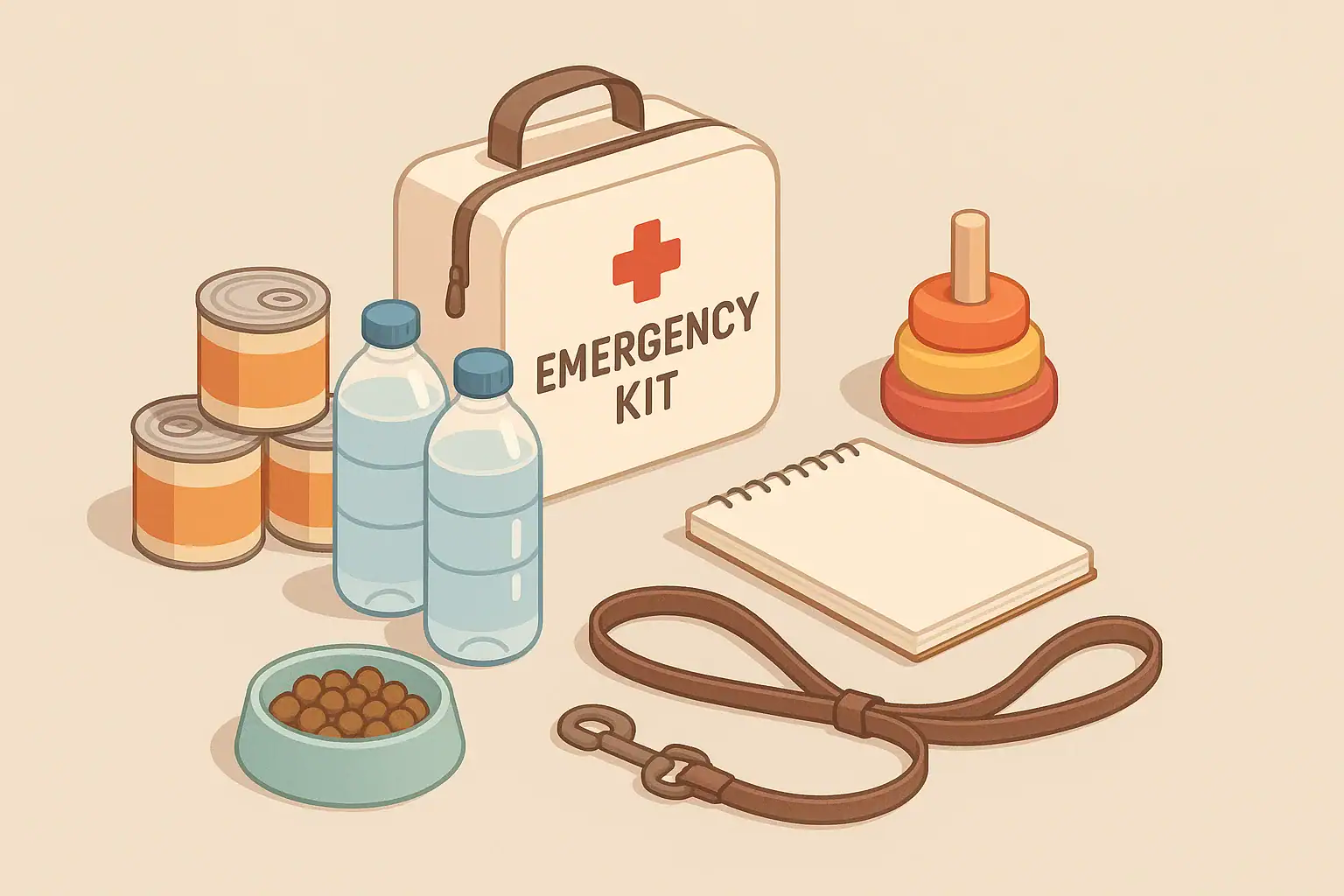
Emergency planning usually starts with flashlights, batteries, and water. Food is often added as an afterthought, and specific dietary needs can be overlooked. Yet in a power outage, storm, or short evacuation, what your family can safely eat becomes just as important as how much food you have.
Dietary planning is not about stocking a bunker. It is about having a few days to a couple of weeks of realistic, familiar options that work for everyone in your home: adults, kids, older family members, and pets. A little planning reduces stress when routines are disrupted and stores are hard to reach.
This guide walks through how to factor in allergies, intolerances, cultural and religious food preferences, and special needs. It focuses on simple, shelf-stable, no-cook or low-cook options that fit into everyday apartments and homes.
Why Dietary Needs Belong in Every Family Emergency Plan
Emergency planning usually starts with flashlights, batteries, and water. Food is often added as an afterthought, and specific dietary needs can be overlooked. Yet in a power outage, storm, or short evacuation, what your family can safely eat becomes just as important as how much food you have.
Dietary planning is not about stocking a bunker. It is about having a few days to a couple of weeks of realistic, familiar options that work for everyone in your home: adults, kids, older family members, and pets. A little planning reduces stress when routines are disrupted and stores are hard to reach.
This guide walks through how to factor in allergies, intolerances, cultural and religious food preferences, and special needs. It focuses on simple, shelf-stable, no-cook or low-cook options that fit into everyday apartments and homes.
Step 1: Map Out Who You Are Feeding
Start with a clear picture of your household. This helps you avoid guesswork when buying and storing emergency food and helps prevent conflicts or unsafe choices during a stressful moment.
List household members and their needs
On a single sheet of paper or in a note on your phone, list:
- Each person’s name and approximate age
- Any food allergies (for example, nuts, dairy, eggs, shellfish)
- Any intolerances (for example, lactose intolerance, gluten sensitivity)
- Religious or cultural restrictions (for example, certain meats avoided, fasting periods)
- Preferences that matter under stress (for example, a very picky toddler, a family member who dislikes strong flavors)
- Pets and their usual food type (dry, wet, special formula)
Keep the list simple and easy to read. A copy can go in your go-bag, on your fridge, or in your important documents folder so that any adult in the home can make safe food decisions quickly.
Think in short timeframes
This article focuses on realistic short-term events, such as:
- Power outages lasting a few hours to several days
- Staying home during a storm, heatwave, or poor air quality event
- Brief evacuations where you may be staying with friends, in a shelter, or in a hotel
For many families, planning for about 3 to 7 days of food is a manageable starting point. If you later choose to expand that, the same planning steps still apply.
Example values for illustration.
| Checklist item | Why it matters | Notes |
|---|---|---|
| List all people and pets in household | Ensures you plan enough food for everyone | Include guests or frequent visitors |
| Record allergies and intolerances | Prevents unsafe food choices during stress | Highlight severe allergies clearly |
| Note cultural or religious restrictions | Maintains comfort and observances in emergencies | Flag any foods to always avoid |
| Identify picky eaters and safe standbys | Reduces mealtime conflict for kids and adults | List 3 simple shelf-stable favorites |
| Document special nutrition needs | Supports older adults or medical conditions | Example: softer foods, lower sodium choices |
| List pet food type and amount | Prevents last-minute sharing of unsuitable foods | Plan a few days of extra pet food |
Step 2: Allergies, Intolerances, and Safe Label Reading
In an emergency, you may be eating from your pantry, sharing food with neighbors, or receiving food at a shelter. Knowing how to avoid problematic ingredients helps keep everyone safe and more comfortable.
Identify high-priority allergens in your home
Make a short, bold list of any foods that are completely off-limits for someone in your home. Keep a copy:
- In your go-bag or car kit
- With any emergency medical information
- On the inside of a pantry door
If a family member has severe reactions to specific foods, consider writing a simple note explaining which foods must be avoided. This can be shown to shelter staff or friends if you are staying elsewhere.
Practice label checking before you need it
When adding items to your emergency pantry, set aside a few extra minutes to read ingredient lists. For each product, note if it:
- Clearly contains any allergens or restricted ingredients
- Is usually well tolerated by sensitive family members
- Has a simple, familiar ingredient list
Consider grouping clearly safe foods together in one part of the pantry so that anyone helping with meals can easily choose from those items.
Have backup options
For each major allergen or restricted food in your home, think about backup ideas. For example:
- If someone cannot have dairy, choose non-dairy shelf-stable options instead of only dairy-based items.
- If someone avoids gluten, keep a few naturally gluten-free staples, such as plain rice or certain canned foods that fit your household’s usual eating patterns.
- If nuts are avoided, store seeds or other protein sources that are better tolerated in your home.
These backups do not have to be fancy. Familiar and simple is usually best.
Step 3: Planning Around Kids, Seniors, and Special Needs
Different life stages come with different practical needs. In a short-term emergency, comfort and familiarity often matter as much as variety.
Young children and picky eaters
Kids may be even less flexible about food when tired, worried, or off their normal routine. Plan for:
- Simple, mild flavors that your child already eats.
- Finger foods that do not require heating, such as certain crackers, shelf-stable fruit in juice, or plain cereals that work for your household.
- Comfort items such as a familiar snack or drink mix that can lift morale.
If you have infants, consider:
- Having extra formula or infant-appropriate foods your pediatrician has already approved.
- Simple feeding supplies (bottles, spoons, cleaning supplies) that you could manage without hot water for a short period.
Older adults
Older family members may prefer softer foods or find certain textures hard to chew. For them, consider stocking:
- Shelf-stable soft foods such as certain canned fruits, vegetables, or other items that are easy to mash.
- Simple options with moderate seasoning if strong flavors are not well tolerated.
- Items that are easy to open, especially if hand strength is limited (and a basic manual opener for cans).
If someone has health conditions that affect what they usually eat, talk with their regular healthcare provider in advance about safe general approaches for short disruptions.
Family members with sensory or texture sensitivities
Some people, including many kids and some adults, may have strong responses to textures, smells, or mixed foods. Under stress, those sensitivities can feel even stronger. For them:
- Identify 3 to 5 pantry-friendly foods they reliably accept.
- Choose items that look and feel consistent from one serving to the next.
- Add a few calm “backup” choices like plain crackers or simple canned items they already know.
Pets
Pets are part of the household too. In your dietary planning, include:
- Enough of their usual food for several days longer than your normal supply.
- A dedicated scoop or bowl so you can feed them even if you are away from home.
- A plan for safe water for pets during water disruptions.
Switching pet foods suddenly can sometimes cause stomach upset. Rotating an extra bag or case into your routine can help keep emergency pet food fresh and familiar.
Step 4: Smart Pantry Planning for Short-Term Emergencies
Packing a separate “emergency pantry” is not always necessary, especially in smaller homes or apartments. A more practical strategy is to build extra flexibility into the foods you already eat.
Focus on shelf-stable basics you already use
Instead of buying things no one in your home likes, start with your current grocery list and ask:
- Which items are shelf-stable or have long fridge or freezer life?
- Which can be eaten cold or at room temperature if power is out?
- Which fit everyone’s allergies and restrictions?
Gradually buy one or two extra of those items on regular grocery trips. Mark the purchase month on the package with a piece of tape or a small note so you can use older items first.
No-cook and low-cook meal ideas
If a storm or outage hits, you may have limited or no access to cooking. It helps to have a short list of fallback meals that:
- Do not require cooking, or
- Require very little heating with a safe backup method you already know how to use.
Examples of planning ideas include:
- Simple canned foods that can be eaten at room temperature.
- Dry items like crackers or cereals that match your household’s dietary patterns.
- Shelf-stable drinks that fit within your family’s usual choices.
Write down three or four full “pantry meals” that everyone can eat and that use overlapping ingredients. Keep the list with your emergency notes.
Using fridge and freezer food safely
During a power outage, refrigerator and freezer items will gradually warm. A few general practices can help you use food efficiently:
- Keep fridge and freezer doors closed as much as possible to preserve cold air.
- Eat items from the refrigerator before moving to pantry-only foods, as long as they remain within safe temperature ranges according to food safety guidance.
- Use freezer items while they are still fully frozen or very cold, following standard home food safety practices.
Because outages are unpredictable, rely more on shelf-stable foods for your planned emergency supply, and treat fridge and freezer foods as bonus options when conditions allow.
Step 5: Apartment, Small Space, and Renter-Friendly Ideas
Many households do not have large basements or garages for storage. You can still plan effectively for dietary needs with some space-conscious strategies.
Use vertical and hidden spaces
Look for small gaps where you can store a few extra items:
- Top shelves of closets for lightweight dry foods.
- Under-bed containers for rarely used bulk items.
- A small bin in a hallway or coat closet for dedicated emergency foods.
Choose compact items that give flexibility, such as multi-use ingredients instead of many single-purpose snacks.
Rotate into everyday meals
To avoid waste, treat your emergency foods as part of your normal pantry. A simple pattern is:
- Every month or two, use one or two older items from your emergency stash in regular meals.
- Replace them with newer items during your next grocery trip.
This way, your emergency food stays within its best-by timeframe, and your family stays familiar with how to use and enjoy it.
For renters and frequent movers
If you move often, you may prefer a smaller, portable kit:
- Use a sturdy box or bin that can move with you easily.
- Keep the contents simple: a few multipurpose foods, a manual can opener, basic utensils, and a copy of your dietary notes.
- If you relocate to a new region, review your kit to match local weather and grocery options.
Step 6: Water, Beverages, and Special Preparations
Dietary planning is closely tied to water access. Many foods require water to prepare, and some people rely on specific beverages as part of their regular routine.
Plan water for drinking and basic food prep
General home readiness often uses rough planning numbers like a few liters or about a gallon of water per person per day for drinking and basic use, but household needs vary. As you plan, consider:
- Whether you have infants, pregnant or breastfeeding adults, or medical conditions that may change typical water use.
- How much cooking you expect to do versus relying on ready-to-eat foods.
- Pet water needs.
Favor some foods that can be eaten without added water, in case supplies are tight or need to be prioritized for drinking.
Special beverages
Think about drinks your household relies on or strongly prefers, such as:
- Coffee or tea for adults.
- Simple drink mixes that encourage kids or older adults to stay hydrated.
- Lactose-free or shelf-stable alternatives if regular milk is not suitable.
Include a modest amount of these in your plan, focusing on options that are easy to store and rotate.
Foods that need extra water or power
Some foods are convenient day to day but harder to use in an emergency, such as items that need long boiling times or rely heavily on electric appliances. For short-term planning, balance them with options that:
- Use minimal water for preparation.
- Require only brief heating, if any.
- Can safely be eaten as-is, if necessary.
Example values for illustration.
| Food type | Storage tip | Rotation interval idea | No-cook or low-cook use |
|---|---|---|---|
| Canned vegetables or beans | Store in a cool, dry cabinet | Check dates every 6–12 months | Eat at room temperature or briefly warm |
| Shelf-stable fruit cups | Stack in shallow bins for easy access | Use older cups in school lunches monthly | Serve cold or at room temperature |
| Dry crackers or crispbreads | Keep sealed in original packaging | Swap into snacks every few months | Pair with spreads or canned items |
| Nut-free or allergen-safe snacks | Label a dedicated box as “safe” at home | Review contents twice a year | Quick energy without heating |
| Shelf-stable milk alternatives | Stand upright in pantry | Rotate into breakfasts regularly | Use in cereal or simple drinks |
| Pet dry food | Keep in sealed container or bag | Use as primary food and replenish | Serve as usual with safe water nearby |
Step 7: Building a Simple Dietary Checklist for Your Family
Once you have thought through your household, allergies, preferred foods, and space, bring it all together in a short, practical checklist. Keep it where you store your emergency supplies.
Your personalized dietary readiness checklist
Customize the following steps to fit your home:
- Household overview: One-page list of people, pets, allergies, restrictions, and any special notes.
- Safe food list: A half-page list of pantry items that work for everyone, grouped by type (proteins, grains, fruits, snacks, pet foods).
- No-cook meal ideas: Three to five simple combinations of pantry items that become quick meals.
- Shopping reminder: A note to buy one or two extra shelf-stable items on regular grocery trips until you reach your goal supply.
- Rotation schedule: A reminder on your calendar every few months to use older items and restock.
- Grab-and-go options: A small set of snacks and meals that can travel in a go-bag if you need to leave home for a night or two.
Practice using your plan
Consider trying a “practice outage” dinner once in a while, where you prepare a meal using only your stored pantry items and simple tools. This can help you:
- See which foods your family truly enjoys.
- Spot gaps, such as missing openers, utensils, or seasonings.
- Adjust portions and choices before a real event.
Over time, your emergency dietary planning becomes just another part of normal home organization. The goal is calm readiness: having enough safe, familiar food to carry your household comfortably through routine disruptions, without needing to overhaul your entire way of eating.
Authoritative sources
Safety recommendations can change. Confirm critical details with current official guidance and local authorities.
- US EPA: Emergency Disinfection of Drinking Water
- USDA FSIS: Keep Food Safe During Emergencies
- U.S. CPSC: Battery Safety
Frequently asked questions
How many days of food should I plan for to cover dietary needs in emergency planning?
For most households, plan for about 3 to 7 days of food as a manageable starting point. Consider expanding that if you have chronic medical conditions, infants, or pets that may need longer supplies. Also factor in local evacuation or sheltering timelines when deciding how much to store.
How can I safely store food for someone with severe food allergies?
Keep a clearly labeled box or shelf of allergy-safe foods separated from other pantry items and mark individual packages with purchase dates. Prepare a short written list of high-priority allergens and include it in your go-bag and near the emergency food so others can avoid cross-contact. If you may need to stay in a shelter, bring the allergy information to show staff or hosts.
What no-cook or low-cook foods work best for infants, older adults, or people with chewing or swallowing difficulties?
Shelf-stable, ready-to-use options like pediatric-recommended prepared infant formula, pureed or soft canned fruits and vegetables, and shelf-stable milk alternatives can be useful. Choose items that match usual textures and avoid sudden changes that could upset digestion; consult healthcare providers for specific medical diets. Keep basic feeding supplies (bottles, spoons, manual can opener) accessible if hot water or appliances are unavailable.
How should I rotate emergency foods to keep them fresh and familiar?
Integrate emergency items into your normal grocery routine by using the oldest items in regular meals and replacing them immediately, which keeps stock within best-by dates and maintains familiarity. Mark purchase months on packages and set a calendar reminder to review items every few months. Regular small rotations prevent waste and help you spot missing utensils or preferences.
How much water should I store for drinking and basic food prep, and should I include special beverages?
A common planning figure is about one gallon (~3.8 liters) per person per day for drinking and basic needs, but needs vary with age, pregnancy, medical conditions, and climate. Reserve extra water for infants, breastfeeding adults, and pets, and prioritize drinking water over cooking if supplies are limited. It can also help to include modest amounts of preferred, shelf-stable beverages (such as milk alternatives or drink mixes) to support hydration and routine.
- Simple checklists and realistic planning
- Water, power, lighting, and pantry basics
- Family plans (kids, pets, seniors) and seasonal prep
Affiliate disclosure
As an Amazon Associate, we earn from qualifying purchases. Some links on this site may be affiliate links. If you buy through these links, we may earn a small commission at no extra cost to you. This helps support our content. Learn more.