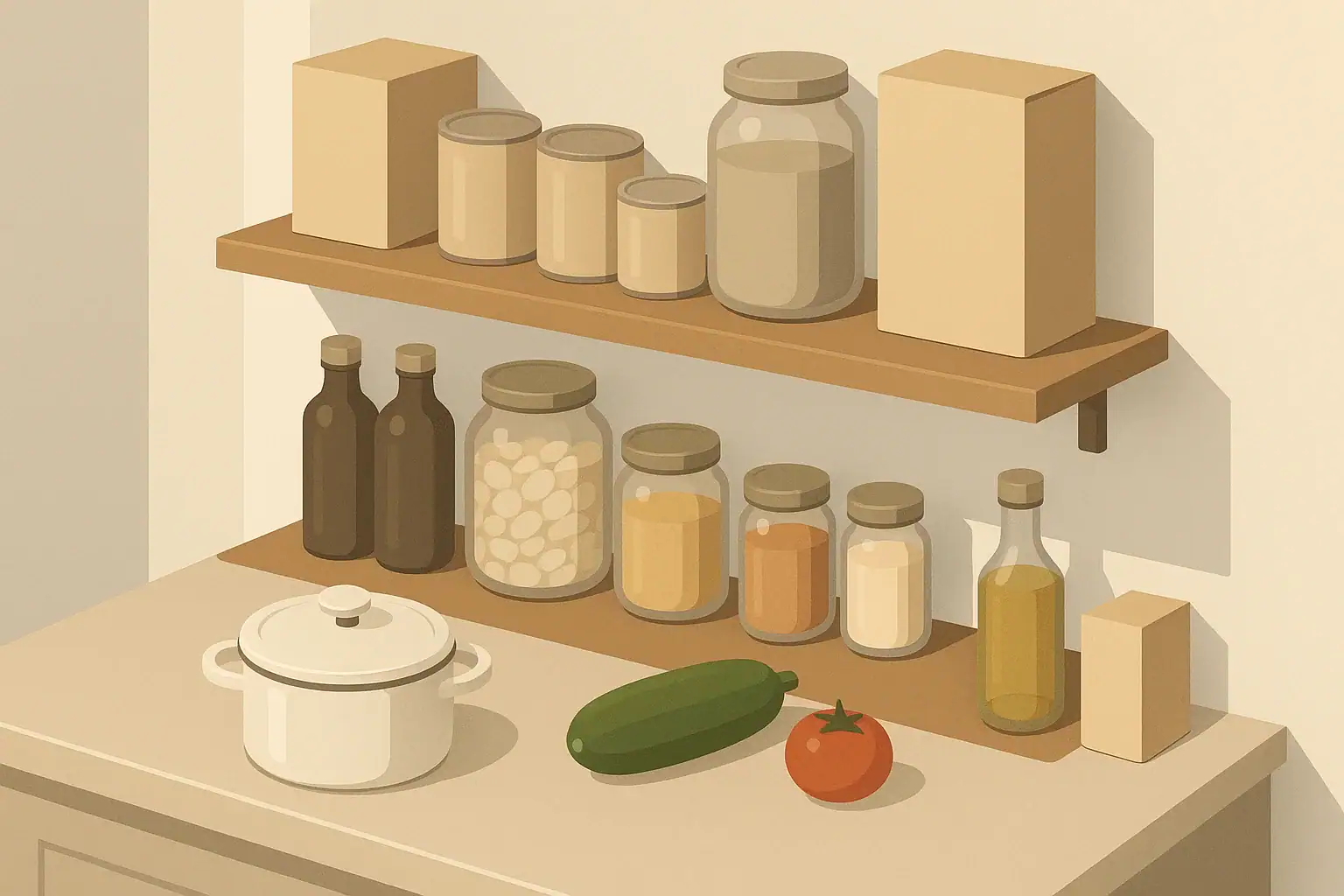
Why Dietary Planning Matters in an Emergency Pantry
Emergency food planning is not only about stocking enough calories. The foods you store also need to work for the real people in your home: kids, older adults, people with allergies, and anyone with cultural or religious food preferences. Taking time to match your pantry to your household makes it much more likely that the food will actually be used when you need it.
A well-planned emergency pantry focuses on:
- Familiar foods that people already eat
- Simple preparation, ideally with no-cook or low-cook options
- Clear labeling and organization so anyone can find what they need
- Storage that fits your space: apartments, shared housing, or larger homes
This checklist-based guide walks through key dietary considerations and helps you customize an emergency pantry that feels practical rather than extreme.
Step 1: Map Out Who You Are Feeding
Start with a quick snapshot of everyone who might rely on your emergency pantry. This makes later decisions easier and prevents surprises when stores are closed or power is out.
Household Profile Checklist
Make a short list for each person in your home (and anyone who might shelter with you):
- Age group (infant, child, teen, adult, older adult)
- Food allergies or strong intolerances
- Religious or cultural food rules (for example, certain meats avoided)
- Texture or sensory needs (common with some kids and neurodivergent adults)
- Typical snack and comfort foods
- Any special drink preferences (for example, caffeine, flavored drinks, or warm drinks)
Use this information to guide what you actually buy. In a stressful time, familiar foods are more likely to be eaten and less likely to be wasted.
Example values for illustration.
| Task | Why it matters | Notes |
|---|---|---|
| List everyone in the household | Prevents underestimating how much food you need | Include regular visitors or caregivers |
| Note allergies and intolerances | Avoids unsafe items during store closures | Check labels for common allergens |
| Identify cultural or religious rules | Ensures pantry food is acceptable for everyone | Plan alternative protein options if needed |
| Record favorite everyday meals | Helps you choose shelf-stable versions | Focus on simple, flexible recipes |
| Note cooking equipment available | Guides no-cook vs cook-required items | Consider power outages and fuel limits |
| Check storage space limits | Prevents overbuying bulky items | Use vertical or under-bed storage in small homes |
| Set a basic days-of-food goal | Gives you a realistic stocking target | Many households aim for several days to a couple of weeks |
Step 2: Account for Special Diets and Restrictions
Special diets can feel complicated, but a little planning prevents last-minute stress. Focus on a small set of reliable shelf-stable items that fit each person’s needs.
Allergies and Intolerances
Label shelves or bins clearly for anyone who needs to avoid certain ingredients. For safety and simplicity:
- Store clearly labeled “safe” items for the person with allergies.
- Keep high-risk items in separate containers to limit mix-ups.
- Include easy-to-recognize single-ingredient foods when possible.
A written list of safe brands or ingredients can help other household members shop or cook if the main planner is not available, while still checking current labels before use.
Vegetarian, Vegan, or Religious Food Rules
Some households need non-meat, non-dairy, or specific meat rules respected. Simple approaches include:
- Stocking plant-based proteins such as beans, lentils, or shelf-stable tofu types you already use.
- Choosing soups, sauces, and snacks that match your usual diet.
- Clearly separating meat and non-meat items on your shelves.
If you share space with others who eat differently, consider separate storage bins or shelves labeled for each diet style.
Low-Sodium, Low-Sugar, or Other Preference-Based Patterns
Some people prefer to avoid very salty or very sweet foods. When possible:
- Mix in lower-salt or unsweetened versions of common pantry items.
- Balance highly seasoned canned foods with plain staples like rice or oats.
- Keep a simple seasoning kit so people can adjust flavors themselves.
If medical professionals have recommended specific dietary limits, review labels and choose options that align with that guidance where you reasonably can, while still making sure you have enough food stored overall.
Step 3: Plan for Different Age Groups
Age affects what people can safely and comfortably eat, especially when routines are disrupted. Tailor a portion of your pantry to children, teens, and older adults.
Infants and Toddlers
Very young children may rely on specific foods or formulas. To prepare:
- Keep extra formula or shelf-stable infant foods your child already tolerates well.
- Include simple, soft foods like plain cereals that can be mixed with clean water or other suitable liquids.
- Store extra feeding supplies such as clean bottles, cups, and spoons.
Rotate infant items regularly so they stay within date ranges recommended by manufacturers.
Children and Teens
Kids and teens may be more likely to eat familiar snacks than unfamiliar meals in a stressful situation. Consider:
- Storing shelf-stable versions of common favorites, such as simple crackers, nut butters if safe, or fruit cups.
- Including easy, low-mess foods that older kids can prepare themselves.
- Adding a small amount of comfort foods like hot cocoa mix or simple treats.
When possible, involve kids in choosing and rotating pantry items so they know what is available and how to use it.
Older Adults
Older adults may have chewing, swallowing, or digestion limits, or may simply prefer gentler foods. To support them:
- Include softer options such as creamy soups, stews, or tender canned vegetables.
- Stock easy-to-open containers and keep a manual can opener in an obvious spot.
- Plan some simple, low-effort meals in case energy or mobility is limited.
If an older adult has difficulty standing for long, keep frequently used items on shelves that are easy to reach without bending or stretching.
Step 4: Think About Texture, Sensory Needs, and Comfort Foods
During power outages, storms, or other disruptions, stress levels rise. Taste and texture preferences can become even more important, especially for children and neurodivergent people who rely on consistent foods.
Texture and Sensory-Friendly Choices
Common preferences may include crunchy, smooth, plain, or strongly flavored foods. To plan for this:
- Identify a few “safe” foods each person almost always accepts.
- Store backup amounts of these, aiming for several days of familiar options.
- Include both bland and more flavorful choices so people can adjust to their comfort level.
Keep a written list of reliable go-to meals or snack combinations so any adult in the home can prepare something acceptable quickly.
Comfort Foods and Morale
Including some comfort foods can help keep routines normal, especially for kids. Examples might include:
- Simple baking mixes that can be made on a stovetop or camp-style burner
- Hot drink mixes such as herbal teas or flavored beverages
- Plain cookies, crackers, or dried fruit
Store comfort foods in moderation, focusing on items that also contribute to feeling satisfied and grounded.
Step 5: Balance No-Cook and Low-Fuel Meals
Power outages and fuel limits can change how you cook. Plan for situations where you have:
- No electricity (no microwave, oven, or electric stove)
- Limited fuel for gas stoves or outdoor stoves
- Limited water for boiling and washing dishes
No-Cook Pantry Staples
No-cook options are foods that can be safely eaten straight from the package or with minimal preparation using safe water. Examples include:
- Ready-to-eat canned meals, vegetables, and fruits
- Nut butters or seed butters (if tolerated)
- Crackers, shelf-stable bread products, or tortillas
- Shelf-stable milk or milk alternatives
- Pre-cooked grains or rice pouches that can be eaten at room temperature if needed
Combine these into simple, balanced plates: a protein item, a grain, and a fruit or vegetable when you can.
Low-Fuel One-Pot Meals
If you have some way to heat water or cook briefly, one-pot meals reduce fuel use and dishwashing. Ideas include:
- Simple soups made by combining canned beans, vegetables, and broth
- Quick-cooking grains like couscous with canned vegetables
- Instant oats with dried fruit and shelf-stable milk
Store at least one manual can opener, heat-safe pot, and basic utensils next to your emergency pantry zone so you are not searching in the dark.
Step 6: Space-Smart Storage for Apartments and Small Homes
You do not need a dedicated storeroom to be prepared. With some planning, small spaces can hold a practical amount of emergency food.
Use Hidden and Vertical Spaces
Look for storage options that do not interfere with daily life:
- Under-bed bins for lightweight, non-crushable items like pasta or cereal.
- Top shelves in closets for sturdy cans and jars.
- Stackable containers or boxes to build vertical storage in one corner.
Label the outside of bins or boxes with simple descriptions, such as “no-cook meals” or “kids snacks,” so items are easy to find quickly.
Apartment, Rental, and Shared-Space Considerations
Renters and people in shared housing may have limits on what they can store or where they can keep it. To adapt:
- Aim for a realistic target like several days to a couple of weeks of shelf-stable food rather than very long-term storage.
- Keep the most critical items (no-cook meals, water, baby food) closest to your main living area.
- If you share a kitchen, use labeled bins that can be moved or stacked without disturbing others.
Check building rules about storage in hallways, balconies, or garages before placing anything there.
Step 7: Simple Checklist for Core Pantry Categories
Once you know who you are feeding and what limits you need to respect, build your pantry around a few basic categories. You do not need complicated menus—just enough flexible ingredients to assemble simple meals.
Basic Categories to Cover
For each category below, write down a few items your household already eats in shelf-stable form.
- Proteins: canned beans, canned meats or fish, plant-based protein options, nut or seed butters if safe.
- Grains and starches: rice, pasta, instant oats, crackers, instant mashed potatoes, instant noodles.
- Fruits and vegetables: canned fruits, canned vegetables, tomato products, jarred sauces.
- Fats and spreads: oils, spreads, shelf-stable dressings or sauces.
- Snacks and comfort items: nuts or seeds if tolerated, dried fruit, crackers, simple sweets.
- Drinks: shelf-stable milk or alternatives, caffeine options for adults, flavored drink mixes.
For each person, check that there are at least a couple of items in each category they can safely and willingly eat.
Example values for illustration.
| Food type | Storage tip | Rotation interval idea | No-cook use |
|---|---|---|---|
| Canned beans | Store upright in a cool, dry cabinet | Plan to use and replace within about a year | Rinse and mix with oil and spices for salad |
| Canned vegetables | Group by type for easier meal planning | Use in regular soups and side dishes often | Serve drained with simple seasoning |
| Canned fruit | Choose varieties your household snacks on | Rotate through breakfasts and desserts | Eat straight from the can or with crackers |
| Grains (rice, pasta) | Keep in sealed containers to limit moisture | Cycle into weekly dinners on a schedule | Use pre-cooked pouches for ready-to-eat meals |
| Instant oats | Store in a dry bin away from strong odors | Use for breakfasts every few weeks | Combine with shelf-stable milk or water |
| Nut or seed butters | Keep closed tightly after each use | Rotate into school or work snacks | Spread on crackers or fruit slices |
| Ready-to-eat canned meals | Place in an easy-to-reach “grab” section | Plan a monthly “pantry night” dinner | Eat at room temperature if heating is not possible |
| Shelf-stable milk or alternatives | Store upright; avoid temperature swings | Use in cereals and baking before date | Drink chilled when refrigeration is available |
Step 8: Labeling, Rotation, and Simple Record-Keeping
Once your emergency pantry is stocked, a small amount of organization keeps it reliable without much effort. The goal is to use what you store and store what you use.
Label Clearly
Use simple labels on shelves or bins, such as:
- “No-cook meals”
- “Kids favorites”
- “Allergy-safe for [Name]”
- “Heat-and-eat meals”
Consider adding the month and year you bought items to boxes or tape on the shelf so you can see at a glance what to use first.
Rotate Regularly
Rotation does not need to be complex. Choose a reminder schedule that fits your routine, such as:
- Checking one shelf each month.
- Having a “pantry dinner” every few weeks that uses canned and dry items.
- Reviewing supplies at the start of each season, especially before storm or wildfire seasons in your region.
Replace what you use with similar items you already know your household likes. Over time, this keeps your emergency pantry aligned with changing tastes and needs.
Keep a Short Written Checklist
A one-page list of what you aim to keep on hand can prevent overbuying or gaps. Include:
- Target quantities for each category (for example, a rough number of cans or packages).
- Notes on special items (infant foods, allergy-safe snacks, cultural staples).
- Where overflow items are stored if not in the main kitchen.
Store a copy of this checklist in your pantry area so anyone can quickly see what should be there and help restock when needed.
Authoritative sources
Safety recommendations can change. Confirm critical details with current official guidance and local authorities.
- USDA FSIS: Keep Food Safe During Emergencies
- Ready.gov: Preparedness Tips for People with Disabilities
Frequently asked questions
How can I include foods for multiple food allergies in a shared emergency pantry?
Designate clearly labeled, separate bins or shelves for allergy-safe items and keep high-risk foods in their own containers to reduce cross-contact. Prioritize single-ingredient, easy-to-identify foods and keep a written list of ingredients or safe options so anyone can pick appropriate items quickly. Regularly check labels when restocking because formulations can change.
What are reliable no-cook protein options that work for different dietary restrictions?
Good no-cook protein choices include canned beans, canned fish or meat (if tolerated), ready-to-eat plant-based pouches, and nut or seed butters when those are safe for household members. Shelf-stable dairy alternatives and protein-fortified shelf-stable meals can also help meet needs for people avoiding certain ingredients. Keep alternatives for those with allergies and avoid shared utensils that could cause cross-contact.
How much emergency food should I plan per person if someone has special dietary needs?
Aim for at least a three-day supply as a minimum, with a practical goal of one to two weeks when space allows, and adjust portion sizes for higher-calorie needs or medical diets. Focus on having multiple acceptable options for each person in core categories (proteins, grains, fruits/vegetables) so dietary restrictions don’t leave someone without suitable choices. If someone has strict medical requirements, consult their healthcare provider for personalized recommendations.
What is the best way to store infant formula and baby foods in a small apartment?
Keep extra formula and shelf-stable baby foods in a cool, dry, easy-to-reach spot and rotate them regularly to use before expiration dates. Store feeding supplies like clean bottles and a manual bottle brush together so everything is accessible during an emergency. Avoid bulk purchases that exceed your available safe storage conditions and always follow manufacturer guidance for opened and prepared formula.
How can I accommodate low-sodium or low-sugar medical diets in an emergency pantry?
Choose low-sodium or no-salt-added canned goods and unsweetened versions of staples like canned fruit and milk alternatives when possible, and keep plain staples (rice, oats) to balance more seasoned items. Maintain a small seasoning kit so individuals can add salt or sweeteners to taste if appropriate, and clearly label items that meet medical restrictions. For strict therapeutic diets, check labels carefully and consult a health professional for guidance when in doubt.
- Simple checklists and realistic planning
- Water, power, lighting, and pantry basics
- Family plans (kids, pets, seniors) and seasonal prep
Affiliate disclosure
As an Amazon Associate, we earn from qualifying purchases. Some links on this site may be affiliate links. If you buy through these links, we may earn a small commission at no extra cost to you. This helps support our content. Learn more.