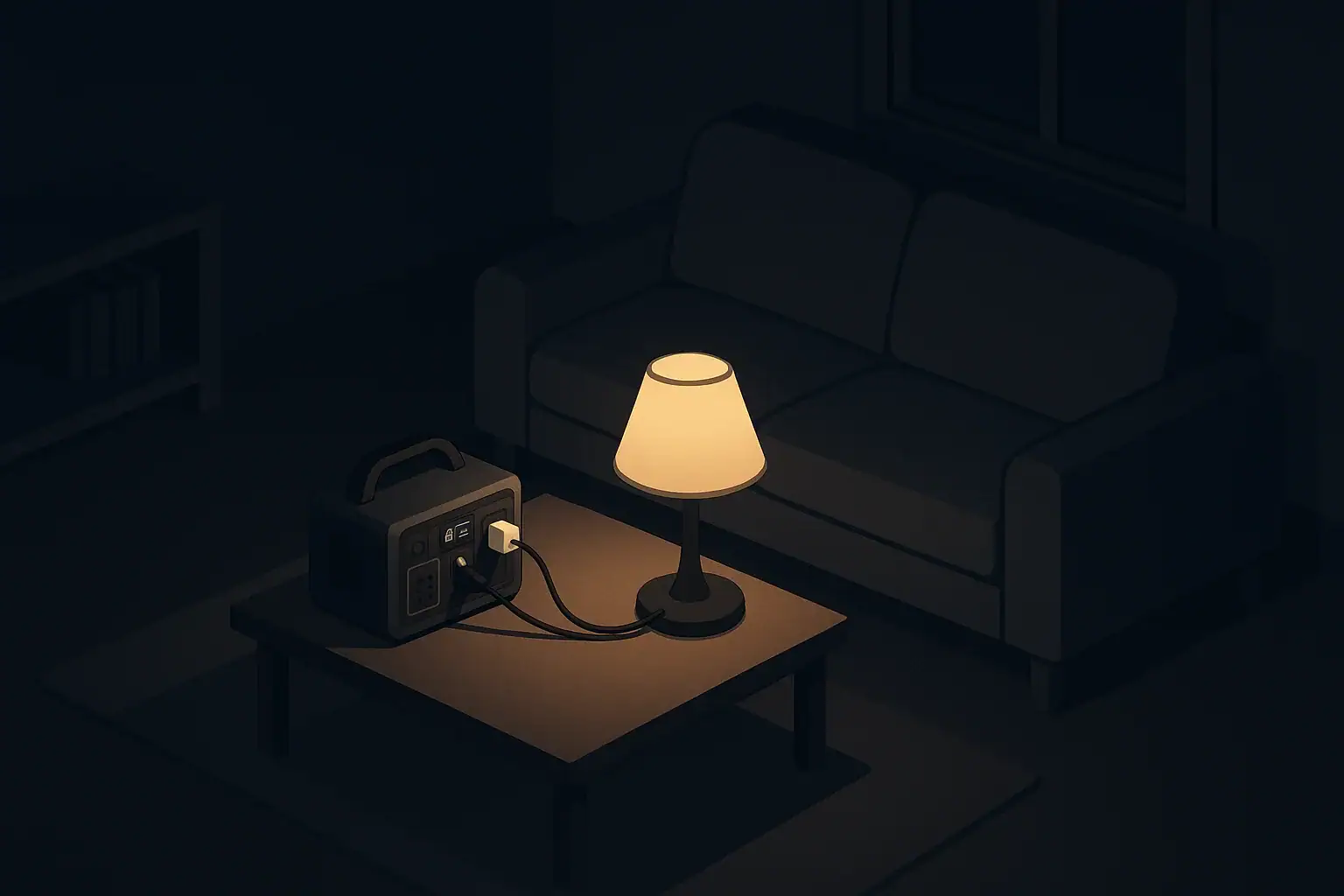
Why a Gas Furnace Still Needs Electricity
Many people assume a gas furnace will keep running during a power outage because it uses natural gas or propane for heat. In modern homes, that is rarely true. Almost all central gas furnaces still rely on electricity to start, control, and safely move heat through your home.
Understanding which parts need power helps you plan realistic backup options and stay safe when the lights go out, especially during cold weather. This breakdown focuses on typical forced-air gas furnaces in houses, townhomes, and some larger apartments in the United States.
Older heating systems, like some gravity furnaces or simple gas wall heaters, may behave differently. However, those are less common in newer construction and often have their own safety considerations.
Key Furnace Components That Rely on Electricity
A gas furnace turns fuel into usable heat, but several electric components must work together for it to operate. If power is lost to any of these, the furnace will usually shut down for safety.
Blower fan (circulating fan)
The blower is the fan that pushes warm air through your ductwork and out of your vents. It is powered by an electric motor that typically draws a moderate amount of electricity while running.
- Without power: The blower will not run, so even if the furnace could burn gas, the heat would not be distributed through the home.
- Why it matters: For most central systems, no blower means no usable heat.
Ignition system
Most newer furnaces use an electronic ignition system instead of a standing pilot light. Common types include hot surface igniters and spark igniters.
- Power use: Igniters draw power briefly when the furnace starts a heating cycle.
- Without power: The furnace cannot light the burners and will lock out for safety.
Control board and safety sensors
Inside the furnace is an electronic control board that works like the “brain” of the system. It reads sensors and controls the sequence of operations.
- Thermostat communication: The control board listens for heat calls from the thermostat.
- Safety devices: Sensors check flame presence, temperature, and venting. These include flame sensors, pressure switches, and limit switches.
- Without power: The control board and safety devices are inactive, so the furnace will not attempt to run.
Draft inducer fan (on many high-efficiency furnaces)
High-efficiency and many mid-efficiency furnaces use a small electric fan called a draft inducer to move combustion gases safely through the vent pipe.
- Role: Ensures proper airflow through the heat exchanger and vent.
- Without power: The furnace cannot safely vent exhaust and typically will not fire.
Thermostat and low-voltage controls
Most thermostats need a small amount of electricity from the furnace or a battery. The low-voltage system that connects the thermostat to the furnace is powered by a transformer inside the furnace, which itself requires household electricity.
- Wall thermostats: Many modern programmable and smart thermostats require power from the furnace.
- Battery-only thermostats: Some simple thermostats will keep their display on battery power, but the furnace still needs electricity to respond.
Example values for illustration.
| Part of furnace | Needs electricity? | Why it matters in an outage | Simple planning note |
|---|---|---|---|
| Blower fan | Yes | Without it, warm air does not move through ducts. | Top priority if you plan any backup power. |
| Electronic ignition | Yes | Burners cannot light without ignition power. | Usually a short but essential power draw. |
| Control board & sensors | Yes | System will not run without active safety controls. | Needs continuous power while furnace is active. |
| Draft inducer fan | Often | Required for proper venting on many systems. | Include in total watt planning if present. |
| Thermostat | Usually | Cannot call for heat if fully unpowered. | Check if it has backup batteries. |
| Gas supply | No (usually) | Fuel may be available even if power is out. | But furnace still will not run without electricity. |
| Ductwork | No | Just a pathway for air. | Conditioning leaks/insulation helps retain heat. |
When a Gas Furnace Will and Will Not Work in a Blackout
Whether your gas furnace can run during a power outage depends less on the fuel source and more on how your specific system is designed and powered.
Typical modern central gas furnaces
In most US homes with a central forced-air gas furnace, the system will shut down entirely when utility power is lost.
- The blower, control board, and ignition all lose power.
- Safety circuits prevent the gas valve from opening.
- The thermostat may go blank or show an error.
Even though gas lines may still be active, the furnace is not designed to operate without electricity. This is intentional, to keep combustion and exhaust safely controlled.
Older systems with standing pilot lights
Some older furnaces use a standing pilot flame instead of electronic ignition. However, most of these systems still rely on an electric blower and controls.
- Pilot on, furnace off: The small pilot may stay lit, but the main burners will not operate without power to the gas valve and blower.
- Rare exceptions: A few very old or specialized systems may operate passively, but these are uncommon and may not meet current standards.
If you have an older system, an inspection from a qualified technician can clarify how it behaves in an outage and whether upgrades are appropriate.
Gas space heaters and fireplaces
Some gas appliances separate from your central furnace may behave differently in a blackout.
- Direct-vent or vent-free gas heaters: Many require electricity for fans or controls, though some can provide a reduced level of heat without power.
- Gas fireplaces: Some will operate on a standing pilot and manual control, while others need electric ignition or fans.
Each appliance has specific safety instructions. Before relying on any gas heater in a power outage, review the manufacturer’s guidance and local codes, and consider a safety check if you are unsure how it operates.
Apartment and rental considerations
In apartments and rental homes, you may not control the type of heating system installed.
- Central building systems: In some multi-unit buildings, heat is centrally controlled. A power outage may affect the entire system, not just your unit.
- In-unit furnaces: These behave like furnaces in standalone homes and usually shut down without power.
- Space constraints: Backup power options may be limited by building rules or available space.
If you rent, ask your property manager how the building heat works during outages and what backup plans, if any, are in place.
Safe Ways to Stay Warm if Your Furnace is Off
If your gas furnace will not run during a power outage, plan for alternative ways to stay warm safely until electricity is restored. The right approach depends on your home type, climate, and who lives with you, including children, older adults, or pets.
Maximize passive heat you already have
Before bringing in any alternative heat, start with low-risk steps that help retain warmth:
- Close curtains or blinds at night to reduce heat loss through windows.
- Open curtains during sunny daytime hours to let in solar warmth.
- Close doors to unused rooms to concentrate heat in smaller areas.
- Use extra layers of clothing, hats, and socks.
- Use additional blankets or sleeping bags when resting.
These steps are especially helpful for renters and apartment dwellers who may not be able to add equipment.
Portable electric heaters with backup power
Portable electric heaters can provide heat, but they typically draw a lot of power. Running one from a small backup battery is usually not practical for more than a short period.
- High power draw: Many portable heaters can quickly drain smaller backup systems.
- Prioritize: In some cases, powering the gas furnace’s blower with a backup source may be more efficient than running an electric space heater.
- Safety: Follow clearances, never cover heaters, and turn them off if you leave the room or go to sleep.
Non-electric heating options
Some households keep non-electric heating options that are designed for indoor use, such as certain types of vented heaters or wood stoves.
- Use only appliances rated and installed for indoor heating.
- Keep combustibles away from hot surfaces.
- Ensure proper ventilation as required by the appliance.
- Have working smoke and carbon monoxide alarms with fresh batteries.
Avoid bringing outdoor grills, patio heaters, or unvented combustion devices indoors, as they can create serious fire and air quality risks.
Layered planning for different homes
Different living situations call for different readiness levels:
- Small apartments: Focus on insulation steps (curtains, drafts), warm bedding, and compact, safe heating options if allowed by building rules.
- Single-family homes: Consider whether backup power for the furnace blower is realistic, and identify one or two rooms to prioritize for warmth.
- Families and pets: Plan for enough warm layers and sleeping arrangements in a shared room to conserve body heat.
- Seniors or mobility-limited residents: Keep warm clothing and blankets accessible, and plan so that warmth is available in areas where they spend most of their time.
Using Backup Power With a Gas Furnace
Some households explore limited backup power to keep a gas furnace running during outages. This can be helpful in cold regions, but it requires cautious planning and may not be suitable for every home.
Understand what you are powering
In most cases, the main electric load for your furnace is the blower motor. The control board, ignition, and thermostat use less power but are essential for operation.
- Blower motor: Often the largest, continuous draw while heating.
- Startup surge: Motors often use more power when they first start.
- Run time: The furnace cycles on and off; in very cold weather, it may run more frequently.
A licensed electrician or qualified technician can help estimate the electrical needs of your specific furnace and whether it can be safely connected to backup power.
Backup power options in general terms
Common ways people power a gas furnace during an outage include:
- Permanently installed home generators: Typically wired through a transfer switch to safely power circuits, potentially including the furnace.
- Portable generators: Can power a furnace if configured correctly with appropriate safety equipment. Backfeeding a home without a transfer device is unsafe.
- Battery-based backup systems: May power lower-wattage devices more easily than high-draw appliances, but some setups can handle a furnace blower for limited time.
Any connection between a backup source and a furnace should be designed and installed with safety in mind and in line with local codes.
Safety basics for any backup power
Whether you live in a house or an apartment, keep these general safety points in mind:
- Do not run portable generators indoors, in garages, or near windows or doors.
- Use approved cords and connection methods; avoid improvised or overloaded setups.
- Keep backup power equipment dry and protected from the elements as specified.
- Ensure smoke and carbon monoxide alarms are working with fresh batteries.
- Practice turning your system on and off during normal conditions so you understand the process.
Simple Cold-Weather Power Outage Plan
You do not have to be an expert to prepare for a winter power outage that shuts down your gas furnace. A simple written plan helps everyone in the household know what to do.
Step 1: Know your furnace and building limits
- Write down where your furnace is located and how it is powered.
- Note whether you live in a house, condo, or apartment, and any building rules about heaters or generators.
- Identify which rooms tend to stay warmer and which cool quickly.
Step 2: Set up a “warm room” strategy
During a power outage, especially at night, it is often easier to keep one smaller area warm rather than the whole home.
- Pick an interior room or space with few windows, if possible.
- Gather sleeping arrangements so people can share body warmth.
- Keep extra blankets, warm clothing, and simple snacks nearby.
- If safe and allowed, use one carefully monitored heat source for that room.
Step 3: Prepare basic backup lighting and communication
Even though this article focuses on heat, light and communication make any outage easier to manage calmly.
- Keep battery-powered or rechargeable lights where you can find them in the dark.
- Store spare batteries or a way to recharge devices from a power bank.
- Have a simple, written list of important phone numbers in case your phone battery is low.
Step 4: Include water and simple food
Some power outages also affect water pumps or make it harder to cook. A basic reserve helps you ride out a short disruption more comfortably.
- Store some drinking water and a few low-prep foods that do not require cooking.
- Consider needs for infants, older adults, and pets.
- Rotate stored food and water periodically so it stays fresh.
Example values for illustration.
| Device type | Typical watts range (example only) | Planning notes for short outages |
|---|---|---|
| Gas furnace blower | Several hundred watts while running | May be practical on larger generators; check surge needs. |
| Small LED lamp | Single to low tens of watts | Low draw; good candidate for small battery backups. |
| Phone charger | Single-digit watts | Easy to keep powered with modest power banks. |
| Compact fan | Dozens of watts | Useful in warm-weather outages; moderate draw. |
| Portable electric heater | Hundreds to over a thousand watts | Can quickly deplete small backup systems; plan cautiously. |
| Small refrigerator | Hundreds of watts when compressor runs | Cycles on and off; consider food safety time windows. |
| Radio or basic communication device | Single to low tens of watts | Low draw; helpful for updates and information. |
Staying Practical and Calm During Furnace Outages
When the power goes out and your gas furnace stops, it can feel unsettling, especially if temperatures are dropping. Knowing ahead of time which parts of your furnace rely on electricity—and having a simple plan for warmth, light, and communication—turns a stressful surprise into a manageable inconvenience.
Whether you live in a small apartment or a larger home, a few basic steps—warm clothing, a designated warm room, safe heating options, and modest backup power for essentials—go a long way toward keeping everyone comfortable until the furnace comes back to life with the power grid.
Authoritative sources
Safety recommendations can change. Confirm critical details with current official guidance and local authorities.
- CDC: Carbon Monoxide Poisoning Basics
- US EPA: Emergency Disinfection of Drinking Water
- USDA FSIS: Keep Food Safe During Emergencies
Frequently asked questions
Can a gas furnace run during a power outage?
Most modern central forced-air gas furnaces will not run during a power outage because they need electricity for the blower, ignition, and control electronics. In some cases a furnace can run on backup power if a properly sized and installed generator or battery system supplies the required circuits. Always follow local codes and professional advice when adding backup power.
Which furnace components require electricity during a blackout?
The primary components that need electricity are the blower fan, the electronic ignition (hot surface or spark), the control board and safety sensors, and often a draft inducer on high-efficiency units. The thermostat and the transformer that powers its low-voltage controls also rely on household electricity.
Is it safe to use a portable generator or battery to power my gas furnace?
Powering a furnace from a portable generator or battery can be safe if the generator is used outdoors and the furnace circuit is connected via an appropriate transfer switch or interlock. The backup source must be sized to handle the blower’s starting surge and continuous load, and installations should comply with local codes and be reviewed by a qualified electrician.
Will an older furnace with a standing pilot light keep my home warm if the power goes out?
A standing pilot may remain lit when the power goes out, but the main burners and the blower usually still need electricity to operate, so the system typically will not heat the house. A few very old systems might behave differently, but those exceptions are uncommon and may not meet current safety standards.
What are the safest ways to stay warm if my gas furnace won’t run?
Start with passive measures like closing off unused rooms, insulating windows with curtains, wearing extra layers, and using blankets or sleeping bags. If you use supplemental heating, choose appliances rated for indoor use, follow clearances and ventilation requirements, and keep working smoke and carbon monoxide alarms with fresh batteries.
- Simple checklists and realistic planning
- Water, power, lighting, and pantry basics
- Family plans (kids, pets, seniors) and seasonal prep
Affiliate disclosure
As an Amazon Associate, we earn from qualifying purchases. Some links on this site may be affiliate links. If you buy through these links, we may earn a small commission at no extra cost to you. This helps support our content. Learn more.