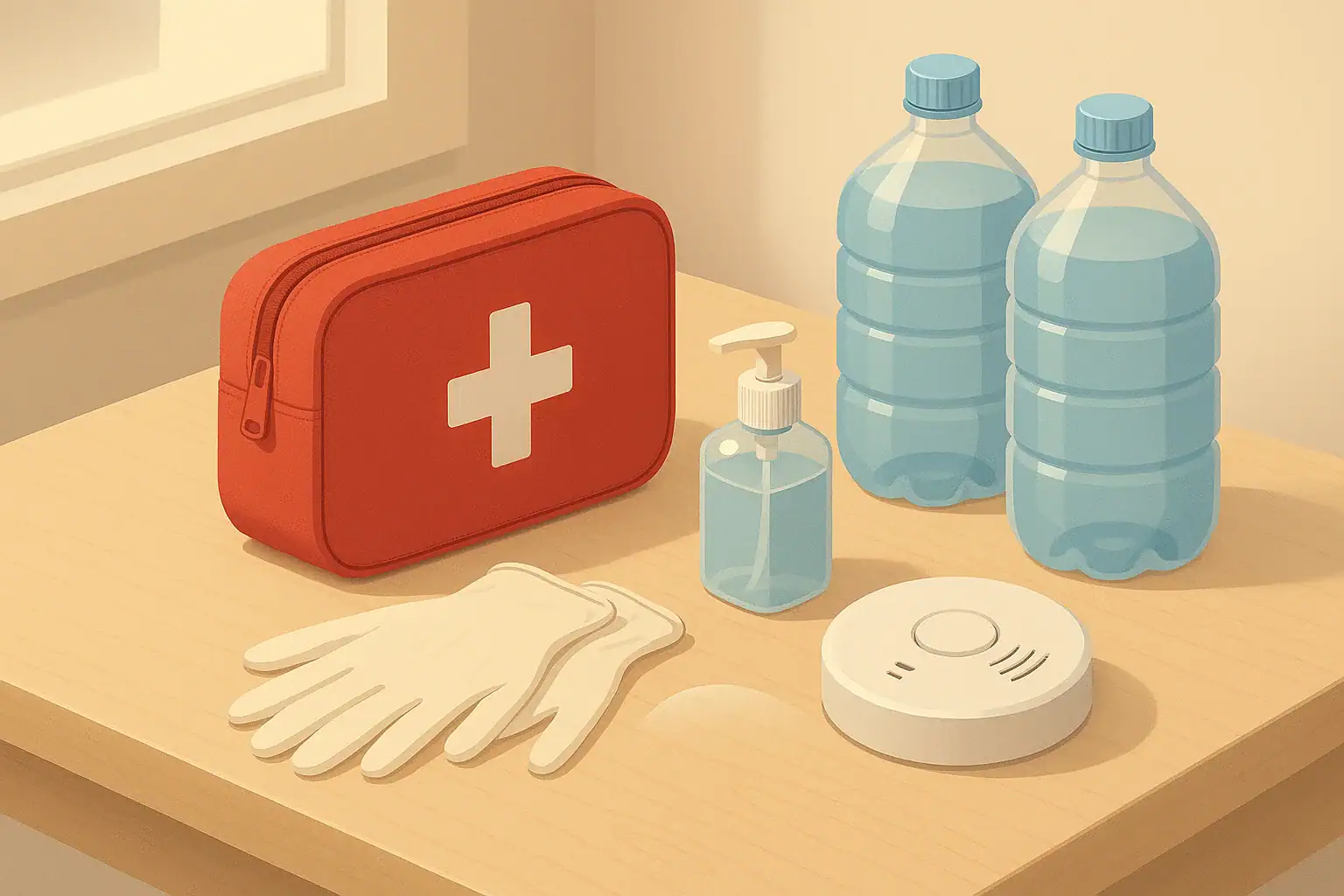
Why Safe Food and Water Handling Matters in Everyday Emergencies
Power outages, water main breaks, and storms can disrupt your normal routines without being major disasters. During these short-term emergencies, safe food and water handling helps you avoid unnecessary illness and waste. You do not need complicated gear or large storage spaces; simple habits and a few supplies make a big difference.
This guide focuses on practical steps anyone can use in an apartment, rental, or house, whether you are planning for a few hours without power or a few days of limited water.
Basics of Safe Emergency Water Handling
Clean water is your top priority in most emergencies. You may need water for drinking, basic food prep, brushing teeth, and minimal hygiene. When water service is disrupted or you receive a boil notice, treat all tap water as unsafe until local authorities confirm it is safe again.
How Much Water to Plan For
For short-term emergencies, a simple target is:
- At least 1 gallon of water per person per day for drinking and basic needs, if possible.
- Extra for pets, basic cooking, and minimal hygiene when you can store it.
In a small apartment, you may not be able to store several large containers. Use a mix of smaller bottles and reusable containers that fit in closets or under beds, and focus on a few days at a time.
Storing Water Safely at Home
For water you store ahead of time:
- Use food-grade containers intended for water or clean, resealable bottles.
- Rinse containers with clean tap water before filling.
- Fill with safe tap water when your supply is normal, then close tightly.
- Label with the fill date using tape or a marker if helpful.
- Keep containers in a cool, dark place away from chemicals and cleaning products.
If you need to store water during a warning or before a storm, you can use cleaned pots, pitchers, and other kitchen containers. Cover them with lids or plastic wrap to keep out dust and insects, and use this water first.
Making Uncertain Tap Water Safer
If officials issue a boil notice or you suspect your tap water is unsafe but still available, simple treatment steps can help in many situations:
- Boiling: Bring water to a rolling boil for at least 1 minute. Let it cool, then store in clean covered containers.
- Disinfecting with unscented household bleach: If boiling is not possible, you may be able to use a small amount of unscented, plain household bleach following directions from a trusted public health or emergency management source. Stir well and let it sit before use.
- Filtering: Home filters can help with taste and particles, but many do not remove all germs. Use them along with boiling or other recommended treatment methods, not instead of them, unless the manufacturer and local guidance state otherwise.
Only treat visibly clear water. If water is cloudy, let particles settle and pour the clear part off the top before boiling or following other trusted guidance.
Example values for illustration.
| Task | Why it matters | Notes |
|---|---|---|
| Store some water before emergencies | Gives you a buffer if taps stop or are unsafe | Use food-grade or thoroughly cleaned containers |
| Label stored water with date | Makes it easier to rotate and use oldest first | Simple tape and pen work well |
| Keep water away from chemicals | Reduces risk of accidental contamination | Avoid garages or closets with cleaners if possible |
| Boil tap water during boil notices | Helps reduce many germs that can cause illness | Let cool and store covered after boiling |
| Use separate containers for treated water | Prevents mixing safe and unsafe water | Mark containers for “treated” vs. “untreated” |
| Prioritize water for drinking | Ensures everyone stays hydrated first | Use wipes or hand sanitizer to save water for hands |
| Keep pet water supply in mind | Pets also need safe drinking water | Plan a small extra amount per animal per day |
Keeping Food Safe When the Power Goes Out
During outages from storms, heatwaves, or equipment failures, the main food safety question is how long perishable food can stay in the fridge or freezer without spoiling. Simple rules and minimal opening of doors help you stretch your safe window.
Refrigerator and Freezer Basics
Use these general ideas during a power outage:
- Keep doors closed as much as possible. Every time you open the fridge or freezer, cold air escapes and food warms faster.
- Group items together. Keeping items close together (especially in the freezer) helps them stay cold longer.
- Use a thermometer if you have one. A simple appliance thermometer can help you know when food has warmed beyond typical safe ranges. Place one in both the freezer and refrigerator if available.
As a rough illustration, a full, unopened freezer often keeps food frozen for longer than a half-full one. A refrigerator that is opened frequently will warm faster than one that is opened rarely. In multi-family housing where outages can be longer, consider coordinating with neighbors to limit door opening or share cooler space if needed.
What to Use First and What to Discard
During a short outage, focus on eating perishable foods that are most sensitive to warmth first. When power returns, use your senses and simple guidelines:
- If food feels warm to the touch and has been at room temperature for several hours, it may no longer be safe.
- If frozen foods still have ice crystals or feel very cold, they can often be refrozen or cooked soon, following standard food safety advice.
- Nonperishable foods in cans, jars, and sealed packages are usually fine unless cans are bulging, leaking, or damaged.
When in doubt, it is usually safer to discard questionable food than to risk eating it. This is especially true for foods like meat, poultry, seafood, dairy, cooked leftovers, and cut fruits or vegetables.
Using Coolers and Ice
If you have access to ice or frozen gel packs:
- Transfer a small selection of high-priority foods (such as milk, some leftovers, or baby food that requires cooling) into a cooler.
- Keep the cooler closed as much as possible to maintain the chill.
- Place a simple thermometer inside if available to monitor the temperature.
In apartments with limited space, a compact cooler can still help protect a few key items.
Simple Rules for No-Cook and Low-Water Meals
When you have limited power or water, planning meals that need little or no cooking and minimal dishes is helpful. This is especially true during hot weather, when cooking indoors can make your home uncomfortably warm, or when you need to save water for drinking.
Building a Practical No-Cook Pantry
Stock a modest shelf of foods that you can eat straight from the package or with very little preparation. Some general examples include:
- Ready-to-eat canned items, such as beans, fish, vegetables, or soups
- Nut butters and shelf-stable spreads
- Crackers, dry cereals, and granola
- Whole or dried fruits
- Shelf-stable milk or milk alternatives
- Instant oatmeal or noodles that can be made with hot tap or boiled water when available
Choose items your household already likes to eat. Rotate them into regular meals so your emergency pantry stays fresh without special effort.
Low-Water Food Preparation
When water is limited or must be boiled before use, reduce the amount needed for food prep and cleanup:
- Use disposable plates and utensils sparingly if you have them, especially for the first day or two of an emergency.
- Line pots and pans with foil or parchment if you must cook, to reduce scrubbing.
- Wipe dishes with a paper towel or clean cloth before washing to reduce the amount of soapy water needed.
- Designate one small basin for soapy water and another for rinsing if possible, instead of washing dishes under running water.
Reserve your cleanest water for drinking, prepared drinks, and essential cooking (like making infant formula if used), then use any remaining treated water for quick rinsing or wiping surfaces.
Special Considerations for Babies, Older Adults, and Special Diets
Households with infants, older adults, or anyone with medical or dietary restrictions benefit from a little extra planning:
- Keep a small backup supply of infant formula, baby foods, or other specialty items your household uses regularly.
- Store ready-to-drink options when possible, especially for infants, to reduce the need for mixing with water.
- Make a simple list of staple foods that work for allergies or other dietary needs so you can quickly pack them into a cooler or go-bag if you need to leave home.
If you rely on powered medical equipment that affects feeding or food storage, consider speaking with your local emergency management office in advance about backup options and local resources.
Safe Handling of Canned and Shelf-Stable Foods
Canned and shelf-stable foods form the backbone of many emergency plans. They are convenient for small spaces and do not require refrigeration until opened. A few simple practices help keep them safe and easy to use.
Storage Tips for Apartments and Small Homes
When space is limited, think vertically and use overlooked areas:
- Store cans and dry goods on sturdy shelves, under beds, or on the top shelf of closets.
- Avoid very hot locations, such as directly next to stoves or radiators.
- Keep food away from cleaning supplies, solvents, and pesticides.
Do a quick visual scan every few months:
- Use older items first in regular meals.
- Set aside any dented, rusted, or bulging cans to discard.
Opening and Using Canned Foods Safely
During emergencies, you might be opening more cans than usual:
- Keep at least one manual can opener with your emergency supplies.
- Wipe the tops of cans with a clean cloth or paper towel before opening.
- Transfer any unused portions into clean, covered containers if you have refrigeration.
- If refrigeration is not available, plan to eat opened canned foods soon after opening.
Be cautious with cans that are leaking, spurting when opened, or have an off odor. It is safer to discard them.
Hygiene, Surfaces, and Cross-Contamination Control
Handwashing and simple surface cleaning are key to safe food and water handling, even when water is limited. Focus on the moments that matter most and use supplies that work in low-water situations.
Handwashing When Water Is Limited
If you have treated or stored water, prioritize handwashing at key times:
- Before preparing food
- Before eating
- After using the bathroom or changing diapers
- After handling garbage or pet waste
Use a small basin, pitcher, or spigot-type container to pour a little water over hands, lather with soap, then rinse. If water is very limited, alcohol-based hand sanitizer can be useful, especially when hands are not visibly dirty.
Cleaning Food Prep Surfaces
To keep counters and cutting boards ready for safe food prep:
- Wipe up spills right away with a clean cloth or paper towel.
- Use a small amount of soapy water to wash surfaces, then wipe with clean water if available.
- Use separate boards or plates for raw and ready-to-eat foods when possible.
If you use a disinfecting product, follow the directions on the label and ensure surfaces are well ventilated while you clean.
Trash, Waste, and Limited Sanitation
Garbage can build up more quickly when you are using more packaged foods. To manage waste safely:
- Double-bag trash that contains food scraps to reduce odors and pests.
- Keep trash bags sealed and away from where you store food and water.
- If regular pickup is delayed, try to store bags in a cool, shaded area.
Households with pets should bag pet waste securely and keep litter boxes or outdoor areas away from food and water storage zones.
Example values for illustration.
| Food type | Storage tip | Rotation interval idea | No-cook use |
|---|---|---|---|
| Canned beans and vegetables | Store in cool, dark cabinet | Check every 6–12 months | Rinse and add to salads or wraps |
| Canned fish or meats | Keep together on one shelf | Use oldest in weekly meals | Combine with crackers or bread |
| Nut butters | Keep lids tightly closed | Use opened jars within a few months | Spread on crackers or fruit |
| Dry cereal and granola | Seal bags after opening | Rotate with regular breakfasts | Eat dry as a snack |
| Shelf-stable milk or alternatives | Store upright away from heat | Check dates twice a year | Drink plain or with cereal |
| Instant oatmeal or noodles | Keep in labeled bin or box | Use in cooler months regularly | Prepare with boiled or hot tap water |
| Dried fruit and nuts | Store in airtight containers | Refresh every few months | Eat as ready-to-go trail mix |
Simple Planning Habits That Make Emergencies Easier
Safe food and water handling in emergencies is mostly about a few steady habits over time, not last-minute scrambling. You can build these habits gradually without major expense:
- Set a reminder twice a year to look over stored water, pantry items, and any emergency-only foods.
- Practice a “no-cook weekend” once in a while, using only pantry and simple foods, to see what works for your household.
- Talk with family members, roommates, or caregivers about basic rules: keep fridge doors closed in outages, do not drink untreated tap water during boil notices, and discard food that seems questionable.
Whether you live in a small city apartment or a larger home, these straightforward steps help keep your household more comfortable and safer during the kinds of short-term disruptions most people experience at some point.
Authoritative sources
Safety recommendations can change. Confirm critical details with current official guidance and local authorities.
- US EPA: Emergency Disinfection of Drinking Water
- USDA FSIS: Keep Food Safe During Emergencies
- CDC: Guidelines for Cleaning Safely After a Disaster
Frequently asked questions
How long can refrigerated and frozen foods stay safe during a power outage?
As a general guideline, a refrigerator will keep food safely cold for about 4 hours if the door remains closed. A full freezer can keep items frozen for about 48 hours (about 24 hours if it is half-full). Use an appliance thermometer if available, and discard perishable foods that have been above 40°F (4°C) for more than 2 hours.
What is the simplest way to make uncertain tap water safe during short-term emergencies?
Bring water to a rolling boil for at least 1 minute, then let it cool before storing in clean, covered containers. If boiling is not possible, follow local public health guidance for using a measured amount of unscented household bleach to disinfect clear water; consider filters only as an adjunct unless they are certified to remove pathogens.
How much water should I plan to store per person for short-term emergencies?
Plan for at least 1 gallon (about 4 liters) per person per day for drinking and basic needs, and store extra for pets and limited cooking or hygiene uses. In small living spaces, prioritize a few days’ worth of water in smaller bottles or reusable containers that fit in closets or under beds.
Can I refreeze food that has partially thawed during an outage?
If frozen food still contains ice crystals or feels very cold, it can generally be refrozen or cooked safely. However, perishable items that have warmed above 40°F (4°C) for more than 2 hours should be discarded to reduce the risk of foodborne illness.
How should I wash hands and clean food-prep surfaces when water is limited?
Use a basin or pitcher to pour a controlled amount of water for handwashing: wet hands, lather with soap, then pour rinse water; when hands are not visibly dirty, alcohol-based hand sanitizer is an effective alternative. For surfaces, wipe spills immediately, clean with a small amount of soapy water, and follow with a minimal clean-water wipe or an approved disinfectant per label instructions.
- Simple checklists and realistic planning
- Water, power, lighting, and pantry basics
- Family plans (kids, pets, seniors) and seasonal prep
Affiliate disclosure
As an Amazon Associate, we earn from qualifying purchases. Some links on this site may be affiliate links. If you buy through these links, we may earn a small commission at no extra cost to you. This helps support our content. Learn more.