Why Heating Safety Matters During a Power Outage
When the power goes out in cold weather, staying warm becomes a priority. It can be tempting to improvise heat with whatever you have on hand, especially if the outage lasts for hours or days. However, many common “quick fixes” create serious fire and air quality risks indoors.
This guide focuses on what not to do for indoor heating during a power outage, along with safer ways to stay warm in a typical U.S. home or apartment. The goal is realistic, calm preparedness: enough knowledge to avoid major hazards and make the best of a challenging situation.
Most risks fall into three categories:
- Fire hazards from open flames or overheated materials
- Poor indoor air quality from fumes, smoke, or exhaust
- Equipment misuse such as running outdoor appliances inside
Understanding common mistakes can help you make better decisions when the lights go out, whether you live in a small apartment, a rented house, or a larger home.
What Not to Use for Indoor Heat When the Power Is Out
Some heating methods are simply not meant for indoor use, or only safe under very specific conditions. In an outage, it is especially important to resist the urge to “just this once” bend the rules.
Do Not Use Outdoor Grills or Camp Stoves Indoors
Charcoal grills, gas grills, and most camp stoves are designed for outdoor, open-air use. Using them inside a home, garage, or enclosed porch can quickly lead to dangerous levels of combustion byproducts and heat buildup.
Avoid using these indoors, even with windows open:
- Charcoal grills
- Gas or propane grills
- Most portable camp stoves
- Smokers or fire pits
If you need to cook during an outage, keep these devices well outside, away from doors, windows, or vents, and focus on non-heat indoor options (like ready-to-eat pantry foods) when possible.
Avoid Running Generators in or Near the Home
Portable generators belong outdoors in a well-ventilated area, placed away from windows, doors, and vents. Running a generator inside a garage, basement, or near open windows can pull exhaust into living spaces.
For heating specifically, avoid these practices:
- Do not try to run electric space heaters from a generator inside the house.
- Do not place the generator on a balcony directly outside open windows in apartments.
- Do not bring the generator indoors to “protect it from weather.”
If you use a generator, keep it outside on stable ground and use it for essential devices through properly rated cords or transfer equipment only.
Do Not Use Ovens or Stovetops as Heaters
Kitchen ovens and stovetops are for cooking, not space heating. Using them as a primary heat source can overheat nearby surfaces and contribute to poor indoor air quality, especially in tightly closed homes.
Avoid these practices:
- Leaving a gas oven door open to heat the room
- Running multiple burners on high for warmth
- Using pots of boiling water as a main heat source
While briefly boiling water for food or hot drinks is fine in normal use, do not rely on cooking appliances for space heating. Focus instead on conserving body heat by layering clothing and closing off unused rooms.
Be Very Careful with Fireplaces and Wood Stoves
If you have a properly installed and maintained fireplace or wood stove, it can be a valuable backup heat source. However, there are still things you should avoid:
- Do not burn trash, treated wood, or wet wood.
- Do not leave fires unattended or burning overnight while everyone sleeps.
- Do not block air vents or close flues that should remain open while burning.
- Do not overload the firebox with too much fuel at once.
Use dry, appropriate fuel, keep a barrier in place to contain embers, and ensure working smoke and carbon monoxide detectors on every level of your home.
Example values for illustration.
| Common idea | Why to avoid it | Safer direction to focus on |
|---|---|---|
| Use gas oven to heat kitchen | Overheats surfaces, adds combustion byproducts | Dress in layers, close interior doors, use blankets |
| Run charcoal grill in garage | Produces fumes that can accumulate indoors | Use grill only outside; eat cold or shelf-stable foods |
| Bring generator into basement | Concentrated exhaust in enclosed space | Keep generator outside, run only essentials |
| Burn random household items in fireplace | Unpredictable smoke, residues, and sparks | Use dry, appropriate fuel only |
| Light many candles for heat | Fire risk, limited actual warmth | Use flashlights for light and layers for warmth |
| Use space heater with improvised wiring | Overloaded cords and outlets | Use properly rated cords or skip the heater |
Hidden Air Quality Risks When You Improvise Heat
During a power outage, homes are often sealed up to keep warm air in. That same tight seal can trap fumes inside if you use the wrong heat sources. This is especially important for families with children, older adults, or anyone who may be more sensitive to air quality.
Do Not Block All Ventilation
It is natural to try to keep every bit of warmth inside, but shutting every vent, window, and door without considering air movement can be a problem, especially if you are burning any fuel indoors.
Avoid:
- Completely taping over vents that are designed to provide make-up air for fireplaces or stoves
- Burning any fuel (candles, lanterns, fireplace) in a tiny, fully sealed room
In an outage, strike a balance: keep most doors and windows closed for warmth, but do not disable or block ventilation systems that equipment relies on to exhaust fumes.
Avoid Overusing Candles and Fuel-Burning Lanterns
Candles and fuel-burning lanterns can provide light and a small amount of warmth, but they are more useful for visibility than for heating. They also introduce open flames and combustion byproducts.
Limit risks by avoiding:
- Clusters of candles close to curtains, bedding, or paper
- Leaving candles or lanterns burning while you sleep
- Using improvised holders that can tip or melt
Prioritize battery-powered lights for illumination, and treat any flame-based light as a last resort, used sparingly and under close supervision.
Do Not Run Vehicles for Heat in Attached Garages
When the house is cold, sitting in a vehicle for warmth may feel like a solution. However, running a car or truck in an attached garage, even with the door open, can push exhaust into the home.
If you must warm up in a vehicle during extreme cold:
- Move the vehicle completely outdoors and away from the building.
- Clear snow or debris away from the tailpipe.
- Run the engine only periodically rather than continuously.
Use the vehicle as a short-term warming space, not as your main heat source.
Common Fire Hazards to Avoid When It Gets Cold Indoors
Anytime you introduce flame, high heat, or overloaded wiring in a dark, cold house, the chance of a fire increases. Outages also slow response time: it may take longer to notice a fire starting or to get help.
Do Not Overload Extension Cords for Space Heaters
If you have a space heater that can run from a generator or alternate power source, be cautious. Space heaters draw significant power and can overheat cords if not connected properly.
Avoid:
- Using thin, household extension cords for high-draw heaters
- Daisy-chaining multiple extension cords together
- Running cords under rugs, bedding, or furniture
Whenever possible, plug space heaters directly into a suitable outlet. If the setup feels improvised or questionable, it is safer to skip the heater and rely on insulation and clothing layers.
Keep Flammable Items Away from All Heat Sources
In a cold, cluttered room, it is easy to drag blankets, clothing, or pillows closer to any warmth. This creates a fire path from the heater, stove, or fireplace to the rest of the room.
Try to maintain a clear space around any heat source:
- Keep bedding and furniture a few feet away from fireplaces and stoves.
- Do not drape wet clothes directly onto heaters or near open flames.
- Store extra firewood or fuel in a stable, separate area.
Think ahead before it gets dark: rearrange items so pathways and heater clearances are obvious even with limited light.
Do Not Leave Heat Sources Unattended
In outages, routines are disrupted. People may fall asleep earlier, move from room to room, or gather in one space. This makes it easy to forget a small flame or hot appliance running in the background.
Make a simple rule for the household:
- If everyone leaves a room, all flames and portable heaters in that room are turned off or fully extinguished.
- Nighttime heat should be passive (blankets, clothing, closed rooms), not active flames.
This rule is especially important in homes with children, pets, or anyone who might accidentally bump or move things in the dark.
Safer Ways to Stay Warm Without Risky Heating Hacks
Staying safe during an outage does not have to mean being miserable. A focus on conserving body heat and managing indoor spaces can keep you reasonably comfortable while avoiding high-risk heating methods.
Use Layers and Insulation Instead of Extra Heat
Before experimenting with fuel or appliances, maximize simple, low-risk steps:
- Wear multiple loose, warm layers instead of a single heavy garment.
- Add hats, socks, and light gloves indoors if needed.
- Use extra blankets or sleeping bags to trap warmth at night.
For many short outages, these measures are enough to stay safe and reasonably warm without additional heat sources.
Shrink Your Living Space Temporarily
Heating a smaller area is easier than heating an entire home. Instead of trying to warm every room, choose one or two spaces to serve as your main living and sleeping area.
Simple ways to do this:
- Close doors to unused rooms to reduce drafts.
- Hang blankets or sheets over open doorways if there are no doors.
- Place rugs or towels on bare floors to cut down on heat loss.
For families, choose a room that can comfortably fit everyone’s sleeping gear, plus pets, so body heat is shared in one space.
Plan for Safe Backup Heating Before You Need It
If outages are common where you live, consider planning ahead for a safe, properly installed backup heat source. Options vary widely by home type, climate, and budget, but some households explore:
- Professionally installed vented heaters designed for emergency use
- Upgraded insulation and air sealing to maintain warmth longer
- Non-electric heating options that are rated for indoor use with appropriate ventilation
Whatever you choose, treat heating equipment as a system: consider fuel storage, ventilation, detectors, and clear household rules for use during an outage.
Example values for illustration.
| Food type | Storage tip | Rotation interval idea | No-cook use |
|---|---|---|---|
| Canned beans | Store in a cool, dry cabinet | Use and replace every several months | Drain and eat with seasonings |
| Nut butters | Keep tightly sealed after opening | Work into weekly snacks | Spread on crackers or bread |
| Ready-to-eat soups | Group by date on a pantry shelf | Use oldest first in regular meals | Eat at room temperature if needed |
| Granola or cereal | Seal in airtight container after opening | Rotate with breakfast routine | Eat dry as a snack |
| Canned fish or poultry | Store away from heat sources | Use periodically in sandwiches | Mix with crackers for protein |
| Shelf-stable milk or alternatives | Keep in original cartons | Use older cartons in everyday cooking | Drink straight or with cereal |
| Dried fruit and nuts | Store in sealed bags or jars | Use in snacks and trail mixes | Combine for quick energy |
Household Communication and Safety Checks During a Cold Outage
Even with good preparation, a cold, dark home can be stressful. A few simple routines can keep everyone on the same page and reduce the temptation to try unsafe heating shortcuts.
Set Clear House Rules Around Heat Sources
Before or during the outage, talk through basic rules that everyone understands, including older children:
- Which rooms are being used and which are off-limits
- What heat sources are allowed, and who is allowed to operate them
- What must be turned off or extinguished before bedtime
Writing the rules down on paper and keeping them visible can help prevent disagreements or risky improvisation when people are tired or cold.
Check Detectors and Basic Safety Gear Regularly
In any outage, especially in cold weather, your home safety basics become more important:
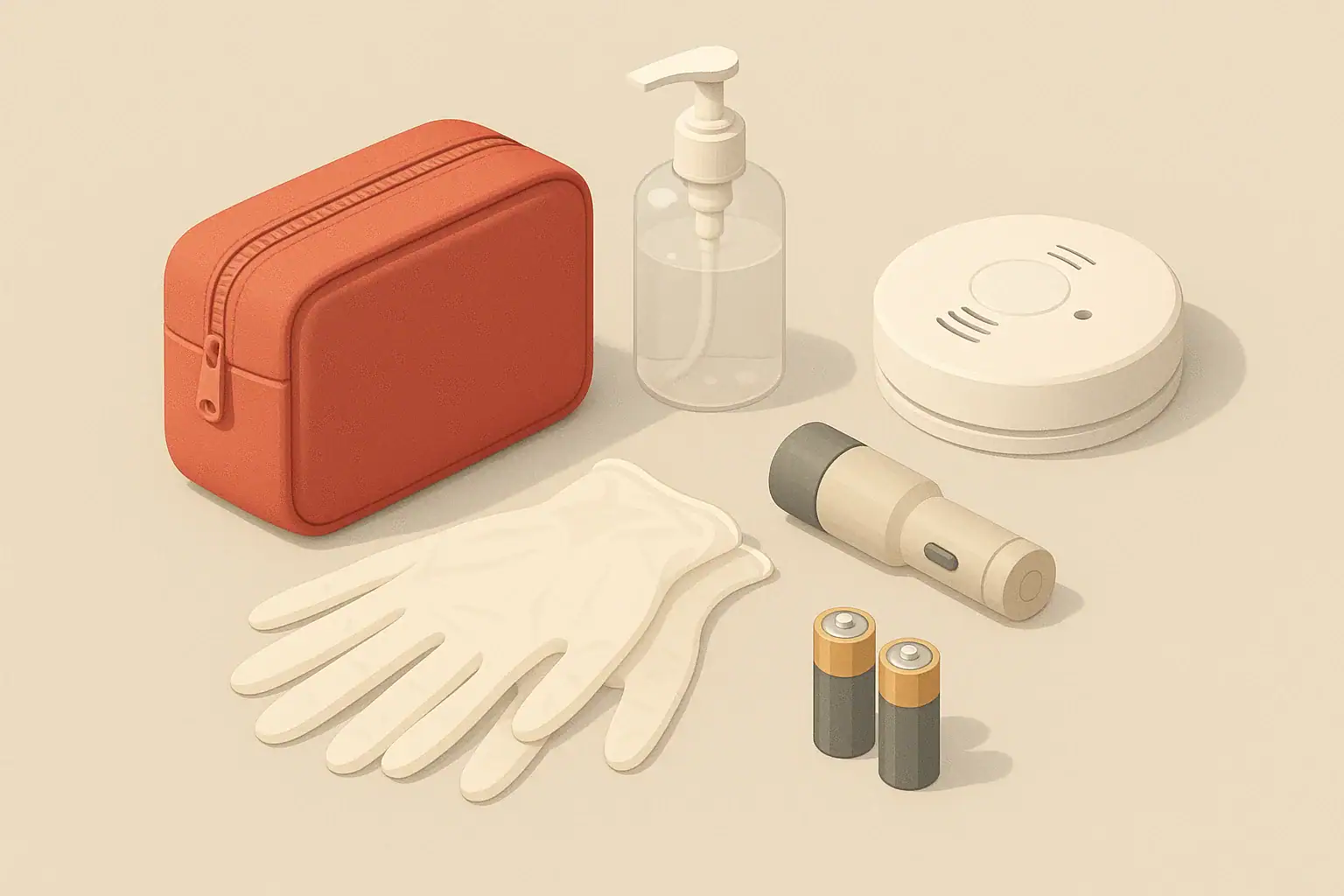
- Test smoke detectors and carbon monoxide detectors using their built-in test buttons.
- Know where your fire extinguishers are and how to use them.
- Keep flashlights and extra batteries in fixed, easy-to-reach spots.
These steps do not generate heat, but they give you more room to safely navigate the outage, even if mistakes happen.
Have a Plan to Leave if Conditions Become Unsafe
Power outages vary widely. In many cases you can safely remain at home with basic precautions. However, if indoor temperatures drop too low for comfort and you do not have a safe way to generate heat, consider other options:
- Staying with friends or family who have power
- Visiting a designated warming center or community shelter, if available
- Using a local community resource such as a library or community center during open hours
Make these decisions before anyone becomes overly chilled, stressed, or tempted to try unsafe heating methods. It is better to relocate temporarily than to rely on high-risk improvised heat sources inside your home.
Authoritative sources
Safety recommendations can change. Confirm critical details with current official guidance and local authorities.
- CDC: Carbon Monoxide Poisoning Basics
- USDA FSIS: Keep Food Safe During Emergencies
- U.S. CPSC: Battery Safety
Frequently asked questions
Can I use a charcoal or propane grill indoors to heat my home during a power outage?
No. Charcoal and propane grills produce carbon monoxide and other combustion byproducts and create a significant fire risk when used indoors. Always operate these devices outdoors, well away from doors, windows, and vents.
Is it safe to run a portable generator on a balcony or in a garage?
No. Generators should be run outdoors on stable, level ground away from windows, doors, and vents to prevent exhaust from entering living spaces. Use properly rated cords or a transfer switch for essential appliances and never run a generator inside an enclosed area.
How can I use a fireplace or wood stove safely during an outage?
Use only a properly installed and maintained fireplace or wood stove with dry, seasoned wood and never burn trash or treated materials. Keep flues open when burning, use barriers to contain embers, never leave fires unattended, and ensure working smoke and carbon monoxide detectors are present.
What are the signs of carbon monoxide poisoning and what should I do if I suspect exposure?
Early symptoms include headache, dizziness, nausea, weakness, and confusion; severe exposure can cause loss of consciousness. If you suspect carbon monoxide exposure, move everyone outdoors immediately, call emergency services, and seek medical attention; regularly test CO detectors to reduce risk.
Can I rely on candles or fuel-burning lanterns as a primary heat source during an outage?
No. Candles and fuel-burning lanterns produce minimal heat but introduce open flames and combustion byproducts, making them unsafe for primary heating. Use battery-powered lights for illumination and keep any flame-based light supervised and away from flammable materials.
- Simple checklists and realistic planning
- Water, power, lighting, and pantry basics
- Family plans (kids, pets, seniors) and seasonal prep
Affiliate disclosure
As an Amazon Associate, we earn from qualifying purchases. Some links on this site may be affiliate links. If you buy through these links, we may earn a small commission at no extra cost to you. This helps support our content. Learn more.