Why Hygiene and Sanitation Matter During Outages
Short-term outages and disruptions are common across the United States. Winter storms, hurricanes, heatwaves, and local utility work can all interrupt power or water service for hours or days. While most people think first about lights and food, basic hygiene and sanitation are just as important for staying comfortable and avoiding messy or unsafe situations.
You do not need an elaborate setup to manage. A few simple supplies and a basic plan can help you:
- Flush toilets safely when water is limited
- Maintain handwashing and basic cleanliness
- Handle trash and waste so it does not build up indoors
- Adapt for apartments, small homes, kids, pets, and older adults
This guide focuses on realistic, short-term situations: outages lasting from several hours to a few days. The goal is practical home readiness, not extreme or long-term scenarios.
Toilet Options When Power or Water Are Out
Most homes in the U.S. either use a municipal sewer system or a private septic system. Power and water outages affect these differently. Understanding how your system works helps you pick simple, safe backup options.
Using a Standard Flush Toilet During Outages
On city water and sewer, a short power outage may not affect your toilet right away. The main limitation is usually your water supply, not the toilet itself.
Key points for standard toilets:
- If water still runs: You can usually flush as normal, but consider “if it’s yellow, let it mellow” to conserve water.
- If water is off: Many toilets can be flushed by manually adding water to the bowl.
- If you have a well with an electric pump: When power is out, your toilet will not refill without stored water.
To manually flush most toilets when water is off:
- Fill a container with about a bucket’s worth of water.
- Pour steadily into the bowl (not the tank) from a moderate height.
- The rush of water usually triggers the siphon and flushes the bowl.
Use stored or collected water that is not needed for drinking or cooking, such as melted clean ice or water from a bathtub you filled when the outage was expected.
When You Should Not Flush
There are situations where flushing can cause bigger problems:
- Flooded areas where local officials ask residents to limit flushing to protect overloaded sewer lines.
- Damaged sewer or septic systems after storms, flooding, or backup incidents in your home.
- Elevated pump systems (like some basements or uphill homes) that rely on electric pumps to move wastewater.
If you suspect damage or are told not to flush, switch to a no-flush option until systems are checked or restored.
No-Flush Toilet Alternatives
No-flush setups can range from very simple to more structured. For short-term outages in typical homes and apartments, the aim is usually to:
- Contain waste
- Control odor
- Make final disposal manageable when services resume
Common short-term approaches include:
- Bucket toilet: A sturdy bucket with a liner bag, used as a temporary toilet.
- Lined toilet bowl: Turning off water to the toilet and using a heavy-duty liner in the bowl.
- Outdoor cat-hole or pit (where allowed and safe), more common in rural settings with yard space.
Basic setup for a bucket or lined toilet:
- Use thick, leak-resistant bags as liners.
- Add a small amount of absorbent material after each use, such as shredded paper, sawdust, or a small amount of kitty litter.
- Close or tie bags securely when they are no more than about half full.
- Store tied bags in a sturdy container with a lid (such as a trash can) in a cool, out-of-the-way place until regular trash service returns or local guidance is available.
Avoid putting human waste bags in compost piles or burying them in small yards, especially in dense neighborhoods. Follow local waste guidance when available.
Example values for illustration.
| Situation | Recommended Toilet Approach | Notes |
|---|---|---|
| Power out, water still running, city sewer | Use standard flush toilet | Conserve water by reducing flushes when possible. |
| Power out, well pump off, water stored | Manual flush with stored water | Reserve better-quality water for drinking and cooking first. |
| Water main break, no tap water | Manual flush or lined toilet | Use non-drinking water for flushing if available. |
| Sewer backup or suspected line damage | No-flush option (bucket or lined bowl) | Avoid adding more water to a stressed system. |
| Small apartment, limited space, short outage | Lined toilet bowl | Uses existing toilet as a stable support and seat. |
| House with yard, rural location | Bucket toilet or permitted outdoor setup | Check local rules before long-term outdoor use. |
| Family with young kids or seniors | Stable, seated option (lined toilet or bucket with seat) | Prioritize comfort and ease of use to reduce accidents. |
Handwashing and Personal Hygiene Without Running Water
Handwashing remains one of the simplest ways to reduce everyday germs, especially during power and water outages when routines change. With a bit of planning, you can keep handwashing practical even when faucets are off.
Storing Water for Handwashing
It is helpful to set aside specific water for washing, separate from drinking water. For many households, this might be a few extra containers or jugs. As a simple example, a household might keep several gallons set aside purely for washing and cleaning tasks.
Ideas for non-drinking water sources for handwashing include:
- Water stored in dedicated jugs or containers
- Water from a previously filled bathtub (if reasonably clean)
- Collected rainwater in clean containers (for external use only)
Use your safest water for drinking and food. For handwashing, reasonably clean but non-potable water can often be acceptable when paired with soap, especially if you dry hands thoroughly with a clean towel or disposable paper.
Simple Handwashing Setups
You can improvise a handwashing station near the kitchen or bathroom:
- A large container of water with a spigot set on a counter or sturdy surface
- A basin or tub underneath to catch the water
- Soap and a clean towel or paper towels nearby
If you do not have a spigot container, pour a small amount from a jug while another person washes, or use a small cup to pour over your own hands over a basin.
Basic steps to wash hands with limited water:
- Wet hands with a small amount of water.
- Apply soap and lather thoroughly, including between fingers and under nails.
- Pour just enough water to rinse off the soap.
- Dry hands on a clean towel or disposable towels.
Using Hand Sanitizer Wisely
Alcohol-based hand sanitizer can be a useful backup when water is limited, especially:
- Before preparing or eating food
- After using the toilet or handling waste bags
- After caring for infants, older adults, or pets
Keep small sanitizer bottles in multiple places: near your temporary toilet, by your food preparation area, and in go-bags. Remember that sanitizer works best on visibly clean hands; if hands are heavily soiled, try to wipe or wash them first.
Quick Body Hygiene During Outages
Bathing may be less frequent during an outage, but simple routines help you stay reasonably clean and comfortable:
- Use a small basin of water and a washcloth to clean face, underarms, and other areas.
- Use unscented wipes if available; dispose of them in trash, not toilets.
- Change into clean, dry clothes regularly, especially undergarments and socks.
Focus on areas that tend to get sweaty or dirty and adjust based on available water and your household’s comfort needs.
Managing Trash and Household Waste
Trash and waste can pile up faster when your routine changes. Power outages can interrupt normal garbage collection, and extra disposables (wipes, paper plates, liners) may increase your waste volume. A simple plan helps you keep trash contained and out of living areas.
Separating Different Types of Waste
During outages, separating waste can make later disposal easier:
- Regular trash: Packaging, food scraps, paper goods.
- Bathroom-related trash: Wipes, sanitary products, diapers, toilet liners.
- Human waste bags: If using a bucket or lined toilet, keep these separate in well-tied bags.
Use sturdy bags and containers with lids whenever possible, especially for anything that may smell strongly.
Reducing Trash During an Outage
You may not be able to reduce all waste, but some small adjustments help:
- Plan simple meals that produce fewer dishes and packaging.
- Use reusable plates and utensils if you can wash them with limited water.
- Rinse cans or food containers lightly before bagging to reduce odors if water allows.
If using disposable plates and utensils to save water, bag them tightly after use and store bags away from sleeping and living areas.
Food Scraps and Odor Control
If refrigeration is limited or off, you may have more food waste than usual. To manage this:
- Cook perishable foods early and in smaller amounts to reduce leftovers.
- Use a small, lined container with a lid for food scraps and empty it into your main trash bag regularly.
- Store filled trash bags in a cool location, such as a garage or balcony if weather and building rules allow.
A small sprinkle of baking soda or a layer of dry material (like shredded paper) in trash bags can help reduce smells.
Special Considerations for Different Homes and Households
Hygiene and sanitation plans look different in apartments, small homes, and larger houses. They also vary for families with kids, pets, or older adults. Tailor these ideas to your own space and needs.
Apartments and Small Spaces
In apartments, you may not have outdoor space or a garage. Focus on compact, contained setups:
- Use a lined toilet bowl or a compact bucket toilet that can be stored in a closet when not in use.
- Keep a small lidded container for bathroom-related trash to limit odors.
- Store a few flat, collapsible water containers for handwashing water that take up little space when empty.
- Agree on simple household rules for flushing, handwashing, and trash during outages to avoid confusion.
Be mindful of building rules about balconies, hallways, and shared trash areas. Avoid leaving waste where it could bother neighbors or attract pests.
Families with Children
Kids may find outages unsettling, and changes to bathroom routines can add stress. A simple, predictable setup can help:
- Explain in age-appropriate terms how the “special outage bathroom plan” works.
- Ensure any bucket or emergency toilet is stable and at a safe height.
- Keep extra wipes, small trash bags, and hand sanitizer near changing stations for babies and toddlers.
- Build a short handwashing routine into outage “games” or schedules to make it feel normal.
Have extra clothes and bedding easily accessible in case of accidents, especially at night.
Older Adults and People with Mobility Challenges
For seniors or anyone with limited mobility, focus on reducing trips, improving stability, and keeping supplies close:
- Consider a bedside commode-style bucket or lined seat if walking to the bathroom is difficult in the dark.
- Keep a stable light source (such as a battery-powered lamp) near the toilet area to reduce falls.
- Place hand sanitizer and wipes within easy reach of toilets and beds.
- Arrange furniture to create clear, obstacle-free paths to bathrooms and washing areas.
If you care for someone with special medical needs, include their supplies (such as gloves, underpads, or extra linens) in your outage planning.
Pets and Their Waste
Pets still need consistent care during outages. Their waste can add to trash volume and odors if not managed:
- Keep extra pet waste bags and a designated trash container with a lid.
- For indoor cats, have additional litter on hand in case you cannot shop as usual.
- Set up a stable litter area that pets can access safely in low light.
- Store pet food in sealed containers to reduce odors and prevent pests.
Include pets in your handwashing routine, especially after cleaning litter boxes or picking up waste.
Simple Hygiene and Sanitation Kit for Outages
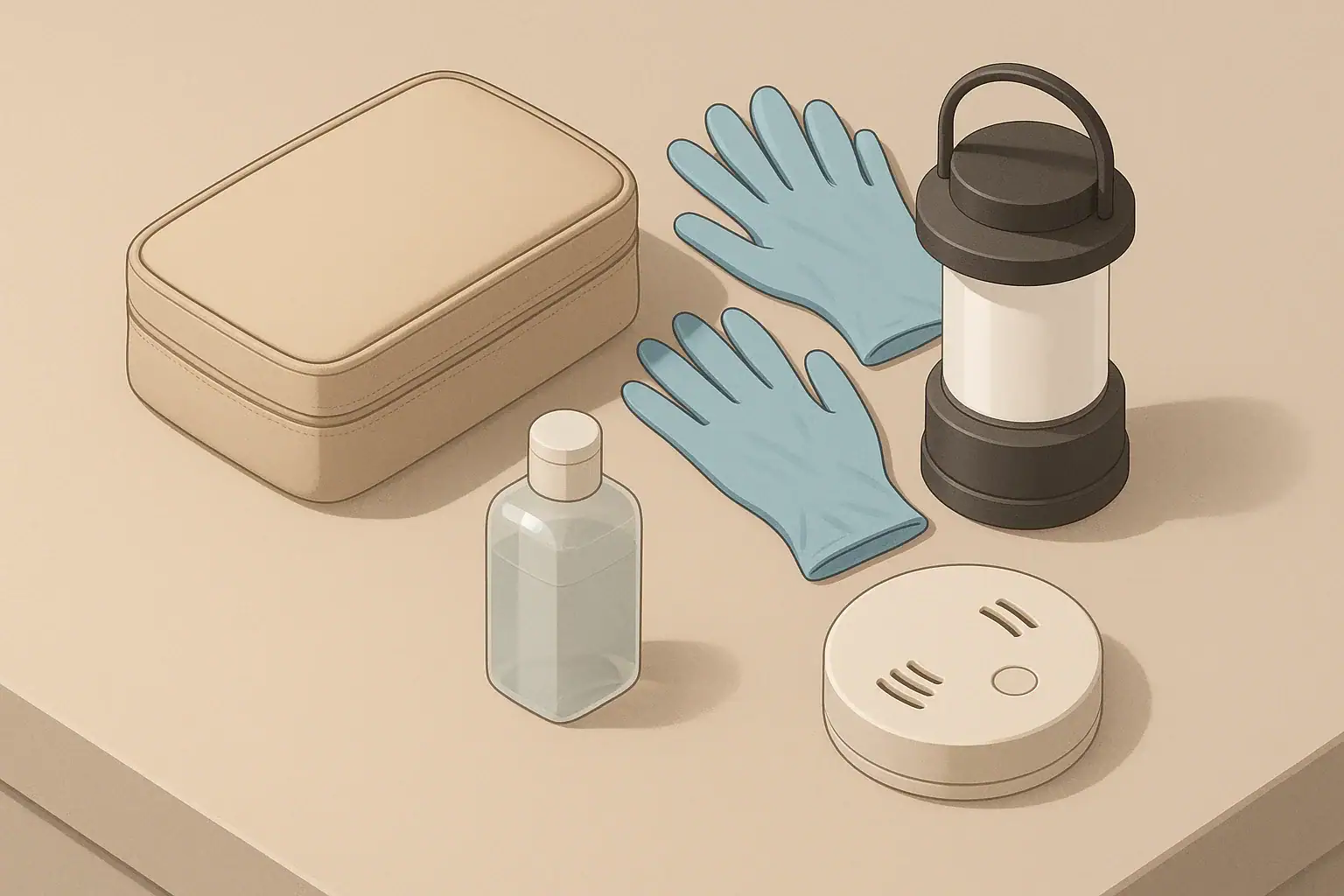
Putting together a small hygiene and sanitation kit makes it easier to respond calmly when an outage happens. You can store most items together in a plastic bin or duffel bag so they are easy to find.
Core Supplies to Consider
Adjust quantities based on your household size and space, but common items include:
- Heavy-duty trash bags and smaller bathroom trash bags
- Thick liners suitable for a bucket or toilet bowl
- Bucket or other stable container (if planning a bucket toilet)
- Toilet paper and tissues
- Soap (bar or liquid) and hand sanitizer
- Wipes (unscented if possible)
- Absorbent material (shredded paper, sawdust, or small amount of kitty litter)
- Disposable gloves for handling waste bags
- Clean rags or cloths for general cleaning
Additional helpful items:
- Baking soda or similar odor-absorbing powder
- A small, battery-powered light to keep in or near the bathroom
- Spare towels dedicated to outage use
- Portable or collapsible water containers
Organizing and Rotating Your Kit
Once a year, or before seasons when outages are more common in your area, take a few minutes to:
- Check that all items are still in good condition and easy to find.
- Replace any liquids or wipes that have dried out.
- Top up used items such as trash bags, toilet paper, or sanitizer.
- Update your plan based on any changes in your household, such as a new baby, pet, or medical need.
Example values for illustration.
| Need | Simple Supplies | Safe Use Note | Disposal Idea |
|---|---|---|---|
| Toilet use without running water | Bucket or lined toilet, heavy-duty bags, absorbent material | Keep setup stable; keep children supervised. | Tie bags securely and store in lidded trash container. |
| Basic handwashing | Water container, basin, bar soap, towels | Use small amounts of water; dry hands thoroughly. | Pour used water down a working drain when available. |
| Quick cleaning after bathroom use | Wipes, toilet paper, small trash bags | Do not flush wipes; use trash instead. | Bag separately from regular trash if heavily soiled. |
| Managing odors | Baking soda, extra liners, lidded can | Sprinkle lightly; avoid breathing in powder directly. | Seal bags before larger trash collection. |
| Pet waste | Pet waste bags, extra litter, scooper | Wash or sanitize hands after handling waste. | Double-bag and place with household trash when allowed. |
| Body hygiene | Washcloths, small basin, mild soap | Use warm water if safely available; avoid slippery floors. | Discard used water outdoors or down drains when safe. |
| Care for infants or older adults | Diapers, underpads, gloves, extra linens | Keep supplies within reach to reduce trips. | Seal soiled items in separate bags before trashing. |
Practicing Your Plan Before You Need It
A simple, written plan and a few practice runs can make outages feel more manageable. You do not need to simulate a full emergency. Instead, you can:
- Identify where your emergency toilet setup would go and ensure it fits.
- Decide where you would place handwashing stations if water was limited.
- Walk through how you would separate and store trash if pickups were delayed.
- Talk with household members about what to expect and where supplies are kept.
These small steps help turn a future outage from a scramble into a situation you have already thought through. With a few basic supplies and clear routines, it becomes much easier to maintain hygiene and sanitation until power and water service return.
Authoritative sources
Safety recommendations can change. Confirm critical details with current official guidance and local authorities.
- US EPA: Emergency Disinfection of Drinking Water
- USDA FSIS: Keep Food Safe During Emergencies
- U.S. CPSC: Battery Safety
Frequently asked questions
How do I flush a standard toilet safely when tap water is unavailable?
Fill a container with about a bucket (roughly 1–2 gallons) of water and pour it steadily into the toilet bowl from a moderate height; the sudden flow usually triggers the siphon and flushes the bowl. Do not pour into the tank, and reserve your best drinking water for consumption; use non-potable or stored water for flushing when possible. If local authorities advise against flushing or you suspect sewer damage, use a no-flush option instead.
What no-flush toilet options work best in small apartments?
For compact spaces, a lined toilet bowl or a small bucket toilet with heavy-duty liners and a secure lid works well because it uses the existing toilet seat for stability and stores neatly. To control odor and reduce mess, add an absorbent material after each use, tie bags when half full, and keep sealed bags in a lidded container until disposal is possible.
How can I maintain proper hand hygiene when there’s no running water?
Keep several dedicated water containers or a spigot-equipped jug for handwashing, along with soap and clean towels; wet, lather, rinse with a small pour of water, and dry thoroughly. Alcohol-based hand sanitizer (at least 60% alcohol) is a useful backup for mostly clean hands, but heavily soiled hands should be wiped and rinsed when possible before using sanitizer.
What’s the best way to store and dispose of human waste bags and smelly trash during an outage?
Use heavy-duty, leak-resistant liners and tie bags securely when they are no more than about half full; double-bag if heavily soiled. Store sealed bags in a sturdy, lidded container in a cool, well-ventilated area (garage or balcony where allowed) and add baking soda or dry material to reduce odors until regular collection or safe disposal is available.
Are there special hygiene considerations for seniors or people with mobility challenges during outages?
Yes. Minimize trips by using bedside commodes or lined seats, keep supplies (gloves, wipes, sanitizer, underpads) within easy reach, and ensure stable lighting near toilets and paths to reduce fall risk. Also plan for extra linens and assistance needs, and include any medical supplies in your outage kit so care routines are not interrupted.
- Simple checklists and realistic planning
- Water, power, lighting, and pantry basics
- Family plans (kids, pets, seniors) and seasonal prep
Affiliate disclosure
As an Amazon Associate, we earn from qualifying purchases. Some links on this site may be affiliate links. If you buy through these links, we may earn a small commission at no extra cost to you. This helps support our content. Learn more.