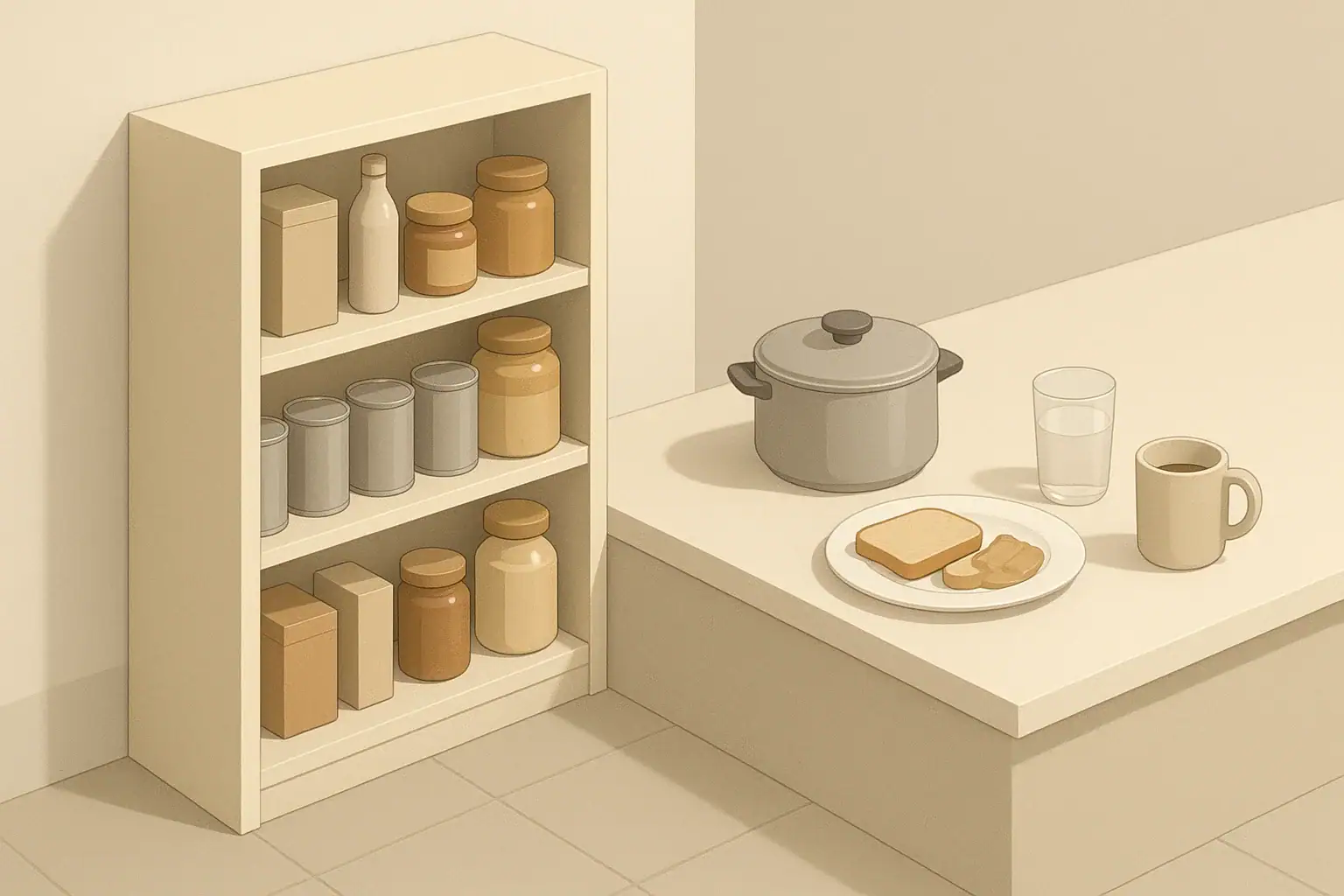
Why Plan for Quick Hydration at Home
Hydration planning is a simple, low-stress part of overall home readiness. During short-term disruptions like a power outage, a boil-water notice, or a snowed-in weekend, having the right drinks and mix-ins makes it easier to keep everyone drinking enough fluids without overthinking it.
This is not about building a large survival stash. It is about keeping practical, familiar options on hand in small spaces or larger homes so that kids, adults, and older family members have something they are willing to drink, even when routines are disrupted.
Quick hydration planning fits into everyday life:
- Apartment dwellers who can store only a few gallons of water
- Families who need kid-friendly flavors to encourage drinking
- People caring for seniors who may drink less without reminders
- Households in areas with winter storms, heatwaves, or hurricanes
Most of the items in this guide are inexpensive, shelf-stable, and easy to rotate into normal use so you do not waste food or money.
Hydration Basics: Water Plus Simple Extras
Plain water should still be the main drink for most people in normal situations. In short-term home emergencies, the goal is to make it easy and appealing to drink enough while staying practical about storage and preparation.
Think of your hydration supplies in three groups:
- Base fluids: plain water, lightly flavored waters, simple teas
- Supportive drinks: broths, diluted juices, simple electrolyte mixes
- Add-ons: flavor packets, salt and sugar, lemon or lime juice, honey or similar sweeteners
You do not need everything. Choose a mix that fits your household size, storage, and preferences.
Example values for illustration.
| If your priority is… | Consider keeping… | Why it helps |
|---|---|---|
| Very limited storage space | Concentrated drink mixes and bouillon cubes | Small containers can flavor many cups of water |
| No or low cooking ability | Ready-to-drink shelf-stable juice boxes and water | Drinkable straight from the package |
| Kids who dislike plain water | Light flavor packets and diluted juices | Makes fluids more appealing without heavy sweetness |
| Cold-weather power outages | Pouch broths and herbal tea bags | Warm drinks can be comforting and encourage sipping |
| Hot-weather heatwaves | Powdered electrolyte mixes and citrus drink powders | Easy to mix into cool water if available |
| Caring for older adults | Small cans of juice, broths, and soft drinks | Individual portions allow frequent, small drinks |
| Budget-conscious planning | Store-brand drink powders, tea bags, and bulk salt/sugar | Low upfront cost and long shelf life |
Shelf-Stable Drinks to Store for Quick Use
Storing some ready-to-drink options makes it easier to hand someone a drink when they are tired, stressed, or not feeling their best. These do not replace your main water storage, but they complement it.
Plain and Lightly Flavored Water
If your space and budget allow, keep a small supply of pre-packaged, shelf-stable water. This can be especially useful if tap water quality is uncertain after a storm or main break.
To stretch space:
- Store a few gallons or a case of smaller bottles as your grab-and-go reserve.
- Use refillable jugs or containers for your main home water storage where possible.
- Rotate by drinking from your oldest containers first and refilling or replacing them.
Lightly flavored water (with minimal added ingredients) can help people who get tired of plain water. Single-serve bottles or boxes are easier to share and transport during a short evacuation.
Juices and Juice Boxes
Shelf-stable juices and juice boxes are useful in moderation, especially for kids or those who need encouragement to drink. They can provide flavor variety and a small amount of energy.
Practical tips:
- Choose small containers so opened portions are used quickly.
- Plan to dilute juice with an equal part of water if desired.
- Check expiration dates periodically and use in school lunches or snacks to rotate stock.
Simple Teas and Coffee Alternatives
Tea bags take almost no space and can make warm or cool drinks more appealing. Herbal teas can provide variety in flavor without relying on sugar. In hot weather, tea can be brewed and cooled if safe water and some form of heating are available.
For power outages, consider:
- Tea bags (black, green, or herbal) stored in a dry, sealed container
- A small kettle or pot that can be heated on a gas stove or camp stove (used safely outdoors or as directed)
- A simple way to sweeten, such as sugar, honey, or syrup
Broths and Soups as Hydrating Comfort Foods
Warm broths and light soups are an often-overlooked hydration tool. They provide fluid along with a small amount of salt and calories, which can be useful when people have low appetite or feel chilly during winter outages.
Shelf-Stable Broths
Broths in cartons, cans, or concentrated cubes can be stored in a pantry without refrigeration until opened. They are flexible: you can sip them like a drink or use them as a base for simple meals.
When choosing broths for readiness:
- Keep several small cartons or cans rather than only large ones.
- Include both mild and richer flavors to suit different preferences.
- Note which family members prefer which types so you buy what will actually be used.
Instant Soups and Cup-Style Meals
Instant soups and light cup-style meals can turn hot water into something more filling. They are especially useful for:
- People who may not feel like eating a full meal
- Quick snacks for kids on a cold evening
- Simple lunches when cooking options are limited
Try a few varieties during normal times and keep the ones your household actually likes. Replace them as you eat them to maintain a small buffer.
Using Broth When Refrigeration Is Limited
If refrigeration is not reliable, aim for smaller containers that can be used within a day once opened. In cooler weather, leftover broth may stay usable a bit longer, but it is still best to prepare only what you expect to drink or eat soon.
Simple Mix-Ins and Pantry Add-Ons
Compact mix-ins can transform plain stored water into something more drinkable, especially over several days. These are easy to keep in a small container or drawer.
Flavor Packets and Drink Powders
Individually wrapped flavor packets and powders are useful because they are:
- Space-efficient
- Easy to share and portion
- Simple to rotate into everyday use
Common options include:
- Lightly sweetened drink mixes
- Electrolyte-style powders meant to be mixed with water
- Unsweetened flavor drops or powders for those avoiding sugar
Store them in a sealed bag or container to protect from moisture and to keep everything together in your “hydration” section of the pantry.
Salt, Sugar, and Basic Kitchen Staples
Ordinary kitchen ingredients can support hydration by making homemade drinks and broths more appealing. For example, having salt, sugar, and a shelf-stable citrus juice allows you to mix simple, palatable drinks if other options run low.
Common staples to keep:
- Plain table salt
- Granulated sugar or similar sweetener
- Shelf-stable lemon or lime juice
- Honey, syrup, or another sweetener of your choice
These items are already part of most kitchens. Preparedness mainly means checking that you have at least one unopened backup of each that you can use if you cannot get to the store right away.
Simple Ways to Make Drinks More Appealing
People often drink more when beverages are pleasant and easy to sip. In short-term disruptions, you can make small adjustments:
- Offer smaller cups more often instead of large glasses.
- Vary temperature: some people prefer cold drinks, others warm.
- Add a small splash of juice or flavor mix to mostly water.
- Use favorite cups or straws for kids to encourage sipping.
Planning for Different Households and Spaces
Your quick hydration setup will look different in a studio apartment than in a large house with a basement. The key is to right-size your plan so it feels manageable, not overwhelming.
Small Apartments and Limited Storage
In a small space, focus on density and dual use. Rather than large containers, rely on compact items that can be used in many ways:
- One or two refillable water jugs plus a few smaller, portable bottles
- A small box of tea bags and instant drink mixes
- Concentrated bouillon cubes instead of large broth cartons
- A few cans of soup that can double as a meal
Store these where you will actually see them and remember to rotate them, such as a kitchen cabinet you open often.
Families with Kids
Kids may be less likely to drink plain water when routines are disrupted. Involving them in planning can help:
- Let them choose a few favorite flavors of drink mixes.
- Keep child-sized cups or bottles easy to reach.
- Make “hydration breaks” part of any family emergency drill.
- Store a few familiar juice boxes for comfort during stressful moments.
Label one small pantry bin as the “special drinks” spot, and explain that it is mainly for power outages, big storms, or similar events. Use and replace items occasionally so nothing expires.
Older Adults and People With Mobility Challenges
For older adults, frequent small drinks can be easier than large ones. Try:
- Storing lightweight containers that are easy to lift.
- Keeping a small pitcher and cup at bedside or in a common sitting area.
- Choosing easy-open packaging to avoid struggling with tabs or seals.
- Including broths and mild teas that are gentle in flavor.
If someone uses a walker or wheelchair, consider spill-resistant cups or bottles that can fit in cup holders or side pouches so drinks are always nearby.
Pets and Hydration Planning
Pets also need reliable drinking water. For short-term disruptions:
- Store extra plain water specifically for pets.
- Keep a clean, dedicated pet bowl with your emergency supplies.
- If your pet is picky, note which water source or bowl they prefer.
Most pets should not drink flavored or sweetened human beverages. Planning ahead with plain water for them keeps things simple and safe.
Heatwaves, Winter Storms, and Regional Considerations
Quick hydration planning looks slightly different depending on your climate and likely events, but the core ideas stay the same: simple, accessible, and familiar drinks.
During Heatwaves
When it is very hot, people often sweat more and feel sluggish. To make drinking easier:
- Keep water containers in the coolest part of the home.
- Chill a few bottles if you have power and fridge space.
- Use light flavors and diluted juices rather than very sweet drinks.
- Offer sips regularly, especially to kids and older adults.
If power is out, consider storing a small portion of water in smaller containers that cool faster if placed near any available breeze or cooler surface.
During Winter Storms
In winter, people may not feel thirsty even though they still need fluids. Warm drinks help here:
- Broths and herbal teas for sipping in the evening
- Instant soups that combine hydration with light calories
- Warm water with lemon and a touch of sweetener
If you rely on electric heat, also think about safe heating methods for water, such as a gas stove, outdoor camp stove, or grill used according to safety instructions and never indoors where it could be dangerous.
Hurricanes, Flooding, and Boil-Water Advisories
After heavy storms or flooding, tap water may need boiling or treatment before drinking. In these situations, having some pre-packaged drinks can reduce stress while you sort out safe water sources.
Consider:
- A small supply of sealed water containers
- Shelf-stable juices and drinks that do not require adding water
- Powdered mixes to use after your water is treated and safe
Follow local guidance on when tap water is safe to drink again and how to treat it properly if needed.
Example values for illustration.
| Food type | Storage tip | Rotation interval idea | No-cook or low-cook use |
|---|---|---|---|
| Canned soups and stews | Group by date so older cans are in front | Use a few cans every month | Warm on stove or camp stove for a hydrating meal |
| Boxed broths | Store upright in a cool cabinet | Use in weekly cooking and replace | Sip warm in a mug or use as a base for quick soup |
| Instant noodles and cup soups | Keep in a labeled bin with drink mixes | Rotate into lunches every few weeks | Add hot water for a light meal with added fluids |
| Applesauce cups and fruit cups | Store together for easy grab-and-go snacks | Work through oldest cups each month | Provide some fluid and energy without cooking |
| Canned beans | Rinse and drain before use when possible | Use in salads or tacos regularly | Mix with oil and spices for a simple no-cook side |
| Crackers and plain biscuits | Seal in airtight containers once opened | Include in weekly snacks to keep fresh | Pair with soup or broth for a simple meal |
| Peanut butter or similar spreads | Keep a backup jar in the pantry | Open new jar when the current one is half used | Spread on crackers for a filling snack with a drink |
Keeping Hydration Planning Simple and Sustainable
Quick hydration readiness does not require complex gear or large storage areas. A few shelf-stable drinks, some basic broths, and simple add-ons like tea bags and flavor packets can make water more appealing during short disruptions.
The most important step is to choose items your household already likes and uses. Store a little extra, rotate it into your regular meals and snacks, and refresh your supplies once or twice a year. That way, when a storm, outage, or busy week disrupts normal routines, you already have easy, familiar options ready to pour, mix, or heat.
Authoritative sources
Safety recommendations can change. Confirm critical details with current official guidance and local authorities.
- CDC: Carbon Monoxide Poisoning Basics
- US EPA: Emergency Disinfection of Drinking Water
- USDA FSIS: Keep Food Safe During Emergencies
Frequently asked questions
How much shelf-stable water and ready-to-drink beverages should I keep for quick hydration at home?
For short-term disruptions, keep a small grab-and-go reserve in addition to your main water supply; a common planning benchmark is about one gallon per person per day for several days, which covers drinking and basic needs. Single-serve bottles, a small case of shelf-stable water, or a few extra small cartons make distribution easier and reduce waste. Prioritize options your household will actually drink and rotate them into regular use so nothing expires.
What are practical electrolyte options for quick hydration at home when fresh sports drinks aren’t available?
Ready-made electrolyte powders or single-serve drink mixes designed for rehydration are convenient and space-efficient for short-term use. Lightly salted broths or diluted fruit juices can also provide sodium and calories to support fluid balance; for severe dehydration or illness, follow public-health guidance or seek medical advice before relying on homemade solutions. Store these items in sealed containers and rotate regularly.
How can I safely use broth and instant soups for hydration when refrigeration is limited?
Unopened shelf-stable broths in cartons or cans are safe to keep in the pantry; after opening, use small containers and consume the broth within a day if refrigeration is unavailable. In cooler weather, leftovers may stay usable slightly longer, but the safest approach is to prepare only what you expect to drink and discard uneaten portions. Concentrated bouillon or single-serve broth pouches are useful when storage space is tight.
What low-sugar mix-ins make water more appealing to kids without adding too much sweetness?
Try diluting juice with water, using unsweetened flavor drops, or adding a small splash of shelf-stable lemon or lime juice to keep sweetness low while improving taste. Individually wrapped light flavor packets and letting children choose a favorite cup or straw can also increase sipping without relying on very sweet drinks. Rotate flavors so options stay familiar and are less likely to be wasted.
How should I store and rotate quick hydration supplies in a small apartment?
Focus on compact, multi-use items such as concentrated drink mixes, bouillon cubes, tea bags, and a couple of refillable water jugs plus a few small bottles. Keep these supplies in a visible cabinet or a labeled bin and rotate them into regular meals or snacks on a monthly or quarterly schedule so nothing passes its date. Choose sizes and packaging your household will actually use to avoid waste.
- Simple checklists and realistic planning
- Water, power, lighting, and pantry basics
- Family plans (kids, pets, seniors) and seasonal prep
Affiliate disclosure
As an Amazon Associate, we earn from qualifying purchases. Some links on this site may be affiliate links. If you buy through these links, we may earn a small commission at no extra cost to you. This helps support our content. Learn more.