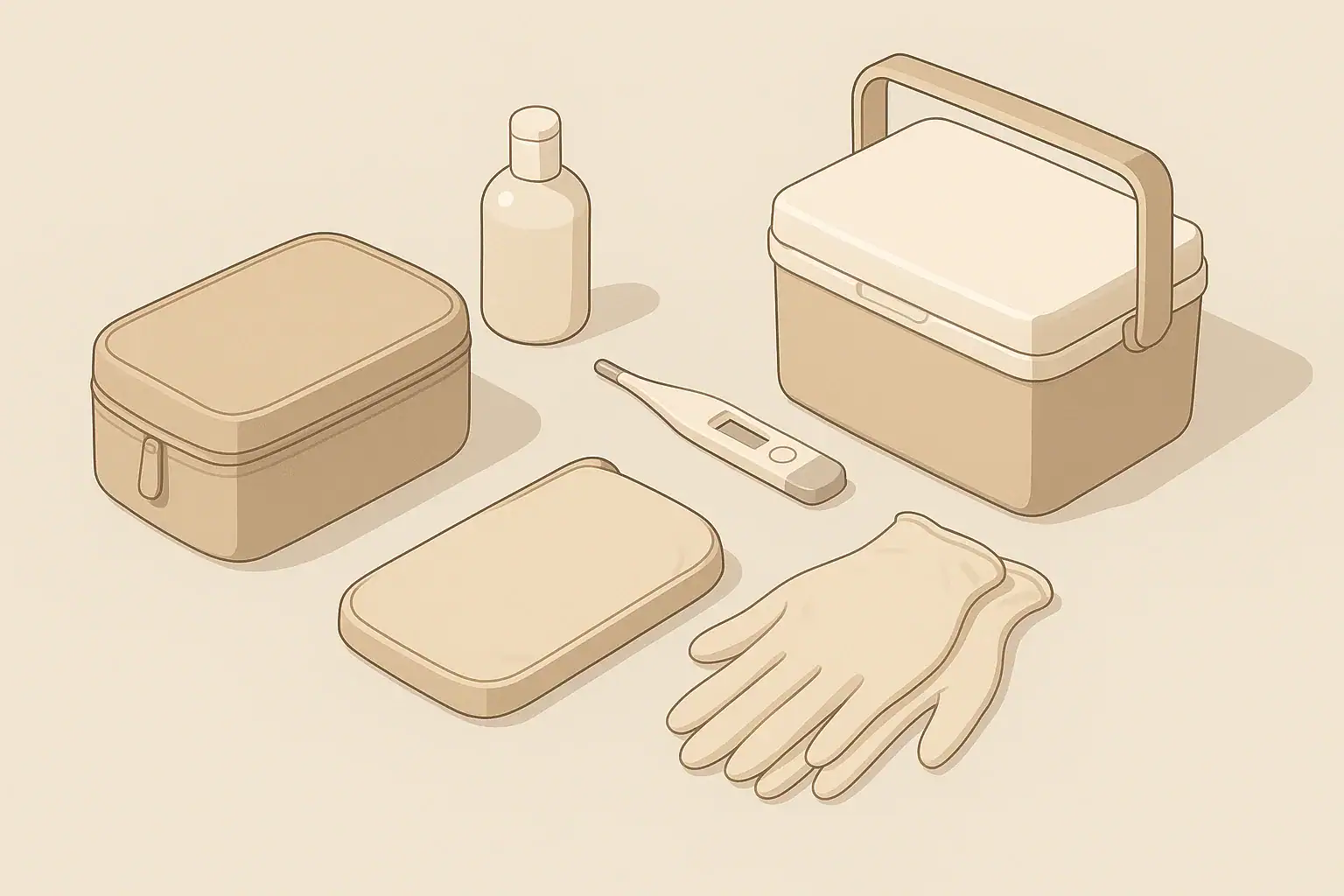
Many common medications and supplies are labeled to be kept in the refrigerator, often within a specific temperature range. Power outages can quickly disrupt that environment. Having a simple, realistic plan helps you protect these items calmly and safely.
This article focuses on practical home steps for short-term power outages, such as from thunderstorms, winter storms, or local grid issues. It does not replace medical advice. Always follow the storage instructions on your medication labels and ask a healthcare professional about any questions regarding safety, potency, or replacements.
At home, the goal is to:
- Keep chilled medications as close to their recommended temperature range as possible.
- Avoid frequent temperature swings from repeated opening of refrigerators or coolers.
- Know when to switch to a backup method, like an insulated cooler with ice packs.
- Have a plan that works for your space: apartment, rented room, or house.
Why Medication Refrigeration Matters in a Power Outage
Many common medications and supplies are labeled to be kept in the refrigerator, often within a specific temperature range. Power outages can quickly disrupt that environment. Having a simple, realistic plan helps you protect these items calmly and safely.
This article focuses on practical home steps for short-term power outages, such as from thunderstorms, winter storms, or local grid issues. It does not replace medical advice. Always follow the storage instructions on your medication labels and ask a healthcare professional about any questions regarding safety, potency, or replacements.
At home, the goal is to:
- Keep chilled medications as close to their recommended temperature range as possible.
- Avoid frequent temperature swings from repeated opening of refrigerators or coolers.
- Know when to switch to a backup method, like an insulated cooler with ice packs.
- Have a plan that works for your space: apartment, rented room, or house.
Know Which Medications Need Refrigeration
Not every medication is sensitive to room temperature, but some are. Before a power outage occurs, it helps to understand what in your home truly requires refrigeration and what has more flexibility.
Check labels and written instructions
Look at your medication labels and any written information that came with them. Many refrigerated medications clearly state storage conditions, such as a temperature range or “refrigerate” wording. Some also list how long they can be kept at room temperature, if at all.
Useful home actions include:
- Reading labels for each refrigerated item and noting any special instructions.
- Keeping printed instructions in a small folder near your medications.
- Writing down which items are most time-sensitive if power is lost.
Make a simple medication list for emergencies
A short list helps you act quickly if the lights go out. Include:
- Name and dose of each refrigerated medication or supply.
- Who it belongs to (helpful for families, roommates, or caregivers).
- Normal storage location (kitchen fridge, dedicated drawer, locked box).
- Any known room-temperature time limits listed in the paperwork.
Store this list in an easy-to-find place, such as taped inside a cabinet door or in your emergency binder. This is especially helpful for households with children, older adults, or anyone who relies on daily refrigerated medications.
Example values for illustration.
| If this is true… | Then consider… | Notes |
|---|---|---|
| Power is out but fridge has been closed < 4 hours | Leave medications in the fridge | Opening the door as little as possible helps keep it cool longer. |
| Power is out > 4 hours and you have ice packs ready | Move medications to a small insulated cooler | Pre-chilled ice packs can help maintain a cool environment. |
| Fridge feels warm when briefly opened | Use a thermometer to check temperature | Place a simple fridge thermometer inside to monitor changes. |
| You cannot maintain a cool space | Contact a pharmacist or clinician when possible | Ask how to handle specific medications in your situation. |
| Only one or two small vials need cooling | Use a small dedicated cooler instead of a large one | Smaller volume can be easier to keep cold with limited ice. |
| You must travel during an outage | Use a portable insulated bag with ice packs | Keep medications out of direct sun and away from hot car interiors. |
How Long a Refrigerator Keeps Medications Cold Without Power
A standard refrigerator can stay cool for several hours if it remains closed, but exact times vary based on how full it is, the room temperature, and how often it is opened. Medication labels sometimes mention temperature limits; these instructions should guide your decisions.
Reduce door openings to preserve cold air
Each time the refrigerator or freezer door is opened, cold air escapes and warm air enters. During an outage:
- Avoid opening the refrigerator unless you must access something essential.
- If you need medications, plan ahead and grab them all at once.
- Keep children informed so they know not to open the fridge out of habit.
For families, a short conversation about “fridge stays closed during an outage” can help reduce accidental openings.
Use simple thermometers for awareness
A basic refrigerator or freezer thermometer can give you a general sense of how quickly temperatures are changing. Place it where you can see it quickly without searching. While it will not manage the situation for you, it provides information to support your decisions, such as when to move medications into a cooler if the temperature noticeably rises.
If you do not have a thermometer, pay attention to how the inside of the fridge feels and smells when briefly opened, and how long the power has been out. When in doubt, reach out to a pharmacist, clinic, or telehealth service when possible for advice specific to your medications.
Setting Up a Medication Cooler During a Power Outage
An insulated cooler can help you maintain a cooler environment for medications when the refrigerator can no longer stay cold enough or when you must leave home. It does not replace medical guidance, but it can be an important practical tool during a short-term outage.
Choose the right size and location
For medications, a smaller insulated cooler or soft-sided bag is often more efficient than a large food cooler because there is less air to keep cold. Choose a size that comfortably holds:
- All refrigerated medications and related supplies (such as syringes or swabs).
- Several ice packs or sealed bags of ice.
- A small thermometer, if you use one.
Place the cooler in a cool, shaded area of your home, away from windows, heating vents, or hot appliances. In apartments or small spaces, a shaded interior hallway, closet floor, or low shelf can work well.
How to pack medications in the cooler
When packing a medication cooler during a power outage:
- Keep medications in their original containers whenever possible.
- Place medications in a small, clean plastic container or bag to protect them from direct contact with ice or condensation.
- Arrange ice packs or sealed ice bags around, but not directly on top of, the medications to reduce the risk of freezing.
- Use a small towel or cloth as a barrier between ice packs and medication containers if you are concerned about freezing.
- Place a simple thermometer inside the cooler if you have one.
Open the cooler as rarely as possible. When you do need to access medications, plan what you will take out before opening the lid to limit warm air entering.
Managing ice and cold sources
During an extended outage, your available cold sources may be limited. Consider the following home-ready options:
- Pre-frozen ice packs stored in your freezer before any outage.
- Ice cubes in sealed bags from the freezer, used to supplement packs.
- If safe and appropriate locally, purchasing bagged ice from nearby stores when power is out only in part of your area.
- If you use a small battery-powered or solar-powered cooler, follow the manufacturer’s instructions and avoid overloading its capacity.
Rotate partially thawed ice packs with frozen ones from the freezer if it still has some cooling capacity. Keep food and medications in separate containers or clearly divided spaces to avoid confusion.
Backup Power Options for Refrigerated Medications
Some households choose to support medical needs with backup power solutions, such as portable battery units, small generators, or vehicle-based charging. These options can help maintain refrigeration, but they require careful planning and safe use.
Always follow safety guidance for any electrical device. For questions about which form of backup power is appropriate for specific medical equipment, consult a qualified professional.
Using portable battery power
Portable battery power stations can run small loads for limited periods. For medications, options include:
- Powering a compact, efficient mini-fridge dedicated to medications.
- Running a low-wattage cooler or refrigeration unit designed for small items.
- Charging a portable cooler that has its own temperature control.
When planning around a battery:
- Estimate how many hours of runtime you may need for a typical outage in your area.
- Charge and test the battery periodically under calm conditions.
- Prioritize only essential loads (such as medications) to extend runtime.
Generators and safety considerations
Some homes use fuel-powered generators to run refrigerators or other appliances. These can provide more power but also introduce safety risks if used incorrectly.
- Never use a fuel-powered generator indoors or in enclosed spaces.
- Position generators outdoors, away from windows, doors, and vents.
- Follow all safety instructions regarding fuel storage and refueling.
- Use appropriate extension cords and avoid overloading circuits.
For renters and apartment dwellers, traditional generators are often not practical or allowed. Focus instead on battery-based options, coolers, and community resources such as clinics or cooling centers, if available.
Vehicle-based cooling options
Some people use their vehicle for short-term cooling support, such as:
- Powering a small 12-volt cooler through a vehicle outlet while the engine runs, following vehicle safety guidelines.
- Using the vehicle to reach a location with reliable refrigeration, such as a friend’s home or a community facility, when safe to travel.
Never leave medications or people in a parked vehicle during hot or cold weather without climate control. Temperatures inside a vehicle can change quickly and become unsafe.
Household Safety Steps When Handling Medications in an Outage
Beyond temperature control, safe handling of medications during a power outage includes organization, labeling, and preventing accidental access. These steps support all household members, including children, older adults, visitors, and pets.
Keep medications secure and clearly labeled
During an outage, routines may be disrupted and lighting may be limited. To reduce confusion:
- Keep refrigerated medications in a dedicated container inside the cooler or fridge.
- Use clear labels or color-coded bands on containers if you manage multiple people’s medications.
- Store sharp items, such as needles or lancets, in a hard-sided container that closes securely.
- Keep medications out of reach of children and pets at all times.
Use lighting safely when accessing medications
Finding medications in the dark can increase the risk of mistakes. Prepare for safe lighting:
- Keep a small flashlight or battery-powered lantern near your medication storage area.
- Avoid open-flame candles near medications, paper instructions, or oxygen equipment.
- Consider hands-free lighting, like a headlamp, if you often assist someone else with their medications.
Plan for caregivers and multiple households
If you help manage medications for someone in another home or for a family member who may be staying with you during an outage, consider:
- Keeping a copy of their medication list and storage needs.
- Discussing where medications will be kept in case you need to access them in low light.
- Agreeing on who is responsible for checking cooler temperature or ice levels.
Clear roles and simple notes reduce stress when conditions are disrupted.
Simple Home Readiness Plan for Refrigerated Medications
A calm, written plan helps you act quickly when the power goes out. It does not need to be complex. Aim for one or two pages that anyone in the household can follow.
Before a power outage
When everything is normal, a few small steps can make a big difference later:
- Create and update your list of refrigerated medications and owners.
- Store a small insulated cooler or bag in an easy-to-reach location.
- Keep several reusable ice packs in the freezer at all times.
- Place a simple thermometer in the refrigerator or cooler kit, if you use one.
- Decide where the cooler will be placed (for example, hallway closet floor).
- Note contact numbers for your pharmacist, clinic, or telehealth service.
During a power outage
When the power goes out, work through your plan calmly:
- Note the time the power failed; write it down if needed.
- Keep the refrigerator and freezer closed as much as possible.
- If the outage extends and the fridge warms, transfer medications to the cooler with ice packs.
- Check the cooler temperature or ice level periodically using light safely.
- Limit cooler openings to essential access times.
- If you are unsure about medication safety, contact a healthcare professional when you can.
After power returns
Once power is restored:
- Return medications to the refrigerator or usual storage area if appropriate.
- Refreeze reusable ice packs as soon as the freezer is cold again.
- Dry out the cooler and allow it to air before storing.
- Make brief notes about what worked well and what you want to adjust for next time.
For any medication that may have been exposed to higher or lower temperatures than recommended, consult a pharmacist or clinician for guidance on whether it should be used, replaced, or disposed of. Do not attempt to guess based solely on smell or appearance.
Example values for illustration.
| Food type | Storage tip | Rotation interval idea | No-cook use |
|---|---|---|---|
| Canned beans | Store in a cool, dry cabinet. | Use and replace every few months. | Drain and mix with spices or oil. |
| Canned vegetables | Group by type for easy access. | Rotate into regular meals regularly. | Eat at room temperature as a side. |
| Nut butters | Keep jars tightly closed. | Check dates during seasonal cleanups. | Spread on crackers or bread. |
| Crackers and dry snacks | Use sealed containers or bags. | Rotate monthly for freshness. | Pair with canned items or spreads. |
| Shelf-stable milk or alternatives | Store upright away from heat. | Use closest dates first. | Drink alone or with cereal. |
| Ready-to-eat soups | Stack labels facing outward. | Incorporate into weekly meals. | Eat at room temperature if needed. |
Staying Calm and Prepared for Future Outages
Medication refrigeration during a power outage is mostly about preparation and simple routines: knowing which items need cooling, keeping a small cooler and ice packs ready, and having a plan that fits your living space. By taking a few small steps in advance, you can respond more comfortably when the lights go out, keep your home organized, and support the safety of everyone who relies on refrigerated medications.
Review your plan from time to time, especially before seasons when storms or heatwaves are more common in your area. Adjust as your medications, household members, or living situation change, and continue to rely on healthcare professionals for specific guidance about your medications and their storage.
Authoritative sources
Safety recommendations can change. Confirm critical details with current official guidance and local authorities.
- CDC: Carbon Monoxide Poisoning Basics
- USDA FSIS: Keep Food Safe During Emergencies
- U.S. CPSC: Battery Safety
Frequently asked questions
How long can refrigerated medications remain safe in a closed refrigerator during a power outage?
Many refrigerators can keep medications within a safe temperature range for several hours if kept closed, but exact time varies by fridge fullness, room temperature, and how often the door is opened. Use a refrigerator thermometer if available, note the outage time, and move items to a cooler with ice packs if temperatures begin to rise or the outage extends beyond a few hours.
What is the first thing I should do when the power goes out and I have refrigerated medications?
Immediately note the time the power failed and keep the refrigerator and freezer doors closed to retain cold air. If you expect an extended outage, gather a small insulated cooler, pre-frozen ice packs, and your medication list so you can transfer essentials while minimizing door openings.
How can I prevent medications from freezing when using ice packs in a cooler?
Avoid placing ice packs directly on medication containers; instead surround medications with ice packs and use a thin towel or cloth as a barrier to reduce freezing risk. Place a thermometer in the cooler and check it periodically to maintain temperatures within the recommended range for your medications.
Are portable batteries or generators safe options to run a refrigerator for medications?
Portable battery stations can safely run a compact fridge or refrigeration unit for limited periods if capacity is adequate, and small generators can provide more power but must be used outdoors and following safety guidelines. Test backup systems in advance and prioritize only essential loads such as medications to extend runtime.
How do I tell if a medication is still usable after exposure to higher than recommended temperatures?
Check the medication label or manufacturer instructions for room-temperature time limits and contact a pharmacist or clinician for specific guidance if you suspect exposure. Do not rely solely on smell or appearance; when in doubt, seek professional advice about replacement or disposal.
- Simple checklists and realistic planning
- Water, power, lighting, and pantry basics
- Family plans (kids, pets, seniors) and seasonal prep
Affiliate disclosure
As an Amazon Associate, we earn from qualifying purchases. Some links on this site may be affiliate links. If you buy through these links, we may earn a small commission at no extra cost to you. This helps support our content. Learn more.