Many households eventually face a small but urgent task: safely gathering and disposing of broken glass. A short list of simple supplies and a calm, practiced approach can prevent cuts, protect pets and children, and make cleanup much faster. This article explains what to keep in a compact cleanup kit, how to act in the first moments after glass breaks, and safe techniques for floors, carpets, and soft furnishings. It also covers handling larger breaks like windows, temporary protections, disposal considerations, and tips for shared homes and families. Read on for clear, practical steps and a handy checklist to store with your kit so you can respond confidently whenever glass breaks in your home. Keeping these items together and checking them periodically takes only minutes but can save someone from a painful injury.
Why a Broken Glass Cleanup Kit Belongs in Every Home
Broken glass is one of those everyday hazards that can turn up without warning: a dropped drinking glass in a small apartment kitchen, a shattered picture frame in a hallway, or storm-damaged windows in a house. In each case, the risk is similar—small, sharp fragments that are easy to miss and easy to step on later.
Having a simple broken glass cleanup kit ready before you need it fits into basic home readiness. It is not about emergencies on a large scale; it is about avoiding preventable injuries in realistic, everyday situations. This is especially important if you live with children, pets, or older adults who may not see or avoid tiny shards on the floor.
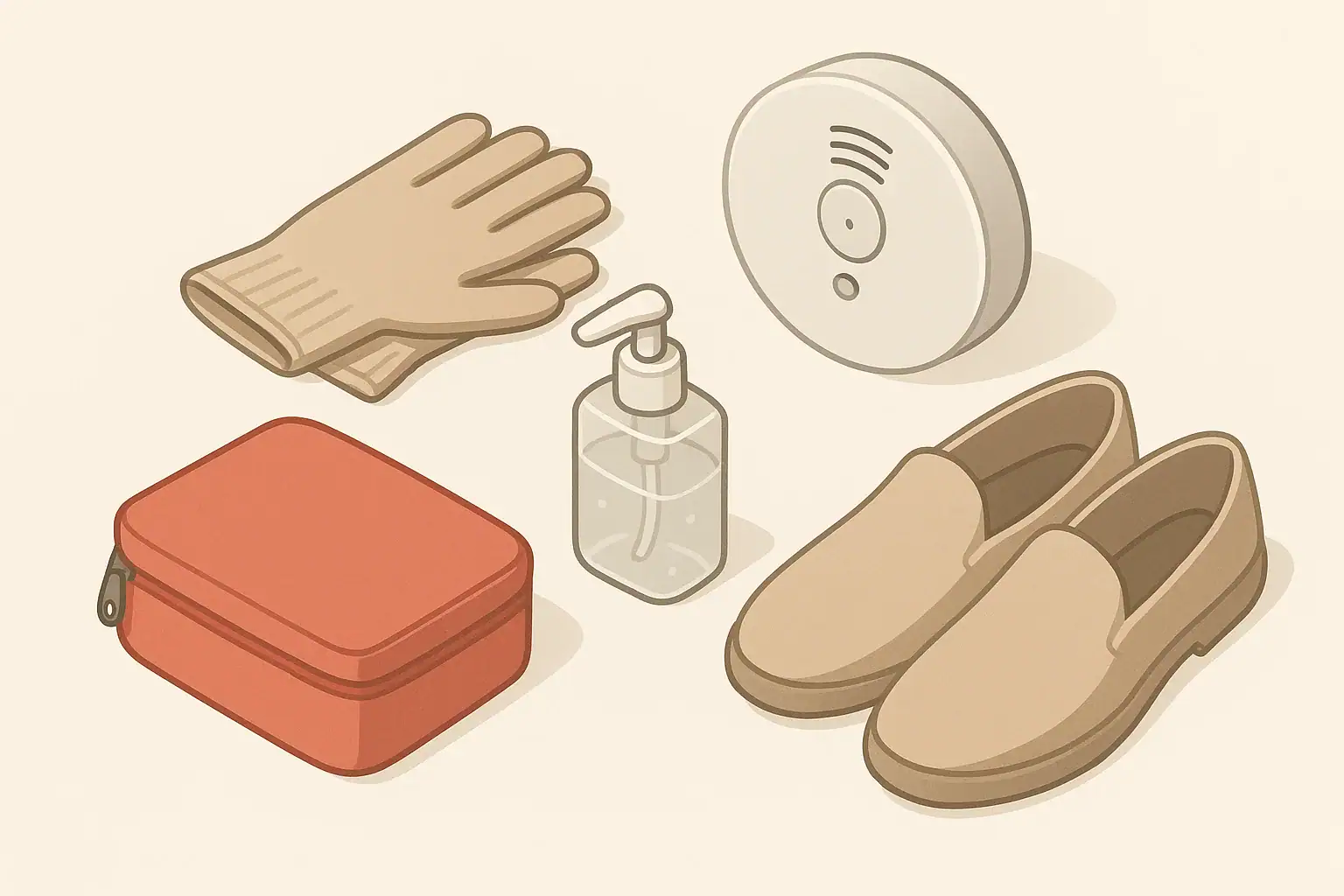
A dedicated kit also makes cleanup faster. Instead of hunting for supplies while glass is scattered on the floor, you can grab one container that already holds:
- Protective gloves
- Sturdy, closed-toe shoes reserved for cleanup
- Thick bags or containers for safe disposal
- Simple tools and materials for sweeping and wiping
This type of kit is compact, low-cost, and easy to store in a closet, under a sink, or in a utility area.
Core Pieces of a Broken Glass Cleanup Kit
You do not need anything complex or specialized. Most items can be basic household supplies, set aside so you know exactly where they are when something breaks.
Gloves: Protecting Your Hands
Gloves are the first layer of protection when handling broken glass. Simple considerations include:
- Material: Choose gloves that are thicker than everyday dishwashing gloves. Many people prefer sturdy rubber, nitrile, or work-style gloves for better resistance to punctures.
- Fit: Gloves should fit snugly enough that you can grip small pieces of glass without slipping, but not so tight that they reduce movement.
- Storage: Keep them in a clean, dry bag or box so they are ready to use. Avoid storing them near sharp tools that could puncture them.
Consider keeping one pair strictly for glass and other sharp debris, so you do not use them for food preparation or other everyday tasks.
Shoes: Closed-Toe, Stable, and Ready
Walking barefoot or in thin socks around broken glass is a common way people get cut. It helps to have a pair of shoes reserved for cleanup:
- Closed-toe: Shoes should fully cover toes and sides of the feet.
- Thicker soles: A thicker sole may help reduce the chance of a shard poking through.
- Secure fit: Laces or straps that keep shoes firmly on your feet are better than loose slip-ons.
Store these shoes near your cleanup kit. In small apartments, even a basic pair of older sneakers can work if they still have intact, sturdy soles.
Bags, Boxes, and Containers for Disposal
Once you pick up broken glass, you need a way to dispose of it so it does not cut through household trash bags or injure someone taking out the garbage.
- Thick trash bags: Use bags that are stronger than light, thin liners.
- Rigid containers: Rinsed, empty containers with lids (for example, general food tubs or jars without labels) can hold sharp fragments before they go into the trash.
- Cardboard pieces: Small pieces of clean cardboard can help wrap larger shards before bagging.
Check local guidelines about disposing of sharp household waste. Many communities allow small amounts of well-contained glass in household trash, while recommending extra wrapping to protect sanitation workers.
Simple Cleanup Tools
Your kit can stay compact but still handle most household glass breaks.
- Small hand broom and dustpan: For sweeping up visible shards.
- Paper towels or disposable cloths: To gently press on the floor or counter to pick up fine slivers.
- Tape: Wide tape can help lift tiny pieces from hard surfaces.
- Flashlight: Light at a low angle helps you see otherwise invisible fragments, especially on dark floors.
If you keep these items together with your gloves and bags, you have an all-in-one response for broken glass anywhere in the home.
| Task | Why it matters | Notes |
|---|---|---|
| Put on gloves and closed-toe shoes | Reduces risk of cuts to hands and feet | Keep a dedicated pair in your kit |
| Clear people and pets from area | Prevents accidental contact with shards | Guide children to another room |
| Pick up largest pieces first | Makes sweeping smaller pieces easier | Place directly into rigid container |
| Sweep and dustpan visible fragments | Removes mid-size shards | Sweep from multiple directions |
| Use damp towels or tape | Collects fine, hard-to-see slivers | Dispose of towels after use |
| Check area with flashlight | Confirms no obvious missed pieces | Shine at a low angle across floor |
| Seal and label sharp waste | Helps protect people handling trash | Double-bag if needed |
Example values for illustration.
First Steps When Something Glass Breaks
The first moments after glass breaks are about staying calm and controlling the space, not rushing into cleanup. This matters just as much in a small studio apartment as in a larger home.
Step 1: Pause and Secure the Area
Before moving, look down and around to see where the largest pieces have landed. If others are in the room, especially children or pets, calmly ask them to stop where they are.
- Guide children to the nearest safe spot outside the room.
- Close doors or use a barrier (such as a baby gate) to keep pets away.
- If you are barefoot, stand still and carefully look for a clear path to your cleanup shoes.
Step 2: Protect Yourself
Put on your dedicated cleanup shoes and gloves before picking up anything. If you do not have gloves at hand, use a thick, folded paper towel to handle larger shards while you assemble your kit.
Step 3: Address Any Immediate Hazards
Some situations need a little extra attention:
- Hot glass: If an oven dish or light bulb breaks, allow hot pieces to cool before handling.
- Wet surfaces: If glass shatters near water (such as in a bathroom), be careful of slips as well as cuts.
- Overhead risks: If a light fixture or shelf broke, make sure nothing else is about to fall.
Step 4: Plan Your Cleanup Path
Think about how to work from the outer edges of the debris field toward the center, so you avoid walking through uncleaned areas. This is especially helpful in narrow hallways or small kitchens where space is tight.
Safe Cleanup Techniques for Different Surfaces
How you collect glass depends on whether it is on tile, hardwood, carpet, or soft furnishings. In every case, move slowly and check twice.
Hard Floors: Tile, Vinyl, Laminate, and Hardwood
On smooth floors, glass can slide farther than you expect. Look beyond the immediate area where the glass fell, especially under cabinets and nearby furniture.
- Pick up large pieces: Using gloved hands, place them directly into a rigid container or wrap them in cardboard.
- Sweep gently: Use a small broom and dustpan, sweeping from different directions to catch pieces that catch on floor seams or grout lines.
- Wipe with damp disposable towels: Press, do not rub, to pick up tiny fragments.
- Use wide tape: On dry floors, press tape onto the area and peel back to lift thin slivers.
When finished, check by shining a flashlight across the floor at a low angle. Glass often reflects light, making hidden fragments easier to spot.
Carpet and Rugs
Glass can embed in carpet fibers, making it harder to see and remove.
- Start with large pieces: Carefully pick up any visible shards and place them in your rigid container.
- Gently press with damp paper towels: Avoid rubbing, which can push shards deeper into fibers.
- Use tape in short sections: Press tape onto the carpet and lift repeatedly to remove small fragments on the surface.
- Vacuum as a final step: Use a vacuum with a hose attachment if possible. Empty or change the bag carefully afterward, as it may now contain sharp pieces.
If a large amount of glass fell into a thick, plush rug, consider moving the rug outdoors (if practical), shaking it carefully away from walking areas, and then repeating the cleaning steps.
Soft Furnishings and Bedding
Broken picture frames, shelves, or bedside lamps can scatter glass onto couches, chairs, and beds.
- Remove loose cushions: Carry them carefully to a space where you can see fragments clearly.
- Use a flashlight: Shine at different angles to find reflective points.
- Tap gently: Over a clean sheet or tarp, tap cushions so any hidden shards fall onto the sheet for easier disposal.
- Washable fabrics: Shake items outside if safe to do so, then launder separately, checking the washer drum afterward for stray pieces.
Handling Broken Windows and Larger Glass Breaks
Broken windows, glass doors, or shower doors create a wider area of sharp fragments and may coincide with weather events, door impacts, or other home incidents. The steps remain calm and methodical, but the area to control is larger.
Staying Safe Around a Broken Window
If a window cracks or shatters:
- Move people and pets away from the area.
- If glass is still falling, avoid standing directly beneath or in front of the damaged pane.
- If weather allows and it is safe, open a nearby door or window to reduce drafts that might push remaining glass loose.
Wear shoes and gloves before approaching. Consider adding eye protection if you are working close to a damaged pane that may still shed pieces.
Temporary Coverings
Once loose glass is removed from the floor and window frame, many households use temporary coverings until a repair can be arranged. Common options include:
- Thick plastic sheeting secured with tape around the frame
- Cardboard panels fitted to the opening
- Heavy curtains or blankets closed across the window to reduce drafts and contain any small remaining fragments
These coverings are short-term measures to limit exposure to weather and further breakage. Check them regularly until the window is repaired or replaced.
Disposal Considerations for Large Amounts of Glass
Larger breaks can generate a lot of material. In addition to your standard bags and containers, you may need:
- Multiple thick trash bags, double-bagged for added protection
- Additional rigid containers, such as empty boxes lined with thick bags
- Labels noting “sharp contents” to warn anyone handling the trash
If a storm or other event caused widespread damage in your area, local guidance about debris disposal may be available from community or municipal sources.
Planning for Kids, Pets, and Shared Spaces
Home readiness is not only about supplies; it is also about simple routines that make everyone in the household safer and more confident when something breaks.
Households with Children
Children are naturally curious and may move toward the sound of breaking glass. A short, calm script can help:
- Agree on simple phrases like “Stop there” or “Stay by the couch.”
- Practice what to do if they hear something break in the kitchen or bathroom.
- Show older children where the broken glass cleanup kit is stored and explain that only adults use it.
Keeping a pair of indoor shoes for children, especially in homes with hard floors, can also reduce the chance of bare feet in the room when something breaks.
Pets and Broken Glass
Pets may walk through glass without understanding the risk. Simple habits help:
- Use gates or closed doors to block access to the break area.
- Keep leashes handy so you can calmly guide dogs to a safe room.
- Check pet beds near the break for any stray shards, especially if they were close to a window or lamp.
Renters, Roommates, and Small Spaces
In apartments and shared housing, coordination matters:
- Shared kit: Agree on one easily accessible location for a broken glass cleanup kit, such as the kitchen or a hall closet.
- Basic instructions: Keep a simple written checklist with the kit so anyone can use it.
- Tight spaces: In small kitchens or bathrooms, consider where people should step back to create a clear area for cleanup.
For renters, know how to contact building maintenance for larger issues like broken windows or glass doors, and how to secure the area until help arrives.
Integrating Glass Cleanup into Overall Home Readiness
Broken glass cleanup fits naturally into a broader, calm approach to home preparedness. The same gloves, shoes, and trash bags that you use for glass can support other small household emergencies, from dropped jars to light debris after a minor weather event.
It can be helpful to think of your glass cleanup kit as part of a general home safety kit that also includes a basic first-aid kit, flashlights, and a simple plan for power outages.
| Need | Simple supplies | Safe use note | Disposal idea |
|---|---|---|---|
| Hand cleaning after glass cleanup | Soap, warm water, small towel | Wash hands carefully after removing gloves | Use regular trash for paper towels |
| Wiping floors and counters | Disposable cloths, mild cleaner | Avoid harsh chemicals in small, unventilated rooms | Bag and seal used cloths with glass waste |
| Managing small blood spots on surfaces | Disposable gloves, paper towels | Follow local guidance for cleaning bodily fluids | Double-bag materials if they contain sharp items |
| Keeping trash area tidy | Thick trash bags, bin with lid | Do not overfill bags containing sharp debris | Place sharp-waste bag inside larger bag |
| Short-term water disruption | Stored water, hand wipes | Use wipes sparingly if water is limited | Seal used wipes in regular trash |
| Bathroom use during minor outages | Toilet paper, small trash bags | Follow building guidance for plumbing use | Tie off bags and place with household trash |
Example values for illustration.
Related guides
The 30-Minute Home Readiness Audit: What to Check Today
Monthly Readiness Maintenance: Rotation, Batteries, and Quick Checks
How to Build a “Ready Shelf” at Home: A Simple System for Essentials
Simple Maintenance and Review
Like any home kit, your broken glass cleanup kit works best if you check it occasionally.
- Every few months: Confirm that gloves are intact, bags are not brittle, and tape still adheres well.
- After each use: Replace any items you used up, such as paper towels or trash bags.
- Seasonal checks: During broader home readiness reviews for storms or heatwaves, make sure your glass cleanup kit is still easy to reach and clearly labeled.
By keeping the kit simple and stored in a consistent place, you add a small but meaningful layer of everyday safety to your home, whether you live alone, with roommates, or with a busy family and pets.
Related guides: Emergency Cleanup PPE Kit: Gloves, Masks, Eye Protection, and Trash Bags · Temporary Window Covering After Storm Damage: Safe Short-Term Options.
Authoritative sources
Safety recommendations can change. Confirm critical details with current official guidance and local authorities.
- U.S. CPSC: Battery Safety
- CDC: Guidelines for Cleaning Safely After a Disaster
- Ready.gov: Preparedness Tips for People with Disabilities
Frequently asked questions
What should be in a compact broken glass cleanup kit?
A compact broken glass cleanup kit should include protective gloves, a pair of closed-toe shoes reserved for cleanup, thick trash bags and at least one rigid container for sharp waste, a small hand broom and dustpan, wide tape, disposable towels, and a flashlight. Keeping these items together in a labeled box or bag makes it quick to grab and use when glass breaks.
How do I remove tiny glass slivers from carpet safely?
Start by picking up any large shards with gloved hands, then press damp paper towels or wide tape onto the carpet in short sections to lift fine slivers. Finish by vacuuming with a hose attachment and carefully emptying or replacing the vacuum bag or canister to avoid leaving sharp pieces behind.
Can I dispose of broken glass in regular household trash?
You can often place small amounts of broken glass in household trash if it is well contained in a rigid container or double-bagged and clearly labeled as sharp. Local disposal rules vary, so check municipal guidance for any special requirements or recommended packaging for sharp household waste.
What immediate first aid should I perform for a cut from broken glass?
If someone is cut, first wash your hands and put on gloves if available, then rinse the wound with clean water and apply firm pressure with a clean cloth to stop bleeding. Seek medical care if bleeding does not stop, the cut is deep, contains glass fragments that cannot be removed easily, or if the wound may require stitches or tetanus protection.
How should I temporarily cover a broken window until it is repaired?
After removing loose glass, secure a temporary covering such as thick plastic sheeting taped to the frame, cardboard panels fitted to the opening, or a heavy blanket to reduce drafts and keep out rain. Make sure the covering is firmly attached around the edges and avoid standing directly beneath unstable panes; for large or unsafe breaks, arrange professional repair as soon as possible.
- Simple checklists and realistic planning
- Water, power, lighting, and pantry basics
- Family plans (kids, pets, seniors) and seasonal prep
Affiliate disclosure
As an Amazon Associate, we earn from qualifying purchases. Some links on this site may be affiliate links. If you buy through these links, we may earn a small commission at no extra cost to you. This helps support our content. Learn more.