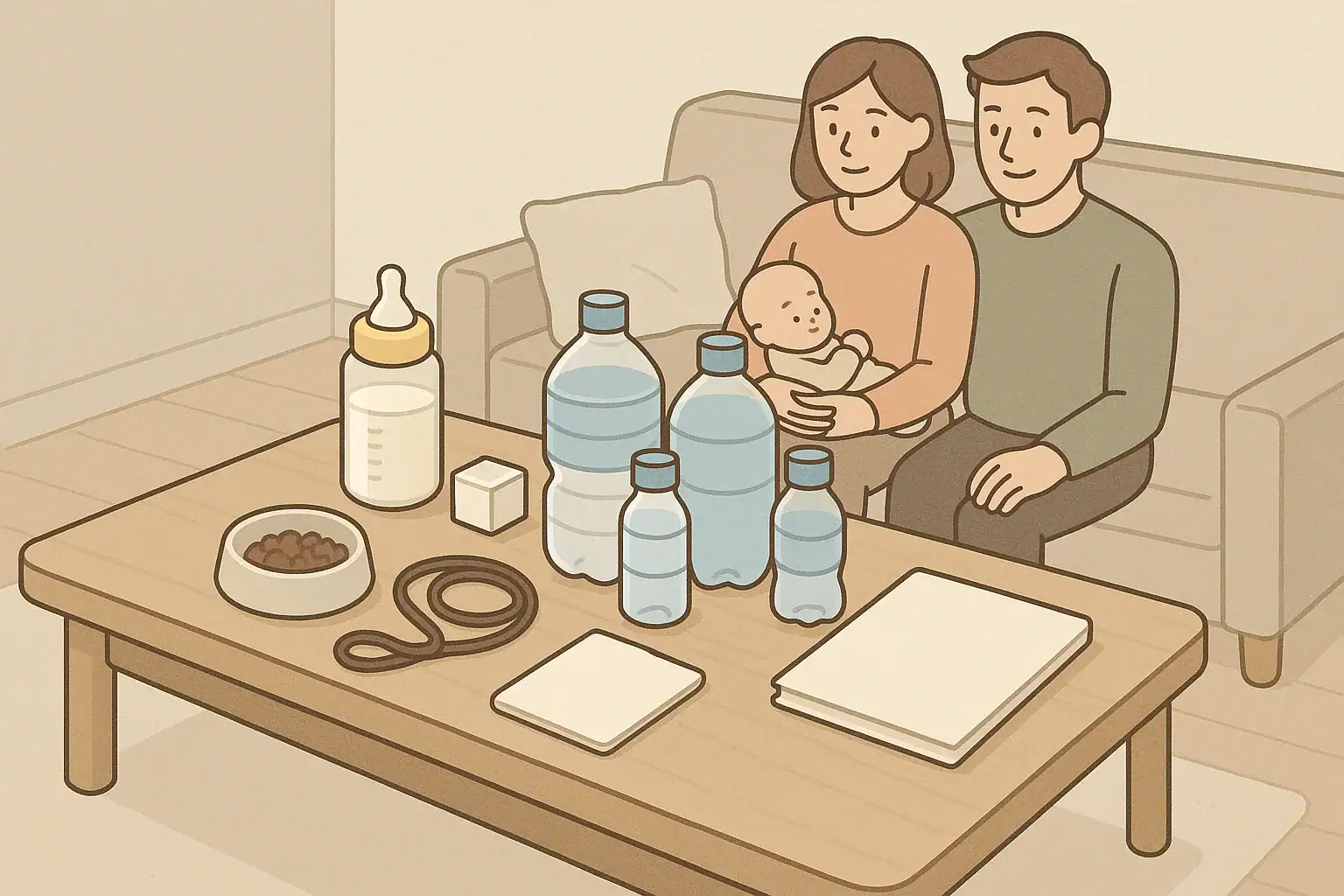
When tap water is disrupted or under a boil notice, parents of infants face extra decisions. Babies are more sensitive to contaminants, and powdered formula depends entirely on safe water. A short power outage, water main break, winter storm, or hurricane can quickly make formula prep stressful if you have not planned ahead.
This guide focuses on practical, calm steps for typical short-term emergencies in the United States. It covers how much water to store for formula, what to do during boil water advisories, and simple ways to stay ready in apartments, houses, and small spaces.
This article does not provide medical advice. For health-specific questions or special feeding needs, contact your pediatrician or local health department.
Why Baby Formula Water Planning Matters in Emergencies
When tap water is disrupted or under a boil notice, parents of infants face extra decisions. Babies are more sensitive to contaminants, and powdered formula depends entirely on safe water. A short power outage, water main break, winter storm, or hurricane can quickly make formula prep stressful if you have not planned ahead.
This guide focuses on practical, calm steps for typical short-term emergencies in the United States. It covers how much water to store for formula, what to do during boil water advisories, and simple ways to stay ready in apartments, houses, and small spaces.
This article does not provide medical advice. For health-specific questions or special feeding needs, contact your pediatrician or local health department.
How Much Water to Store for Baby Formula
Storing some water specifically for baby formula can reduce stress when the tap is unavailable or unsafe. You do not need a huge stockpile. A modest, well-rotated supply can cover common short-term emergencies lasting a few days to a couple of weeks.
Estimating Daily Water Needs for Formula
Every baby is different, and feeding amounts change with age. For planning, it helps to think in rough ranges rather than exact numbers.
- Young infants: Often several small bottles per day.
- Older infants: Fewer bottles as solids increase, but still significant formula intake.
- Planning buffer: Assume a bit more than you typically use, to allow for extra bottles, spills, or mixing errors.
A simple starting point is to look at how many ounces of formula your baby usually drinks in 24 hours, then add a comfortable buffer. Remember you also need a little extra water for rinsing and basic cleaning if your tap is unavailable.
Formula Water vs. Household Water
Water planning for a home often uses a general rule of several gallons per person per day for drinking, light cooking, and hygiene. Baby formula water is a separate line item layered on top of that amount because it must be especially reliable and easy to reach.
- Keep formula water in containers that are easy to grab in the middle of the night.
- Label or clearly mentally reserve some containers as “for baby use first.”
- Rotate this water regularly so it stays fresh.
In a small apartment, you might not be able to store a large volume, and that is fine. Focus on what is realistic and maintainable for your space and lifestyle.
Example values for illustration.
| Task | Why it matters | Notes |
|---|---|---|
| Estimate 24-hour formula water use | Creates a realistic daily target | Base it on your baby's usual bottle intake |
| Choose reserved containers for baby water | Prevents accidental use for other needs | Keep them in a consistent spot |
| Plan at least a few days of supply | Covers typical short outages | Adjust based on your region's common hazards |
| Set a rotation reminder | Keeps stored water fresher | Use a calendar or recurring phone reminder |
| Include water for washing hands and bottle parts | Helps keep feeding equipment cleaner | Plan a small extra amount beyond formula needs |
| Note any special needs (twins, medical issues) | Ensures you do not underestimate | Review with your pediatrician if unsure |
Understanding Boil Water Notices and Baby Formula
Boil water advisories are issued when tap water might contain germs or other contaminants. During these notices, using unboiled tap water for baby formula is generally not recommended. Always follow instructions from your local water utility or health department, as they reflect your local conditions.
What a Boil Water Notice Usually Means
While wording and specifics differ by community, a boil water notice typically means you should boil tap water before using it for:
- Drinking or preparing beverages
- Preparing baby formula
- Making ice
- Brushing teeth
- Rinsing raw foods that will be eaten uncooked
Local guidance often explains whether water can be used as-is for showering, washing dishes, and other tasks. Read or listen to the full notice if possible.
Using Stored or Bottled Water During a Boil Notice
If you have stored water or unopened, commercially sealed water that you set aside before the notice, that water is generally considered separate from the tap issue. This is often the easiest and safest choice for preparing baby formula during the advisory.
In practice, many families handle boil notices by:
- Using previously stored or purchased sealed water for all bottles.
- Reserving as much of that water as possible just for the baby.
- Using boiled tap water (once cooled) for adult drinks and cooking if needed, in line with local guidance.
Boiling Tap Water for Formula When You Must
If you do not have enough stored or sealed water, you may need to boil tap water before using it for formula. Follow your local authorities' instructions for boiling time and methods, since recommendations can vary.
General steps often look like this:
- Bring clear tap water to a rolling boil.
- Keep it boiling for the time recommended in your local notice.
- Let it cool to a safe mixing temperature before preparing formula.
- Store cooled boiled water in a clean, covered container.
Take care to avoid burns while handling hot water, especially in a crowded kitchen or small space during a stressful event.
Safe Water Sources for Baby Formula in Emergencies
Knowing which water sources are acceptable for formula during emergencies can help you make calm choices. When in doubt, check with your pediatrician or local health department.
Water Sources Commonly Used for Formula
Different homes rely on different water sources in daily life. During an emergency, you may have access to one or more of the following:
- Municipal tap water: Often fine under normal conditions; may require boiling during advisories.
- Well water: May need testing and special treatment; follow local well safety guidance.
- Stored tap water: Water you filled into clean containers before any advisory.
- Commercially sealed water: Includes water in sealed containers intended for drinking.
- Community distribution sites: Sometimes provided during larger emergencies.
Not all water that is safe for adults is appropriate for formula. Some sources, like untreated surface water from lakes or streams, are generally not recommended for preparing formula unless properly treated and verified safe.
Filters and Purifiers: Helpful but Not Always Enough
Many homes use water filters or purifiers for taste or general safety. These devices vary widely in what they remove. Some are designed mainly for taste and odor, while others target certain contaminants. Most are not automatically a substitute for boiling during an advisory unless local authorities specifically say so.
Consider these points:
- Do not assume a household filter makes water safe for infant formula during a contamination event.
- Check the manufacturer's documentation for what the device is designed to reduce.
- In many emergencies, authorities will still recommend boiling, even if you use a filter.
Special Considerations for Apartments and Small Spaces
Families in apartments or small homes may not have space for large containers or dedicated treatment equipment. You can still build a practical plan:
- Store several smaller containers instead of a few large ones.
- Use stackable or under-bed storage for sealed water.
- Keep a small, basic way to boil water (stovetop, or other safe heat source appropriate for your home and building rules).
If your building has shared plumbing, pay attention to guidance from building management in addition to city or county notices.
Preparing and Cleaning Baby Bottles When Water is Limited
During emergencies, you may need to adjust how you prepare and clean bottles, especially if hot water or dishwashers are unavailable. The goal is to keep things as clean as reasonably possible with the water and supplies you have.
Choosing Between Powdered and Ready-to-Feed Formula
Some families keep a small supply of ready-to-feed formula on hand for emergencies. These products do not require added water, which can simplify feeding during boil notices or water disruptions. They can be especially helpful for:
- Newborns or younger infants.
- Short periods when your water situation is uncertain.
- Situations where heating or safely boiling water is difficult.
Ready-to-feed options can be more expensive and take up more storage space, so many families choose a mix: use powdered formula daily and reserve ready-to-feed for emergency or special use only, rotating it into regular use before it reaches its date limit.
Cleaning Bottles with Limited Water
When water is scarce or you must boil it, cleaning routines may need to be more deliberate.
- Wash hands carefully before any feeding tasks, using safe water or hand sanitizer when appropriate.
- Designate a small basin or clean area for washing bottles to avoid cross-contamination.
- Rinse off visible residue as soon as possible after a feeding, so cleaning uses less water later.
- Use a small amount of dish soap and the minimum water needed for scrubbing and rinsing.
If your local health guidance calls for sterilizing bottles during a water-quality event, follow their instructions for boiling or other methods. Be extra careful when handling hot items in tight quarters or low light.
Saving Water with Smart Bottle Habits
Some simple habits can reduce water use and waste during disruptions:
- Prepare bottles in amounts your baby is likely to finish to avoid discarding large leftovers.
- Use only as many bottles per day as your baby truly needs, while still following safe feeding practices.
- Keep bottle parts organized so none get lost or repeatedly rewashed unnecessarily.
Power Outages, Boiling Water, and Formula Safety
Many boil notices and water disruptions happen alongside power outages, especially during storms, hurricanes, or winter events. Planning for both at once helps you avoid last-minute improvising.
Boiling Water Without a Full Kitchen
In some emergencies, you might lose electric or gas service, or authorities may advise limiting gas use. Think through one backup method to safely heat or boil water that fits your home type and building rules. Examples may include:
- A non-electric stove that remains usable during outages, if properly installed and safe to operate.
- Approved outdoor cooking options, used far from doors, windows, and combustible materials.
- Building-provided solutions or community warming centers where hot water may be available.
Never use outdoor grills, camping stoves, or fuel-burning devices indoors or in enclosed spaces due to fire and air quality risks.
Storing Some Pre-Boiled Water
If you know a storm or planned maintenance is coming, you may choose to boil some water ahead of time and store it for later use. Simple steps include:
- Boil clear tap water while you still have power, following local guidance.
- Let it cool and pour it into clean, covered containers.
- Label the containers by date so you know what to use first.
This method can reduce how often you must handle hot water in stressful conditions and creates a small buffer if both power and water service are interrupted.
Water Storage and Rotation for Families with Babies
Water storage for baby formula does not have to be complex. A simple, rotating system that fits into everyday life can prepare you for most short-term emergencies without turning your home into a warehouse.
Simple Storage Approaches in Different Homes
Your storage strategy might look different depending on where you live:
- Apartments: Use closet floors, under-bed boxes, or the back of lower cabinets for smaller water containers.
- Small houses: Reserve a portion of a pantry, hallway closet, or laundry area for water storage.
- Homes with garages or sheds: Temperatures can swing widely; consider indoor spots for baby-specific water if your region experiences freezing or very high heat.
Label or mentally designate a certain number of containers as “priority for baby” so they are not casually used for other tasks.
Rotation: Using and Replacing Stored Water
Water does not spoil in the same way food does, but storage containers, conditions, and handling can affect quality over time. A simple rotation habit helps keep your supply fresher:
- Mark containers with a date when you store or purchase them.
- Use the oldest containers first for everyday drinking or cooking.
- Replace used containers with new ones when convenient.
- Set a recurring reminder to check your stash and update dates.
This “first in, first out” approach prevents your emergency water from sitting untouched for years.
Example values for illustration.
| People and pets | Days to cover (example) | Storage approach | Rotation cue |
|---|---|---|---|
| 1 baby, 2 adults | 3 days | Several small containers reserved for formula, plus household water | Check at the start of each season |
| 1 baby, 1 adult, 1 small pet | 5 days | Under-bed bins with stacked containers | Rotate when adjusting baby's clothing for new weather |
| 2 babies, 2 adults | 7 days | Dedicated shelf space labeled for baby water | Review on monthly bill-paying day |
| Baby plus extended family visitors | 7 days | Mix of pantry and closet storage | Check before typical holiday or travel seasons |
| Baby and multiple pets | 3 days | Separate containers mentally reserved for pets | Rotate during routine pet supply shopping |
| Expecting parents preparing ahead | 3–7 days | Gradually add containers during late pregnancy | Review before due date and after baby's arrival |
Simple Communication and Backup Plans
Even with solid water storage, surprises happen. A few small backup steps can make it easier to navigate unexpected boil notices or outages with a baby in the home.
Staying Informed About Local Water Issues
Consider how your household will receive information if power or internet is down:
- Sign up for local alert systems if available.
- Keep at least one non-smart device capable of receiving broadcasts, if it fits your budget and space.
- Agree on who in the household will check for updates and how often.
Coordinating with Family, Neighbors, or Caregivers
If your baby spends time with relatives, a babysitter, daycare, or shared custody households, make sure others know your basic formula water plan:
- Share where you store baby-specific water.
- Explain how you want formula prepared during a boil notice.
- Note any backup ready-to-feed formula reserved for emergencies.
Written notes inside your home, even simple ones without detailed instructions, can help others follow your preferences during a stressful situation.
Reviewing and Adjusting as Your Baby Grows
As your baby transitions to solids or different feeding patterns, your water needs will change. Build in a simple check-in point, such as at well-baby visits or when you adjust clothing for a new season, to review:
- Whether you still have enough dedicated baby water on hand.
- Whether your mix of powdered and ready-to-feed formula still makes sense.
- Any new guidance from your pediatrician or local authorities.
A calm, flexible approach keeps your plan realistic and helps baby formula water become just another quiet part of your overall home readiness.
Authoritative sources
Safety recommendations can change. Confirm critical details with current official guidance and local authorities.
- CDC: Carbon Monoxide Poisoning Basics
- US EPA: Emergency Disinfection of Drinking Water
- USDA FSIS: Keep Food Safe During Emergencies
Frequently asked questions
How much water should I store specifically for preparing baby formula during emergencies?
Estimate based on how many ounces of formula your baby drinks in 24 hours, then add a buffer for spills, rinsing, and basic cleaning. Many families set aside enough water to cover at least three days of typical intake, kept in clearly marked containers that are easy to reach. Rotate the supply regularly so it stays fresh.
Can I rely on my home water filter to make tap water safe for preparing baby formula during a boil water advisory?
Not usually — many household filters improve taste or remove certain contaminants but do not guarantee elimination of pathogens during a contamination event. Follow your local health authority, which will usually recommend boiling or using commercially sealed water unless they explicitly say a specific filter is acceptable. Check the filter manufacturer’s documentation for what it reduces.
When should I use ready-to-feed formula instead of powdered formula during a water disruption?
Ready-to-feed formula is useful when safe water is limited or when boiling and cooling water is impractical, such as for newborns or during short-term boil notices. Because it requires no added water, it reduces preparation risk but is more costly and takes more storage space, so many families keep a small emergency supply and rotate it into regular use. Consult your pediatrician for infant-specific feeding guidance.
What are safe steps to boil tap water for formula if I don’t have bottled or stored water?
Bring clear tap water to a rolling boil and keep it boiling for the time recommended by your local utilities, then let it cool to the proper mixing temperature before preparing formula. Pour cooled boiled water into clean, covered containers if you plan to store it, and handle hot water carefully to avoid burns. Follow local guidance for duration and storage.
How long can pre-boiled or stored water be kept for preparing baby formula?
Plain water does not spoil like food, but container condition and handling affect safety; label containers with the date and use a rotation schedule. For practical purposes, many households rotate stored water seasonally or every few months while using the oldest containers first for non-baby uses. If you have any doubt about water clarity or container cleanliness, replace it.
- Simple checklists and realistic planning
- Water, power, lighting, and pantry basics
- Family plans (kids, pets, seniors) and seasonal prep
Affiliate disclosure
As an Amazon Associate, we earn from qualifying purchases. Some links on this site may be affiliate links. If you buy through these links, we may earn a small commission at no extra cost to you. This helps support our content. Learn more.