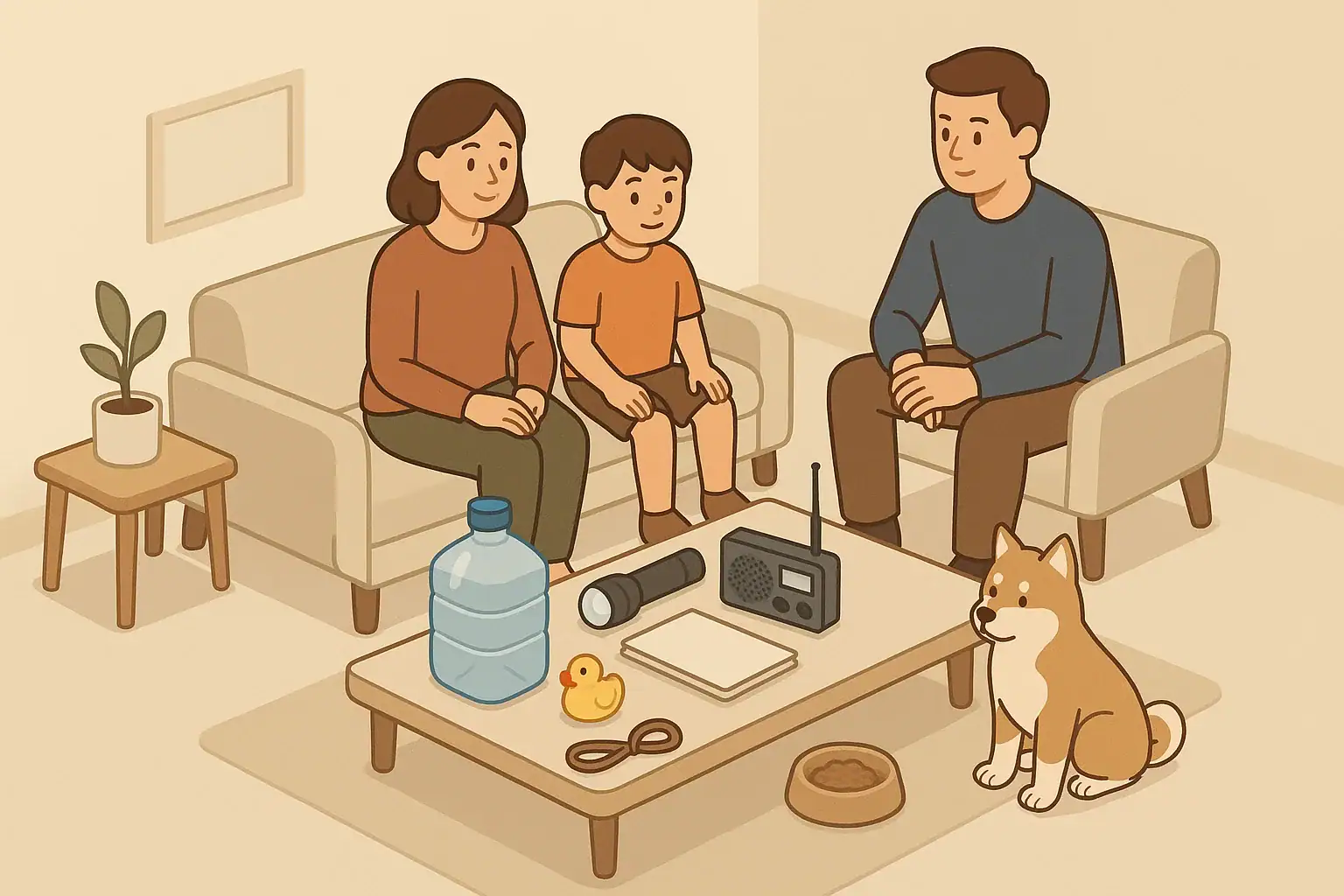
Living with roommates can make everyday life easier and more affordable, but it also means sharing responsibility when something goes wrong. Short-term emergencies like power outages, boil-water notices, heatwaves, winter storms, or wildfire smoke can affect everyone in the home at once.
A calm, realistic emergency plan helps you:
- Avoid confusion during stressful moments
- Use shared supplies efficiently instead of duplicating or wasting them
- Look out for each other, including pets and guests
- Coordinate with your landlord or property manager when needed
This guide focuses on practical, short-duration situations common in US apartment living and shared houses. The goal is not extreme prepping, but simple readiness that fits busy schedules and small spaces.
Why Roommates Need a Simple Emergency Plan
Living with roommates can make everyday life easier and more affordable, but it also means sharing responsibility when something goes wrong. Short-term emergencies like power outages, boil-water notices, heatwaves, winter storms, or wildfire smoke can affect everyone in the home at once.
A calm, realistic emergency plan helps you:
- Avoid confusion during stressful moments
- Use shared supplies efficiently instead of duplicating or wasting them
- Look out for each other, including pets and guests
- Coordinate with your landlord or property manager when needed
This guide focuses on practical, short-duration situations common in US apartment living and shared houses. The goal is not extreme prepping, but simple readiness that fits busy schedules and small spaces.
Start With a Short Roommate Readiness Meeting
The most important step is talking together before anything happens. A short, focused meeting can cover the basics in under an hour and prevent misunderstandings later.
Share Basic Information
Begin by sharing a few essential details, and write them down somewhere everyone can access, such as a printed sheet on the fridge or a shared digital note.
- Full names and phone numbers for each roommate
- Emergency contacts (close friend or family member for each person)
- Work or class schedules and typical times people are home
- Any mobility, sensory, or communication needs that affect evacuations or alerts
- Pets in the home and who is primarily responsible for them
Discuss Likely Local Scenarios
Next, identify a few events that are realistic for your region and building type. Keep the list short so it feels manageable.
- Power outages from storms or grid issues
- Winter storms, extreme heat, or poor air quality days
- Short-term water issues: main breaks or boil-water advisories
- Localized building emergencies: small fires in the complex, burst pipes, or elevator outages
- Regional events that might require staying put for a day or two
For each, briefly decide whether you would usually try to stay home (shelter in place) or leave temporarily (stay with a friend, family, or at a designated location) and what that means for your group.
| Task | Why it matters | Notes |
|---|---|---|
| Share contact info and schedules | Makes it easier to check in if someone is out | Post on fridge or shared app |
| Identify two exit routes | Provides options if one hallway or stairwell is blocked | Practice walking them once |
| Choose an outside meeting spot | Prevents confusion during building evacuations | Pick a nearby landmark |
| Assign supply categories | Shares costs and avoids duplicated items | Rotate roles annually |
| Agree on communication method | Helps roommates coordinate during outages | Text, group chat, or phone tree |
| Note landlord and maintenance contacts | Speeds up reporting of building problems | Include after-hours number |
| Review once or twice a year | Keeps info current when roommates change | Align with lease renewal date |
Shared Supplies for Common Apartment Emergencies
Instead of each roommate building a separate kit, you can create a few shared supplies that stay in the home, plus small personal go-bags for each person. This saves money and storage space while still covering basic needs.
Water and Simple Treatment Options
Short-term water disruptions are common, especially in older buildings or during main breaks. Aim for a modest, realistic amount of stored water and a way to make tap water safer if advised by local authorities.
- Stored water: Keep several refillable containers or jugs in a cool, dark corner. A common example goal is a few gallons per person, plus extra if you have pets.
- Refill habit: When you grocery shop, quickly check and top up low containers.
- Basic treatment: Keep simple options such as boiling instructions and a basic household treatment method recommended by local guidelines for short-term use.
Food and Pantry Readiness
For power outages or days when you should limit going out, a small shelf of foods that store well at room temperature can make things easier.
- Ready-to-eat items that do not require cooking
- Foods that can be heated with minimal fuel if you have a safe option
- Snacks and shelf-stable items that roommates normally eat, so they get used and replaced
Label a section of a cupboard as the shared emergency shelf. Use the food in normal rotation and restock as needed instead of keeping a separate, forgotten stash.
Lighting and Backup Power Basics
Safe lighting is essential if the power goes out at night. Open flames can be risky in small apartments, especially in crowded buildings.
- Shared battery-powered lights: A mix of lantern-style and handheld lights stored in a known location
- Individual headlamps or small flashlights: One per roommate for safe movement in hallways and stairwells
- Fresh batteries: A small shared box labeled for emergency use, checked a couple of times per year
- Simple charging plan: If you use a small battery pack, agree to keep it charged and know how long it usually runs common items
Communication and Information
When cell networks are crowded or power is out, communication can slow down, but simple preparation helps.
- Written contacts: A card or sheet listing each roommate’s contact info and one out-of-area contact for the household
- Low-power phone habits: Agree to turn off background apps, lower brightness, and send short texts instead of repeated calls
- Local information source: Decide how you will get updates if the internet is unreliable, such as checking official local alerts when available
Hygiene and Sanitation Supplies
Even during short disruptions, having simple hygiene items on hand keeps the home more comfortable and helps you avoid unnecessary trips outside.
- Extra toilet paper and basic cleaning supplies
- Trash bags, resealable bags, and paper towels or reusable cloths
- Hand soap and a backup hand-cleaning option
- Products for menstrual care and incontinence, if needed in the household
Assigning Clear Roles Without Overcomplicating Things
Roommate emergencies do not require complicated hierarchies, but some basic roles reduce confusion. Each role can be small and practical. One person can hold more than one role, and you can rotate yearly.
Core Roles for a Shared Household Plan
Consider these simple roles and write the assignments on your shared plan:
- Supply Coordinator: Tracks shared items like water containers, batteries, and the emergency cupboard. Does a quick check every few months.
- Information Lead: Knows where to find official updates for weather, local outages, and building notices. Shares short summaries, not constant updates.
- Pet & Special Needs Lead: Ensures that pets and any roommates with mobility or communication needs are included in plans for evacuations and supplies.
- Landlord Contact Point: Keeps the landlord, property manager, or maintenance numbers posted and helps coordinate calls when there is a building issue.
- Safety & Exit Lead: Helps everyone remember exit routes, stair options, and the outdoor meeting point for evacuations.
Decision-Making During an Event
Stressful moments feel easier when you have a simple framework for decisions. As a group, agree on a few guidelines such as:
- Follow official instructions from local authorities and building management.
- If any roommate feels unsafe staying, the group respects their choice to leave early, if it is safe to do so.
- If communications are limited, prioritize short, specific messages: where you are, who you are with, and your general plan.
You do not need unanimous agreement for every detail, but understanding each other’s comfort levels ahead of time prevents conflict.
Planning for Different Living Spaces and Roommate Situations
Emergency plans look different in a compact apartment versus a large house, and for long-term roommates versus short-term renters. Adjust your plan to your situation so it stays realistic and used.
Small Apartments and Studio Shares
With limited storage, focus on a few high-impact items and smart placement.
- Use vertical space: a single shelf or narrow cabinet for shared supplies.
- Favor multi-use items, such as blankets that are also used as everyday throws.
- Store heavy water containers low and near the kitchen or bathroom for easier use.
- Keep go-bags or small personal kits under beds or on a closet floor.
Shared Houses and Multi-Level Units
Larger spaces may allow more storage but require more coordination.
- Place basic lighting and a small flashlight on each floor.
- Mark at least two exit routes from each level, considering stairwells and exterior doors.
- Choose a central location for the main supply bin where everyone can reach it quickly.
Rotating Roommates and Short-Term Renters
In homes with frequent roommate changes, keep the plan simple and easy to hand off.
- Create a one-page summary of the emergency plan and store it with the lease information.
- When a new roommate moves in, review the summary briefly and update contact info.
- Ask new roommates about pets, mobility needs, or regular medications so you can factor them into the shared plan.
Pets, Kids, and Guests in a Roommate Household
Many shared homes include pets, visiting children, or frequent guests. Planning for them keeps everyone safer and reduces last-minute decisions.
Including Pets in the Plan
Pets rely on humans for safety during disruptions, and their supplies are easy to overlook.
- Keep extra pet food and water in the shared supply area.
- Store a spare leash, collar, and carrier, if needed, near the exit you would most likely use.
- Decide who is responsible for securing and transporting each pet in an evacuation.
- Note any pet restrictions for potential temporary housing options.
Roommates With Children or Visiting Kids
If a roommate has children or kids often visit, adjust your supplies and roles slightly.
- Have at least one child-friendly light, such as a small lantern they can safely hold.
- Keep a few quiet, low-tech activities in the shared kit: a deck of cards, a blank notebook, or simple toys.
- Make sure exits and stairways are kept clear of clutter to reduce tripping risks in the dark.
Friends or Family Staying Over During Events
In some situations, extra people may come to your place for shelter, or you might host a friend who cannot easily climb stairs or travel. In your plan, note:
- Where extra bedding is stored and how many people you can reasonably host.
- Any building rules about maximum occupancy or guests during emergencies.
- How to prioritize shared resources, like water and lighting, if more people are present.
Go-Bags and Stay-at-Home Kits for Roommates
Two types of setups work well together in shared housing: a stay-at-home kit of shared supplies, and individual go-bags for each person. This saves money and storage space while still covering basic needs.
Shared Stay-at-Home Kit
Consolidate group items in one or two bins or boxes clearly labeled and easy to access. Typical shared items include:
- Water containers and simple treatment options
- Pantry foods and a manual can opener
- Lanterns, spare batteries, and a small battery pack if you use one
- Hygiene supplies and cleaning basics
- Simple tools such as a basic multi-use hand tool, duct tape, and gloves
Store the kit in a spot that is:
- Off the floor, if possible, in case of minor leaks
- Not blocked by large furniture
- Known to everyone, including newer roommates
Personal Go-Bags for Each Roommate
Each person should have a small bag they can grab quickly if they need to leave, even for a short time. These do not need to be large or heavy.
- Copies of key documents or digital backups stored securely and accessibly
- Basic clothing, a warm layer, and comfortable shoes
- Personal hygiene items and any regularly used medications, stored as appropriate
- Small light, phone charger, and a little cash, if possible
Keep go-bags in bedrooms, near the bed or closet, where they can be reached in the dark.
Simple Communication and Check-In Plan
A clear communication plan helps you reconnect if you are separated or if an outage happens while some roommates are away.
Basic Check-In Rules
Agree on a few simple habits:
- In a regional event, each roommate tries to send one short message to the group chat when safe.
- If someone cannot get through, others do not spam-call them; instead, they wait and try again later.
- If you are staying elsewhere, you share the general area (not necessarily the exact address) with roommates and your emergency contact.
Meeting Points and Building Evacuations
Designate two meeting points:
- Primary: A nearby spot outside the building, such as a visible corner or open area.
- Secondary: A farther location, such as a friend’s place or a public spot you all know, in case the immediate area is not safe.
Practice exiting the building once, during the day, so everyone knows the stairwells, exits, and how to reach the meeting point.
| Device type | Typical watts range (example) | Planning notes |
|---|---|---|
| LED lantern | 5–10 watts | Plan shared use in common areas to reduce number needed |
| Phone charging | 5–15 watts | Rotate charging and use low-power mode to stretch battery packs |
| Laptop | 30–70 watts | Limit use to necessary tasks; prioritize one shared device if needed |
| Small fan | 20–50 watts | Run on lower settings and share in common areas during heat |
| Radio or small speaker | 5–15 watts | Use sparingly for information or brief updates, then power off |
| Compact air cleaner | 20–60 watts | Run in a single closed room if air quality is poor and power allows |
Keeping the Plan Current Without Extra Stress
An emergency plan works best when it is simple and occasionally refreshed. You do not need to obsess over it. Instead, connect updates to normal household routines.
- Quarterly check: During a routine cleaning day, quickly look at water, batteries, and pantry items.
- Lease cycle: At lease renewal or when someone moves in or out, review roles and contact info.
- Seasonal shift: Before winter or extreme heat seasons in your area, skim your plan and adjust items like blankets, fans, or air-quality supplies.
A calm, shared approach lets roommates handle everyday disruptions more smoothly, support one another, and make the most of limited space and budgets.
Authoritative sources
Safety recommendations can change. Confirm critical details with current official guidance and local authorities.
- US EPA: Emergency Disinfection of Drinking Water
- USDA FSIS: Keep Food Safe During Emergencies
- U.S. CPSC: Battery Safety
Frequently asked questions
How much water should roommates store for short-term apartment emergencies?
A practical goal is a few gallons per person to cover basic drinking and minimal hygiene for 24–48 hours, plus extra for pets. In small homes, use refillable jugs that you rotate and top up during grocery trips rather than trying to store a large amount at once.
What shared supplies are most useful for an emergency plan for roommates?
Keep modest shared items like water containers, a small shelf of ready-to-eat foods, battery-powered lanterns, spare batteries, basic hygiene supplies, and pet essentials. Also include a simple multi-tool, a manual can opener, and at least one small battery pack for phone charging.
How should roommates assign roles so decisions are clear during an event?
Pick a few small, practical roles (supply coordinator, information lead, pet/special-needs lead, landlord contact point, safety/exit lead) and write them on the shared plan. Roles can be combined, rotated periodically, and should be reviewed when someone moves in or out to avoid confusion during stressful moments.
How can rotating roommates or short-term renters be included in the household emergency plan?
Use a one-page summary stored with lease documents and review it briefly when a new person moves in so contact info and any special needs are updated. Keep the plan simple and visible so it is easy to hand off and understand without lengthy orientation.
When is it appropriate for roommates to evacuate versus shelter in place?
Follow instructions from local authorities and building management: immediate threats like fire typically require evacuation, while power outages or short water advisories often mean sheltering in place with supplies. If any roommate feels unsafe remaining, the group should respect that decision and leave if it is safe to do so.
- Simple checklists and realistic planning
- Water, power, lighting, and pantry basics
- Family plans (kids, pets, seniors) and seasonal prep
Affiliate disclosure
As an Amazon Associate, we earn from qualifying purchases. Some links on this site may be affiliate links. If you buy through these links, we may earn a small commission at no extra cost to you. This helps support our content. Learn more.