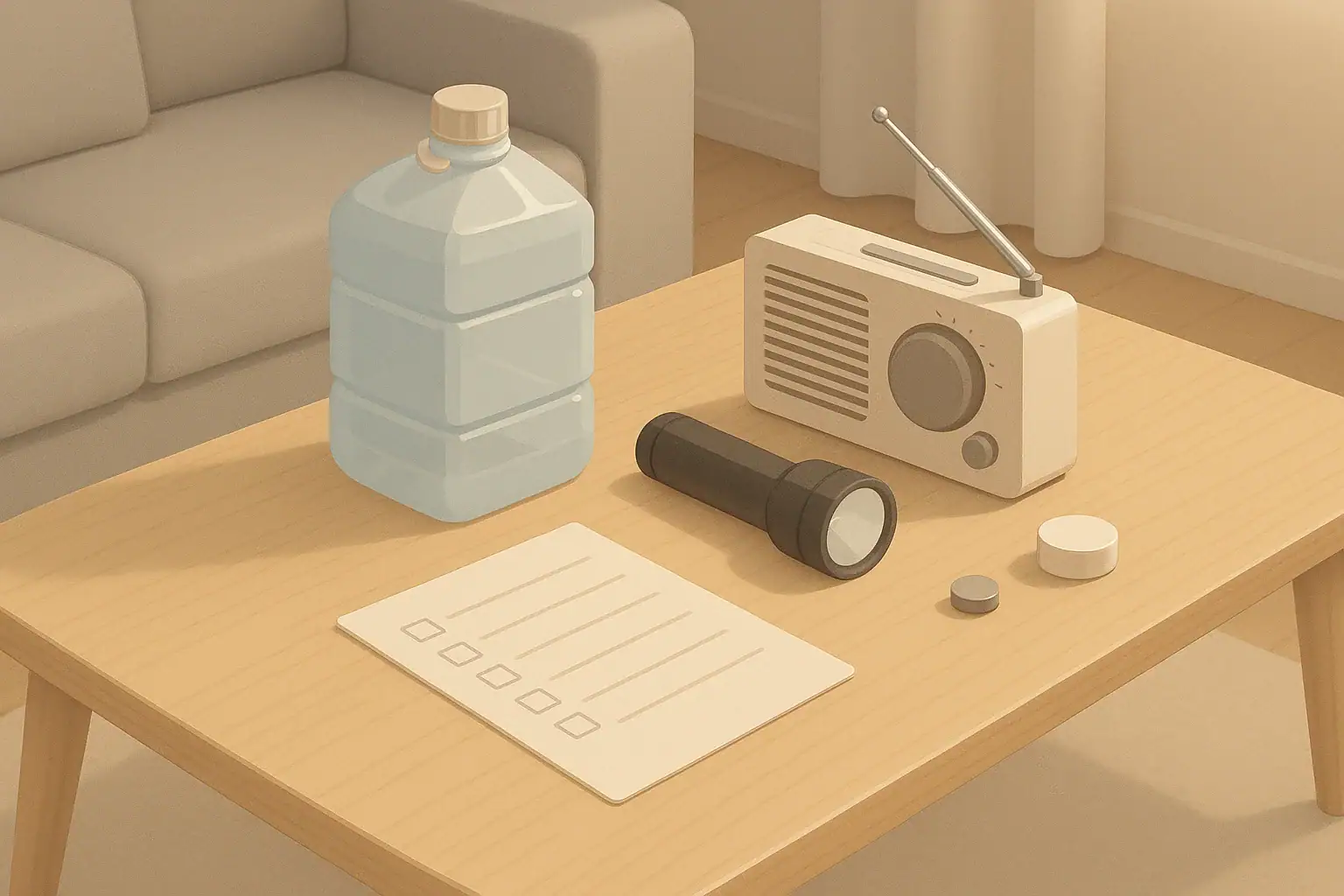
Why the First 30 Days in a New Home Matter
The first month in a new home is usually filled with unpacking, address changes, and learning how everything works. It is also the perfect time to build simple, realistic emergency readiness habits before routines are fully set.
Emergency readiness is not about worst-case scenarios. It is about being comfortable if everyday disruptions happen: a short power outage, a winter storm, a burst pipe, or heavy smoke from regional wildfires. A few small steps now can prevent confusion and stress later.
This checklist is designed for everyday households in the United States, including renters and owners, apartments and houses, families with kids, pets, and older adults. You can spread the tasks over 30 days and adapt them to your space and budget.
Days 1–7: Learn Your Home and Find the Critical Shutoffs
Start by understanding how your new home works. This helps with both routine maintenance and emergencies like leaks or electrical problems.
Locate Main Controls and Shutoffs
Walk through your home with a notebook or notes app and find:
- Electrical panel: Note the main breaker, any labeled circuits, and any signs of previous issues (burned labels, loose cover).
- Water main shutoff: Usually where water enters the home, in a basement, closet, or on an exterior wall. In apartments, ask management if you cannot find it.
- Gas shutoff (if applicable): Typically near the gas meter outside or where the line enters the home. Ask your gas utility about safe operation.
- Individual appliance valves: For toilets, sinks, washing machine, and gas appliances.
Write down or photograph each location so you can explain it quickly to other household members.
Check Existing Safety Devices
Most homes come with some basic safety equipment. In the first week, verify:
- Smoke alarms: Test them, note their locations, and replace batteries if needed.
- Carbon monoxide alarms (if you have fuel-burning appliances or an attached garage): Test them and confirm they are not blocked by furniture.
- Fire extinguishers: If present, check the pressure gauge and that you can access them quickly.
- Door and window function: Confirm they open, close, and lock smoothly for both security and emergency exits.
Walk the Outside of the Property
The outside of your home affects how it performs during storms or wildfire smoke.
- Note drainage paths and where water tends to collect during rain.
- Look for overhanging branches near roofs, lines, or windows.
- Identify clear paths to the street in case you need to leave quickly.
- Check for address visibility from the street for deliveries and emergency responders.
| Task | Why it matters | Notes |
|---|---|---|
| Find electrical panel and main breaker | Lets you safely cut power during electrical issues | Show location to all adults and responsible teens |
| Locate main water shutoff | Helps stop leaks and burst pipes quickly | Practice turning it halfway once if allowed |
| Identify gas shutoff (if present) | Important for gas odor or line damage situations | Ask utility for safe use guidance |
| Test smoke and CO alarms | Ensures alerts work during fire or combustion issues | Replace any missing or non-working units |
| Confirm windows and doors open easily | Provides escape routes in emergencies | Clear clutter away from primary exits |
| Note outside drainage and low spots | Helps you plan for heavy rain or runoff | Watch during a storm to learn patterns |
Days 8–14: Build a Simple Power and Lighting Plan
Power outages can last from minutes to several hours, and sometimes longer after major storms. A basic plan focuses on lighting, communication, and keeping essential devices running for a while.
Decide Which Devices Truly Matter
Most households do not need to power everything during an outage. Instead, focus on:
- At least one light per key area (living space, hallway, bathroom).
- Phones for communication and basic information.
- Medical or mobility devices if someone in the home relies on them.
- Minimal refrigeration time by keeping the fridge closed as much as possible.
Set Up Safe Lighting Options
Plan for light that does not increase fire risk, especially around kids and pets.
- Keep flashlights or lanterns in fixed spots: by the bed, near main doors, and in the kitchen.
- Store fresh batteries nearby in clearly labeled (or color-coded) containers.
- Consider a headlamp for hands-free tasks like checking the panel or carrying items on stairs.
- Avoid using open flames around clutter, curtains, or low ceilings.
Plan Phone Charging and Basic Backup Power
Even a small power solution can keep phones on and a few lights running.
- Keep at least one backup power option charged, such as a simple battery pack or other safe system appropriate for your home.
- Store charging cables with the backup unit so you are not searching in the dark.
- If you live in an apartment, know any building generator rules and where powered common areas might be.
- In a house, understand any existing generator hookups and use them only as designed and safely ventilated.
Practice a Short “Lights Out” Drill
Choose a calm evening and turn off nonessential lights for 15–30 minutes. Walk through your routine with only your backup lighting. Notice:
- Where you wish you had another flashlight or lantern.
- Any trip hazards on stairs or in hallways.
- Whether kids know where their own lights are kept.
Days 15–21: Water, Pantry, and At-Home Emergency Supplies
Next, focus on being comfortable at home for a few days if water service is interrupted or stores are temporarily inaccessible. This does not require large stockpiles; steady, modest steps are enough.
Plan for Short-Term Water Disruptions
Think about water for three main uses: drinking, basic food preparation, and minimal hygiene.
- Aim for a small buffer of drinking water stored in clean containers. Many households choose amounts that cover a few days per person and pet as a starting point.
- Use sturdy, food-safe containers that you can lift and store easily in your actual space.
- Note where you could fill containers quickly if you receive advance notice of an outage or boil order.
- Keep a simple water treatment backup, such as basic filters or other methods suitable for your needs, and always follow instructions carefully.
Build a Practical Pantry Cushion
Instead of a large stockpile, think in terms of a slightly deeper pantry of items you already like and eat.
- List no-cook or low-cook foods your household will actually eat: nut butters, dry cereal, canned beans, canned vegetables, shelf-stable milk, crackers, ready-to-eat pouches, and similar items.
- Gradually add one or two extra items during regular grocery trips.
- Favor foods that are easy to store and rotate, with clear dates and simple preparation.
- Include pet food and treats if you have animals, plus any special diet items for infants or older adults.
Create a Compact At-Home Readiness Kit
This kit is different from a go-bag. It stays at home and supports sheltering in place during short disruptions.
- Lighting: Flashlights or lanterns, spare batteries, and a headlamp.
- Basic tools: Multi-bit screwdriver, adjustable wrench (for certain valves if appropriate), utility knife, work gloves.
- Information: Printed list of important phone numbers and addresses in case phones lose access to contacts.
- Copies of key documents: Insurance details, ID copies, and lease or deed copies stored in a dry, secure place.
- Basic hygiene items: Soap, hand sanitizer, toilet paper, trash bags, and resealable bags for waste separation.
- Comfort items: Simple games, cards, coloring materials for kids, or a favorite snack.
Apartment vs. House Considerations
Your type of home changes how you store supplies and what you can reasonably plan for.
- Apartments and small spaces: Use under-bed bins, closet shelves, and stacked containers. Focus on compact items and multi-use supplies.
- Houses: You may have more storage for water, tools, and seasonal gear. Also consider yard items that could become hazards in high wind.
- Renters: Keep a copy of your lease with building rules about generators, grills, and balcony storage.
Days 22–27: Communication, Family Plans, and Go-Bags
Once your basic home supplies are started, turn to people: how you will reach each other and where you might go if staying home is not the best option.
Set Up a Simple Household Communication Plan
During storms or local incidents, cell networks can be busy and power may be out. Planning ahead reduces confusion.
- Choose one out-of-area contact (friend or relative in another region) everyone can try to message if local lines are busy.
- Write down phone numbers and addresses for family, work, schools, daycare, and medical providers.
- Decide on preferred methods in an emergency: text, call, group chat, or landline if available.
- For kids, practice how to share their full name and address and who it is safe to share with (caregivers, teachers, responders).
Choose Meeting Spots
Agree on two types of meeting locations:
- Near-home spot: A landmark across the street or on the next corner if you need to leave the house quickly (for example, after a small fire).
- Neighborhood spot: A park, library, or similar location if you cannot get back to your street immediately.
Walk to these spots with children and older family members so everyone is familiar with the route.
Assemble Basic Go-Bags
A go-bag is a small kit you can grab if you must leave home quickly for a few hours or overnight. Keep them light and tailored to each person.
- Core items: Water bottle, simple snacks, basic hygiene items, small flashlight, phone charger, and a compact power bank.
- Documents and money: Photocopies of essential documents, some cash in small bills if practical.
- Clothing: Change of undergarments and socks, weather-appropriate layer.
- Medications: A short-term supply, clearly labeled, along with a written list of medication names and dosages. Consult your healthcare provider or pharmacist on safe storage and rotation.
- For kids: Comfort items such as a small toy or blanket, age-appropriate snacks, and any special care items.
- For pets: Leash, small food supply, collapsible bowl, waste bags, and copies of vaccination records if available.
Consider Neighbors and Vulnerable Household Members
Community connections can make a big difference in short-term disruptions.
- Introduce yourself to at least one nearby neighbor and exchange non-emergency contact information if comfortable.
- Note anyone in your household who may need extra assistance during an emergency: limited mobility, sensory sensitivities, or difficulty with stairs.
- Plan who will help with pets, young children, or older adults if one adult is away when something happens.
Days 28–30: Seasonal, Regional, and Air Quality Considerations
To finish your first 30 days of readiness, adjust your plans to the most likely events in your region and the current season. This helps you prepare for realistic situations instead of abstract disasters.
Match Your Plan to Local Hazards
Think about what tends to happen where you live. Examples include:
- Winter storms: Extended cold, snow or ice, and longer outages.
- Hurricanes and coastal storms: Wind, heavy rain, and potential evacuation orders.
- Heatwaves: High indoor temperatures, especially in upper floors and units without strong cooling.
- Wildfire smoke: Poor outdoor air quality that can last for days or weeks, even far from fires.
- Severe thunderstorms and tornadoes: Short-notice sheltering needs and localized damage.
Adjust your supplies, clothing, and sheltering plans according to the season. For example, focus on warmth and non-slip footwear in winter, or shade and hydration strategies in summer.
Prepare for Short-Term Air Quality Issues
Wildfire smoke and other air quality events have become more common in many parts of the United States. You can take simple steps to make your indoor environment more comfortable when outdoor air is poor.
- Identify a “cleanest room”: A bedroom or living area where you can close windows and doors more tightly during smoky days.
- Check window and door seals: Look for obvious drafts and gaps and address them with basic weather-stripping or draft stoppers where appropriate.
- Know your ventilation controls: Learn how your home’s fan settings, bathroom fans, and kitchen exhausts affect air movement. Use them thoughtfully during smoke events.
- Have basic masks available: If you must go outside when air quality is visibly poor, certain well-fitted masks can reduce particle exposure. Choose types appropriate for your needs and follow their instructions.
Review and Lightly Test Your Plans
Use the final days of the first month to do a quick review:
- Ensure everyone knows where flashlights and the main shutoffs are.
- Verify that go-bags are labeled and reachable.
- Check that your water and pantry items are stored off the floor and away from direct heat.
- Pick a simple rotation reminder (for example, every 3 or 6 months) to use or replace older pantry and water items.
| Food type | Storage tip | Rotation interval idea | No-cook or low-cook use |
|---|---|---|---|
| Canned beans and vegetables | Store in a cool, dry cabinet away from direct heat | Consider using and replacing every 6–12 months | Eat straight from the can or add to salads and wraps |
| Nut butters and spreads | Keep tightly closed; avoid warm, sunny spots | Plan use within several months of opening | Spread on crackers, bread, or fruit slices |
| Dry crackers and shelf-stable bread products | Seal in bags or containers to limit moisture | Check freshness every 3–6 months | Pair with canned items, spreads, or soups |
| Ready-to-eat pouches (soups, meals) | Stand upright in a bin with labels facing forward | Place newer pouches behind older ones | Warm briefly if power is available, or eat as is |
| Pet food (dry or canned) | Keep in original bag or a sealed container | Buy sizes your pet can use while still fresh | Use regular bowl feeding routine |
| Snack bars and trail mixes | Group in a clear box to see stock at a glance | Rotate into lunchboxes every few months | Eat straight from package for quick energy |
Keeping Your New Home Ready Without Overthinking It
Emergency readiness in a new home is less about gear and more about habits: knowing your shutoffs, keeping a small cushion of water and food, having simple lighting and power backups, and making sure everyone knows how to reconnect if plans change suddenly.
Once you have completed the first 30 days, set a reminder to review your plan a couple of times a year. Adjust it as seasons, household members, and local conditions change. Small, steady improvements will keep your home comfortable and ready for everyday disruptions.
Authoritative sources
Safety recommendations can change. Confirm critical details with current official guidance and local authorities.
- CDC: Carbon Monoxide Poisoning Basics
- US EPA: Emergency Disinfection of Drinking Water
- USDA FSIS: Keep Food Safe During Emergencies
Frequently asked questions
How do I quickly find the main shutoffs in a new home?
Start by checking typical utility areas: basements, garages, utility closets, and exterior walls where services enter the building. The water main is often near where the supply enters, the electrical panel is commonly in a garage or utility room, and the gas shutoff is usually near the meter outside. Photograph and label each location and show them to other household members for fast access.
What should be included in a compact at-home readiness kit for a new homeowner?
A compact kit should cover basic lighting, a few tools, essential documents, hygiene items, and simple comfort items. Include flashlights or a lantern, spare batteries, a multi-bit screwdriver, an adjustable wrench, printed contact lists and copies of key documents, soap and hand sanitizer, and a small first-aid supply. Keep the kit in a dry, easy-to-reach location.
How much water should I store initially as a new homeowner?
A practical starting point is a small buffer that covers a few days for each person in the household; many people use roughly one gallon per person per day for drinking and minimal hygiene as a guideline. Adjust amounts for pets and any special needs, and choose containers you can lift and store easily in your home. Replace or refresh stored water based on storage recommendations and your rotation plan.
How can I adapt an emergency readiness checklist for apartment living?
In apartments, focus on compact, multi-use items and efficient storage such as under-bed bins or closet shelves. Know your building’s rules about generators, grills, and shared power, and identify any powered common areas. Prioritize items that are easy to grab and carry if you must evacuate quickly, and maintain a small at-home kit and lightweight go-bag.
How often should I test alarms and rotate pantry and water supplies?
Test smoke and carbon monoxide alarms monthly and replace batteries or units as needed. Rotate pantry items on a 3–6 month cadence for snacks and shelf-stable items, and consider 6–12 month rotation for canned goods depending on labels and storage conditions. Replace stored water every 6–12 months or follow the container manufacturer’s guidance.
- Simple checklists and realistic planning
- Water, power, lighting, and pantry basics
- Family plans (kids, pets, seniors) and seasonal prep
Affiliate disclosure
As an Amazon Associate, we earn from qualifying purchases. Some links on this site may be affiliate links. If you buy through these links, we may earn a small commission at no extra cost to you. This helps support our content. Learn more.