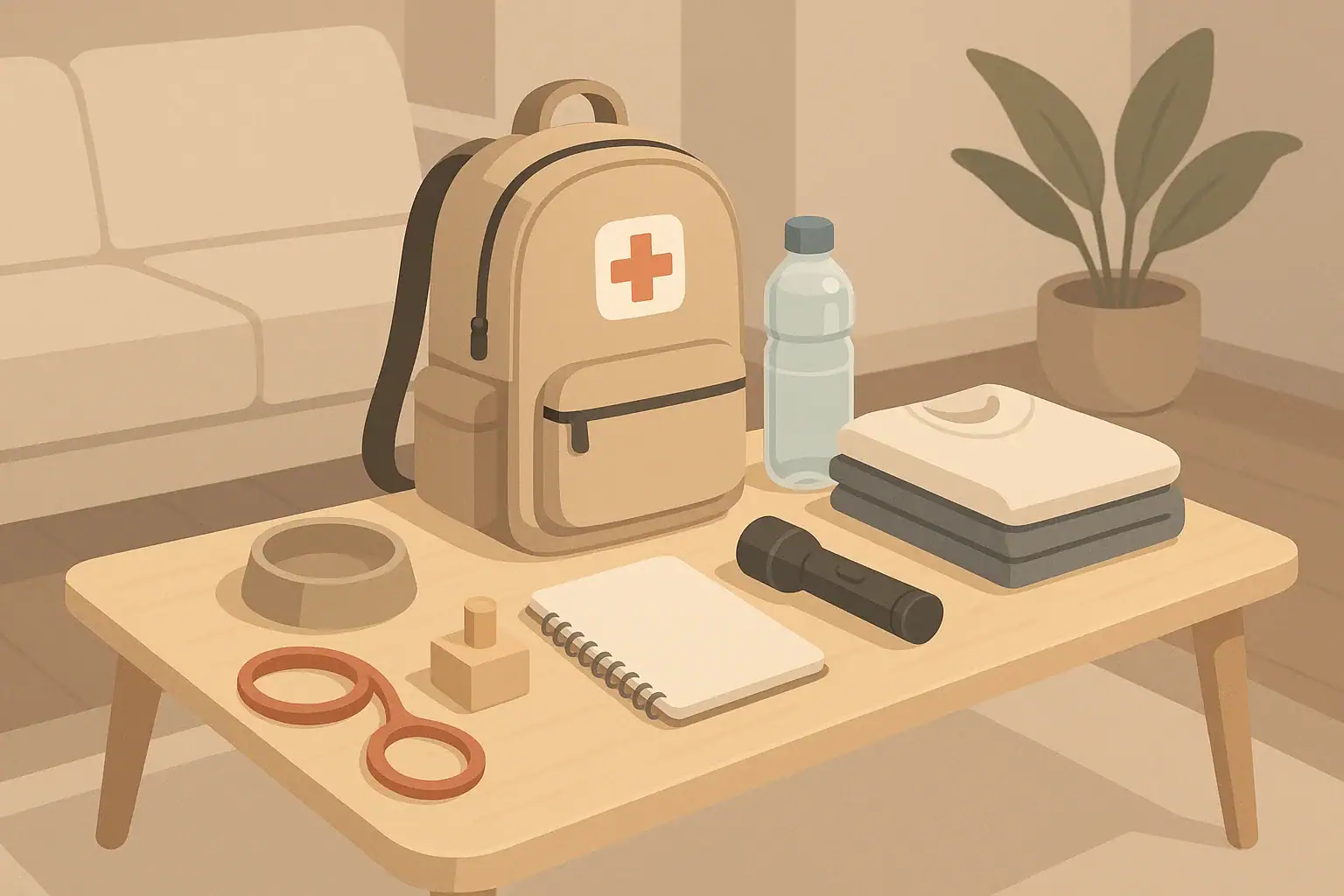
Living alone has advantages for emergency planning: you know your own routines, space, and limits. It also means you are your own backup if something goes wrong. A simple solo household emergency plan can make short-term disruptions less stressful and more manageable.
This guide focuses on realistic situations in the United States, such as power outages, water interruptions, winter storms, heatwaves, and heavy smoke from wildfires. The goal is practical readiness, not worst-case scenarios. You do not need a basement full of gear. You do need a clear plan and a few well-chosen supplies.
For solo households, three areas matter most:
- Check-in and communication plans
- Basic supplies you can actually manage alone
- Backup contacts and decision points if you need help
Why a Solo Household Emergency Plan Matters
Living alone has advantages for emergency planning: you know your own routines, space, and limits. It also means you are your own backup if something goes wrong. A simple solo household emergency plan can make short-term disruptions less stressful and more manageable.
This guide focuses on realistic situations in the United States, such as power outages, water interruptions, winter storms, heatwaves, and heavy smoke from wildfires. The goal is practical readiness, not worst-case scenarios. You do not need a basement full of gear. You do need a clear plan and a few well-chosen supplies.
For solo households, three areas matter most:
- Check-in and communication plans
- Basic supplies you can actually manage alone
- Backup contacts and decision points if you need help
Step 1: Design a Simple Check-In Plan
A check-in plan is a pre-agreed way for others to know you are okay, and for you to reach help if you are not. It is especially important if you live alone, have mobility limits, or do not see neighbors often.
Choose Your Primary Check-In Contacts
Start by identifying two to four people you trust. Try to mix:
- Someone nearby (neighbor, coworker, friend in town)
- Someone farther away (relative or friend in another city or state)
- At least one person who is usually reachable by phone or text
Tell them you are setting up a basic emergency plan and ask if they are willing to be part of your check-in circle. Explain that it mainly covers short disruptions, not long-term crises.
Set Clear Triggers and Expectations
Decide when and how you will check in. Keep it simple and realistic for your routines:
- Everyday disruptions: For expected events (planned power work, forecast storm), you might send a brief message before it starts and one after it passes.
- During an event: Agree on a schedule, such as one text in the morning and one in the evening during a storm or extended outage, if your phone works.
- After a disruption: Send a short update when utilities return or when you leave home to stay with someone else.
Also define what your contact should do if they do not hear from you. For example, after a set number of missed check-ins, they might call your landlord, a neighbor you trust, or local non-emergency services if they are genuinely concerned.
Plan for Phone and Power Issues
Phones are central to most check-in plans, but service can be unreliable during storms, wildfires, or large outages. Plan low-tech backups:
- Write down key numbers: Keep a small paper card with your main contacts, backup contacts, and any building management numbers.
- Decide on a contact hub: Choose one out-of-town person as your “information hub” everyone else can check with if local phones are overloaded.
- Use simple messages: Short texts like “Safe, no power, staying home” use less battery and often go through more easily than calls.
If you have mobility concerns or serious medical needs, talk with your local emergency management office or utility company about any available alert or priority programs related to outages or evacuations.
Example values for illustration.
| Task | Why it matters | Notes |
|---|---|---|
| List 2–4 trusted contacts | Gives you options if one person is unavailable | Include at least one out-of-town person |
| Agree on check-in times | Reduces worry and confusion during storms | Example: morning and evening texts |
| Define missed check-in steps | Clarifies when someone should seek help | Example: call neighbor after 2 missed check-ins |
| Write contacts on paper card | Backup if your phone battery dies | Keep one copy in wallet or go-bag |
| Identify a contact hub | Makes it easier to share updates with many people | Pick someone with reliable phone access |
| Share building access info | Helps trusted people reach you if truly needed | Only with people you fully trust |
Step 2: Right-Sized Supplies for One Person
Solo households often have limited storage and carrying capacity. Your supplies should be enough to get you through common short-term disruptions, but not so much that they overwhelm your space or budget.
Plan for Staying Put vs. Leaving
Most emergencies involve staying at home while services are temporarily disrupted. In some cases, you may need to leave briefly for cleaner air, more comfortable temperatures, or because of building issues like broken pipes or fire risk.
Think in terms of two kits:
- Stay-at-home kit: For power or water disruptions lasting a few days.
- Go-bag: A simple bag you can carry yourself if you need to leave quickly.
Your stay-at-home kit can be larger and heavier. Your go-bag should be light enough that you can carry it comfortably for the distance you may realistically need to walk.
Water and Simple Food for One
For short disruptions, aim for a modest water reserve you can store in your space and lift safely. Many people find it easier to keep several smaller containers rather than one large one, especially in apartments or for those with limited strength.
Consider:
- Sealed water containers that you can move when full
- Some basic way to make tap water safer if advised by local authorities, such as following boil instructions when possible
- A small stash of food that does not require cooking, like shelf-stable items you already eat
Choose foods you tolerate well and can eat even if you are tired, stressed, or do not have access to a stove. If you rely on a specific diet, include options that fit it.
Lighting, Power, and Communication Basics
Safe lighting and basic device charging can make an outage much less disruptive. Focus on low-risk, simple tools:
- Lighting: A couple of battery-powered lights you can place safely; avoid open flames, especially in small or shared spaces.
- Batteries: Enough spare batteries for your lights and small devices, stored in a dry, easily reached container.
- Charging: A small backup battery for your phone or other essential device, kept charged as part of your routine.
If you live in a building with frequent outages, it may be helpful to know in advance where common areas with emergency lighting or outlets are located, if allowed for resident use.
Medications, Documents, and Personal Essentials
If you take medications or use medical devices, plan for a few days of flexibility when possible. Talk with your pharmacist or healthcare provider about reasonable refill timing and storage questions.
Set aside:
- A small supply of regularly used medications, if allowed by your provider and insurance
- Copies of key documents (ID, insurance details, important phone numbers) in a waterproof sleeve
- Basic hygiene supplies in travel sizes, suitable for limited water use
- Comfort items you find calming, such as a small book, notebook, or other simple activity
Step 3: Backup Contacts and Decision Points
Backup contacts are the people and organizations you turn to if your usual routines are interrupted. For solo households, knowing in advance who you might ask for help can prevent last-minute scrambling.
Build a Small Support Map
Think in categories rather than individual names at first. Then fill in actual people where you can:
- Nearby personal contacts: Neighbor, coworker, friend, building manager
- Farther contacts: Relative or friend in another region
- Local services: Property management, local non-emergency police or city information line, utility customer service
- Community resources: Community centers, local shelters or cooling/heating centers announced by your city during extreme weather
Write down at least one option in each group. You do not need to share all details of your plan with everyone, but it is useful to let key people know they are part of your backup support.
Decide When You Will Ask for Help
Solo adults sometimes hesitate to ask for help until things are very uncomfortable. Setting clear decision points in advance can make it easier to act sooner, while options are still open. Examples of decision points you might write down:
- Power outage in extreme temperatures: If your home is too hot or cold to stay comfortable after a certain number of hours, you will contact a friend or check for public warming or cooling centers.
- Smoke or poor air quality: If local authorities advise staying indoors and your building is very drafty, you will reach out to see if you can stay somewhere with better sealing or filtration.
- Water disruption: If water is off longer than a set number of hours, you will contact building management and consider staying with someone who has working plumbing.
These are examples only. Choose decision points that reflect your health, local climate, and housing situation.
Apartment vs. House: Different Backup Paths
Your type of home changes which backup contacts matter most.
- Apartment or condo: Building management or association, neighbors on your floor, and your building’s maintenance or security staff are key contacts. Common areas may have emergency lighting, and the building may post notices about outages or repairs.
- House or duplex: You may rely more on neighbors, local utility updates, and nearby family or friends. You also have more control over your own supplies but are fully responsible for your building systems.
In either case, it helps to know in advance how your local utility communicates about outages and restoration estimates, so you can decide when to use your backup contacts.
Step 4: Planning with Pets, Kids, or Mobility Limits
Many solo households include dependents: pets, children who visit part-time, or adults with mobility or sensory needs. Your plan should account for anyone who depends on you, even if they are not there full-time.
Including Pets in a Solo Plan
Pets add responsibility but also structure to your emergency planning. Think about:
- Food and water: Set aside extra pet food and a small water reserve for your animals.
- Identification: Keep a recent photo and basic description of your pet with your documents.
- Transport: Decide how you would move your pet if you needed to leave: carrier, leash, or crate.
- Backup caregiver: Ask a local friend or neighbor if they could temporarily care for your pet if you were unable to get home.
Part-Time Kids or Guests
If children or other family members are with you only some of the time, create a slim version of your plan for those periods:
- Make sure they know where flashlights and basic supplies are kept.
- Agree on how older kids should use phones or messages if you are separated during a disruption.
- Coordinate with the other household they stay in so plans do not conflict.
For younger children, simple routines and clear directions matter more than detailed explanations. Focus on keeping them in familiar spaces and activities when possible.
Mobility and Access Considerations
If you or someone you care for has limited mobility, hearing, or vision, adapt your plan from the start:
- Store key items within easy reach, not on high shelves or deep in closets.
- Consider how you would exit your building if elevators were not working.
- Talk with neighbors, building staff, or local services about any support options during power outages or evacuations.
Label containers and shelves in a way that works for you, using tactile markers or color systems if helpful (avoiding written labels if they are hard to see).
Step 5: Seasonal and Regional Adjustments
Short-term emergencies look different in a winter climate than in a hot, humid region or an area with wildfire smoke. A solo household emergency plan works best when it reflects your local risks.
Winter Storms and Cold Snaps
If you live where temperatures fall below freezing, focus on staying warm and safely lit during power interruptions:
- Layered clothing and blankets that you can move and manage alone
- Safe, non-flame lighting options placed where you will not trip on them
- Warm drinks and foods that can be prepared with minimal heating, if available
- Decision point for leaving if your indoor temperature becomes uncomfortably or persistently cold
Know where local warming centers or community spaces are announced, such as through local news or city communication channels.
Heatwaves and Extended Hot Weather
In hot climates or summer seasons, the concern is often long, warm nights and possibly poor air quality. Solo households may find it harder to notice gradual overheating, especially without others around.
Plan for:
- Ways to keep at least one room cooler, such as closing blinds during the day and using fans when power is available
- A personal cooling routine, such as cool cloths, frequent water intake, and limiting physical effort in the hottest hours
- Backup places you could go if your home becomes too hot, such as a friend’s place, a library during open hours, or designated cooling centers
Set a personal decision point for when you will leave a hot home and go to a cooler space, if possible.
Wildfire Smoke and Air Quality Events
Even if you are far from active fires, smoke can travel long distances. Poor outdoor air quality can make simple activities like walking to a store uncomfortable.
Simple steps include:
- Identifying at least one room you can make more closed to outdoor air by closing windows and doors
- Using any available filtration or fan options you already have, following manufacturer instructions
- Planning errands for days or times when air quality is typically better, if possible
- Having enough basic supplies at home to reduce trips outside during smoke events
If you have a condition affected by air quality, talk with your healthcare provider in advance about any recommended personal adjustments during these events.
Flooding, Heavy Rain, and Hurricanes
For coastal or flood-prone areas, the main decisions are often about when to move your belongings off the floor, when to shelter in place, and when to leave. If you live alone in such regions:
- Know whether your home is in a flood-prone or evacuation zone based on local information.
- Store important items and documents above floor level if possible.
- Create a lightweight go-bag that you can take quickly if local authorities recommend leaving.
- Decide now which friend or relative you would stay with if you needed to move before a storm arrives.
Example values for illustration.
| Food type | Storage tip | Rotation interval idea | No-cook use |
|---|---|---|---|
| Canned beans or vegetables | Store in a cool, dry cupboard | Use and replace every few months | Eat straight from can or lightly rinsed |
| Nut butter or similar spreads | Keep tightly closed after opening | Use regularly and replace when low | Spread on crackers or bread |
| Ready-to-eat grains or pouches | Stack so older items are in front | Plan to eat oldest within a few months | Eat at room temperature in a bowl |
| Dry snacks (crackers, nuts) | Seal in containers to limit moisture | Use in daily snacks and refill monthly | Quick energy during outages |
| Shelf-stable milk or alternatives | Keep in back of cupboard away from heat | Use in regular cooking and replace | Drink cold or room temperature |
| Instant oatmeal or cereal | Store in resealable bags or boxes | Rotate through normal breakfasts | Eat dry or with shelf-stable milk |
Keeping Your Solo Plan Simple and Current
An emergency plan for a solo household does not need to be complicated or time-consuming. The most useful plans are short, written down, and familiar to you.
Once or twice a year, choose a calm day to:
- Review your check-in contacts and confirm numbers.
- Glance through your supplies to see what needs replacing.
- Adjust your plan for any new health needs, pets, or changes in housing.
Keep your written plan and key contacts in one clearly labeled folder or envelope that you can reach quickly. Over time, your solo household emergency plan will become just another quiet part of how you take care of your home and yourself.
Authoritative sources
Safety recommendations can change. Confirm critical details with current official guidance and local authorities.
- US EPA: Emergency Disinfection of Drinking Water
- USDA FSIS: Keep Food Safe During Emergencies
- U.S. CPSC: Battery Safety
Frequently asked questions
How often should I check in with my contacts during a multi-day outage?
Agree on a simple schedule you can sustain, such as once in the morning and once in the evening, and share it with your check-in circle. Define a clear missed-check-in threshold (for example, two missed messages) and low-tech backups like a paper contact card in case phones lose power or service.
What should I pack in a lightweight go-bag for one person?
Include ID, any essential medications for several days, a charged small phone power bank, a reusable water bottle, ready-to-eat food, a lightweight blanket or extra layer, and basic hygiene items. Keep the bag light enough to carry comfortably and include pet supplies if applicable.
How can I adapt my solo emergency plan if I have limited mobility?
Place key items within easy reach, store a go-bag at or near your exit, and identify neighbors, building staff, or local services who can assist during outages or evacuations. Talk with your utility or local emergency management about priority programs and practice exit routes that do not rely on elevators.
How much water and food should a solo household store for short-term disruptions?
For short disruptions aim for at least a few days of supplies — a common baseline is one gallon of water per person per day and three days of shelf-stable, no-cook food you already eat. Adjust quantities for extreme temperatures, medical needs, pets, and your ability to lift or carry containers safely.
What steps should my contacts take if they miss a scheduled check-in?
Specify an escalation plan: first attempt additional calls or texts, then contact a nearby trusted neighbor or building management, and finally call local non-emergency services if the situation appears serious. Document these steps so both you and your contacts know when and how to act.
- Simple checklists and realistic planning
- Water, power, lighting, and pantry basics
- Family plans (kids, pets, seniors) and seasonal prep
Affiliate disclosure
As an Amazon Associate, we earn from qualifying purchases. Some links on this site may be affiliate links. If you buy through these links, we may earn a small commission at no extra cost to you. This helps support our content. Learn more.