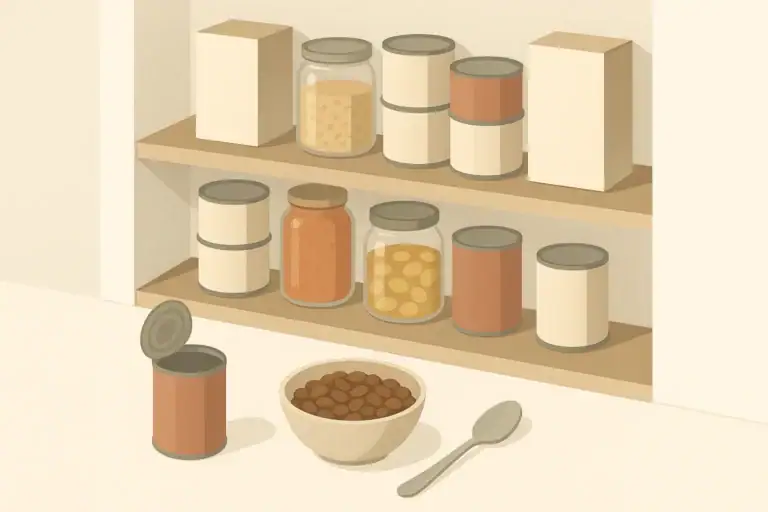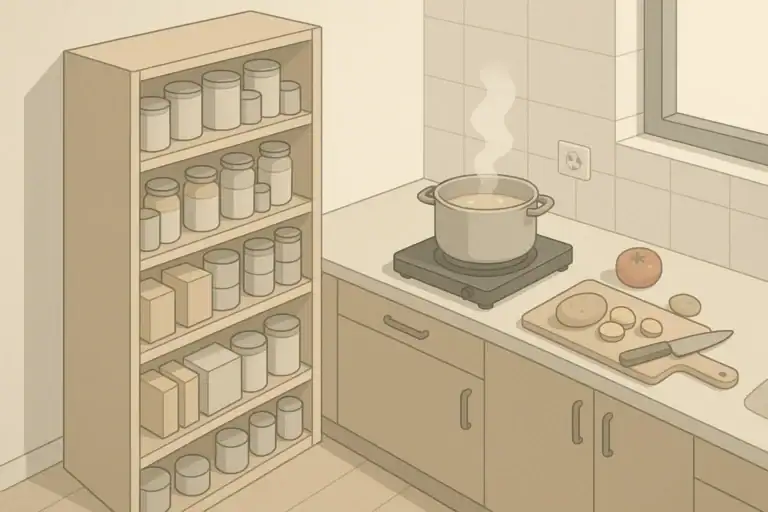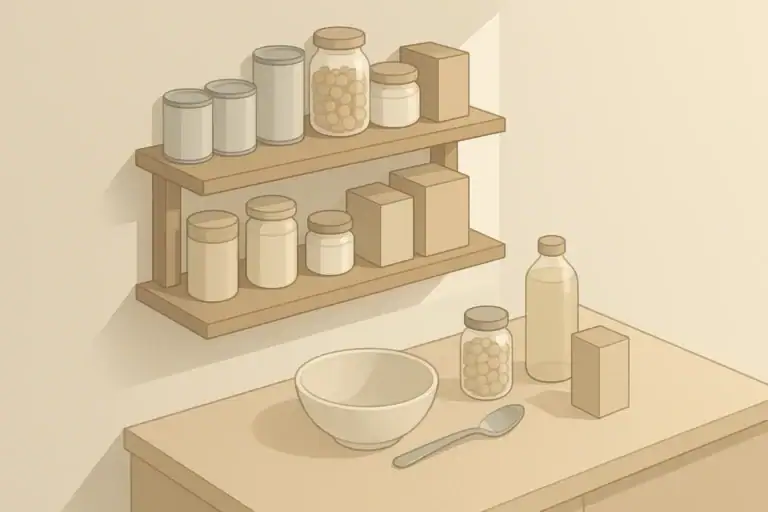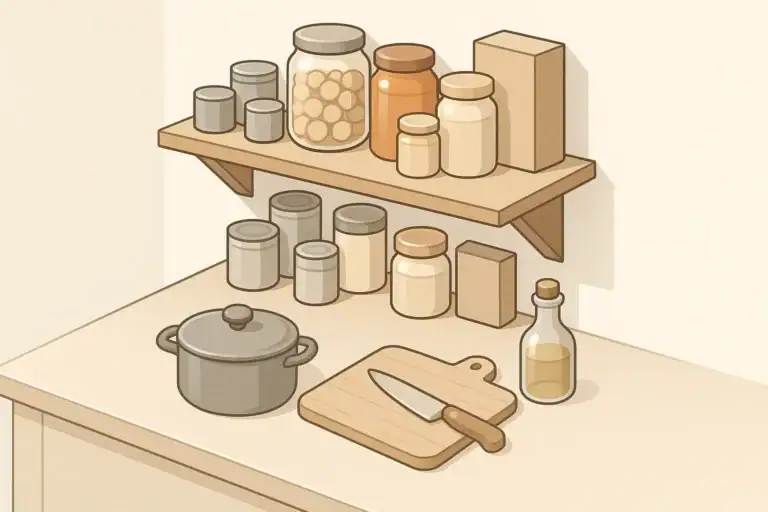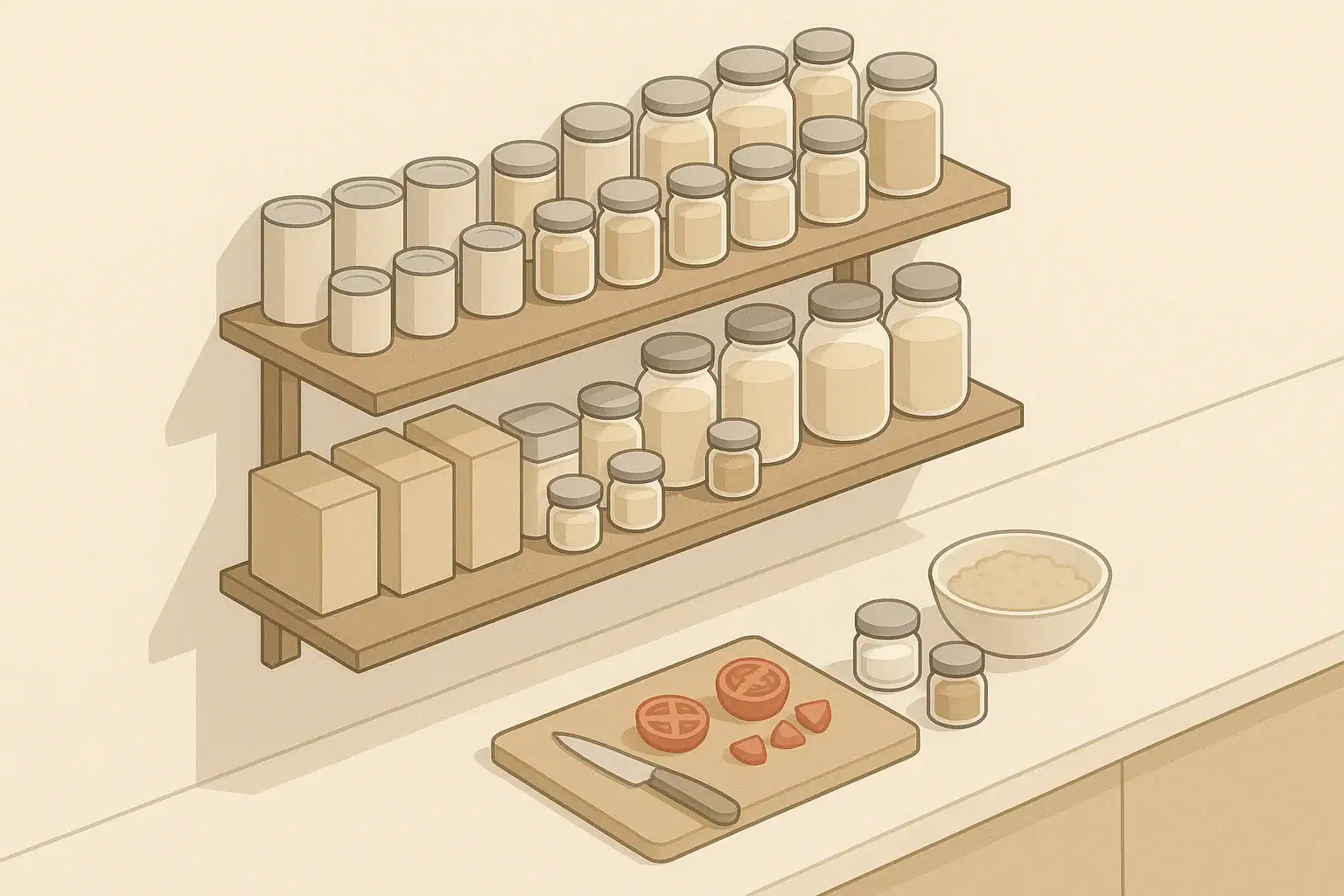
A pantry rotation system is a simple way to keep everyday foods fresh, reduce waste, and stay ready for short disruptions like storms, power outages, or supply delays. Instead of building a separate “emergency stash” that is easy to forget, you turn your regular pantry into a working backup that you use and refresh all the time.
For most households in the United States, this means:
- Storing a modest cushion of shelf-stable food you already eat
- Labeling and organizing so older items are used first
- Checking your pantry regularly, just like you would check smoke alarms or batteries
This approach fits apartments and houses, renters and owners, and families of different sizes. You do not need a basement full of food. A few well-organized shelves or cabinets can support several days to a couple of weeks of simple meals, which covers most short-term emergencies.
Why a Pantry Rotation System Matters for Everyday Readiness
A pantry rotation system is a simple way to keep everyday foods fresh, reduce waste, and stay ready for short disruptions like storms, power outages, or supply delays. Instead of building a separate “emergency stash” that is easy to forget, you turn your regular pantry into a working backup that you use and refresh all the time.
For most households in the United States, this means:
- Storing a modest cushion of shelf-stable food you already eat
- Labeling and organizing so older items are used first
- Checking your pantry regularly, just like you would check smoke alarms or batteries
This approach fits apartments and houses, renters and owners, and families of different sizes. You do not need a basement full of food. A few well-organized shelves or cabinets can support several days to a couple of weeks of simple meals, which covers most short-term emergencies.
Basics of FIFO: First In, First Out for Pantry Food
FIFO stands for “First In, First Out.” It is a common method used in grocery stores and restaurants to make sure older stock is used before newer stock. Applied at home, FIFO helps you eat foods while they are at their best quality and keeps your backup supplies naturally refreshed.
How FIFO Works in a Home Pantry
The idea is straightforward:
- When you bring new groceries home, you place them behind or underneath older items of the same type.
- When you cook, you pull from the front or top, where the older items are.
- As you use items, space opens in front for older items to move forward.
This can be as simple as keeping cans of beans lined up front to back, or as involved as using dedicated bins and labeled shelves. The key is consistency: the same types of foods stay together, and you always reach for the older item first.
| Task | Why it matters | Notes |
|---|---|---|
| Group similar foods together | Makes FIFO easier and faster | Keep cans with cans, grains with grains |
| Place new items behind older ones | Prevents newer food from hiding older food | Slide older cans to the front first |
| Face labels forward | Lets you see items and dates at a glance | Helps avoid buying duplicates |
| Use oldest dated item first | Reduces the chance of quality loss | Check dates while meal planning |
| Keep a small “overflow” bin | Prevents clutter on main shelves | Use for extra sale items |
| Do quick visual checks weekly | Catches issues before they build up | Look for damage, pests, or leaks |
Labeling and Dating Your Pantry Items
Most packaged foods already have a printed date such as “best by” or “use by.” However, these markings can be small, hard to read, or hidden on the bottom or crimped edge of a package. Adding your own simple labels makes it much easier to rotate food quickly.
Simple Labeling Methods
You can keep labeling very basic. Common options include:
- Marker on the top or front: Write the month and year in large, clear numbers on the top of cans or the front of boxes.
- Colored dots or stickers: Use a basic color code, such as one color per year, to spot older items quickly.
- Painter’s tape or masking tape: For reusable containers or repackaged foods, write the contents and date on a piece of tape.
Place labels where you can see them without picking up the item. For cans, the top or front works well. For bags and boxes, the upper front corner is usually visible when items are on a shelf.
Which Date to Use
Different dates serve different purposes. For home rotation:
- Purchase date: Useful when the factory date is faint or missing. You know how long it has been at home.
- Best-by date: Helps you prioritize which items to use in everyday cooking.
- Open date: Important for items that change quickly once opened, such as sauces or snacks.
A simple approach is to write the month and year of the best-by date in large print, and, if helpful, add a smaller note like “opened 3/26” on refrigerated or frequently used items.
Labeling for Homemade or Repackaged Foods
If you repackage dry goods into airtight containers to save space or protect from pests, make labels for both contents and date. Helpful details include:
- Name of food (for example, oats, rice, flour)
- Month and year you filled the container
- Any special use notes (for example, “for baking only” or “no-cook oatmeal”)
Clear containers can make it easier to see how much food remains, but you still need labels so you know what is inside and when it was stored.
Planning Monthly Pantry Checks
Monthly checks keep your pantry rotation on track without taking much time. Instead of a deep clean once a year, you do a short, regular review that fits into your normal routine.
Setting a Monthly Pantry Routine
Choose a recurring time that is easy to remember, such as:
- The first weekend of every month
- The same day you pay major bills
- The weekend you change your air filter or test smoke alarms
Mark it on a calendar or phone reminder so it becomes a normal household habit rather than something you only do before a storm or major event.
What to Check Each Month
A practical monthly check can be done in 10–20 minutes, depending on the size of your pantry. Work shelf by shelf and look for:
- Dates: Move items with earlier best-by dates to the easiest-to-reach spots. Plan to use them in upcoming meals.
- Duplicates: If you have many of the same item, note it so you avoid buying more until you use some.
- Damage: Look for bulging cans, compromised seals, torn packaging, or signs of moisture.
- Pest activity: Check for droppings, chewed corners, or webbing in dry foods.
- Spills and leaks: Wipe up sticky spots to avoid attracting insects.
When you identify items that have been there a while but are still of acceptable quality, write them into your meal plan for the next week. This is how your “emergency” food gets used and refreshed during normal life.
Adjusting for Seasonal Risks
Different regions and seasons bring different short-term risks. Monthly checks are a good time to think ahead a few weeks:
- Winter storms: In colder climates, confirm you have simple, no-cook or low-cook foods in case of power interruptions.
- Hurricanes and tropical storms: In coastal areas, increase ready-to-eat options as storm season approaches.
- Heatwaves: Focus on foods that do not require a hot oven, such as shelf-stable salads and cold meals.
- Wildfire smoke: In affected regions, plan simple indoor meals that do not require extended ventilation.
For renters, especially in apartments, monthly checks also help you stay aware of how much space you have and whether you need to adjust storage to keep pathways and exits clear.
Designing a FIFO-Friendly Pantry Layout
A pantry rotation system is easier to maintain when your shelves support FIFO naturally. You do not need custom shelving; you can usually adapt what you have by grouping foods and assigning clear zones.
Group Foods by Type and Use
Start by grouping similar items together. This makes both shopping and cooking simpler, and it helps you see at a glance which categories are running low or building up.
Common groups include:
- Canned proteins: Beans, fish, poultry, and other protein sources
- Canned vegetables and fruits: Side dishes and add-ins for meals
- Grains and starches: Rice, pasta, oats, instant potatoes, tortillas
- Ready-to-eat meals: Soups, chili, shelf-stable entrées
- Breakfast items: Cereal, oats, pancake mix, shelf-stable milk alternatives
- Snacks: Crackers, nuts, dried fruit, shelf-stable spreads
Within each group, arrange items so that older ones are in front or on top. Use bins or shallow boxes if your shelves are deep; this lets you pull out a whole group, place new items in the back, and slide the bin back in.
Consider Space for Apartments and Small Homes
Small spaces can still support effective pantry rotation. Some options include:
- Vertical shelving: Tall but narrow shelves in closets or corners
- Under-bed containers: For sealed, dry items like extra grains or snacks
- Over-door racks: For light items such as spices, small cans, and packets
- Shared closets: Combining cleaning supplies and a small food zone, as long as chemicals stay separate from food
In rentals, make sure stored food does not block exits or ventilation. Keep heavier items on lower shelves to reduce the risk of falling during bumps or minor shaking.
Accessibility for Families, Kids, and Seniors
When several people use the pantry, layout affects how well FIFO is followed. Consider:
- Kid zones: Place everyday snacks and breakfast items for children on a low, clearly defined shelf. Rotate these items like any others.
- Senior-friendly access: Keep heavier or frequently used items between knee and shoulder height to reduce the need to bend or reach.
- Pet supplies: Group pet food and treats together and date them, especially if you keep a small backup for disruptions.
Clear zones help each household member find items easily and reduce the chance that older foods get pushed into the back and forgotten.
Integrating Pantry Rotation With Emergency Readiness
A thoughtful pantry rotation system also supports broader household readiness for short-term emergencies. By storing foods you already eat and rotating them regularly, you create a comfortable safety margin without large, separate stockpiles.
Choosing Everyday Foods That Work in Outages
When selecting pantry items, include options that are easy to use if you temporarily lose power or water service. Examples include:
- Ready-to-eat canned foods that can be eaten cold if needed
- Nut butters and shelf-stable spreads for quick calories
- Dry foods that need minimal water, like instant oats or certain soups
- Shelf-stable drinks that do not require refrigeration before opening
- No-cook meal components such as canned beans, vegetables, and tortillas
These foods serve double duty: they work in everyday meals and also support simple, low-effort eating during an event like a winter storm or severe heatwave where cooking options are limited.
Aligning Food Rotation With Water and Cooking Plans
Food plans should match your water and cooking capabilities during an outage or disruption. When you build your pantry rotation, consider:
- How much water you usually store for drinking and basic hygiene
- Whether you have a safe alternative cooking method, such as an outdoor grill or small camping-style stove used with proper ventilation
- Local risks, such as frequent winter storms that might interrupt power for a day or two
For example, if you live in an apartment where outdoor cooking is limited, it makes sense to favor foods that are safe to eat as-is or that require only cool water for preparation.
| Food type | Storage tip | Rotation interval idea | No-cook use |
|---|---|---|---|
| Canned beans | Store upright in a cool, dry cabinet | Plan to use within a couple of years | Rinse and mix with oil and spices |
| Canned vegetables | Keep together on one shelf for easy viewing | Use oldest cans in soups or sides first | Drain and add to salads or wraps |
| Canned meats or fish | Rotate into weekly lunches or dinners | Use regularly so stock stays fresh | Combine with crackers or bread |
| Rice and dry grains | Store in sealed containers to deter pests | Cycle through containers every several months | Use pre-cooked packets if available |
| Nut butters | Keep upright and tightly closed | Use in snacks weekly to refresh supply | Spread on crackers, fruit, or bread |
| Shelf-stable milk alternatives | Store in original cartons on a cool shelf | Plan to use within many months of purchase | Drink as-is or add to cereal |
| Crackers and dry snacks | Seal bags inside containers once opened | Rotate into regular snacking each month | Pair with canned items or spreads |
Example values for illustration.
Keeping the System Simple and Sustainable
A pantry rotation system works best when it fits smoothly into daily life. You do not need complex tracking tools; most households can manage with clear labels, consistent shelf habits, and a short monthly walkthrough.
To keep things sustainable over the long term:
- Start small with one or two shelves and expand as the routine feels comfortable.
- Choose foods your household already eats so rotation happens naturally.
- Involve family members in basic rules, such as placing new groceries behind older ones.
- Review your setup once or twice a year to adjust for changes in diet, household size, or local risks.
Over time, your pantry becomes more than a storage space. It turns into a flexible, well-maintained resource that supports everyday meals and helps your home stay ready for minor disruptions without stress or excess.
Frequently asked questions
How often should I perform pantry rotation checks to keep a pantry rotation system effective?
Monthly checks are a practical baseline for most households and typically take 10–20 minutes to review dates, damage, and duplicates. Supplement monthly checks with quick weekly visual scans for spills or pest signs, and practice daily FIFO habits by always placing new purchases behind older items.
Which date is best to write on my pantry labels: purchase date, best-by, or open date?
For prioritizing use, the printed best-by date is most helpful; write the month and year in large print so it’s easy to see. Use the purchase date when factory dates are unclear, and add an open date for items that deteriorate quickly after being opened.
What is the best way to store repackaged dry goods to prevent pests and support rotation?
Transfer dry goods into food-grade, airtight containers and store them in a cool, dry place to deter pests and moisture. Clearly label each container with contents and the date it was filled, and include those containers in your regular FIFO rotation and monthly checks.
How can I adapt a pantry rotation system if I live in a small apartment with limited space?
Use vertical shelving, over-door racks, and under-bed containers to create dedicated food zones without blocking exits or ventilation. Keep heavier items low, group similar foods together, and use bins or shallow boxes so you can slide items forward and naturally place new buys in the back.
How should I handle bulk purchases or sale items so they don’t disrupt my FIFO routine?
Store excess purchases in a labeled overflow bin or a clearly marked back shelf and always place the newer bulk items behind the older stock. Track large quantities with a note on your shopping list or calendar and plan meals to rotate those items into regular use so your backup remains fresh.
Recommended next:
- Simple checklists and realistic planning
- Water, power, lighting, and pantry basics
- Family plans (kids, pets, seniors) and seasonal prep