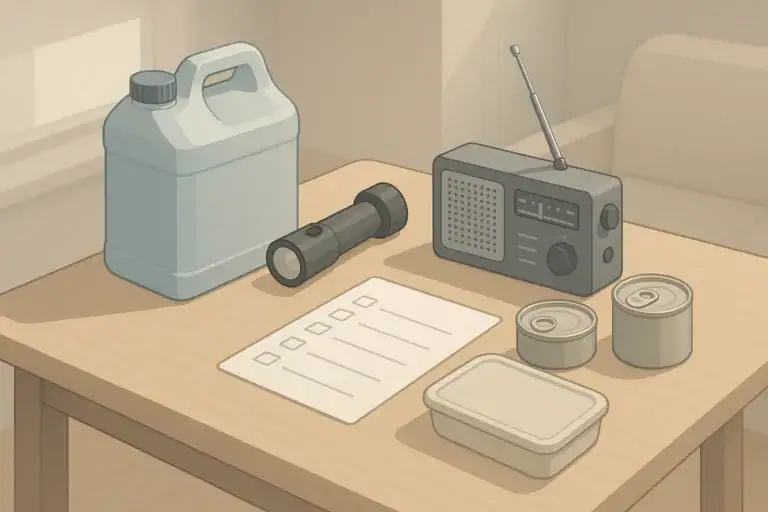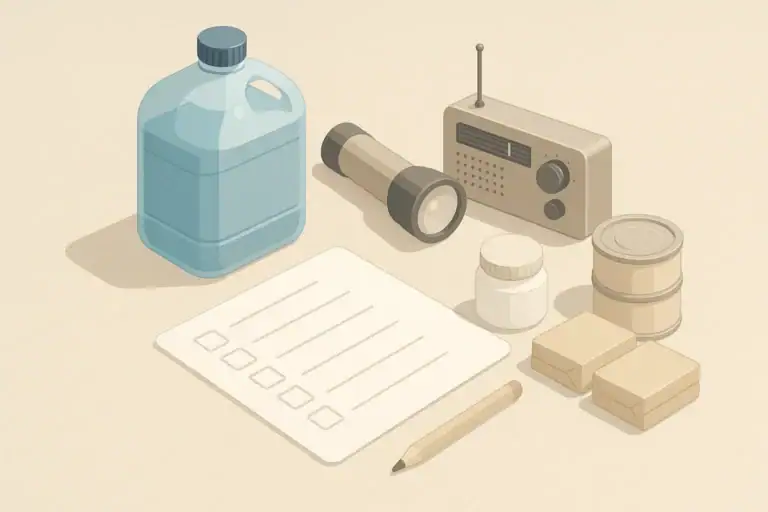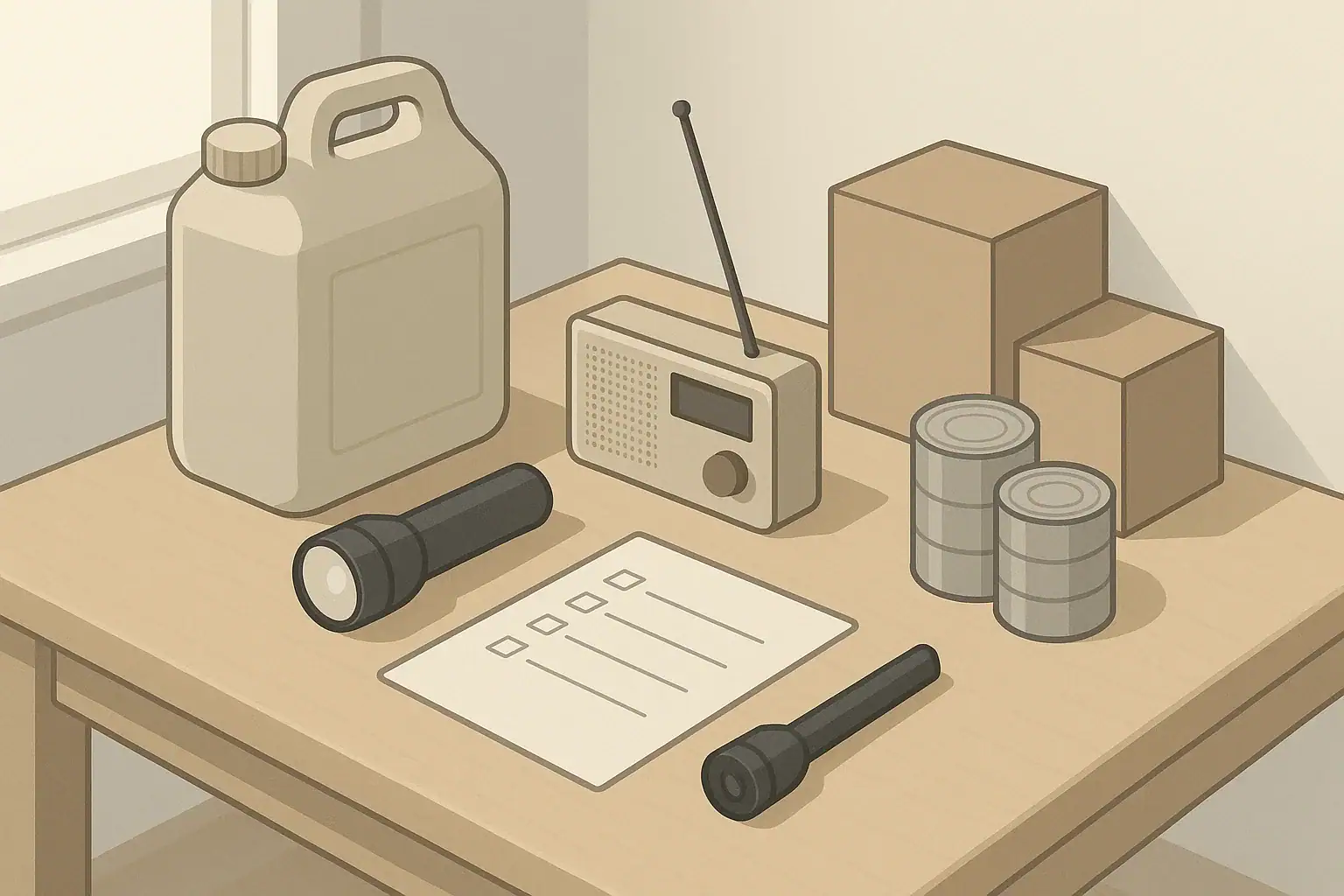
- Short power outages from storms or grid problems
- Water service disruptions or short boil-water advisories
- Weather events that make it hard to leave home for a few days
- Communication interruptions that make it harder to coordinate with family
Why Monthly Readiness Maintenance Matters
Home readiness is most effective when it is simple, predictable, and low-stress. Instead of trying to prepare for every possible disaster, a monthly maintenance routine focuses on a few practical tasks that keep everyday supplies usable and easy to find. A monthly check-in is helpful for many common situations:- Short power outages from storms or grid problems
- Water service disruptions or short boil-water advisories
- Weather events that make it hard to leave home for a few days
- Communication interruptions that make it harder to coordinate with family
Setting Up a Simple Monthly Routine
Before focusing on individual items, it helps to create a predictable structure for your monthly readiness maintenance. This reduces the chance of forgetting important steps and makes the process feel more manageable.Pick a Consistent Monthly Reminder
Choose one recurring cue that is easy to remember, such as:- The first weekend of each month
- The day you pay rent or your mortgage
- The same day you check smoke or carbon monoxide alarms
Group Tasks by Location
To keep the process efficient, group checks by area instead of by item type. For example:- Entry area or closet: Go-bags, flashlights, shoes, pet leash.
- Kitchen: Water storage, pantry items, manual can opener, sanitation supplies.
- Living room or bedroom: Battery-powered lights, small power bank, radio.
- Bathroom: Hygiene supplies, extra toilet paper, trash bags.
Keep a One-Page Monthly Checklist
A basic checklist helps you avoid missing steps and makes it easier for other household members to help. Include only the items you actually own and store in your home, such as:- Check and rotate drinking water containers.
- Rotate pantry foods that are approaching their dates.
- Test flashlights and lanterns; replace or recharge batteries as needed.
- Confirm backup battery packs are charged.
- Glance over safety items like fire extinguisher gauges and alarm indicators.
- Confirm contact list and meeting point information is still current.
| Task | Why it matters | Notes |
|---|---|---|
| Check flashlights and lanterns | Ensures safe lighting during sudden outages | Confirm they turn on and are easy to find |
| Top up and rotate drinking water | Reduces chance of stale-tasting or forgotten water | Use older water for cleaning or plants when rotating |
| Rotate pantry items | Helps avoid waste and keeps food familiar | Move older items to front for regular meals |
| Recharge power banks and small batteries | Keeps phones and small devices usable in an outage | Unplug when full to avoid constant trickle charging |
| Review contact list and meeting spots | Supports smoother family coordination | Check phone numbers and main meeting place |
| Quick scan of hygiene and cleaning supplies | Helps manage short periods without running water | Note low items like soap, wipes, or trash bags |
| Check pet food and pet water plan | Ensures animals are included in readiness | Rotate pet food into regular feeding as needed |
Battery Checks and Safe Storage
Portable power is central to modern home readiness. A monthly battery routine focuses on safety and reliability, not collecting equipment. All homes, including small apartments and dorm-style settings, can benefit from a few working lights and charged devices.Monthly Battery Testing Routine
Once a month, walk through your home and test:- Flashlights and headlamps: Turn each one on for 10–20 seconds. If the light is dim or flickers, replace or recharge batteries.
- Lanterns or small plug-in lights: Confirm they power on and switches still move smoothly.
- Radios and alert devices: Turn on briefly to confirm they receive power and make sound.
- Power banks: Press their indicator button (if present) or plug in a device to confirm they hold a charge.
Safe Battery Storage Basics
Battery safety is important in any home, especially with children or pets. General practices include:- Store batteries in a dry, room-temperature area away from heat sources.
- Keep loose batteries in simple containers where terminals are not touching metal objects.
- Avoid mixing new and old batteries in the same device, which can reduce performance.
- Keep coin-cell batteries and other small items out of reach of young children and curious pets.
Managing Rechargeable Items
Many homes use rechargeable flashlights, radios, and power banks. Monthly maintenance can be as simple as:- Plugging in devices for a short top-up once a month.
- Avoiding storing devices fully drained for long periods.
- Using a power strip to charge several items at once during your monthly check, then unplugging when finished.
Rotating Water Storage
Having some water stored at home is helpful for short disruptions, boil-water advisories, or times when pipes freeze. Monthly maintenance focuses on keeping stored water fresh and containers clean, without requiring large storage areas.Right-Sized Water Plans for Different Homes
Each living situation has different limits on space and lifting capacity. Consider:- Apartments and small spaces: Emphasize smaller containers you can move to the sink and carry comfortably, such as several mid-sized bottles or jugs.
- Families with children: Store some water in containers that older children can help carry if needed.
- Older adults or people with limited mobility: Favor lighter containers and consider storing some water in the main living area rather than in high or low storage spaces.
- Pet owners: Remember water for pets, especially larger animals that drink more.
Monthly Water Check Routine
Once a month, do a brief water review:- Count how many containers you currently have filled.
- Glance at containers for any damage, discoloration, or leaks.
- Note when you last filled them, if you track dates.
- Confirm you still have basic water treatment options such as filters, tablets, or a way to boil water if needed.
Simple Rotation Habits
To keep water management low-effort, consider habits such as:- Each month, empty and refill a portion of your containers instead of all at once.
- Write the month and year on a piece of tape on each container for easy reference.
- Store a portion of water in the kitchen where you naturally see it, which helps you remember it exists.
- Keep a small separate container specifically for pets and label it for clarity in shared households.
Pantry Rotation and No-Cook Options
A small, practical pantry is helpful when grocery trips are delayed or when cooking is difficult during a power outage. Monthly maintenance focuses on moving older items into regular use and checking that you have some foods that require little or no cooking.Monthly Pantry Walk-Through
Once a month, stand in front of your pantry or food shelves and:- Look for items approaching their dates and move them to the front for use in upcoming meals.
- Check that you still have a reasonable mix of proteins, carbohydrates, and snacks your household actually eats.
- Confirm you have a manual way to open containers you rely on.
- Note any gaps that appeared because of regular use, such as missing canned goods, nut butters, or shelf-stable milk substitutes.
Including No-Cook and Low-Cook Foods
During power outages or heatwaves, cooking may be difficult or uncomfortable. Consider including some items that can be eaten cold or with hot water alone, such as:- Canned beans, vegetables, or fish that are ready to eat.
- Nut butters, spreads, and shelf-stable snacks.
- Instant grains or noodles that only need hot water, if you have a way to heat water safely.
- Simple comfort foods for children, such as crackers or unsweetened applesauce cups.
Space-Saving Ideas for Small Homes
In apartments or small homes, space is often the main limitation. Some approaches include:- Using under-bed storage bins for lightweight pantry items.
- Placing a small shelf or crate inside a closet for backup foods.
- Choosing compact multi-use items (for example, grains that can be used in several recipes).
- Sharing a basic plan with roommates so items are not discarded by accident.
Quick Lighting and Power Readiness Checks
Lighting and small-scale power are central to staying comfortable and oriented during short disruptions. A few steady lights and a way to keep a phone charged can make it easier to navigate your home safely and stay in touch with others.Lighting Placement Review
Once a month, confirm that portable lights are still in locations that make sense. For example:- One flashlight near each main sleeping area.
- A lantern or larger light source in the main living room.
- A compact light at or near your entryway or go-bag.
- Lights stored where they will not roll behind furniture or be blocked by clutter.
Small Power Source Check
If you rely on a small battery pack or other backup power source for phones and small devices, add it to your monthly routine:- Confirm it is at a comfortable charge level.
- Check that charging cables for your current devices are stored with it.
- If you use any plug-in emergency lights, make sure they are still plugged into working outlets.
Noise and Heat Considerations
If you use small fans, heaters, or other plug-in devices during outages, do a quick monthly visual inspection:- Check cords for visible damage or fraying.
- Confirm they are stored away from flammable items.
- Review basic safe-use instructions for any device that generates heat.
| Food type | Storage tip | Rotation interval idea | No-cook or low-cook use |
|---|---|---|---|
| Canned beans or lentils | Store together with a manual can opener nearby | Plan to use and replace every few months | Rinse and eat cold with simple seasonings |
| Canned vegetables and fruit | Keep at eye level so they are used regularly | Add to weekly meals and restock monthly | Eat directly from can or with crackers |
| Nut butters and spreads | Store in a cool cabinet away from heat sources | Incorporate into snacks every month | Spread on bread, crackers, or fruit slices |
| Instant oats or grain packets | Place in a small bin with other quick breakfasts | Use on busy mornings and restock as needed | Prepare with hot water from stove or kettle |
| Shelf-stable milk or alternatives | Rotate into regular use before listed dates | Check monthly and use oldest first | Drink plain or add to cereal and oats |
| Ready-to-eat snack bars | Store in small labeled box, away from heat | Use as grab-and-go snacks and replace monthly | Eat directly as quick energy source |
| Crackers and plain cereal | Seal bags tightly after opening to reduce staling | Incorporate into weekly snacks and replace | Combine with spreads, canned items, or milk |
Quick Communication and Safety Checks
Communication and basic safety checks help your household respond calmly when plans change suddenly. A few minutes each month can keep information current and safety items visible.Contact and Meeting Plan Review
Once a month, briefly review your plan for reaching each other if phones are slow or unavailable:- Confirm important phone numbers are saved in more than one place, such as phones and a paper card.
- Review the main place you would try to meet if you cannot reach each other easily.
- For children, repeat simple, age-appropriate instructions about staying put or going to a known safe adult.
- For older adults, check that any essential information they rely on is still easy to see and read.
Small Home Safety Scan
Integrate your readiness maintenance with a quick safety scan:- Glance at smoke and carbon monoxide alarms to ensure indicator lights are on as expected.
- Check that fire extinguishers, if you have them, are visible and not blocked by items.
- Look for obvious trip hazards in common paths you may walk in low light, such as loose cords or clutter.
- In homes with pets, make sure emergency supplies like leashes, carriers, and pet medications are accessible.
Sharing the Routine
Whenever possible, share monthly maintenance tasks with other household members:- Assign children age-appropriate tasks, such as checking that small flashlights turn on or gathering empty water bottles for refilling.
- Ask roommates to help track pantry use so backup items are not used without being replaced.
- Invite older family members to review contact information and location of essential items.
Frequently asked questions
How do I pick a consistent monthly reminder for my monthly readiness maintenance?
Choose a recurring cue that already fits your monthly habits, such as the first weekend, a bill date, or the day you test alarms. Set a calendar alert and keep your one-page checklist where you will see it so the reminder triggers the full routine rather than just a single task.How often should I rotate stored drinking water and what is an easy rotation method?
Rotate smaller containers monthly by using the oldest water for non-drinking tasks like watering plants or cleaning, then refill them. Put a month/year label on each container to track age and avoid large, infrequent rotations that are harder to manage in small spaces.What’s the simplest way to test rechargeable power banks during the monthly check?
Press the power-bank indicator or plug a phone or small device into the pack to confirm it supplies power, and then top it up to a comfortable charge level if needed. Store the bank with current charging cables and unplug once charged to avoid continuous trickle charging.How should I store loose batteries and coin cells safely in a small home?
Keep batteries in a dry, room-temperature container where terminals cannot touch metal; use small plastic boxes or original packaging. Store coin cells and small batteries out of reach of children and pets and dispose of damaged or leaking batteries promptly at an appropriate drop-off.What key items should be on a one-page monthly checklist for an apartment?
Include testing lights and radios, counting and inspecting water containers, checking power-bank charge and charging cables, rotating pantry items near their dates, and verifying contact and meeting information. Keep the checklist with a pen in a single known spot so any household member can run the routine quickly.Recommended next:
- Start Here: A Calm Home Emergency Readiness Plan
- Emergency Plan Checklist: A Simple One-Page List for Home Readiness
- Emergency Readiness Calculators: Water, Power, and Pantry Planning
- 72-Hour Kit: What to Pack, Where to Store It, and How to Maintain It
- 72-Hour Kit vs 7-Day Plan vs 14-Day Plan: What to Add at Each Step
- Apartment vs House Readiness: The Key Differences in Your Plan
- More in Start Here →
About
ReadyHomePlan
ReadyHomePlan publishes practical home readiness guides for outages and short-term emergencies—power, water, food basics, communication, and family planning—without hype.
- Simple checklists and realistic planning
- Water, power, lighting, and pantry basics
- Family plans (kids, pets, seniors) and seasonal prep
How to Practice Your Plan: Simple Drills You Can Do in 15 Minutes
How to Create a Two-Week Home Readiness Plan Without Overbuying
Emergency Preparedness for Small Spaces: Storage Ideas That Work
Readiness for Renters: No-Drill, Low-Cost Upgrades That Matter
Shelter-in-Place vs Evacuation: How to Decide Quickly
Emergency Documents: What to Copy, Print, and Store Safely
Keep reading