What Is a “Ready Shelf” and Why It Helps
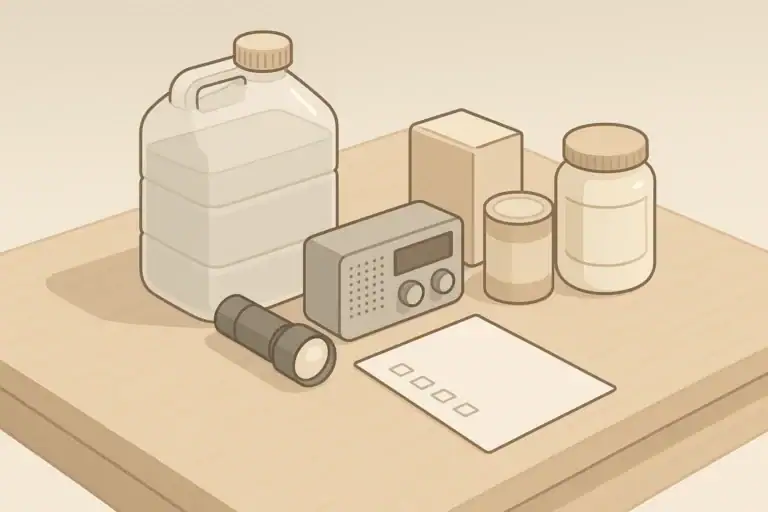
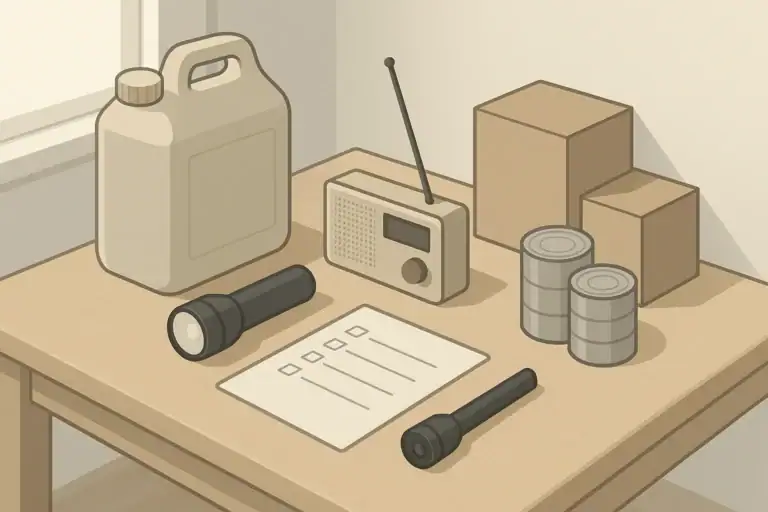
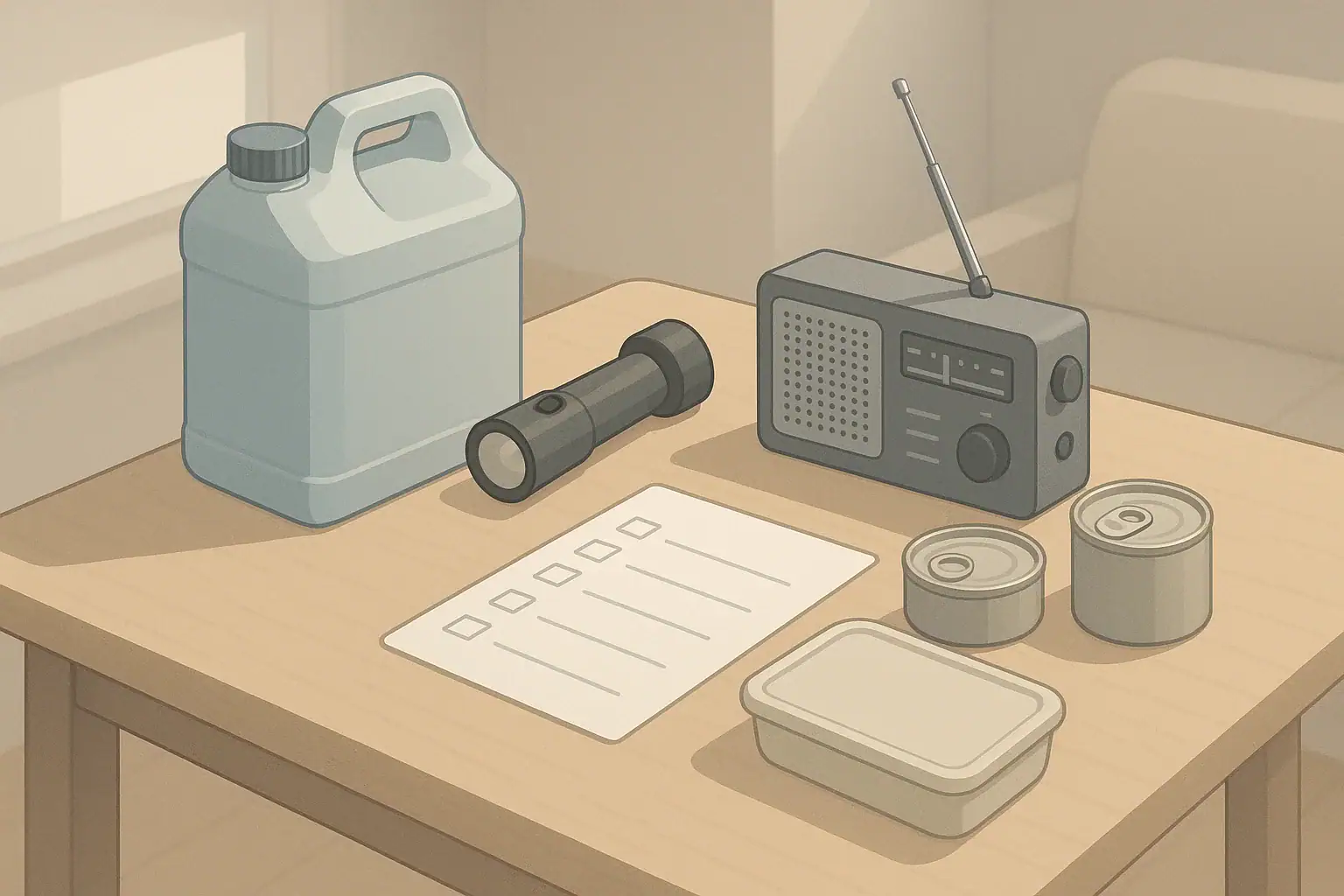
A “Ready Shelf” is a single, easy-to-reach spot in your home where you keep the basics you would want during a short-term disruption. Instead of scattering items around your home, you group them so you can find them quickly during a power outage, water disruption, or bad weather. This is not about stockpiling or preparing for unlikely scenarios. It is about simple, practical readiness for events that many households experience at some point:- Short power outages from storms or maintenance
- Boil-water advisories or brief water shutoffs
- Staying inside during heavy smoke, heatwaves, or winter storms
- Helping a family member manage without elevators during an outage
Choosing the Best Spot for Your Ready Shelf
Your Ready Shelf does not have to be an actual shelf. It can be a cabinet, bin, or section of a closet. The important thing is that it is:- Consistent: Everyone in the household knows this is where essentials live.
- Accessible: You can reach it in low light and without moving heavy items.
- Dry and cool: Helps protect batteries, food, and supplies.
- Organized: Items are grouped and labeled so they are easy to grab.
- A shelf in a hallway closet near the main living area
- A section of the pantry at eye level
- A low shelf or bin in a coat closet, especially in small apartments
- A cabinet that is not over the stove or in direct sun
| Home situation | Better Ready Shelf spot | If that does not work, try |
|---|---|---|
| Small apartment, limited storage | Hallway or coat closet shelf | Under-bed bin with labeled lid |
| Family with young kids | Eye-level pantry or hallway shelf | Latching bin on a low shelf |
| House with garage and basement | Interior closet near main living area | Dry basement shelf away from floor |
| Senior or mobility concerns | Waist-height shelf by bedroom or chair | Small rolling cart near main seat |
| Shared home with roommates | Labeled shelf in shared closet | Clear bin under a hallway table |
| Pet-heavy household | Pantry shelf including pet basics | Covered bin in laundry or mudroom |
Core Categories: What Belongs on a Ready Shelf
Instead of starting with a long shopping list, start with categories. You can build each category slowly, using items you already own and adding over time. The main categories that fit most homes are:- Safe lighting and basic power
- Water and simple treatment options
- Pantry and no-cook foods
- Communication and information
- Hygiene and sanitation basics
- Comfort and special needs
Safe Lighting and Basic Power
When lights go out, you want a way to see without using open flames. Keep these together in one small bin or basket on your Ready Shelf:- One or two battery-powered lights (such as a small lantern or flashlight)
- Extra batteries in the right sizes, stored in their original packaging or a case
- A small, clearly labeled bag for used batteries so they do not mix with fresh ones
- An extension cord if you use a small power pack for charging devices
Water and Simple Treatment Options
Your Ready Shelf can hold part of your water plan, especially smaller containers that are easy to grab. Larger containers can live elsewhere, but you can store:- Several sealed bottles or small jugs of drinking water
- A clean, empty pitcher or collapsible container for filling during advisories
- Basic water treatment tablets or a simple home-safe filter, if you choose to use one
- Printed instructions for any treatment method you use, in a plastic sleeve
Pantry and No-Cook Foods
Your Ready Shelf should tie into your everyday pantry rather than be a separate stash of food you never touch. Aim for simple, shelf-stable items that you actually eat, with at least a few that require little or no cooking, such as:- Canned beans, vegetables, or meats with easy-to-open lids or a manual opener near them
- Nut butters, shelf-stable milks, or crackers
- Instant grains or noodles that cook with hot water from a stove or other heat source
- Snacks that do not melt or spoil easily
Communication and Information
Staying informed and in touch is often more important than having extra gear. On your Ready Shelf, store:- A battery-powered or hand-crank radio if you use one
- Written emergency contacts: family, friends, building management, local non-emergency numbers
- A simple communication plan: who you will text first, and an out-of-town contact if possible
- Charging cables you use most often, coiled and secured
Hygiene and Sanitation Basics
Short disruptions can make bathing, laundry, or flushing less convenient. Basic hygiene supplies can make these situations more manageable:- Hand sanitizer and unscented wipes
- Toilet paper and tissues in a dry bag
- Trash bags and twist ties
- Disposable gloves if you choose to use them for cleaning tasks
Comfort and Special Needs
Each household has unique needs. Consider:- Backup supplies related to mobility aids or medical devices, as directed by your provider
- Spare eyeglasses or contact lens supplies
- For kids: a small toy, coloring supplies, or a deck of cards
- For pets: a small bag of food, extra bowl, and spare leash
- Lightweight blankets or layers if you live in a colder climate
Adapting a Ready Shelf for Different Homes
The same basic idea can look very different in a studio apartment versus a large home. The key is to right-size your Ready Shelf for your space, not someone else’s.Small Apartments and Shared Spaces
For renters and roommates, clutter is often the main concern. Consider:- Using a single, clear bin labeled on the side, stored under a bed or on a shelf
- Prioritizing smaller, multi-use items (for example, one versatile light instead of several types)
- Keeping heavy water storage in a closet or along an interior wall, stacked low
- Choosing foods that fit your regular diet so they rotate naturally
Families with Kids
With kids in the home, accessibility and safety both matter. Helpful approaches include:- Storing fragile or potentially hazardous items (like matches) out of reach
- Letting older kids know which flashlight is “theirs” and where it lives
- Including a small comfort kit: a stuffed animal, coloring book, or quiet game
- Posting a simple written plan: who kids should look for and what adults will do first
Seniors and Mobility Considerations
For older adults or anyone with limited mobility, the Ready Shelf should minimize bending, reaching, and lifting.- Place heavier items like water jugs on lower, easy-to-reach shelves
- Keep the most-used items between knee and shoulder height
- Use large-print labels on bins or drawers
- Consider a small rolling cart that can be moved to the bedroom or main seating area
Pets and Service Animals
Pets are part of many households’ planning. On or near your Ready Shelf, keep:- At least a few days’ worth of pet food in a sealed container
- A spare leash, collar, or harness
- A collapsible or lightweight bowl
- Waste bags or litter supplies, depending on the animal
Seasonal and Regional Tweaks to Your Ready Shelf
The basics of a Ready Shelf stay the same all year, but you can adjust a few items depending on where you live and the season.Winter Storms and Cold Weather
If you live in an area that sees snow, ice, or freezing temperatures, consider adding:- Extra warm layers like hats, gloves, and socks
- Blankets that can be pulled out quickly
- Instant warm packs if you choose to use them, stored according to packaging directions
- Hot drink mixes that only require hot water
Hurricanes and Heavy Rain
In coastal or storm-prone regions, short-term flooding and wind can affect power and water. Your Ready Shelf can include:- Waterproof bags for important papers and small electronics
- A small towel or absorbent cloths for leaks
- Battery-powered lighting that can be hung or set high and dry
- Quick snacks that are easy to eat if cooking is not possible
Heatwaves
For hot climates or summer heatwaves, staying cooler and hydrated is the focus. Adjust your Ready Shelf to include:- Extra drinking water and electrolyte-style drink options if you use them
- Lightweight clothing or cooling cloths
- A small, battery-powered fan if that fits your plan
- Window coverings or clips to keep sun out of the hottest rooms
Wildfire Smoke and Air Quality Events
In areas that experience smoke or dust events, sheltering indoors with better air can be important. On or near your Ready Shelf, consider:- Materials to seal windows more tightly, such as painter’s tape and draft stoppers
- Replacement filters for any air purifiers you already use
- Simple eye and face coverings if they are part of your routine
- Activities that help pass time indoors, especially for kids
Keeping Your Ready Shelf Organized and Up to Date
A Ready Shelf only works if it stays organized and current. The goal is a low-maintenance system that fits easily into normal life.Rotation and Expiration Checks
Many items on a Ready Shelf have best-by dates: food, batteries, some water containers, and certain hygiene supplies. To manage this without constant checking, you can:- Pick two “Ready Shelf days” per year, such as when clocks change or seasons shift
- On those days, move older food to the front of your regular pantry and replace with newer items
- Check battery packaging and move older batteries into everyday use
- Scan any printed instructions or plans to see if phone numbers or contacts need updating
| Food type | Storage tip | Rotation interval idea | No-cook or low-cook use |
|---|---|---|---|
| Canned beans | Store label up so you can see variety | Use within about 1–2 years as an example | Rinse and eat cold with seasoning |
| Canned vegetables | Group by type for easy meal ideas | Rotate into weekly dinners a few times a year | Eat at room temperature or gently heat |
| Nuts and nut butters | Keep lids tightly closed after opening | Check every few months for freshness | Spread on crackers or bread |
| Instant grains or noodles | Store in sealed bags or containers | Use in regular meals every few months | Cook with hot water from stove or other source |
| Snack bars | Keep in box or small bin | Rotate into lunches a few times a year | Eat directly from package |
| Broths or soups | Store upright to reduce leaks | Use seasonally, for example each winter | Warm if possible or sip at room temperature |
Simple Habits to Make Your Ready Shelf Part of Everyday Life
A Ready Shelf is most useful when it becomes part of your normal routines instead of a separate “emergency project.” Some practical habits include:- One home for each item: Flashlights, spare batteries, and key documents always go back to the same spots on the shelf.
- Label shelves or bins: Even simple labels like “LIGHTS,” “WATER,” and “FOOD” can save time and reduce confusion in the dark.
- Use what you store: Cook from your shelf regularly and restock on your normal grocery trips.
- Share the plan: Make sure everyone in the household knows where the Ready Shelf is and what it is for.
- Review once or twice a year: Spend 15–30 minutes checking dates, testing lights, and updating contact lists.
Frequently asked questions
How much water should I keep on a Ready Shelf for short-term disruptions?
Keep several sealed bottles or small jugs on your Ready Shelf for quick access during brief outages; many public recommendations suggest one gallon per person per day for drinking and basic hygiene. The Ready Shelf is intended for short-term needs (for example 24–72 hours) and can be supplemented by larger containers stored elsewhere in the home. A simple note listing where larger water reserves live is helpful for quick retrieval.Which lighting and power items are most useful for a small home ready shelf essentials setup?
Store one or two battery-powered flashlights or a small lantern, extra batteries in the correct sizes, and a charging cable or small power pack if you use one. Keep used batteries separate from fresh ones and avoid storing open flames within children’s reach. These items are compact, rotate naturally into everyday use, and provide safe light when needed.What are easy ways to rotate food and supplies so items on the Ready Shelf stay usable?
Adopt two quick “Ready Shelf days” per year, such as when clocks change, to check dates: move older items into regular pantry use and replace them with fresh stock. Marking month and year on cans or boxes and keeping a short list of simple meals reduces decision fatigue and keeps items from expiring unnoticed. Do the same for batteries and update printed contact lists at the same time.Where is the best place to put a Ready Shelf in a small apartment or shared space?
Choose a dry, cool, and accessible spot everyone knows, such as a hallway closet shelf, an eye-level pantry section, or a labeled clear bin stored under a bed. Prioritize locations that are reachable in low light without moving heavy items, and make sure shared-household expectations are clear about which items are community versus personal. Visibility and consistency are more important than size.How can I include pet needs in my home ready shelf essentials without taking too much space?
Add a few days’ worth of pet food in a sealed bag, a spare leash or collar, a collapsible bowl, and a small supply of waste bags or litter items. Attach a short note describing the pet’s diet and routine so a neighbor or caregiver can look after them if needed. Store these items together or nearby so they are easy to grab during a disruption.Recommended next:
- Start Here: A Calm Home Emergency Readiness Plan
- Emergency Plan Checklist: A Simple One-Page List for Home Readiness
- Emergency Readiness Calculators: Water, Power, and Pantry Planning
- 72-Hour Kit: What to Pack, Where to Store It, and How to Maintain It
- 72-Hour Kit vs 7-Day Plan vs 14-Day Plan: What to Add at Each Step
- Apartment vs House Readiness: The Key Differences in Your Plan
- More in Start Here →
About
ReadyHomePlan
ReadyHomePlan publishes practical home readiness guides for outages and short-term emergencies—power, water, food basics, communication, and family planning—without hype.
- Simple checklists and realistic planning
- Water, power, lighting, and pantry basics
- Family plans (kids, pets, seniors) and seasonal prep
How to Practice Your Plan: Simple Drills You Can Do in 15 Minutes
How to Create a Two-Week Home Readiness Plan Without Overbuying
Emergency Preparedness for Small Spaces: Storage Ideas That Work

Readiness for Renters: No-Drill, Low-Cost Upgrades That Matter

Shelter-in-Place vs Evacuation: How to Decide Quickly
Emergency Documents: What to Copy, Print, and Store Safely
Keep reading