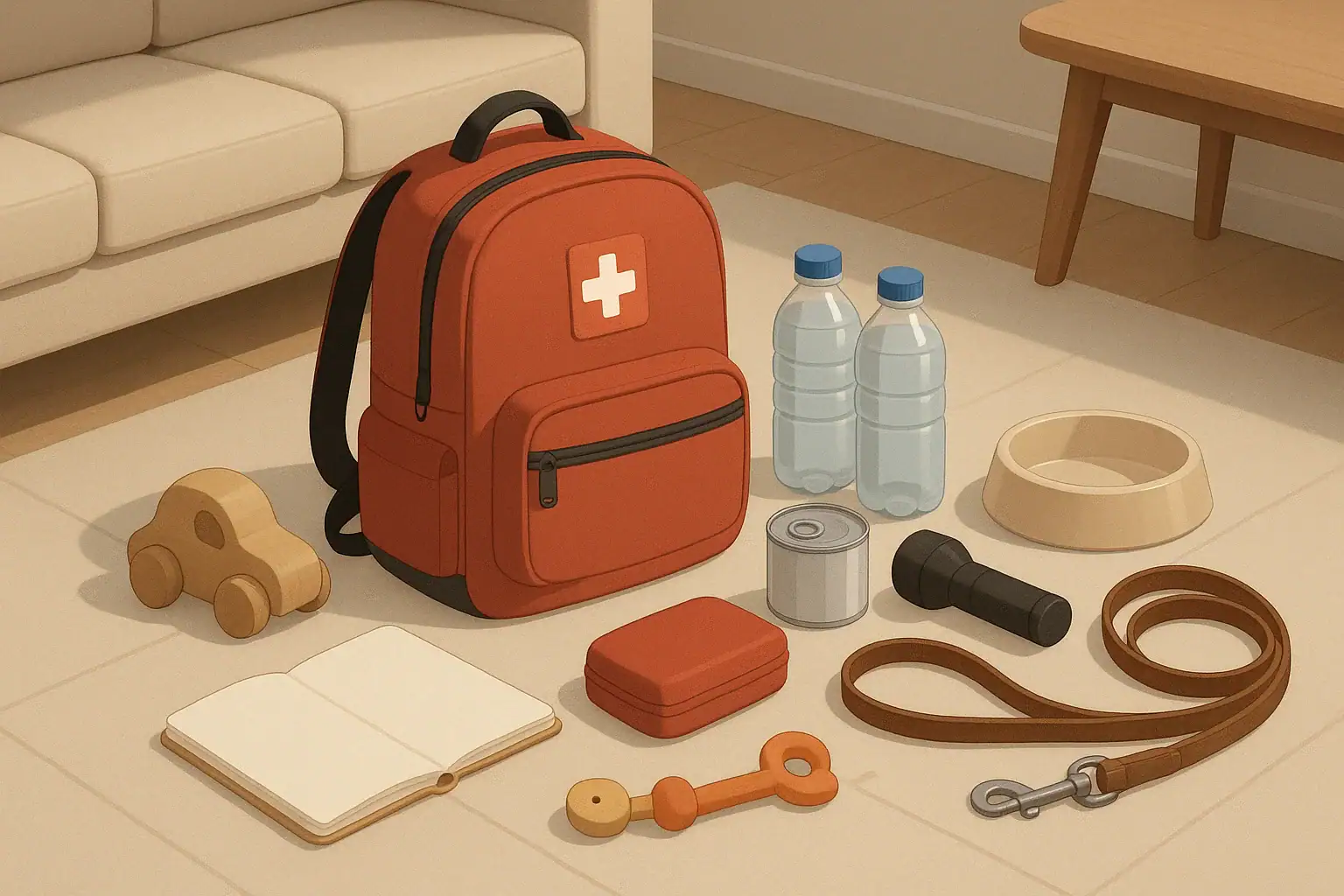
Why House Guest Emergency Instructions Matter
Inviting someone to stay in your home means you are also responsible for their basic safety. Clear emergency instructions help guests feel more comfortable and prepared, especially if something unexpected happens while they are alone in your home.
House guest emergency instructions do not need to be complicated. A single printed sheet or small binder in a visible spot can cover everyday needs like Wi-Fi, exits, and contacts, along with simple guidance for short-term power or water disruptions.
These instructions are especially helpful for:
- Friends or relatives visiting from out of town
- Guests watching your home while you are away
- Families traveling with kids or older adults
- Guests unfamiliar with local weather or regional risks
The goal is preparedness without panic: calm, practical information that helps your guests handle small emergencies confidently.
What to Include in a House Guest Emergency Sheet
A simple, one- or two-page emergency sheet is usually enough. Keep the tone friendly and straightforward. Organize it into a few clear sections that guests can skim quickly.
Key Sections at a Glance
Consider including these main sections on your guest instructions:
- Wi-Fi and basic house info – network details, where things are, quiet hours if relevant
- Exits and safety equipment – doors, stairwells, fire escape, smoke alarms
- Emergency contacts – how to reach you, local emergency number, nearby friend or neighbor
- Power outage basics – safe lighting, what to unplug, where flashlights are
- Water disruption basics – where shutoffs are, backup water, simple hygiene tips
- Essential supplies – where to find first-aid, food, blankets, and pet items
Keep the layout simple: clear headings, short bullet points, and no clutter. A guest should be able to find what they need in a few seconds.
Example values for illustration.
| Task | Why it matters | Notes |
|---|---|---|
| Print a one-page guest emergency sheet | Gives guests quick answers without calling you | Keep a spare copy in a drawer |
| Mark exits and stairwells on a simple sketch | Helps guests find the fastest way out at night | Highlight any doors that stick or lock oddly |
| Label the location of flashlights and extra batteries | Reduces stress during a sudden power outage | Store them in the same place year-round |
| List your cell number and one backup contact | Ensures someone can respond if you are unreachable | Include relationship, like “neighbor” or “relative” |
| Note where basic first-aid items are stored | Helps guests handle minor scrapes or headaches | Keep supplies together in one obvious spot |
| Explain any building-wide alarms or intercoms | Prepares guests for loud alerts they might hear | Note who to call if an alarm will not stop |
| Describe pet routines if guests are pet-sitting | Keeps pets calm and on a familiar schedule | Include feeding times and leash or carrier location |
Wi-Fi, House Rules, and Everyday Comfort
For most guests, Wi-Fi and everyday comfort details are the first things they look for. When guests know how to get online, adjust the temperature, and use appliances safely, they are less likely to run into problems if you are not around.
Clear Wi-Fi Information
Put Wi-Fi details at the top of your emergency sheet or on a separate small card:
- Network name
- Password
- Which rooms have the strongest signal (if relevant)
If your router or access point is in an unusual location, note that briefly so guests can troubleshoot simple issues, like checking if it is still plugged in after a power outage.
Basic House Rules That Support Safety
House rules can also support safety and readiness without sounding strict. Examples include:
- Smoking areas and where smoking is not allowed
- Where to place candles, or if open flames are not allowed at all
- Guidance on space heaters, fans, or window air conditioners
- Quiet hours if neighbors are close by
Keep rules short and frame them around comfort and consideration, such as preventing tripped breakers or avoiding false alarms from smoke detectors.
Appliances and Electrical Basics
Include short, practical notes on key appliances so guests are less likely to cause or experience an issue:
- How to use the stove or oven safely
- Any quirks with the microwave, dishwasher, or laundry machines
- Which outlets or power strips handle higher loads (for laptops, phone chargers, small devices)
- Any circuit that trips easily and where the breaker panel is located
This is especially important in older buildings or small apartments where the electrical system is more limited.
Exits, Alarms, and Safe Meeting Spots
Your guests may not instinctively know which door to use in a hurry, how to reach the street from a back stairwell, or what a building alarm sounds like. A brief explanation can make a big difference in their ability to act calmly.
Show All Practical Ways Out
Describe exits in clear terms and, if possible, add a simple sketch or floor outline next to your instructions:
- Main entry door and how to unlock it
- Secondary exits, such as back doors, sliding doors, or balconies
- Apartment stairwells and which direction leads to an exit
- Fire escapes and any building rules about their use
Note anything unusual, like a door that requires a firm push, a security bar that must be lifted, or a key that needs to stay in the lock. Explain these clearly so guests are not confused in low light.
Alarms, Detectors, and Shutoffs
Help guests understand what they might hear and what to do about it:
- Locations of smoke and carbon monoxide detectors
- Common reasons alarms might sound, such as cooking smoke
- How to silence a nuisance alarm safely, like using a fan or opening a window
- Where the main water shutoff or under-sink shutoffs are, in case of a small leak
If a building-wide alarm or intercom system exists, explain briefly what it sounds like and whether guests should wait for announcements or head straight outside.
Agree on a Simple Meeting Point
For visiting families, especially those with kids or older adults, a simple outdoor meeting point provides peace of mind. Note one straightforward location:
- On the sidewalk in front of the building
- By a recognizable tree, mailbox, or lamp post
- At a neighbor’s front step (with that neighbor’s consent)
Encourage parents to point this out to children when they arrive so everyone has the same expectation if they need to leave in a hurry.
Emergency Contacts and Communication Plans
Guests should know exactly who to contact if there is a concern, from a minor plumbing issue to a more serious situation. A short, prioritized list works best.
Who to Call First, Second, and Third
On your emergency sheet, clearly label contacts in order:
- Primary contact: usually your cell phone
- Backup contact: a local friend or neighbor
- Local emergency number: in the United States, this is typically 911
Add a brief note for each contact, such as “knows how to access building garage” or “can help with locked-out situation.” This helps guests understand who is best for which type of issue.
Communication During Short Power or Network Outages
Power or internet outages are common short-term issues. Set expectations for these scenarios:
- Where to charge phones (including any battery pack locations)
- Which carriers work best at your home, if you know
- Where to find a landline phone, if you have one
- That text messages may go through more reliably than calls during disruptions
For guests watching your home while you travel, agree in advance on how often they will check in and how to handle temporary communication gaps.
Regional Information and Alerts
Guests from other regions may be unfamiliar with local weather patterns or alert systems. Consider adding a brief note if your area experiences:
- Seasonal storms or strong winds
- Heavy snow or ice
- Heatwaves
- Occasional wildfire smoke or air quality alerts
Explain how alerts may arrive, such as phone notifications, community sirens, or public-information broadcasts. Emphasize that alerts are common tools to help people stay informed and that most situations resolve with simple, calm actions like staying indoors or avoiding travel for a short time.
Supplies Guests Should Know About
Your home may already have basic supplies that can make short disruptions easier for guests. The key is making sure they know where these items are and how to use them safely.
Lighting and Power Basics
In case of a short power outage, guests should be able to find safe lighting quickly. On your emergency sheet, list:
- Where flashlights and lanterns are stored
- Where extra batteries are kept
- Whether you have any small battery packs for phones
- Which lights or devices should be turned off or unplugged until power is stable again
Remind guests not to use open flames, such as candles, near curtains or bedding, and to keep them out of reach of children and pets if they choose to use them at all.
Water, Food, and Basic Comfort
For short stays, a few basic instructions are enough:
- Location of drinking water and any stored water
- Which tap is usually safest to drink from, if there is a difference
- Simple, no-cook food options they may use if the stove or power is out
- Where to find extra blankets, layers, or fans, depending on the season
If your area sometimes experiences short water disruptions, explain where any filled containers are stored and which water is meant for drinking, handwashing, or toilet flushing.
First-Aid, Hygiene, and Sanitation
Guests should not have to search through every cabinet to find basic care items. Note clearly:
- Location of bandages, antiseptic wipes, and simple over-the-counter comfort items
- Where tissues, soap, and hand sanitizer are kept
- How to manage trash if collection is delayed for a few days (for example, double-bagging certain items)
Keep items together in a labeled container or a single cabinet so guests can find what they need without asking.
Considerations for Kids, Seniors, and Pets
If your guests include children, older adults, or pets, a few extra notes can make the stay smoother and safer.
For Families with Children
- Child-safe places to play and any rooms to avoid
- Where to store small objects that could be a hazard
- How to secure windows, balcony doors, or stair gates if you have them
- Quiet, darker spaces if a child needs a nap during the day
For Older Adults
- Sturdy handholds on stairs or in bathrooms, if available
- Rooms with fewer steps or easier bathroom access
- Any rugs, cords, or low furniture to be aware of as trip hazards
For Pets
- Location of food, treats, and extra water bowls
- Leashes, carriers, and waste bags
- Where pets are allowed to sleep and relax
- How to secure pets during loud weather, alarms, or brief outages
For guests caring for your pets while you are away, add a short daily routine, including feeding times, walking expectations, and how to handle mild disruptions like a noisy storm.
Short Power and Water Disruptions: Simple Guidance for Guests
Short power or water interruptions are common reasons guests might worry, especially in an unfamiliar home. A few clear steps on your emergency sheet can keep these situations manageable and calm.
Power Outages in Apartments vs Houses
Power loss may be limited to your unit or affect the whole area; guests may not know which is the case. Offer a few simple actions:
- Check whether nearby lights or hallways are also dark
- Use flashlights, not phone flash for long periods, to preserve phone battery
- Unplug sensitive electronics and turn off the stove or oven
- Keep refrigerator and freezer doors closed as much as possible
In a house, you can also note where the electrical panel is located and whether guests should wait for you before resetting breakers.
Managing Without Running Water
If your area occasionally has short water interruptions, explain what to do:
- Where to find any stored water and which containers are for drinking
- Using hand sanitizer or wipes for short periods if sinks are not working
- Any guidance on toilet flushing during very short or limited supply issues
Emphasize that most disruptions are brief and manageable with simple conservation and basic hygiene supplies.
Seasonal and Regional Notes for Guests
Seasonal events like winter storms, hurricanes, heatwaves, or poor air quality days may be routine where you live but unfamiliar to guests. Add short, straightforward notes relevant to your location, such as:
- “If a winter storm is forecast, we may stay indoors for a day or two. Use blankets, layer clothing, and keep doors and windows closed.”
- “During strong storms, avoid using elevators if alarms are sounding. Stairwells may be safer.”
- “On high heat or poor air quality days, keeping windows closed and using fans or air conditioning can help with comfort.”
Keep the focus on practical, everyday actions rather than rare or extreme scenarios.
Example values for illustration.
| Food type | Storage tip | Rotation interval idea | No-cook use for guests |
|---|---|---|---|
| Canned beans or vegetables | Store together at eye level | Use and replace every few months | Simple salads or side dishes |
| Nut butter and crackers | Keep in a dry cabinet | Rotate into regular snacks | Quick, filling snack plates |
| Instant oats or cereal | Seal in containers after opening | Use in normal breakfasts | Can be eaten with shelf-stable milk |
| Shelf-stable milk or milk alternatives | Store in a cool, dark cabinet | Use closer to best-by dates | For coffee, cereal, or simple drinks |
| Ready-to-eat soups or stews | Group by type and date | Rotate into regular meals | Can be warmed when power returns |
| Dried fruit and nuts | Keep in sealed bags or jars | Refresh with each grocery cycle | Easy snacks with no preparation |
| Granola or snack bars | Store in a visible basket | Replace as they are eaten | Simple grab-and-go options |
Putting Your Guest Instructions in Place
Once your information is gathered, decide how guests will access it. Many people use a small, clearly labeled folder or a single laminated page placed in a visible spot, such as the kitchen counter or entry table.
Consider these final steps:
- Walk through your home as if you were a first-time guest and adjust instructions based on what feels confusing.
- Update your sheet when you change phone numbers, rearrange furniture, or move supplies.
- Mention the emergency sheet during your first conversation with guests so they know it is there if needed.
With a little preparation, you can offer guests a comfortable stay and the reassurance that they have clear guidance for everyday disruptions and minor emergencies.
Related guides: Solo Household Emergency Plan: Check-Ins, Supplies, and Backup Contacts · How to Reduce Power Use: Small Changes That Extend Runtime.
Authoritative sources
Safety recommendations can change. Confirm critical details with current official guidance and local authorities.
- CDC: Carbon Monoxide Poisoning Basics
- US EPA: Emergency Disinfection of Drinking Water
- USDA FSIS: Keep Food Safe During Emergencies
Frequently asked questions
Where should I place my house guest emergency instructions so guests can find them quickly?
Place the instructions in a visible, consistently used location such as the kitchen counter, entry table, or inside a small labeled folder near the door so guests see them when they arrive. Mention the location verbally on arrival and keep a spare copy in an obvious drawer or on the fridge for easy access.
What essential contact information belongs on house guest emergency instructions?
Include a prioritized list: your cell phone as the primary contact, a local backup contact (neighbor or friend), and the local emergency number. Add a brief note about which contact is best for specific issues, such as building access, pet care, or locked-out situations.
How much detail should I give for Wi-Fi and appliance use on a guest emergency sheet?
Provide concise, practical details: network name and password, router location, and any common quirks for major appliances like the stove or washer. Keep instructions short and focused on safe operation and basic troubleshooting guests can do without contacting you first.
How can I prepare for short power or water disruptions for guests?
List the locations of flashlights, extra batteries, battery chargers, stored water, and no-cook food options, and explain simple conservation steps such as keeping refrigerator doors closed. Note where main shutoffs and the breaker panel are and whether guests should wait for you before resetting anything.
What additional notes should I include when guests include children, older adults, or pets?
Include safety details tailored to each group: stair handholds and trip-hazard notes for older adults, child-safe play areas and where to store small objects, and feeding routines, leash locations, and calming measures for pets. A short daily routine for pet sitters and any mobility or medication notes helps guests respond confidently.
- Simple checklists and realistic planning
- Water, power, lighting, and pantry basics
- Family plans (kids, pets, seniors) and seasonal prep
Affiliate disclosure
As an Amazon Associate, we earn from qualifying purchases. Some links on this site may be affiliate links. If you buy through these links, we may earn a small commission at no extra cost to you. This helps support our content. Learn more.