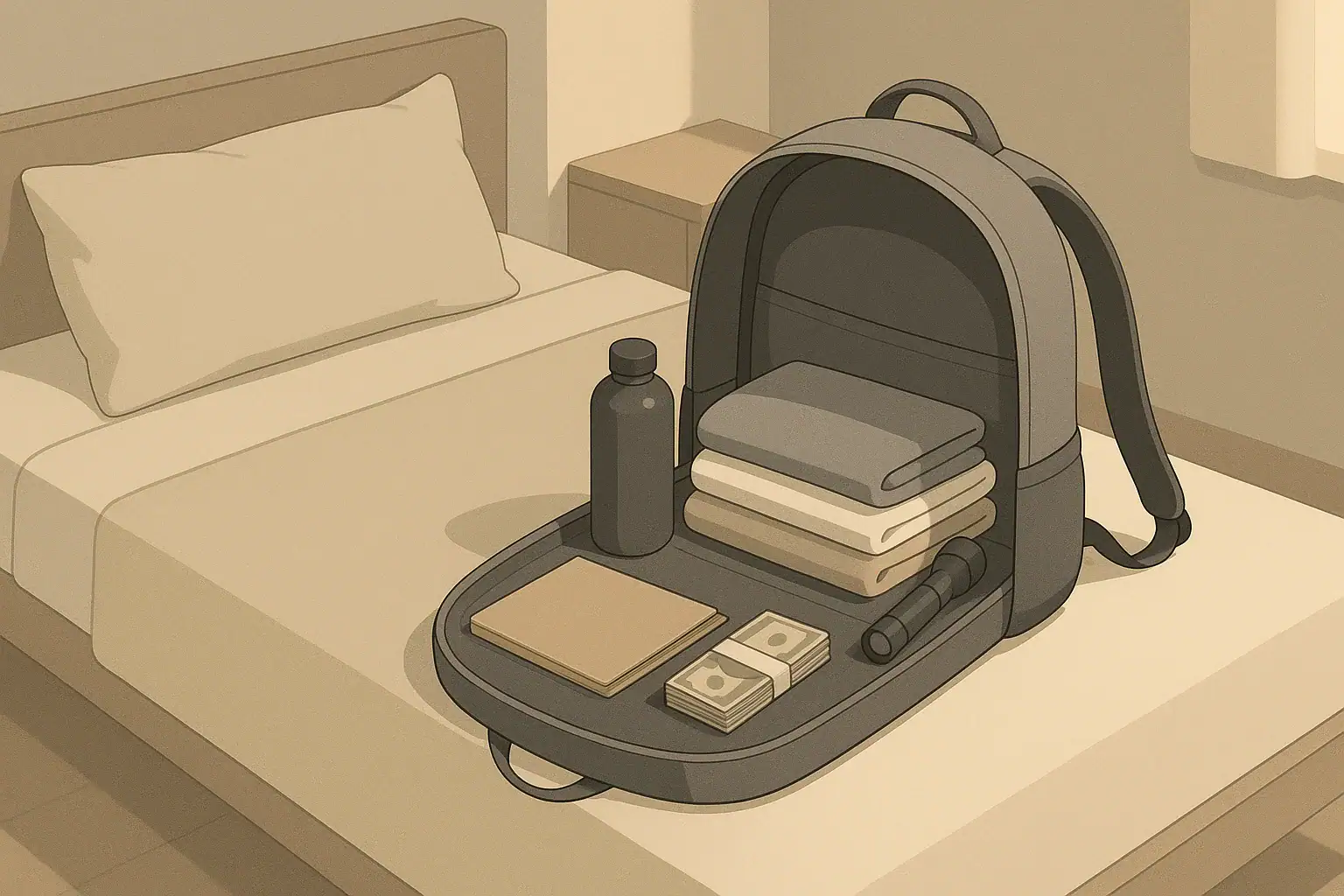
Digital payments are convenient, but many common emergencies can make them unreliable. Power outages, network disruptions, and damaged infrastructure can all temporarily limit access to ATMs and card systems. In these situations, having some physical cash can help you cover basic needs without panic.
Cash in an emergency kit is not about stockpiling large sums. It is about keeping a practical amount of money on hand so you can:
- Buy water, food, or ice during a short-term outage
- Pay for fuel or a shared ride if card systems are down
- Cover small expenses if you need to stay somewhere else overnight
- Handle tolls, parking, or transit if electronic systems are not working
This article focuses on realistic, everyday scenarios in the United States: short power interruptions, regional weather events, and brief evacuations, not long-term or extreme situations. The goal is simple home readiness that fits into normal life.
Why Cash Still Matters in an Emergency
Digital payments are convenient, but many common emergencies can make them unreliable. Power outages, network disruptions, and damaged infrastructure can all temporarily limit access to ATMs and card systems. In these situations, having some physical cash can help you cover basic needs without panic.
Cash in an emergency kit is not about stockpiling large sums. It is about keeping a practical amount of money on hand so you can:
- Buy water, food, or ice during a short-term outage
- Pay for fuel or a shared ride if card systems are down
- Cover small expenses if you need to stay somewhere else overnight
- Handle tolls, parking, or transit if electronic systems are not working
This article focuses on realistic, everyday scenarios in the United States: short power interruptions, regional weather events, and brief evacuations, not long-term or extreme situations. The goal is simple home readiness that fits into normal life.
How Much Cash to Keep on Hand
The right amount of cash for an emergency kit depends on your household, location, and comfort level. There is no single correct number, but you can decide on a range that feels reasonable and safe for you.
Factors to Consider
- Household size: Larger families may need more cash to cover food and transportation for everyone.
- Transportation needs: If you rely on a car, include enough for fuel and parking or tolls. If you use public transit, include fares for several trips.
- Local cost of living: Urban areas with higher prices may require a somewhat larger cushion.
- Access to financial institutions: If you live far from ATMs and banks, keeping a bit more at home can reduce stress during disruptions.
- Security and comfort level: Choose an amount that is helpful but not so large that you worry about theft or loss.
Thinking in Ranges, Not Exact Numbers
Instead of aiming for a precise figure, think in tiers, such as:
- Minimal: Enough for a few basic grocery items and local transit or fuel
- Moderate: Enough for one or two nights of modest lodging plus food and transportation
- Comfortable: Enough to cover several days of flexible expenses if electronic payments are unreliable
You can build up gradually. Start with a small amount and add to it as your budget allows, integrating it into your regular financial planning rather than treating it as a one-time task.
Example values for illustration.
| Task | Why it matters | Notes |
|---|---|---|
| List typical local costs (transit, fuel, simple meals) | Helps you estimate a realistic cash range | Use everyday prices you already know |
| Decide on a minimum daily amount per person | Ensures coverage for basic needs | Keep it modest and flexible |
| Multiply by number of days you want to cover | Connects daily costs to a total target | Many people choose a few days as a starting point |
| Adjust for car or transit needs | Transportation can be a major expense | Consider fuel, parking, or multiple fares |
| Check what you feel safe storing at home | Balances usefulness with security | Reduce the amount if you feel uneasy |
| Set a realistic starting amount | Makes the plan easier to begin | You can build up over several months |
| Review once a year | Keeps up with price changes and life changes | Align with other annual household reviews |
The Importance of Small Bills and Mixed Denominations
In many emergencies, it is much easier to use small bills than large ones. If power is out or systems are down, businesses and individuals may have limited ability to make change. Having the right mix of denominations helps you pay fairly without overpaying for small purchases.
Why Small Bills Are Practical
A mix of small bills can help you:
- Buy low-cost items like water, snacks, or bus fares without needing change
- Split costs with friends, family, or neighbors more easily
- Avoid situations where you feel pressured to use a large bill for a small purchase
Larger bills can still be useful for bigger expenses like lodging, but they should not make up your entire emergency cash stash.
Example Mix of Denominations
Everyone’s situation is different, but many people find it helpful to focus on:
- Ones and fives: Useful for small purchases and tips
- Tens: Flexible for modest purchases and shared costs
- Twenties: Helpful for larger needs, such as fuel or basic lodging
Coins can be helpful for pay phones where available, parking meters, or laundromats, but they can also add weight to a go-bag. You can choose to keep a small roll of coins in a home emergency kit and rely more on bills in a portable kit.
Adjusting for Your Situation
Consider your usual spending patterns and local prices. If a typical small purchase in your area costs only a few dollars, lean more heavily on ones and fives. If most transactions are closer to the cost of a simple meal or short ride, tens and twenties may be more practical, with enough smaller bills to avoid overpaying.
Where to Store Emergency Cash at Home
Once you decide how much cash to keep, think carefully about where and how to store it. Your goals are to make it:
- Accessible: You can reach it quickly if you need to leave or act fast.
- Organized: Bills are grouped and easy to count or grab.
- Reasonably discreet: Not obvious to casual visitors or service workers.
- Protected: Some defense against minor water exposure or household damage.
Home Storage Options
Different homes have different constraints. Apartment renters, for example, may have limited space and may share walls or building access with more neighbors. Homeowners might have more storage choices but also more foot traffic for repairs or services.
Common approaches include:
- Small home safe: Offers some protection and organization; choose a location that is not obvious from outside windows.
- Well-hidden container: A plain container tucked out of sight in an area that you will remember but others are unlikely to notice.
- Split storage: Keeping small amounts in two or three separate places in case one area becomes inaccessible.
Wherever you store it, ensure everyone in your household who might need to act in an emergency knows where the cash is and how to reach it safely.
Protection From Everyday Hazards
Cash can be damaged by moisture, mold, or minor flooding. To reduce this risk, you can:
- Place bills in a sealable plastic sleeve or pouch
- Avoid storing cash directly on basement floors or near plumbing
- Keep it away from direct sunlight and high humidity, where possible
For people in areas prone to specific hazards, such as coastal flooding or seasonal storms, consider placing cash in an elevated or interior area less likely to be affected by water leaks or broken windows.
Cash in Go-Bags and Vehicles
In addition to a small home reserve, it can be useful to keep some cash in other places you might rely on during an emergency, such as a go-bag or vehicle. This amount is usually smaller and more focused on immediate needs if you have to leave quickly.
Cash in a Go-Bag
A go-bag is meant to be grabbed quickly if you need to leave home, whether for a local evacuation, a house fire, or a short-term stay with friends or family. For go-bag cash:
- Use mostly small bills, since you may be making frequent minor purchases.
- Keep it in a simple, sealable pouch in an interior pocket, not easily seen from outside the bag.
- Consider how many people the bag is meant to support; a family bag may need more cash than a single-person bag.
For families, it may be helpful for responsible teens or adults to have a small amount of cash in their own smaller kits or wallets, in case the group is separated or needs to run separate errands.
Cash in a Vehicle
Some people choose to keep a modest amount of cash in their vehicle for fuel, tolls, or unexpected parking. If you do this, think carefully about:
- Security: Avoid visible storage spots like consoles or dashboards.
- Heat and moisture: Use a simple, heat-tolerant pouch and avoid areas prone to condensation.
- Amount: Choose a small figure you are comfortable potentially losing if the vehicle is accessed or towed.
Whether you store cash in a vehicle or not, do not rely on it as your only emergency source. Conditions may keep you away from your car, or your vehicle may not be reachable in a severe storm or building issue.
Balancing Security and Accessibility
Keeping cash at home always involves a trade-off between security and ease of access. You want to be able to use it quickly when you need it, but not keep it in a place that feels exposed or easily discoverable.
Practical Security Considerations
When planning where and how to store cash:
- Avoid obvious spots like top dresser drawers or under mattresses.
- Do not discuss your cash storage habits widely, even casually.
- Consider who has regular access to your home, such as cleaners, maintenance workers, or short-term visitors.
- Think about how easy it would be for you to retrieve the cash under stress, in low light, or during a rushed departure.
If you share your home, make sure at least one other trusted adult knows where the cash is stored. In an emergency where you are not present, they may need to access it.
Record Keeping and Awareness
To avoid confusion later, it can help to keep a simple, private note of:
- The target amount you plan to store
- Where it is located
- When you last counted or adjusted it
Store this record in a secure place, such as with other household planning documents. Periodically confirm that the amount is still present and that you have not unknowingly dipped into it for everyday expenses.
Integrating Cash With Overall Emergency Planning
Cash is just one piece of practical home readiness. It works best alongside other basic preparations, such as extra water, simple food, backup lighting, and a communication plan. Together, these reduce the need for rushed purchases during stressful moments.
Linking Cash to Your Specific Scenarios
Consider how cash would actually be used in the kinds of events most likely in your area:
- Winter storms: Cash might go toward firewood from a local vendor, a simple meal near a warming center, or shared transportation to a relative’s house.
- Hurricanes or severe storms: You might use cash for fuel, last-minute plywood or tarps, or snacks and water if stores are operating on limited systems.
- Heatwaves: Cash could help you access a community pool, pay for transit to a cooling center, or buy extra ice and drinks if card readers are unreliable.
- Short-term evacuations: Having enough on hand for one or two nights of modest lodging and food can greatly reduce stress.
Thinking through these concrete uses can help you set a realistic target and keep your cash reserve aligned with your actual risks rather than abstract worries.
Example values for illustration.
| Food type | Storage tip | Rotation interval idea | No-cook use |
|---|---|---|---|
| Canned beans | Store in a cool, dry cabinet | Use and replace every few months | Eat from can with simple seasoning |
| Nut butter | Keep sealed lids and check for separation | Use regularly and replace as you go | Spread on crackers or bread |
| Crackers or flatbreads | Store in airtight container after opening | Rotate into snacks within a few months | Pair with canned items or spreads |
| Ready-to-eat soups | Group flavors together for quick selection | Use in regular meals before best-by dates | Can be eaten at room temperature if needed |
| Granola or energy bars | Keep in a labeled bin for quick grab | Rotate into lunches and snacks monthly | Quick snack or simple breakfast |
| Shelf-stable milk or milk alternatives | Store in original cartons, upright | Use in recipes before dates approach | Drink alone or pour over cereal |
| Instant oatmeal | Protect packets from humidity | Cycle into everyday breakfasts | Can be eaten slightly softened with limited water |
Keeping Your Cash Plan Updated Over Time
Emergency cash planning is not a one-time project. Prices, family size, and your living situation can all change. A simple review now and then keeps your plan useful without requiring much effort.
Simple Review Routine
Consider adding cash checks to tasks you already do, such as seasonal closet changes or smoke detector tests. During each review:
- Confirm that your cash is still in place and in good condition.
- Check whether the mix of small and larger bills still fits how you would likely spend it.
- Adjust the amount if your household has grown or your typical expenses have shifted.
- Make sure all relevant household members still know where cash is stored and how to access it safely.
By treating cash as one practical tool among many—alongside water, food, lighting, and communication plans—you build a calm, steady readiness that fits into ordinary life, rather than something extreme. Small, consistent steps are usually enough to make short-term disruptions much easier to manage.
Authoritative sources
Safety recommendations can change. Confirm critical details with current official guidance and local authorities.
Frequently asked questions
How much cash should I keep in my home emergency kit?
The right amount varies by household size, local prices, and comfort with keeping cash at home. Think in practical tiers: enough for a few basic purchases and transit (minimal), enough for one or two nights of modest lodging (moderate), or enough to cover several days of flexible expenses (comfortable). Start small and build the amount over time to match your budget and needs.
Which denominations are most useful when keeping cash in an emergency kit?
A mix of small and medium denominations is most practical: ones and fives for low-cost items and tips, tens for moderate purchases, and twenties for fuel or lodging. Carry a few larger bills for bigger expenses but keep enough small bills to avoid needing change.
How can I protect emergency cash from moisture and damage?
Store bills in a sealable plastic sleeve or small waterproof pouch and keep them off basement floors and away from plumbing. Choose an elevated interior spot or a small safe, and check the cash periodically during routine household reviews to ensure it remains in good condition.
Is it safe to store cash in a car or go-bag?
Keeping a small amount of cash in a go-bag or vehicle can be useful for immediate needs, but it carries risks like theft, loss, or heat damage. If you do store cash there, keep only modest sums, hide them in a concealed, heat-tolerant pouch, and avoid leaving large amounts in vehicles for extended periods.
How often should I check and update my emergency cash stash?
Review your emergency cash at least once a year or whenever you perform other household checks (seasonal tasks, smoke detector tests). Confirm the amount and condition of the bills, adjust denominations or totals if your situation changes, and make sure trusted household members still know where to find it.
- Simple checklists and realistic planning
- Water, power, lighting, and pantry basics
- Family plans (kids, pets, seniors) and seasonal prep
Affiliate disclosure
As an Amazon Associate, we earn from qualifying purchases. Some links on this site may be affiliate links. If you buy through these links, we may earn a small commission at no extra cost to you. This helps support our content. Learn more.