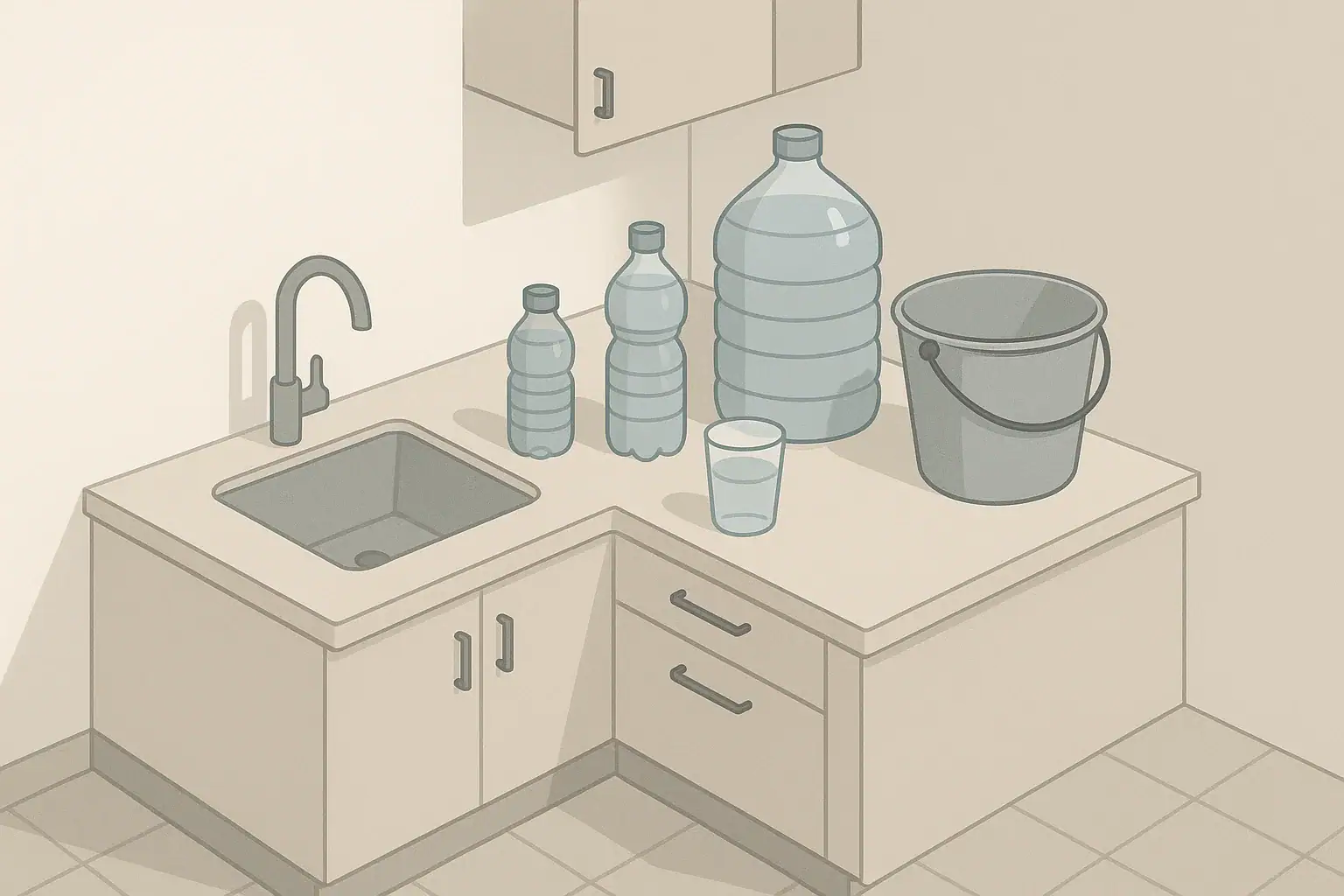
Why Toilet Flushing Becomes an Issue During a Water Outage
A water outage can turn routine bathroom use into a quick decision point: can you still flush, should you flush, and what water can you safely use? Understanding how your home plumbing works and what options you have helps you stay calm and avoid damage or contamination during short-term disruptions.
This article focuses on realistic, short outages that might last from a few hours to a few days. It covers typical U.S. homes and apartments with municipal water and sewer or septic systems, and it offers practical limits for families, kids, and pets.
Toilets need two things to work correctly:
- Water in the tank or bowl to move waste through the pipes
- A working drain system (sewer or septic) that is not backed up or flooded
During a water outage, you may lose the water supply, but the drain system may still function. In many situations you can continue flushing if you bring in your own water. In other situations, flushing can cause backups or pump damage. The key is knowing what system you have and checking local guidance when possible.
Step One: Can You Safely Flush at All?
Before thinking about which water to use, decide whether flushing is safe for your home and community. This depends on your plumbing setup and on what is causing the outage.
Identify Your Drain System
Your toilet drains into one of two main systems:
- Municipal sewer: Wastewater flows from your home into a city or regional sewer network, then to a treatment plant.
- Septic system: Wastewater goes into a buried tank and drain field on your property.
If you are a renter and do not know which system you have, check your lease paperwork, ask your landlord or property manager, or check your local property records when possible.
Situations Where Flushing Is Usually Okay
Flushing is often acceptable when:
- The outage is from a broken water main or temporary shutoff, but the sewer system is still operating.
- You are on city sewer in a multi-story building that still has working drains and no backup reports.
- You have a gravity-fed septic system (no electrical pumps) and the ground is not flooded.
In these cases, toilets can still drain waste, as long as you add water manually.
Situations Where You Should Avoid Flushing
Do not flush, or flush as little as possible, when:
- You hear or receive guidance from local officials to limit or stop toilet use.
- Your home relies on an electric sewage pump, grinder pump, or lift station that has no backup power.
- Your basement or yard is flooded, especially around the septic tank or sewer cleanout.
- Toilets or drains are already gurgling, backing up, or draining slowly.
- You live at a very low point in the neighborhood and know that sewer backups are a past problem during storms.
In these cases, each flush increases the risk of wastewater backing up into your home or overwhelming a stressed system.
Example values for illustration.
| Outage situation | Home setup | If you flush | Suggested action |
|---|---|---|---|
| Short city water shutoff, no flooding | City sewer, gravity drains | Drains normally, only water missing | Okay to flush using stored water; conserve |
| Water outage plus power outage | Apartment on upper floor, city sewer | Drains likely okay, water off | Check building guidance; limit flushing |
| Heavy rain and localized flooding | City sewer, low-lying home | Risk of sewer backup into home | Avoid flushing if drains gurgle or slow |
| Water outage only | Septic with gravity drain field | System usually fine if not saturated | Flush with stored water; monitor yard |
| Power outage | Septic with electric pump | Tank may overfill and back up | Limit or pause flushing until power returns |
| Utility asks residents to limit use | Any sewered home | Can stress treatment system | Follow guidance; adopt “if it's yellow” rule |
Step Two: Safe Water Sources for Manual Flushing
If the sewer or septic system can still handle waste, your main question becomes: what water is safe to use to flush? The good news is that toilet flushing does not require drinking-quality water. That means you can save your cleanest water for drinking and cooking.
How Much Water Does a Manual Flush Need?
Most modern toilets use roughly a couple of gallons per full flush under normal conditions. For manual flushing during an outage, many people find that about one bucket (around 1–2 gallons) per flush is usually enough to clear the bowl for liquids and many solids. You can test carefully when supplies are plentiful so you understand how your toilet behaves.
When you pour water quickly into the bowl, the force triggers the siphon and carries waste down the drain. This is called a “bucket flush” and works even if the tank is empty.
Safe Non-Drinking Water Sources for Flushing
You can use many types of non-potable water to flush, as long as there is no risk of adding corrosive chemicals or solid debris to your pipes. Common options include:
- Stored tap water that is no longer considered safe to drink but is fine for flushing.
- Water from the bathtub that was filled in advance of the outage.
- Rainwater collected in clean containers or barrels, kept away from contaminants.
- Leftover water from rinsing dishes, handwashing clothes, or mopping, as long as it does not contain large solids or harsh chemicals.
- Water from dehumidifiers or air conditioners collected in buckets or trays.
These sources help you stretch your drinking water supply by using lower-quality water for sanitation.
Water Sources You Should Not Use for Flushing
Some water sources can damage your plumbing or create additional hazards. Avoid using:
- Water mixed with strong cleaning chemicals such as concentrated bleach, drain openers, solvents, or paint thinners.
- Water with large amounts of dirt, sand, or gravel, which can settle in pipes or traps.
- Water heavily contaminated with fuel or oils, such as from garages or driveways.
- Unknown outdoor water from ditches or areas that may be contaminated with sewage or industrial runoff.
If you are unsure about a water source, keep it out of your plumbing system and reserve it only for non-plumbing uses such as cleaning outdoor tools.
How to Do a Bucket Flush Safely
To flush using a bucket:
- Fill a bucket with about 1–2 gallons of water.
- Stand beside the toilet and pour the water quickly and steadily into the bowl, aiming toward the back of the bowl.
- A strong pour usually triggers a normal flush. If the bowl drains slowly, stop adding more water and watch for signs of clogging or backup.
- If the bowl does not clear, avoid repeated attempts; there may be a drain issue, not a water issue.
This method bypasses the tank mechanism, which is helpful if the tank is empty or you want to keep it empty to avoid leaks.
How Long Can You Keep Flushing During an Outage?
How long you can keep flushing during a water outage depends on two main limits: the capacity of your drain system and the amount of water you can spare. For most households in short outages, water supply becomes the practical limit first.
Understanding System Capacity Limits
For gravity-based city sewers and septic systems in normal weather, a short-term outage does not usually change how many flushes the system can physically handle. The limits mainly show up when:
- Your septic tank is already near capacity or the ground is saturated.
- The municipal sewer is stressed by flooding or power issues at pump stations.
- Your home relies on a small electric pump tank that cannot empty during a power loss.
In these situations, even a few extra flushes may be too many. Pay attention to any change in drain behavior and reduce flushing if you notice slow draining, gurgling, or odors.
Planning Flushes Around Stored Water
A more predictable limit is how much water you have reserved for flushing. When you plan for outages, it helps to separate water mentally into two categories:
- Potable water: Reserved first for drinking and basic food preparation.
- Utility water: Lower-quality water for tasks like flushing and cleaning.
As a simple planning frame, some households treat flushing as a low priority during short outages and accept reduced flushing to conserve water. For example, a family of four might:
- Reserve most stored potable water for two to three days of drinking and food use.
- Use bathtub or other stored utility water for a limited number of flushes, focusing on solids.
- Adopt a “selective flushing” approach (flushing less often for liquids) to stretch supplies.
The exact numbers will depend on your space, storage capacity, and comfort level, but thinking this way helps you set practical limits before you are under stress.
Selective Flushing Strategies
To reduce water use without abandoning flushing entirely, consider:
- Flush mainly for solids. For urine, some households temporarily flush less often while maintaining good hygiene and ventilation.
- Use one bathroom as the “primary outage toilet.” This concentrates cleaning and monitoring in one location.
- Coordinate with household members. Simple agreements about when to flush can prevent overuse of limited water.
- Open a window or use a fan (if power is available) to manage odors.
If you have seniors, very young children, or guests, you can adjust these strategies to keep things comfortable and dignified while still conserving water.
Alternatives When You Should Not Flush
Sometimes the safest option is to avoid flushing entirely until water or power is restored or until sewer levels drop. In that case, you need short-term alternatives that work in small spaces and are easy to manage.
Using the Existing Toilet as a Container Toilet
One simple approach is to convert your toilet into a temporary container toilet without using the plumbing:
- Turn off the shutoff valve behind the toilet to prevent surprises when water returns.
- If the bowl has water, you can leave it or carefully bail some into a bucket to create room.
- Place a strong trash bag or specialty waste bag inside the toilet bowl and fold the edges over the rim.
- After use, add a small amount of absorbent material such as shredded paper, sawdust, or kitty litter if available.
- Tie or seal the bag and transfer it to a secondary container with a tight lid until regular trash and waste services resume.
This keeps waste contained and uses the toilet as a stable seat, which is often more comfortable for many people.
Portable Toilet Options for Apartments and Small Homes
In apartments or small homes, you may not have outdoor space for improvised systems. Practical indoor options include:
- Portable camping-style toilets designed to hold waste in lined containers.
- A dedicated “bathroom bucket” with a tight lid and liners for seated use.
- Urinals or simple containers for urine only, to reduce strain on solid-waste systems.
Store these supplies in a closet or under a bed, along with extra bags, absorbent material, and gloves. Even a simple setup can reduce stress during an outage.
Outdoor Considerations for Houses
For single-family homes with yards, there may be more options, but it is still important to protect local soil and water. General points include:
- Do not dump raw sewage into storm drains, creeks, or ditches.
- Avoid digging makeshift pits close to wells, streams, or gardens.
- If you use a temporary outdoor system, line containers and plan for eventual proper disposal through regular waste channels when allowed.
Local regulations differ, so treat any outdoor method as a last resort and favor container-based options that can be handled safely later.
Example values for illustration.
| Need | Simple supplies | Safe use note | Disposal idea |
|---|---|---|---|
| Manual toilet flushing | Buckets, utility water, gloves | Pour water quickly into bowl, watch for slow drains | None beyond normal sewage system |
| No-flush toilet use | Trash bags, absorbent material, tape or ties | Line toilet or bucket; seal bags after use | Store sealed bags in lidded bin until pickup guidance |
| Hand cleaning | Soap, small water container, hand sanitizer | Prioritize soap and water when available | Collect graywater for flushing where appropriate |
| Odor control | Baking soda, absorbent material, ventilation | Use small amounts; avoid overpowering fragrances | Seal used materials in bags with solid waste |
| Surface cleaning | Disposable wipes or diluted cleaners, paper towels | Avoid strong chemicals in plumbing | Bag used wipes and towels with regular trash |
| Family communication | Simple written plan, shared expectations | Explain flush limits and alternatives calmly | Post plan near bathroom for reference |
Simple Readiness Steps Before the Next Outage
A little preparation makes toilet decisions during a water outage much easier. You do not need a large space or a big budget to put basic measures in place.
Know Your Home’s Setup
When things are normal, take a few minutes to:
- Find out whether you are on septic or city sewer.
- Locate the toilet shutoff valves and know how to turn them.
- Notice any signs of past backups in the basement or yard and ask about them if you are a renter.
Having this information handy makes it easier to decide when to flush, when to pause, and when to switch to alternatives.
Set Aside Utility Water and Supplies
You can build a small sanitation kit over time, such as:
- A few sturdy buckets labeled for water use only.
- Enough trash bags and absorbent material to last a few days of limited toilet use.
- A plan to fill a bathtub or large container when a storm or planned shutoff is announced.
- Basic cleaning supplies and gloves stored together in a marked container.
Even in a small apartment, a compact kit can fit in a closet and provide peace of mind.
Family and Roommate Agreements
Finally, agree ahead of time on a simple approach for outages:
- When to switch from normal flushing to bucket flushing.
- Who will monitor water levels and adjust flushing habits.
- How you will explain the plan to kids or guests in a calm, matter-of-fact way.
Clear expectations help keep everyone comfortable and reduce surprises when routines are disrupted, turning a water outage into an inconvenience instead of a crisis.
Authoritative sources
Safety recommendations can change. Confirm critical details with current official guidance and local authorities.
- US EPA: Emergency Disinfection of Drinking Water
- CDC: Guidelines for Cleaning Safely After a Disaster
- Ready.gov: Preparedness Tips for People with Disabilities
Frequently asked questions
Can I flush my toilet with stored rainwater during a short water outage?
Yes, stored rainwater kept in clean containers is commonly used for manual flushing if your sewer or septic system is functioning. Avoid rainwater that may contain roof debris, chemicals, or runoff from contaminated surfaces. Save potable water for drinking and food preparation when possible.
How much water do I need for a bucket flush and how should I pour it?
Most modern toilets can be cleared with about 1–2 gallons of water poured quickly into the bowl. Pour a strong, steady stream aimed at the back of the bowl to trigger the siphon action; if the bowl drains slowly or gurgles, stop and wait to avoid causing a backup.
What signs mean I should stop flushing during an outage?
Stop flushing and limit use if you notice gurgling drains, slow draining, sewage odors, visible backups, or if local officials advise limiting sewage discharge. Also avoid flushing if your property relies on an electric sewage pump that has lost power. Continuing to flush in these conditions can cause wastewater to back up into your home.
Is bathtub or graywater safe to use for flushing and are there precautions?
Bathtub or graywater from low-chemical household tasks is generally fine for flushing since toilet water does not need to be potable. Do not use graywater that contains concentrated cleaners, solvents, or large solids, and keep it out of drinking supplies. Store graywater in clean containers and use it only for sanitation tasks.
What are safe alternatives if I cannot or should not flush during an outage?
Use a container-based option such as lining the toilet bowl with a heavy-duty bag and adding absorbent material, or use a portable bucket-style toilet with liners for indoor use. Seal and store waste bags in a lidded bin until disposal is allowed, and follow local waste guidance to avoid environmental contamination.
- Simple checklists and realistic planning
- Water, power, lighting, and pantry basics
- Family plans (kids, pets, seniors) and seasonal prep
Affiliate disclosure
As an Amazon Associate, we earn from qualifying purchases. Some links on this site may be affiliate links. If you buy through these links, we may earn a small commission at no extra cost to you. This helps support our content. Learn more.