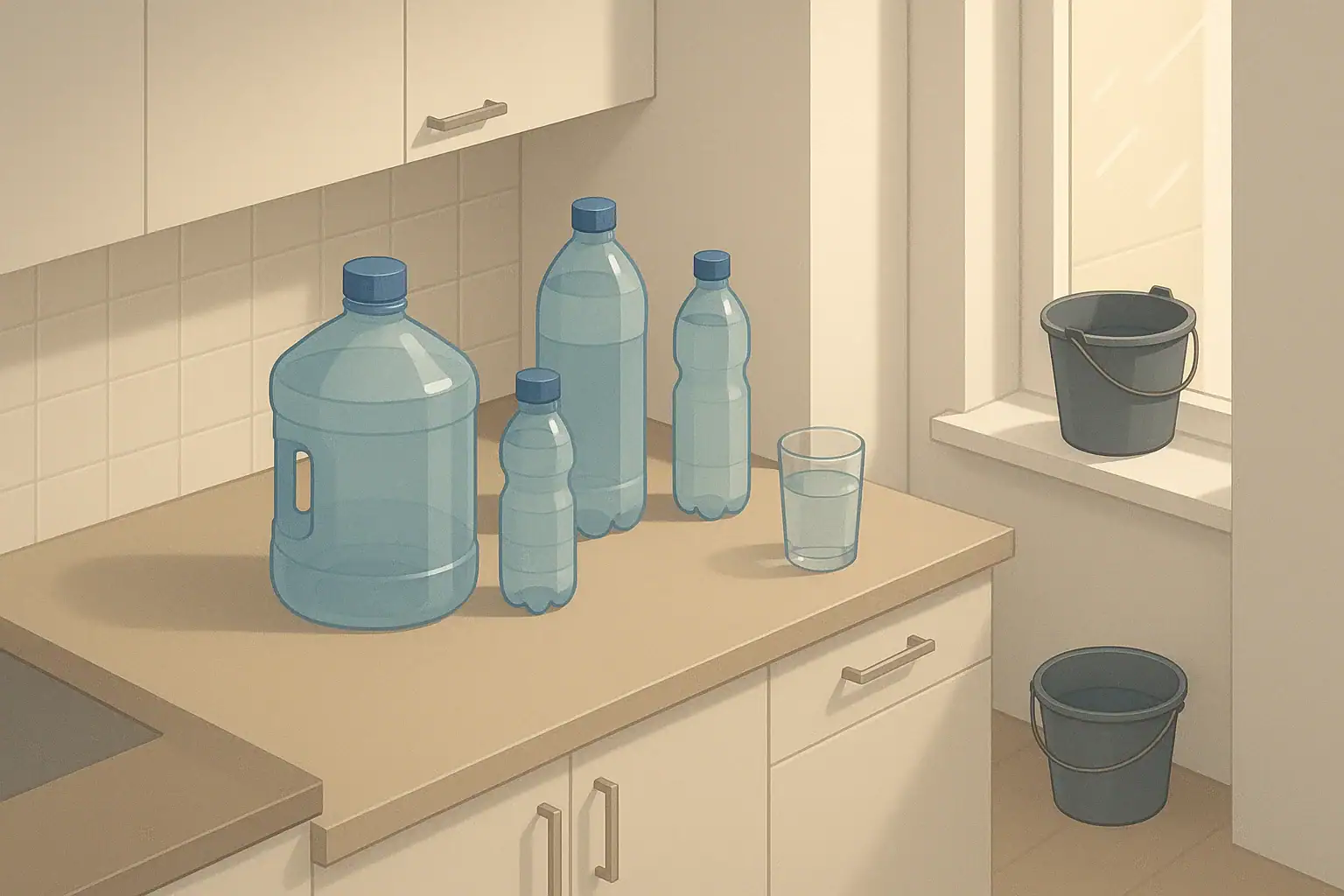
Most households rely completely on treated tap water. In a short-term emergency, that supply can be interrupted or unsafe to use without notice. Rainwater is one possible backup, especially in areas with regular rainfall and limited storage space.
Using rainwater is not about building a complex off-grid system. For most people in apartments or typical suburban homes, it is a last-resort supplement when regular sources are not available. Understanding what rainwater can and cannot safely do helps you plan calmly and realistically.
Key points to keep in mind:
- Rainwater is usually not ready to drink without treatment.
- It can be very useful for non-drinking needs like flushing toilets or cleaning.
- Simple tools (clean containers, basic filters, disinfection methods) can improve safety.
- Local rules in some places limit or regulate roof-based collection; check your city or state guidance.
Why Consider Rainwater in an Emergency?
Most households rely completely on treated tap water. In a short-term emergency, that supply can be interrupted or unsafe to use without notice. Rainwater is one possible backup, especially in areas with regular rainfall and limited storage space.
Using rainwater is not about building a complex off-grid system. For most people in apartments or typical suburban homes, it is a last-resort supplement when regular sources are not available. Understanding what rainwater can and cannot safely do helps you plan calmly and realistically.
Key points to keep in mind:
- Rainwater is usually not ready to drink without treatment.
- It can be very useful for non-drinking needs like flushing toilets or cleaning.
- Simple tools (clean containers, basic filters, disinfection methods) can improve safety.
- Local rules in some places limit or regulate roof-based collection; check your city or state guidance.
What Rainwater Is Realistically Good For
In a short-term emergency lasting a few days to a couple of weeks, rainwater is most realistic as a way to stretch your stored drinking water and maintain basic hygiene. Think of it as a support source, not your primary drinking supply.
Best Uses for Untreated or Lightly Treated Rainwater
Rainwater collected in reasonably clean containers can often be used, without advanced treatment, for:
- Toilet flushing (pouring a bucket into the bowl or tank)
- Mopping floors and basic household cleaning
- Hand-washing if followed by hand sanitizer or when soap and clean rinse water are available
- Rinsing muddy items (shoes, tools, pet paws) before final cleaning with safer water
- Outdoor uses like rinsing off steps or equipment
These uses can save your safer stored water for drinking, food, and essential hygiene.
When Rainwater Might Be Used for Drinking
Using rainwater for drinking is a higher bar. In general, you would only consider it when:
- Your regular tap water is unavailable or clearly unsafe.
- You have exhausted your stored drinking water (or need to stretch it carefully).
- You can apply at least one reliable disinfection step (such as boiling) and preferably a basic filtration step.
- The collection method avoids obvious contamination (for example, not scooping from dirty puddles near vehicles or chemicals).
Even with treatment, rainwater is best seen as an emergency backup for drinking, not a routine substitute for treated municipal water.
Example values for illustration.
| If this is true… | Then consider using rainwater for… | Notes |
|---|---|---|
| You have stored drinking water and short outage is expected | Toilet flushing and floor cleaning | Keep stored water for drinking and cooking only. |
| Stored water is limited but you can boil water | Possible drinking after filtration and boiling | Use rainwater mainly to stretch supplies, not as sole source. |
| Rain is available but you cannot boil or disinfect | Non-food uses only | Avoid drinking or using for food preparation. |
| Collection surface is visibly dirty (bird droppings, debris) | Toilet flushing only | Assume high contamination risk for any contact with mouth. |
| You have infants, elderly, or immune-compromised people | Prioritize treated municipal or bottled water for drinking | Reserve treated sources for the most vulnerable if supplies are tight. |
| No containers available for storage | Immediate cleaning tasks during rainfall | Use rain as it falls; avoid trying to store in makeshift unsafe vessels. |
How Rainwater Gets Contaminated
Rain may start relatively low in minerals and some contaminants while in the air, but by the time it reaches your bucket or barrel it has had many chances to pick up things you do not want to drink. Understanding these common sources helps you choose safer collection methods.
Air and Roof Contaminants
Rain passes through the air and often runs across roofs and gutters before being collected. Along the way it can pick up:
- Dust and soot from traffic or nearby industry
- Pollen and plant material
- Bird and animal droppings on roofs, balconies, or window ledges
- Roofing materials residues such as small particles or coatings
In many everyday emergency situations, you may not know exactly what your roof is made of or how clean it really is. That uncertainty supports the idea that roof-collected rainwater is generally not ready to drink without solid treatment.
Containers and Storage Issues
Even if the rain itself were relatively clean, the container can add new problems. Common issues include:
- Previously used containers that held chemicals or fuel
- Open buckets that collect insects and debris
- Uncovered barrels that allow animals or leaves to fall in
- Warm, stagnant storage that encourages algae or microbial growth
For emergency readiness, set aside a few containers that are only used for water and clearly separate them from those used for cleaning supplies or automotive fluids.
Basic Ways to Collect Rainwater in an Emergency
You do not need a permanent tank system to benefit from rain during a short disruption. Simple, temporary setups can help, especially when you have a forecast of incoming storms.
Simple Collection Methods for Renters and Small Spaces
For apartments, condos, and small homes without roof access, consider:
- Balcony or patio buckets: Place clean containers in open areas during rainfall.
- Window or railing drips: Set containers where water naturally drips off ledges (avoid areas touched by bird droppings or visible grime).
- Temporary tarps: If safe to do so, hang a clean tarp or plastic sheet so rain funnels into a bucket.
Always think about safety first. Do not lean dangerously out of windows or climb onto wet surfaces during storms.
Using Downspouts and Gutters Safely
In single-family homes with gutters, you can place a clean container under a downspout to capture runoff. Keep in mind:
- The first flush of rain often carries the most debris and droppings; letting it run to waste for a short time can reduce contamination somewhat.
- Gutters with visible buildup of leaves, nests, or droppings are higher risk; focus that water on uses like toilet flushing.
- Keep children and pets away from open barrels or deep containers to avoid fall hazards.
Making Emergency Rainwater Safer to Use
For anything that may come into contact with your mouth or food, rainwater needs additional steps. No single basic method is perfect, but combining them improves your margin of safety.
Step 1: Let Sediment Settle and Strain Out Debris
Before you disinfect, remove visible particles:
- Let the water sit so heavier particles settle at the bottom.
- Carefully pour or scoop the clearer water off the top into another clean container.
- Strain through a clean cloth, coffee filter, or fine mesh to remove smaller debris.
This does not make the water safe to drink, but it helps treatments like boiling or chemical disinfection work more effectively.
Step 2: Disinfecting with Heat
Boiling is one of the most widely recommended emergency disinfection methods because it does not rely on specialized products. In general emergency guidance:
- Bring water to a rolling boil and maintain that boil for a suitable period based on common safety advice (often at least a minute, longer at higher elevations).
- Let it cool naturally and store it in a clean, covered container.
- Avoid adding ice made from untreated water.
Boiling can require significant fuel. In power outages, plan realistically around what your stove, camping stove, or grill can do safely.
Step 3: Using Chemical Disinfection
If boiling is not possible, some households may turn to chemical disinfectants. Common emergency guidance often involves:
- Using unscented household chlorine bleach that lists active ingredients and strength.
- Adding a carefully measured small amount per volume of clear water.
- Stirring well and waiting the commonly recommended contact time.
Because bleach concentrations and products vary, follow widely available public emergency guidance for exact amounts and contact times. Do not guess, and do not use scented, splashless, or cleaners with added ingredients.
Step 4: Filters and Combined Approaches
Some households keep a portable water filter or gravity filter as part of their emergency kit. Used properly, these can reduce many contaminants, but they may not remove everything. A sensible approach can be:
- Settle and strain water first.
- Run it through a suitable filter as directed.
- Follow up with boiling or chemical disinfection when possible.
Read and follow your filter’s manual in advance, rather than learning during a power outage.
How Much Rainwater Can You Realistically Collect?
It is useful to set your expectations. Rainfall can add up quickly, but containers and living space are usually the real limits for everyday households.
Understanding Volumes and Container Limits
As a very general example, a small bucket may hold several gallons, while a typical household bathtub holds dozens of gallons. If you place several standard-sized buckets or tubs out during a steady rainstorm, you can collect a substantial amount in a few hours.
However, collecting large volumes is only helpful if you can store and protect the water safely. Ask yourself:
- How many clean, food-safe containers do you have?
- Do you have space to store them where they will not be in the way or tipped over?
- Can you lift and move full containers without injury risk?
Matching Collection to Short-Term Needs
Basic emergency planning often suggests several gallons of water per person per day for drinking and limited hygiene, with pets needing additional amounts. In practice, most households will store some treated water in advance and then use rainwater to supplement for cleaning and toilet flushing.
Think about your situation:
- Small apartment: You may only have space for a few jugs and a bucket. Focus on drinking water storage and use any rain mainly for flushing and light cleaning.
- Suburban house: You might manage several larger containers in a garage or shed. That may allow you to rely more on rainwater for washing, saving your stored water for drinking.
- Families with children or seniors: Lifting and pouring large containers may be harder. Use multiple smaller containers rather than one very large barrel.
Storage, Labeling, and Simple Safety Habits
Even in an emergency, a few habits help keep rainwater use safer and less stressful.
Separating Drinking and Non-Drinking Water
Mixing up containers is an easy mistake during a hectic situation. To avoid this:
- Use different shapes or sizes for drinking and non-drinking water when possible.
- Clearly label containers with a marker (for example, “drinking only” or “cleaning only”).
- Store drinking water away from chemicals, fuels, and cleaning supplies.
Keeping Stored Rainwater From Getting Worse
Once collected, rainwater can degrade in quality over time. To slow this process:
- Keep containers covered to limit insects and debris.
- Store in a cool, shaded place away from direct sunlight when possible.
- Avoid topping off old water with new; instead, use older water first for non-drinking purposes.
- Clean reusable containers between uses when you have safe water and a bit of unscented soap available.
Household-Specific Considerations
Each home has unique needs and limits:
- Kids: Explain clearly which containers are not for drinking and keep them out of reach.
- Pets: If you are unsure about rainwater quality, prioritize your safest water for pet drinking bowls.
- Seniors or people with limited mobility: Place containers at a height where pouring is safer, or use smaller jugs instead of large buckets.
Example values for illustration.
| People and pets | Days to plan for | Storage approach | Rotation cue idea |
|---|---|---|---|
| 1 adult | 3 days | Several small jugs plus a bucket for rainwater | Check and refresh labeled jugs every 6 months. |
| 2 adults | 5 days | Mixed jugs and a large covered container for non-drinking use | Add reminder to calendar twice per year. |
| Family of 4 with small children | 3–7 days | Multiple smaller bottles for easy lifting plus a tub for rainwater | Rotate drinking water at start and mid-year school breaks. |
| Household with large dog | 3–5 days | Extra jug dedicated to pet drinking water | Refresh pet jug whenever regular pet food is restocked. |
| Shared apartment with 3 roommates | 3 days | Each person maintains their own small supply plus shared buckets | Rotate during routine seasonal cleaning. |
| Senior living alone | 3–5 days | Several light-weight containers easy to carry | Ask family or helpers to check supplies on regular visits. |
Fitting Rainwater Into a Calm Preparedness Plan
Rainwater can be a helpful piece of a broader, low-stress home readiness plan. It does not replace the need for stored drinking water, but it can ease the strain on your supplies during short disruptions.
For most households, a balanced approach includes:
- Keeping a modest, regularly rotated supply of safe drinking water.
- Knowing a few simple ways to collect rain when it is available.
- Understanding basic treatment and storage steps if you need to use rainwater more directly.
- Practicing safe habits so drinking and non-drinking water do not get mixed up.
By planning ahead in a practical way, you can treat rainwater as a useful backup tool rather than an emergency mystery, and stay more comfortable during short-term water disruptions.
Authoritative sources
Safety recommendations can change. Confirm critical details with current official guidance and local authorities.
- CDC: Carbon Monoxide Poisoning Basics
- US EPA: Emergency Disinfection of Drinking Water
- CDC: Guidelines for Cleaning Safely After a Disaster
Frequently asked questions
Can I safely drink rainwater collected from my roof during an emergency?
Roof-collected rainwater is generally not safe to drink without treatment because it can pick up contaminants from the air, roofing materials, and bird or animal droppings. You should filter and disinfect (for example, by boiling or using a recommended chemical method) before drinking; treat it only as an emergency backup when municipal or stored water is unavailable.
What is a practical way to disinfect rainwater if I cannot boil it?
If boiling is not feasible, many emergency plans recommend using unscented household chlorine bleach formulated for disinfection, applied at doses and contact times given by public health guidance. Because products and concentrations vary, follow a reliable public source for exact amounts and wait times rather than guessing.
How should I collect rainwater safely if I live in an apartment or have no roof access?
Use clean, food-safe containers on balconies, patios, or under natural drips, and avoid areas with visible bird droppings or grime. Temporary clean tarps can funnel rain into a container, but prioritize safety — do not lean out of windows or climb on wet surfaces during storms.
How much rainwater can I collect from a typical roof during one storm?
Collection depends on rainfall amount and catchment area; as a rough example, one inch of rain on 100 square feet of catchment yields about 62 gallons of water. Actual yield will be lower if you lose the first flush, have runoff losses, or use small containers instead of a continuous catchment.
How long can collected rainwater be stored before it becomes unsafe?
Stored rainwater quality typically degrades over time, especially if left uncovered or in warm, sunny conditions. For emergency use, keep containers covered and shaded, use water for non-drinking needs first, and avoid storing untreated rainwater long-term for drinking — rotate and clean containers when safe water is available.
- Simple checklists and realistic planning
- Water, power, lighting, and pantry basics
- Family plans (kids, pets, seniors) and seasonal prep
Affiliate disclosure
As an Amazon Associate, we earn from qualifying purchases. Some links on this site may be affiliate links. If you buy through these links, we may earn a small commission at no extra cost to you. This helps support our content. Learn more.