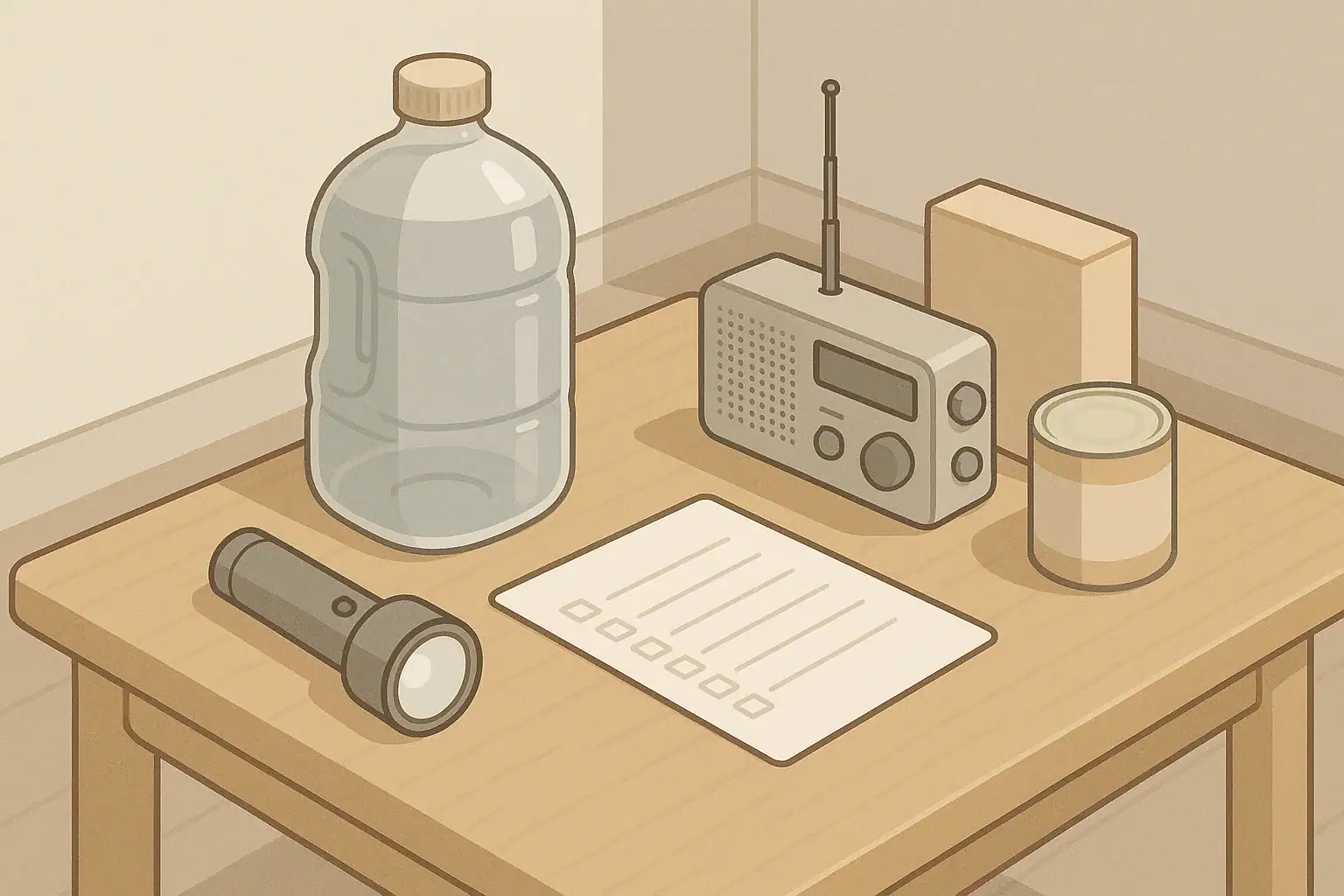
Why a Two-Week Plan Makes Sense
A two-week home readiness plan is a practical middle ground between doing nothing and stockpiling more than you can use. Many short-term disruptions in the United States—winter storms, hurricanes, heatwaves, local power or water outages—resolve within a few days to two weeks. Planning around this timeframe helps you stay comfortable and safe without turning your home into a storage unit. Instead of thinking about rare, extreme scenarios, this approach focuses on realistic situations:- A multi-day power outage after a storm
- Temporary tap water problems or boil-water notices
- Road closures or store shelves being thin for a week
- Needing to stay home with kids or older family members
Step 1: Assess Your Household and Space
Before buying anything, take a clear look at who lives in your home, what you already have, and how much space you can realistically use for supplies.Consider Who You Are Planning For
Make a quick list of everyone in your household, including pets. For each person, ask:- Do they have dietary limits or strong food preferences?
- Do they rely on daily medications or medical devices that use power?
- Are they very young, older, or mobility-limited?
- Do they need special items (diapers, formula, mobility aids)?
Apartment vs House: Space and Constraints
Your plan should match the space you live in, not an idealized version of a large house.- Small apartments: Focus on compact, multi-use items; use vertical space like closet shelves; prioritize lighter water storage you can move.
- Houses: You may have more room for water and pantry items, but still plan within what you can store safely and rotate.
- Renters: Avoid permanent installations; rely on portable power options and containers you can take if you move.
Start With a Home Inventory
Walking through your home with a notepad can prevent overbuying. Quickly check:- Pantry and cabinets: Shelf-stable meals you already own
- Freezer: Foods you could prioritize if power goes out
- Water sources: Refillable bottles, pitchers, existing jugs
- Lighting: Flashlights, lanterns, candles, batteries
- Power: Any battery packs, power banks, or small power stations
- Hygiene: Soap, wipes, trash bags, toilet paper, cleaning supplies
| Area | Key question | Action if “no” |
|---|---|---|
| Food | Can we eat for 3 days without cooking? | Add a few no-cook meals per person |
| Water | Can we cover basic drinking needs for 3 days? | Plan simple storage for at least several gallons |
| Lighting | Do we have at least 1 light per bedroom? | Assign or buy one safe light per room |
| Power | Can we charge phones for 2–3 days? | Add or upgrade a shared battery bank |
| Hygiene | Could we manage 3 days with low water? | Stock basic wipes, soap, and trash bags |
| Medications | Do we have a small buffer of essentials? | Ask provider or pharmacy about refills |
| Pets | Is there at least 1 week of pet food? | Slowly build a small extra cushion |
Step 2: Right-Size Your Food Plan
The easiest way to avoid overbuying food is to plan around what you already eat. A two-week food plan does not require a separate “emergency pantry” full of unfamiliar items. It simply adds a modest buffer of shelf-stable versions of the kinds of meals you already make.Estimate Realistic Portions
As a simple starting point, think in meals per person instead of exact calories. For two weeks, you need roughly:- 14 breakfasts per person
- 14 lunches per person
- 14 dinners per person
- Room-temperature stable
- Easy to prepare with minimal cooking or water
- Familiar to your family
Mix Normal and No-Cook Options
Plan for two situations: when your stove works normally, and when power or gas service is limited. When you can cook:- Dry pasta, rice, and grains
- Canned beans and vegetables
- Shelf-stable sauces and seasonings
- Oatmeal or other hot cereals
- Canned soups or stews that can be eaten at room temperature if needed
- Nut butters, crackers, and shelf-stable spreads
- Ready-to-eat canned fish or poultry
- Dried fruit, nuts, and snack bars
- Instant foods that can rehydrate in cool water if you have time
Adapt for Kids, Seniors, and Special Diets
Some household members may struggle with very salty, spicy, or hard-to-chew foods. Make sure your plan includes:- Gentle foods like plain cereals, soft canned fruits, or soups
- Options that match dietary restrictions where possible
- Familiar snacks or comfort items to reduce stress
Step 3: Simple Water Readiness
Water is essential, but it is also heavy and takes space. A moderate, practical plan usually combines stored water, containers you can fill quickly, and simple ways to improve water quality if needed.Basic Storage Targets
Many people aim for at least several gallons of drinking water per person as a starting buffer, then build up gradually. For a two-week plan, consider:- A modest supply of commercially bottled water if budget allows
- Reusable containers or jugs you can fill before a storm or planned outage
- Smaller, easy-to-carry containers if you live in a walk-up or have limited strength
Tap Water and Treatment Options
In many short-term scenarios, tap water is safe, or the main concern is a temporary loss of pressure. You can prepare by:- Knowing where your largest pots, pitchers, and sinks are for quick filling
- Keeping basic household bleach on hand for general cleaning and, if local guidance suggests, limited emergency disinfection
- Having a simple filter device or pitcher you are comfortable using in everyday life
Water for Hygiene and Pets
Do not forget non-drinking needs:- Handwashing
- Quick sponge baths
- Flushing toilets (if your plumbing setup requires it)
- Pet bowls and cleaning up after animals
Step 4: Backup Power Basics Without Overspending
You do not need a full-house generator for a realistic two-week readiness plan. Instead, focus on keeping a few essential devices powered long enough to get through typical outages.Prioritize Devices That Matter Most
For most households, the most important items to power during a short outage are:- Phones and small communication devices
- A small radio or similar information source
- Basic lighting
- Any medically necessary small devices, in consultation with a healthcare provider
Understand Runtime and Charging
Portable power stations and smaller power options, such as plug-in battery packs or portable power stations, usually advertise a capacity number. Instead of focusing on exact figures, think in general terms:- A small battery bank may charge a phone several times.
- A mid-sized portable battery may run a few low-watt devices for hours.
- Larger systems can support more devices but cost more and take more space.
Safety and Apartment Considerations
Always follow safety instructions for fuel-burning devices. In apartments and many rental situations, it is safer to avoid indoor fuel-powered generators entirely. Instead, consider:- Battery-based systems for essential low-power devices
- Extra charged power banks before storms
- Non-electric alternatives where practical (manual can openers, paper books, battery-powered fans)
Step 5: Safe Lighting and Nighttime Comfort
Good lighting helps prevent accidents and reduces stress during outages. The key is to provide enough light where you actually move around, without relying on unsafe methods.Map Your Home’s Critical Pathways
Walk through your home as if the power were out. Note the routes you use most:- Bedroom to bathroom
- Bedroom to kitchen
- Stairs or tight hallways
- Entryways you would use if you needed to leave at night
Choose Safer Light Sources
Battery-powered lights are generally safer than open-flame candles, especially in homes with children, pets, or many soft furnishings. If you do choose to keep candles, use sturdy holders, keep them away from anything that could ignite, and never leave them unattended. Keep spare batteries near, but not inside, devices to reduce the risk of corrosion over long periods. Label a small container as your “outage box” with:- Several flashlights or lanterns
- Fresh batteries in commonly used sizes
- A small clip light that can attach to shelves or doors
Step 6: Communication and Simple Plans
Communication can be as basic as making sure your phone can stay charged and your family knows what to do if you are separated or if cell service is limited.Keep Contact Information Accessible
Many people rely on saved numbers in phones, but those can be hard to access if batteries die or devices are damaged. Consider:- Writing down key contacts on a small card kept in wallets and bags
- Listing an out-of-area relative or friend everyone can try to contact if local lines are busy
- Including building management or landlord contact details for renters
Agree on Simple Meeting Points
For households with multiple people, especially children or older relatives, discuss beforehand:- A preferred room to shelter in during storms
- A spot just outside the building to meet if you need to evacuate quickly
- A nearby public place as a backup meeting point if you cannot return home
Step 7: Hygiene, Sanitation, and Comfort
Short-term emergencies often feel harder because everyday routines like showers, laundry, and regular cleaning are disrupted. A small amount of planning can keep your home feeling manageable.Low-Water Hygiene Supplies
Consider setting aside a container with:- Bar or liquid soap
- Toothbrushes and toothpaste
- A small supply of moist wipes
- Quick-dry towels or washcloths
- Hand sanitizer for when water is limited
Trash, Toilets, and Odor Control
If city services are delayed or water use is restricted, you might need to adjust how you manage waste. Keep on hand:- Sturdy trash bags in various sizes
- Extra toilet paper and tissues, stored dry
- Basic cleaning products such as all-purpose cleaners and disinfecting wipes
Comfort Items for Stressful Days
Especially for kids and older adults, having a few familiar comforts can make a big difference. Consider adding:- Paper books, card games, or simple toys
- Warm blankets and layers for winter outages
- Cooling cloths or handheld fans for heatwaves (battery-powered if possible)
Step 8: Organize, Rotate, and Keep Costs Down
A well-organized, modest two-week plan is less expensive and more effective than a large, disorganized stash.Store Supplies Where You Will Actually Use Them
Instead of one big “emergency corner,” integrate items into your normal living spaces:- Keep extra pantry items in the kitchen where you see and use them.
- Store water near the kitchen or bathroom for easier rotation.
- Place flashlights in bedrooms and hallways, not buried in a closet.
Use a Simple Rotation Habit
To prevent waste and manage costs, use what you store and then replace it:- Once a month, cook at least one meal using older pantry items and restock during routine shopping.
- Mark a reminder on your calendar a couple of times per year to check batteries and inspect stored water.
- When you upgrade a device (like a flashlight), move the older one into your readiness kit if it still works.
| Food type | Storage tip | Rotation interval idea | No-cook use |
|---|---|---|---|
| Canned beans | Store by oldest date in front | Use in meals every 1–2 months | Rinse and eat in cold salads |
| Canned soups | Group by flavor for easy selection | Plan a “soup night” monthly | Eat at room temperature if needed |
| Pasta and rice | Keep in sealed containers | Use in regular weekly dinners | Pre-cooked leftovers can be eaten cold |
| Nut butters | Store cool, away from stove heat | Rotate jars into use every few months | Spread on crackers or bread |
| Snack bars | Place in an easy-grab bin | Use for outings, replace as eaten | Quick energy without preparation |
| Canned fruit | Label tops with month/year | Serve as dessert every month | Eat straight from can or bowl |
Keeping Your Two-Week Plan Realistic and Sustainable
A two-week home readiness plan works best when it fits smoothly into your normal life. Instead of a large one-time shopping trip, build your supplies gradually as your budget allows, and choose items that solve everyday problems as well as emergencies. Review your plan briefly after each season or after any real-world outage to see what worked and what could be adjusted. By focusing on reasonable goals—enough food and water, basic power and lighting, simple hygiene, and a clear communication plan—you can be ready for common disruptions without overbuying or feeling overwhelmed.Frequently asked questions
How much water should I plan to store per person for a two-week home readiness plan?
Guidance commonly used for emergencies is about one gallon of water per person per day for drinking and basic needs. For a full two-week timeframe that equates to roughly 14 gallons per person, though many households use a mix of stored water, refillable containers, and safe tap-water strategies to reduce how much they must store. Adjust amounts for children, nursing mothers, or people with medical needs.What are realistic food choices to avoid overbuying while covering two weeks?
Choose shelf-stable versions of foods your household already eats, focusing on a mix of grains, canned proteins, ready-to-eat items, and snacks. Include some no-cook options (nut butters, canned fish, snack bars) plus a few items you can prepare with minimal cooking, and rotate them into regular meals so they don’t go to waste.How can renters or people in small apartments implement a two-week plan with limited space?
Prioritize compact, multi-use items and integrate extra supplies into everyday storage—keep extra pantry items in the kitchen, store water in smaller, carryable containers, and use vertical shelving. Avoid permanent installations, choose portable battery solutions, and build supplies gradually so they fit available space and budgets.What should I do about medications and items that need refrigeration during an outage?
Keep a small buffer of prescription medications and consult your healthcare provider or pharmacist about refill options and storage instructions. For refrigerated medicines, use an insulated cooler with ice for short outages and follow professional guidance for temperature-sensitive items; do not alter medication storage without checking with a provider.How often should I check and rotate supplies in a two-week home readiness plan?
Adopt a simple rotation habit: use older pantry items in routine cooking and replace them as you shop, check batteries and stored water a couple of times per year, and set calendar reminders for basic inspections. Regular, small maintenance prevents waste and keeps the plan sustainable without large one-time costs.Recommended next:
- Start Here: A Calm Home Emergency Readiness Plan
- Emergency Plan Checklist: A Simple One-Page List for Home Readiness
- Emergency Readiness Calculators: Water, Power, and Pantry Planning
- 72-Hour Kit: What to Pack, Where to Store It, and How to Maintain It
- 72-Hour Kit vs 7-Day Plan vs 14-Day Plan: What to Add at Each Step
- Apartment vs House Readiness: The Key Differences in Your Plan
- More in Start Here →
About
ReadyHomePlan
ReadyHomePlan publishes practical home readiness guides for outages and short-term emergencies—power, water, food basics, communication, and family planning—without hype.
- Simple checklists and realistic planning
- Water, power, lighting, and pantry basics
- Family plans (kids, pets, seniors) and seasonal prep
How to Practice Your Plan: Simple Drills You Can Do in 15 Minutes
Emergency Preparedness for Small Spaces: Storage Ideas That Work
Readiness for Renters: No-Drill, Low-Cost Upgrades That Matter
Shelter-in-Place vs Evacuation: How to Decide Quickly
Emergency Documents: What to Copy, Print, and Store Safely
10 Common Preparedness Mistakes (and Easy Fixes)
Keep reading