Why Food Spoilage Matters After a Power Outage
When the power goes out, refrigerated and frozen food quickly becomes a question mark. Once electricity returns, many people are left unsure what is still safe, what must be thrown away, and how to handle the mess. Cleaning up spoiled food is not just about odor control; it is about keeping your home sanitary and reducing the chance of cross-contamination in your kitchen.
Thinking through your cleanup plan in advance can help you act quickly and calmly. This is especially important for families with children, older adults, or people who may be more cautious about food safety. Whether you live in an apartment with a small fridge or a house with a chest freezer, the same basic principles apply: know what to toss, what might be kept, and how to document losses if you need to.
First Steps When the Power Comes Back On
Once power is restored, it is tempting to immediately open the fridge and start testing items. Taking a few minutes to check the situation in an orderly way will help you make clearer decisions and reduce mess.
Step 1: Check how long the power was out
If possible, estimate how many hours your fridge and freezer were without power. This helps you decide what likely stayed safe.
- Short outage: A few hours, especially if doors stayed closed.
- Medium outage: Half a day to a full day.
- Long outage: More than a day, or if you know the fridge felt warm.
You may be able to estimate using:
- Messages from your utility about when the outage started and ended.
- Battery-powered clocks, watches, or phones that stayed on.
- Neighbors who tracked the time.
Step 2: Look, do not taste
Do not taste food to see whether it is still good. Spoiled or unsafe food does not always smell or look different. Rely instead on time without power, how cold the food feels, and simple rules about high-risk items.
Step 3: Quickly separate obvious trash from possible keepers
Before you begin detailed sorting, make three zones on a counter or table:
- Definitely toss: items that are clearly warm, leaking, or have obvious signs of spoilage.
- Probably okay: items that feel cold from the fridge, or that are still hard-frozen in the freezer.
- Need a closer look: items you are unsure about, such as partially frozen foods or things with changed texture.
Example values for illustration.
| Task | Why it matters | Notes |
|---|---|---|
| Estimate outage duration | Guides keep-or-toss decisions | Use utility alerts or neighbor info |
| Keep fridge and freezer doors closed | Helps food stay cold longer | Open only when ready to sort |
| Gather trash bags and cleaning supplies | Reduces cross-contamination | Use sturdy bags for heavy items |
| Clear a clean workspace | Prevents clean items touching spoiled food | Use table or counter near a sink |
| Set up three zones (toss/keep/unsure) | Makes decisions more organized | Label with tape or notes if helpful |
| Put on disposable or washable gloves | Protects hands from leaks and residue | Wash hands after cleanup |
What to Toss From the Refrigerator
The refrigerator usually warms up first in an outage, so most cleanup effort starts there. Items that are especially perishable should be treated cautiously once they have been without steady cold temperatures.
Refrigerated foods that are usually unsafe after a long outage
When in doubt about how long foods were warm, it is safer to throw them away. The following types of items are typically not worth the risk after extended time above refrigerator temperature:
- Raw meat, poultry, and fish (including marinated or seasoned).
- Deli meats, hot dogs, and refrigerated sausages.
- Cooked leftovers such as casseroles, soups, stews, and cooked grains.
- Egg dishes such as quiche, frittatas, and breakfast casseroles.
- Dairy products like milk, cream, soft cheeses, yogurt, sour cream, and cottage cheese.
- Cut fruits and vegetables (pre-cut bags, sliced melons, salad mixes).
- Prepared salads with dressing, mayonnaise, or eggs (potato salad, coleslaw, chicken salad).
- Open sauces containing dairy or eggs, such as some salad dressings and dips.
Items that are more likely to be safe
Some refrigerator items can tolerate short periods at slightly higher temperatures better than others. These may be more likely to remain usable after a shorter outage, especially if they still feel cool to the touch:
- Whole, uncut fruits and vegetables.
- Unopened jars of pickles, olives, or similar brined foods that were refrigerated mainly for quality.
- Hard cheeses (blocks rather than shredded), which may sweat or soften but can often be trimmed and used promptly.
- Condiments such as mustard, ketchup, vinegar-based hot sauces, and similar shelf-stable sauces stored in the fridge for quality.
- Jams and jellies that were refrigerated mainly after opening.
Use common sense: if anything smells strongly off, has mold that was not there before, or has changed color or texture in a concerning way, move it to the toss pile.
Special situations in small spaces and shared fridges
Apartment dwellers, students, and people sharing a fridge with roommates often deal with crowded shelves and less control over door openings. In these cases:
- Assume foods closest to the door warmed up first.
- Check items stored in the back, which may have stayed cooler longer.
- If you are unsure how often others opened the door during the outage, lean toward tossing high-risk items.
Handling Freezer Contents After an Outage
Freezers usually stay cold longer than refrigerators, especially if full and kept closed. Once power returns, the key question is whether foods are still frozen or at least contain ice crystals.
How to quickly assess your freezer
- Still frozen solid: Foods that remain rock-hard are generally more likely to be usable.
- Partially thawed with ice crystals: Items that feel very cold and have ice crystals may be usable if cooked soon.
- Completely thawed and warm: Foods that feel soft and no longer cold to the touch belong in the toss pile.
Freezer foods more likely to be salvageable
If food stayed very cold and still has ice crystals, many items can often be cooked and eaten soon, or refrozen for quality if your comfort level allows. These may include:
- Raw meat, poultry, and fish that are still very cold.
- Frozen vegetables and fruits that remain icy.
- Bread, rolls, and baked goods, which are generally lower risk but may have texture changes.
- Plain butter or margarine that is still firm and cool.
If you choose to refreeze partially thawed items, consider marking them to use first, as their quality may not be the same as before.
Freezer foods to treat more cautiously
Some frozen items become less appealing or more concerning once thawed:
- Ice cream and frozen desserts that have fully melted and refrozen can develop large ice crystals and off textures.
- Prepared frozen meals that were thawed may not reheat evenly or may have separated sauces.
- Frozen pizzas and doughs can lose structure once thawed and refrozen.
When these items feel warm or fully soft and you are unsure how long they were that way, move them to the toss zone.
Cleaning Up Spoiled Food Safely
Once you have decided what to keep and what to discard, the next step is cleaning. A methodical cleanup helps remove odors and prevents lingering residue that could affect future groceries.
Protect yourself and your space
- Wear disposable or washable gloves if possible.
- Use sturdy trash bags; double-bag very leaky or heavy items.
- Keep pets and young children away from the area until you are finished.
Bagging and removing spoiled items
Move spoiled items directly from the fridge or freezer into trash bags to limit drips. For extra-leaky containers, you can:
- Place them in a shallow tray or pan as you transfer them.
- Wrap very messy items in old newspaper or paper towels before bagging.
Take trash bags outside as soon as possible, especially in warm weather or if you live in a small apartment where odors linger. If you have pick-up delays, consider placing bags in a covered outdoor bin or in a cooler outside until collection day.
Cleaning the refrigerator and freezer interior
After emptying spoiled items, remove shelves and drawers if they come out easily. Wash removable parts in warm, soapy water in your sink or bathtub. Wipe the interior surfaces of the fridge and freezer with:
- Warm water and dish soap for initial cleaning.
- A mild cleaning solution, following label directions, for extra deodorizing.
Dry all surfaces thoroughly before returning shelves and drawers. For lingering odors, you can place an open box or small bowl of baking soda inside to absorb smells over the next few days.
How to Document Food Losses
insurance or assistance programs.
Documenting what you throw away can be useful for your own records, for budgeting, and sometimes for insurance or assistance programs. Even if you never end up using the information, having it gives you options.
Simple ways to track what you tossed
Choose an approach that fits your comfort level and time:
- Quick photo log: Before tying each trash bag, take clear photos of the contents, including packages and labels when visible.
- Written list: Keep a notepad or digital note handy and jot down categories and rough quantities (for example, “3 packages chicken, 2 gallons milk, assorted condiments”).
- Rough cost estimate: If helpful, you can add approximate prices or ranges next to major items or groups.
Organizing your records
To keep things simple, group items by type rather than listing every single container:
- Meat and seafood.
- Dairy and eggs.
- Frozen prepared foods.
- Fresh produce.
- Miscellaneous refrigerated items.
If you rent, you may want to keep this information with your basic household paperwork in case you need to show the extent of loss after a major outage in your building or neighborhood.
When documentation might matter
Different households have different needs, but records can be more useful if:
- The outage was widespread or lasted several days.
- You experienced other damage at the same time, such as from a storm.
- You share food costs with roommates and need a fair way to settle up.
- You are adjusting your budget or grocery list for the coming month.
Preparing Your Fridge and Freezer for the Next Outage
While you cannot prevent every blackout, you can make your fridge and freezer a little more outage-ready. Small, low-cost steps can make cleanup easier and reduce waste next time.
Smart storage habits
- Keep high-value or highly perishable items in easy-to-see areas so you can quickly assess them after an outage.
- Avoid overcrowding; some air space helps your fridge stay colder more evenly.
- Label leftovers with the date you cooked them, so you are not storing them longer than planned even before an outage.
Using your freezer as a “cold battery”
A fuller freezer tends to stay cold longer. You can use this to your advantage:
- Store extra frozen water containers or ice packs in empty spaces.
- Rotate frozen items so older foods are used first, and newer items are deeper inside.
- Group similar foods together so you can find them quickly and avoid holding the door open.
Back-up cooling options in small homes
Not everyone has space for large backup equipment, but some small steps can still help:
- Keep a few reusable ice packs in the freezer to move into a cooler if an outage starts.
- Know where a shaded, cooler part of your home is (such as an interior hallway) if you need to temporarily store items on ice.
- If you live in an upper-floor apartment that heats quickly, prioritize using pantry items and shelf-stable foods rather than opening the fridge frequently during an outage.
Building a More Outage-Ready Pantry
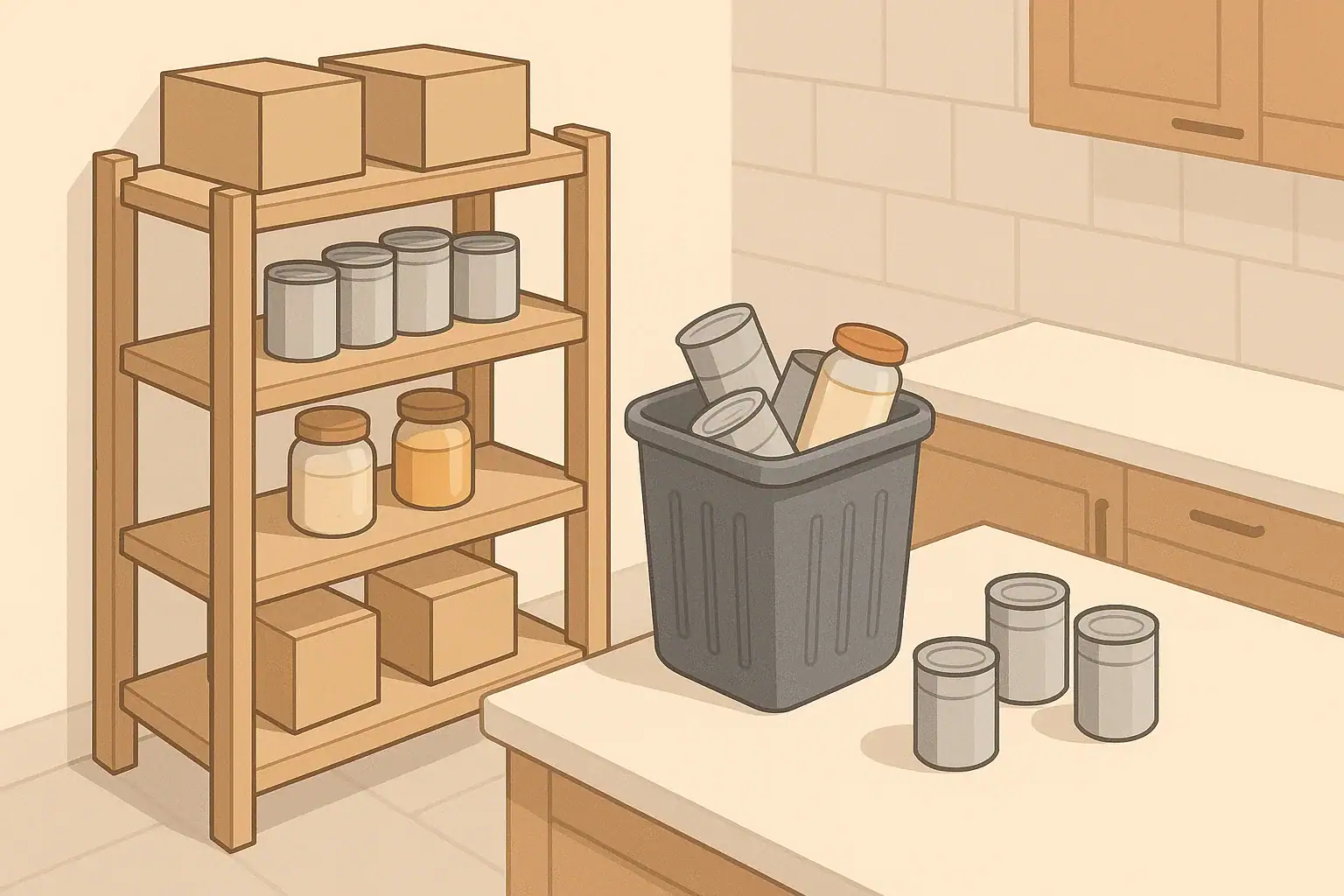
An outage is often a reminder of how dependent we are on refrigeration. A small, thought-out pantry can help you stay comfortable for a day or two without power and reduce how much food you risk losing.
Choosing shelf-stable basics
Pantry foods that do not require refrigeration and can be eaten with minimal cooking are especially useful during power interruptions, including:
- Canned or shelf-stable beans and lentils.
- Canned vegetables and fruits.
- Dry grains such as rice, oats, pasta, and crackers.
- Nut and seed butters in jars.
- Stable plant-based or dairy milk alternatives in shelf-stable cartons.
- Ready-to-eat soups, stews, and chilis.
If you have a small kitchen, even a single shelf or a sturdy storage box dedicated to these items can make a difference.
No-cook and low-cook meal ideas
When power is out, you may be relying on:
- No-cook meals using canned goods and dry foods.
- Simple meals that use only boiling water from a gas stove or small backup heat source, if you use one safely.
Pairing items in advance can make things easier later. For example, keep crackers with canned tuna or beans, and dry fruit near nuts and oats for a simple breakfast.
Example values for illustration.
| Food type | Storage tip | Rotation interval idea | No-cook or low-cook use |
|---|---|---|---|
| Canned beans | Store upright in a cool, dry cabinet | Use and replace every few months | Mix with spices for a simple salad |
| Canned vegetables | Group by type for easy access | Rotate into weekly meals | Serve as a side straight from the can |
| Canned fruit | Choose varieties you eat often | Use oldest cans first | Eat as dessert or snack |
| Dry grains (rice, oats, pasta) | Store in sealed containers | Refill containers as you shop | Cook when heat is available |
| Nut or seed butters | Keep jars in a dark cabinet | Use regularly and restock | Spread on crackers or bread |
| Ready-to-eat soups | Stack by flavor | Incorporate into monthly meals | Eat at room temperature if needed |
Keeping Perspective After an Outage
Losing food to spoilage can feel frustrating, especially when you have worked to stock your kitchen carefully. Treating each outage as a learning experience can help you adjust how you store food, plan meals, and prepare your space so that the next interruption is easier to navigate.
By knowing in advance what to toss, how to document losses, and how to clean up efficiently, you can move through post-outage cleanup with less stress. Over time, small pantry and storage habits add up, leaving your home a little more ready for everyday disruptions without needing complicated gear or extensive space.
Authoritative sources
Safety recommendations can change. Confirm critical details with current official guidance and local authorities.
- US EPA: Emergency Disinfection of Drinking Water
- USDA FSIS: Keep Food Safe During Emergencies
- U.S. CPSC: Battery Safety
Frequently asked questions
How can I quickly decide which refrigerated items to toss after an outage?
If perishable foods have been above 40°F (4°C) for more than two hours, it is safest to discard them. Prioritize tossing raw meat, deli items, dairy, cooked leftovers, egg dishes, and cut produce; when in doubt, throw it out.
Can I refreeze partially thawed meat or seafood after a power outage?
If the meat or seafood still contains ice crystals or feels very cold, it can generally be cooked and refrozen, though quality may decline. If it has fully thawed and was above 40°F for over two hours, you should discard it for safety.
What’s the safest way to clean a refrigerator after removing spoiled food?
Remove shelves and drawers and wash removable parts in warm, soapy water, then wipe all interior surfaces with warm soapy water followed by a mild cleaning solution if needed. Dry thoroughly, ventilate the area, and place an open box of baking soda inside to help absorb lingering odors; wear gloves and dispose of trash promptly.
How should I document food losses for insurance or assistance after an outage?
Before tying trash bags, take clear photos of the contents and visible labels, and keep a written list grouping items by type with rough quantities and estimated costs. Retain utility outage records and receipts and store this documentation with your household paperwork in case you need it for a claim or assistance.
How long will a full or partially full freezer keep food safe during an outage?
A full freezer can typically maintain safe temperatures for about 48 hours if left closed, while a half-full freezer may stay safe for about 24 hours; actual times vary with ambient conditions and door openings. Use the presence of ice crystals or very-cold feel as a practical check for whether items may still be safe to cook or refreeze.
- Simple checklists and realistic planning
- Water, power, lighting, and pantry basics
- Family plans (kids, pets, seniors) and seasonal prep
Affiliate disclosure
As an Amazon Associate, we earn from qualifying purchases. Some links on this site may be affiliate links. If you buy through these links, we may earn a small commission at no extra cost to you. This helps support our content. Learn more.