Why an Emergency Plan for Kids Matters
Short-term emergencies like power outages, winter storms, or local water problems can be unsettling for children, even when adults know they are manageable. A simple, kid-friendly plan helps reduce anxiety, keeps routines familiar, and makes it easier for everyone to act calmly when something unexpected happens. An emergency plan for kids does not need to be complicated or scary. The goal is to:- Give children clear, age-appropriate steps they can remember
- Make home disruptions feel more like a drill than a crisis
- Ensure comfort items are easy to find when kids are tired, cold, or worried
- Support different living situations, including apartments and small spaces
Keep It Simple: The Core Pieces of a Kid-Friendly Plan
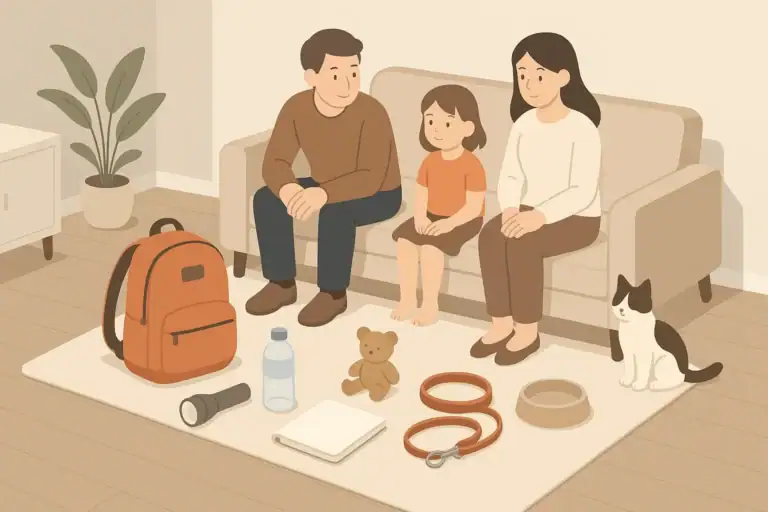
Most families only need a few clear steps that work for several types of disruptions. You can start with three basic questions:- Where do we go? A safe spot in the home or building.
- Who do we listen to? The adult in charge at that moment.
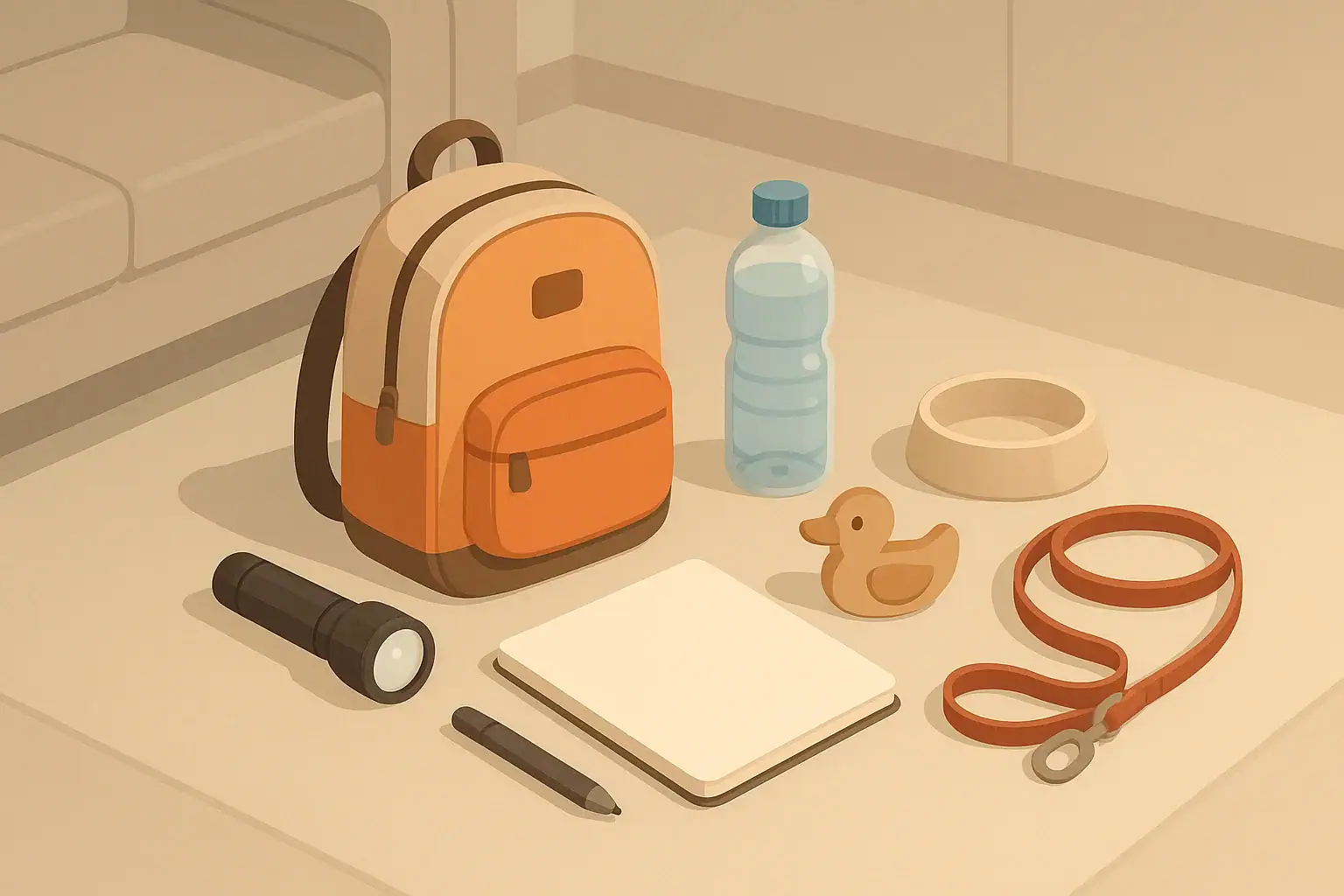
- What do we grab? A small, ready-to-use comfort and essentials kit.
- Power outages: Staying away from candles, knowing where the safe light sources are, and what games or quiet activities are available without electricity.
- Short shelter-in-place periods: Staying indoors during heavy smoke, extreme heat or cold, or neighborhood disruptions.
- Quick evacuations: Knowing which adult they follow and where to meet if the family gets separated nearby.
| Situation | Kid action | Why it matters | Notes for adults |
|---|---|---|---|
| Power outage at home | Find you with their flashlight, sit in agreed room | Prevents wandering in the dark | Store flashlights low and easy to reach |
| Strange loud noise outside | Go to family safe spot inside | Helps kids move toward safety automatically | Choose an interior room or hallway |
| Cannot find an adult at home | Stay inside, call named contact if able | Reduces risk of kids going outside alone | Post contact list near a common phone |
| Need to leave home quickly | Put on shoes, grab comfort bag, follow adult | Speeds up safe exits | Keep shoes and bag near the door or bed |
| Extreme weather warning | Bring comfort item to safe spot | Keeps kids calmer while waiting | Explain warning in simple, calm language |
| Smoke or poor air quality | Stay indoors, keep windows closed | Supports indoor air protection steps | Use one room as main clean-air space |
Creating a Calm Family Safety Routine
Children feel safer when they know what to expect. Turning your emergency plan into a quiet routine makes it easier to follow during a real event.Pick One Safe Spot at Home
Choose one main place where everyone gathers when something confusing or noisy happens. In many homes, this might be:- An interior hallway without windows
- A living room away from large glass doors
- A bedroom that is easy to reach from most other rooms
- Paths that are easy to walk without tripping
- A place to sit or lie down comfortably
- Room for pets to stay close
Use Simple, Repeated Phrases
Agree on one or two sentences that signal the routine. Examples include:- “Lights out, we go to our cozy room.”
- “Time for safe and quiet in our spot.”
Practice as a Short, Low-Stress Game
Once in a while, do a quick run-through that lasts only a few minutes:- Turn off the main room lights for a moment (if safe).
- Have kids find their small flashlight or glow stick.
- Walk together to the safe spot.
- Check that comfort items and blankets are easy to reach.
Comfort Items That Really Help Kids Cope
Comfort items are not just nice extras. They can make long, boring hours in a dark or cold room more manageable, especially for young children. The goal is not to store everything a child owns, but to keep a few familiar things in predictable places.Comfort Items for Power Outages
For a home without electricity, focus on items that do not rely on screens or batteries:- A small stuffed animal or soft toy
- A favorite blanket or pillowcase
- A simple deck of cards or travel-size game
- Coloring pages and crayons or pencils
- A short printed story or booklet for reading aloud
Comfort Items for Short Evacuations
If you ever need to leave quickly for a few hours or overnight, children are more likely to stay calm if they have something familiar to hold and a few basic supplies. Consider a small drawstring bag or lightweight backpack for each child with:- One soft toy that fits in the bag
- A change of clothes, including socks
- A small notepad and pencil
- A simple, non-messy snack (check dates regularly)
- A small comfort object, like a keychain or photo
Comfort for Different Ages
Comfort items change as kids grow:- Toddlers: Soft toys, familiar blanket, simple board books.
- Early elementary: Drawing supplies, cards, short chapter books, small toys.
- Tweens and teens: Notebook, pen, earplugs, playing cards, book or magazine.
Kid-Friendly Essentials: Light, Warmth, and Water
Alongside comfort, kids need basic supplies to stay safe and reasonably comfortable. The focus is on light, warmth, and water that children can use under adult supervision.Safe Lighting for Children
A dark apartment or house can feel very different to a child. Prepare a few safe light sources that are easy for kids to handle:- Small flashlights with simple on/off switches
- Battery-powered lanterns that stand upright on the floor or table
- Clip-on or headlamp-style lights for hands-free movement under supervision
Staying Warm or Cool
Temperature changes can be especially hard on children during outages or weather events. Simple steps include:- Extra layers: sweaters, socks, and hats in one bin where kids can reach them
- A shared pile of blankets or sleeping bags in your safe spot
- In hot weather, light blankets and a shaded room away from direct sun
Kid Access to Water and Simple Snacks
During short-term water disruptions or power outages, children may get thirsty or hungry at odd times. To keep things organized:- Set aside a small, labeled bin or shelf for emergency snacks and water.
- Choose shelf-stable items that kids already like and know how to eat safely.
- Explain that these are “special snacks” for when things are unusual, like the lights going out.
Communication Plans Kids Can Understand
When routines are disrupted, children often worry about where people are and how they will be found. Simple communication steps can make this easier without overwhelming them with details.Who Is in Charge When?
Children should know which adult they listen to in different places:- At home: the parent, guardian, or trusted adult present.
- At school or daycare: teachers or caregivers until a known adult arrives.
- In shared housing or with relatives: the agreed main adult for that location.
Basic Contact Information for Older Kids
For children who can read and use a phone, prepare a simple, written contact card stored in:- Their backpack or school folder
- A wallet or zippered pocket
- A small pouch clipped inside their comfort bag
Meeting Spots Near Home
For older children who walk to school or play nearby, choose one or two easy-to-recognize spots close to home, such as:- A neighbor’s front step (with prior agreement)
- A specific corner near your building entrance
- A lobby area in an apartment complex
Helping Kids Sleep During Disruptions
Sleep can be one of the hardest parts of an emergency, especially when lights, sounds, and temperatures feel unusual. A few small adjustments can make a big difference.Nighttime Power Outages
If the power goes out after dark:- Use a soft, indirect light in the bedroom or safe spot.
- Keep a familiar bedtime routine: wash, change, story, and wind-down time.
- Consider moving mattresses or sleeping bags so everyone is in one room.
Noise, Wind, and Weather
Storms, high winds, or nearby sirens can disrupt sleep. Simple options include:- Soft background sounds, such as gentle conversation or quiet music from a battery-powered source under supervision
- Earplugs for older children who tolerate them safely
- Explaining the sounds in simple terms, like “That noise is just the wind on the windows.”
Including Pets in a Kid-Friendly Plan
Many children worry about pets during emergencies. A basic pet plan helps kids feel that the whole family, including animals, is being looked after.Pet Supplies in the Same Place Every Time
Store a small set of pet items near your kid comfort supplies:- Leash or carrier
- Collapsible or lightweight bowl
- A small bag or container of pet food
- Waste bags or basic cleanup supplies
Kid Tasks for Pet Care
When appropriate, offer very simple tasks that help children feel useful:- Filling the pet’s water bowl under supervision
- Bringing the pet’s blanket or toy to the safe spot
- Sitting quietly with the pet while adults handle other tasks
| Food type | Storage tip | Rotation interval idea | No-cook use for kids |
|---|---|---|---|
| Crackers or dry cereal | Keep in sealed container away from moisture | Check every 1–2 months | Serve as simple snack with water |
| Nut-free or nut-based bars | Store in original box in a cool cabinet | Swap into regular snacks before best-by date | Grab-and-go energy source |
| Shelf-stable milk or alternatives | Keep upright; avoid direct sunlight | Use in normal meals a few times a year | Drink alone or with cereal if safe |
| Canned fruit in juice | Store off the floor; label with purchase month | Use and replace every few months | Serve in a bowl as dessert |
| Applesauce cups or pouches | Group in a clear bin kids can see | Rotate into lunches monthly | Easy, no-utensil snack |
| Instant oatmeal packets | Keep with other breakfast items | Use regularly; restock often | Can be eaten dry in a pinch |
Keeping the Plan Alive Without Creating Worry
An emergency plan for kids works best when it feels like a normal part of home life, not a special topic that creates fear. A few gentle habits can keep your plan up to date:- Review during ordinary moments. Talk about what you would do “if the lights blinked” while you are cooking dinner or folding laundry.
- Update as kids grow. Once a year, let children adjust comfort items, clothing sizes, and snack preferences in their bags.
- Test small pieces. Occasionally practice finding the safe spot in the dark or using only your emergency snacks for an afternoon.
- Keep language calm. Focus on being prepared for “surprises” and “weird days” instead of focusing on worst outcomes.
Frequently asked questions
How can I create a very simple emergency plan for kids, especially toddlers?
Start with three clear elements: a single safe spot, a named adult to listen to, and one short phrase the child can repeat. Keep comfort items in an easy-to-reach bin and practice the routine as a brief, low-stress game so toddlers learn the steps without fear.What should I pack in a child’s comfort bag for a short evacuation?
Choose a lightweight bag with one soft toy, a change of clothes including socks, a small non-messy snack, and a notepad with a pencil. Avoid overpacking so the child can carry it easily, and rotate perishable items into regular use before they expire.How often should we practice or review our emergency plan with children?
Do brief reviews a few times a year and a short practice run every few months, using calm, game-like drills rather than long exercises. Also update comfort items and clothing sizes once a year or whenever a child’s needs change.How do I include pets in a kid-friendly emergency plan?
Keep basic pet supplies—leash or carrier, collapsible bowl, and a small food portion—near the children’s comfort kits so everything is easy to grab at once. Assign very simple, supervised tasks to kids, like bringing the pet’s blanket or filling water under adult guidance.What are safe lighting options for children during a power outage?
Use small flashlights with simple switches, battery-powered lanterns, or clip-on/headlamp-style lights for supervised hands-free use. Teach children never to use candles on their own and store matches and lighters out of reach.Recommended next:
About
ReadyHomePlan
ReadyHomePlan publishes practical home readiness guides for outages and short-term emergencies—power, water, food basics, communication, and family planning—without hype.
- Simple checklists and realistic planning
- Water, power, lighting, and pantry basics
- Family plans (kids, pets, seniors) and seasonal prep
Keep reading