- Staying safe in the first minutes of a blackout
- Keeping food and water safe for a short period
- Managing comfort for heat or cold
- Staying informed and able to communicate
- Caring for kids, pets, and anyone with special needs
Why Every House Needs a Blackout Plan
First Five Minutes: What to Do When the Power Goes Out
The first few minutes shape how smoothly the rest of the outage goes. Your goal is to quickly confirm what is happening and move into your pre-thought-out steps.Step 1: Stay Put and Stay Calm
Most blackouts are not emergencies by themselves. Take a breath, pause, and avoid rushing through a dark house. If you have children, reassure them that power outages are normal and that you have a plan.Step 2: Check Safety and Turn On Safe Lighting
Before moving around, get some safe light.- Use flashlights, headlamps, or battery lanterns instead of candles whenever possible.
- If you must use candles, place them on sturdy, nonflammable surfaces, away from curtains, pets, and children, and never leave them unattended.
- Keep one flashlight in a known, easy-to-reach spot on each floor of your home.
- Turn off hot appliances that were in use, such as stoves or irons.
- Make sure space heaters are off and clear of anything that could burn.
- If someone was in the shower, provide a light to avoid slips.
Step 3: Find Out How Wide the Outage Is
Knowing whether the outage is just your house, your street, or a larger area helps you plan.- Look outside: Are streetlights and neighbors’ homes dark?
- If safe, check your circuit breaker panel for a tripped breaker.
- Use a cell phone (on battery) to check local outage maps or news, if available.
Step 4: Protect Appliances and Electronics
When power returns, there can be brief voltage changes. To protect your devices:- Turn off or unplug sensitive electronics like computers and televisions.
- Leave one light switch on so you know when power returns.
| Task | Why it matters | Notes |
|---|---|---|
| Grab primary flashlight or lantern | Prevents trips and falls in the dark | Store in the same place on each floor |
| Turn off hot appliances | Reduces fire and burn risk | Stove, oven, irons, space heaters, hair tools |
| Check if neighbors also lost power | Helps you guess if outage is local or wider | Look outside before using phone battery |
| Unplug sensitive electronics | Protects against possible power surges | Leave one light on as a power indicator |
| Locate phones and battery packs | Ensures you can call or text if needed | Keep them off or on low-power mode |
| Confirm everyone in the home is okay | Catches any immediate needs or injuries | Include pets, older adults, and infants |
Lighting, Comfort, and Moving Around Safely
Once you are past the first few minutes, your focus shifts to getting through the outage safely and comfortably, especially after dark.Safe Lighting Options for Blackouts
Plan to rely mainly on battery-powered lighting inside your home:- Flashlights and headlamps: Good for walking around and tasks that require focused light.
- Battery or solar lanterns: Better for lighting a whole room or a table.
- String or puck lights on batteries: Can gently light hallways or bathrooms.
Preventing Trips and Falls
Even short outages can increase the chance of falls, especially for older adults and children.- Keep a small flashlight or night light by beds.
- Clear hallways, stairs, and major pathways of clutter before outages happen.
- Use a lantern or headlamp when using stairs.
- Assign kids a “stay put” spot, such as the living room or their bedroom, until lighting is set up.
Staying Comfortable in Hot or Cold Weather
Without power, heating and cooling systems may stop. Planning for temperature comfort helps avoid unnecessary stress.Cold Weather Tips
- Dress in layers, including hats and socks.
- Close doors to unused rooms so body heat is less spread out.
- Use blankets and sleeping bags to trap warmth.
- If you have a safe, properly maintained fireplace or wood stove, follow all safety guidance and keep combustibles away.
Hot Weather Tips
- Close blinds or curtains on the sunny side of the house.
- Open windows if outdoor air is cooler and conditions are safe.
- Use battery-powered fans for spot cooling.
- Drink water regularly and avoid unnecessary physical exertion.
Food, Water, and Safe Kitchen Habits During a Blackout
A well-thought-out blackout plan for houses includes simple steps to keep food safe and maintain basic meals without power.Refrigerator and Freezer Safety
When the power goes out, each opening of the fridge or freezer lets cold air escape. To protect your food:- Keep doors closed as much as possible.
- Group items you might use sooner in one area so you can grab them quickly.
- Use a thermometer (if you have one) to check temperatures once power returns.
Simple No-Cook and Low-Energy Meals
Design a short list of meals that require little or no cooking, and store the ingredients in your pantry. Examples include:- Ready-to-eat canned foods that can be eaten at room temperature
- Nut butters, crackers, and shelf-stable spreads
- Dry cereals, granola, or snack mixes
- Shelf-stable milk or milk alternatives
Water Planning for Short-Term Outages
Power outages sometimes affect water availability or treatment systems, especially in rural or well-based homes. It is reasonable to store some water for short-term disruptions.- A commonly used planning guideline is about one gallon of water per person per day for drinking and basic hygiene, but needs can vary.
- Store water in clean, food-grade containers with tight lids.
- Label containers with the date you filled them and rotate periodically.
Backup Power Basics for Houses
Not every home needs or can support large backup power systems, but understanding your options helps you decide what fits your space, budget, and comfort level.Know Your Priorities Before Buying Anything
Make a short list of what truly matters during a typical outage in your area. For most houses, this might include:- Phone charging
- A modem and router (if your internet provider still has power)
- One or two room lights
- A small fan or a portable heater designed for safe indoor use with appropriate power sources
- Medical or mobility devices, if someone in the household relies on them
Types of Backup Power for Home Use
Common backup options for houses include:- Small battery packs or power banks: Good for phones and small devices; easy to store and charge.
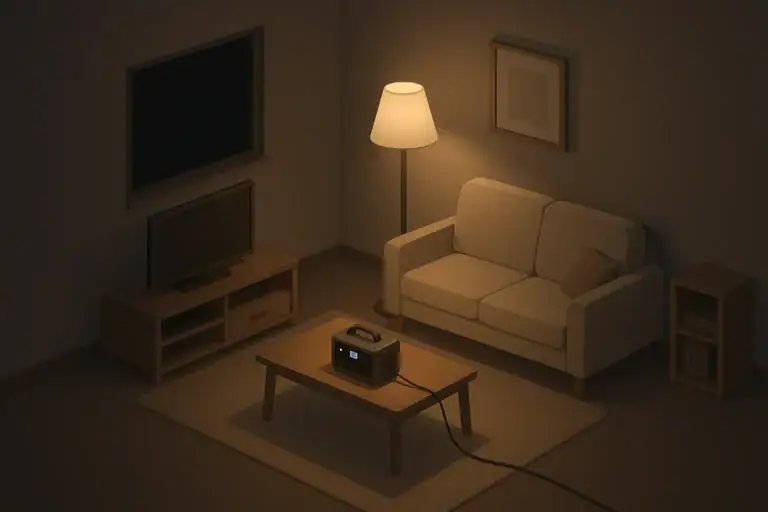
- Larger portable power stations: Can run multiple low-watt devices for several hours; recharge by wall, car, or solar panels.
- Generators: Can power more appliances; require fuel, safe placement outdoors, and proper connection to your home.
Basic Runtime Planning
Runtime depends on the power draw of devices and the size of your backup system. A simple approach is to:- List each device you want to run.
- Estimate its typical power use in watts (often found on a label or manual).
- Plan to run them in shifts rather than all at once.
Communication, Information, and Household Coordination
Staying connected and coordinated makes blackouts much easier, especially for families, roommates, or multigenerational households.Keeping Phones Useful for Longer
Cell towers and internet service may continue working during some blackouts, at least initially. To preserve battery life on your phones:- Switch to low-power mode.
- Reduce screen brightness.
- Limit streaming and video calls.
- Use text messages instead of voice calls when possible.
Staying Informed Without Grid Power
Information about weather, restoration estimates, and local advisories can change quickly. Consider keeping:- A battery-powered or hand-crank radio.
- Printed contact lists for family, neighbors, and local utilities.
- A simple written list of key account numbers or service IDs for your power and water utilities.
Family and Household Communication Plan
Even in everyday outages, it helps to agree in advance on:- Where everyone will gather inside the house during a blackout (for example, the living room).
- Who is responsible for grabbing the blackout kit and lights.
- Who will check on nearby relatives or neighbors, if appropriate.
- How you will communicate if phones are not working (pre-arranged meeting points or check-in times).
Caring for Kids, Pets, and Older Adults
Households often include people and animals with different needs. Planning with them in mind helps everyone feel more secure during an outage.Kids: Comfort, Routine, and Safety
Children may be frightened by darkness, strange sounds, or sudden changes to routine.- Keep a small flashlight or night light specifically for each child.
- Have a few low-tech activities ready: books, card games, drawing supplies, or puzzles.
- Talk ahead of time about what happens in a blackout so it feels familiar, not scary.
- Assign simple “helper” tasks, like holding a light or fetching blankets.
Pets: Food, Water, and Calm Spaces
Pets can react to changes in routine, noise, and lighting.- Store extra pet food and a separate water supply for them.
- Keep leashes, carriers, and any medications in a consistent, known location.
- Provide a quiet, familiar spot with bedding and toys.
Older Adults and People With Mobility or Medical Needs
Some household members may rely on powered medical devices, mobility aids, or temperature control.- Make a list of devices that need electricity (for example, mobility scooters or breathing equipment).
- Talk with healthcare providers about recommended backup options and what to do during outages.
- Store extra batteries for devices that can run on them.
- Check in regularly during the outage to be sure they are comfortable.
| Device type | Typical watts range (example) | Planning notes |
|---|---|---|
| Smartphone charger | 5–20 watts | Low draw; even small power banks can recharge phones multiple times. |
| LED table lamp | 5–15 watts | Choose efficient bulbs to stretch backup power for lighting. |
| Wi‑Fi router and modem | 10–30 watts | May work only if your provider’s network still has power. |
| Small portable fan | 10–40 watts | Run in short intervals for cooling instead of constantly. |
| Laptop computer | 30–90 watts | Use battery-saving settings and dim screen to extend runtime. |
| Compact refrigerator | 50–150 watts while running | Cycles on and off; limit door openings to reduce total energy use. |
| Medical device (small, non-heating) | Varies widely | Check device label and consult a professional for backup planning. |
Building a Simple Written Blackout Plan for Your House
A written blackout plan does not need to be long or complicated. One or two pages kept with your emergency supplies is usually enough.What to Include in Your Plan
- Contact information: Household members, neighbors, local utility, and non-emergency local numbers.
- Blackout kit location: Where to find flashlights, lanterns, batteries, radio, and power banks.
- First five minutes checklist: A brief list similar to the one earlier in this article.
- Device priorities: Which devices to power first if you use backup power.
- Temperature plan: Basic steps for hot and cold weather.
- Special needs: Notes about medications, equipment, and any assistance needed.
Practice and Review
Once or twice a year, walk through your plan with everyone in the household.- Do a brief “lights out” drill for a few minutes in the evening.
- Practice finding the blackout kit in the dark with a small flashlight.
- Check and replace batteries as needed.
- Update phone numbers, equipment lists, and any changes in your household.
Frequently asked questions
How long will food stay safe in my refrigerator and freezer during a blackout?
A refrigerator will generally keep food safe for about 4 hours if the door stays closed. A full freezer can keep food safely frozen for roughly 48 hours (about 24 hours if it is half-full); keeping doors closed and adding block ice can help extend that time. Use a thermometer to confirm temperatures once power is restored and discard perishable items that have been above safe temperatures for extended periods.What should I include in a basic blackout kit for a house?
A basic blackout kit should include reliable flashlights or headlamps, spare batteries, a fully charged power bank, a battery-powered or hand-crank radio, bottled water, nonperishable snacks, a basic first-aid kit, blankets, and copies of important contact information. Store the kit in a known, easy-to-reach spot and review its contents at least once a year.When is it appropriate to use a portable generator and how can I operate it safely?
Use a portable generator when you need temporary power for essential devices and when it is suitable for the generator’s capacity; do not try to run the entire house unless the system is designed for that. Always operate generators outdoors, away from windows, doors, and vents to prevent carbon monoxide poisoning, follow the manufacturer’s instructions, and use a transfer switch or proper inlet if you need to connect to home circuits rather than relying on extension cords.How can I keep phones and internet working longer during an outage?
Keep phones on low-power mode, reduce screen brightness, and limit data-heavy activities; carry at least one charged power bank to recharge devices. For home internet, a small uninterruptible power supply (UPS) or portable power station can keep a modem and router running for several hours if the service provider’s network remains functional.What should I do if someone in my home relies on electrically powered medical equipment?
Identify which devices need power and their runtime requirements, speak with the medical provider about backup options, and arrange battery backups or generator capacity that can safely support those devices. Keep extra supplies and a plan for alternative shelter or relocation if a prolonged outage threatens the person’s health.Recommended next:
- Blackout Plan (Apartment / House): Step-by-Step Checklist for the First 24 Hours
- Blackout Plan for Apartments: What to Do When the Power Goes Out
- Backup Power Basics: Watts vs Watt-Hours and Why It Matters
- How to Estimate Runtime for Your Devices (Without Guessing)
- Load Priorities: What to Power First in an Outage
- Phone Charging Strategy During Outages: Save Power and Charge Smarter
- More in Blackouts & Backup Power →
About
ReadyHomePlan
ReadyHomePlan publishes practical home readiness guides for outages and short-term emergencies—power, water, food basics, communication, and family planning—without hype.
- Simple checklists and realistic planning
- Water, power, lighting, and pantry basics
- Family plans (kids, pets, seniors) and seasonal prep
Backup Power Costs Explained: One-Time Gear vs Ongoing Fuel and Batteries
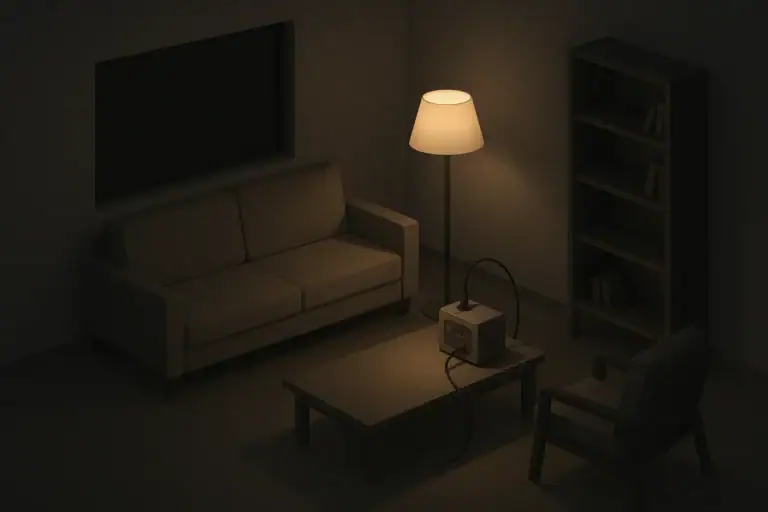
Backup Power Maintenance: Monthly Checks and Seasonal Prep
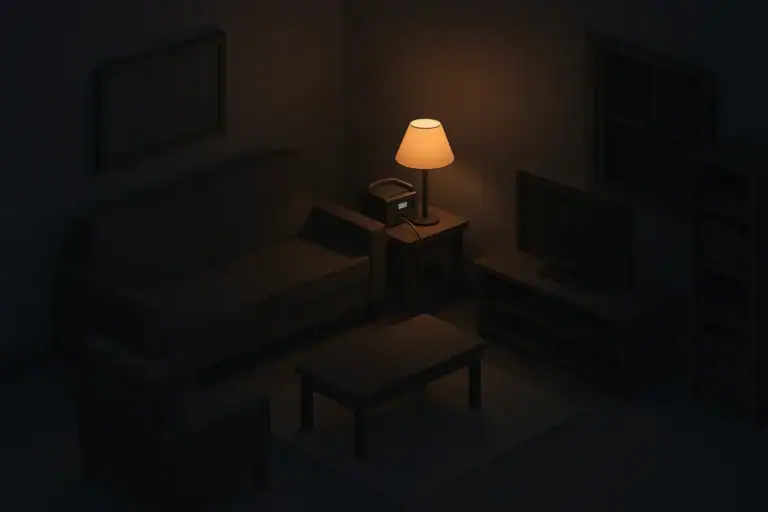
Lighting Strategy for Outages: Zone Your Home for Safety and Comfort
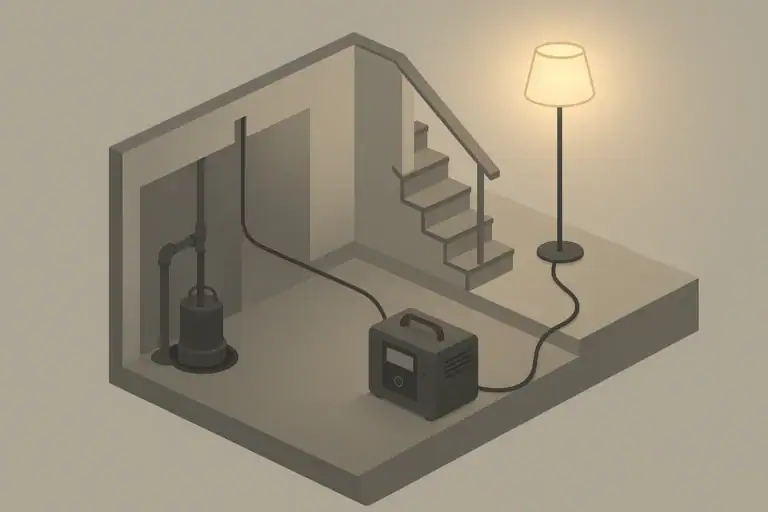
Sump Pump Backup Options: Planning for Basement Flood Risk
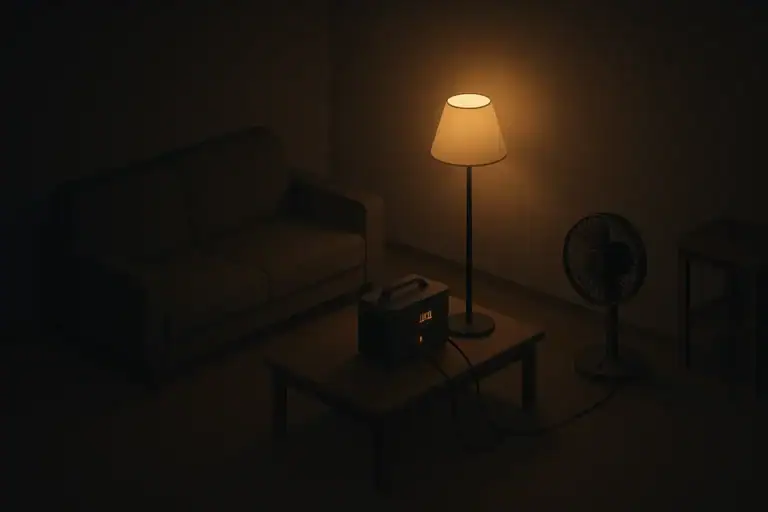
Water and Power: What Stops Working in Most Homes During Outages
Can You Run a Microwave, Kettle, or Space Heater on Backup Power? Reality Check
Keep reading