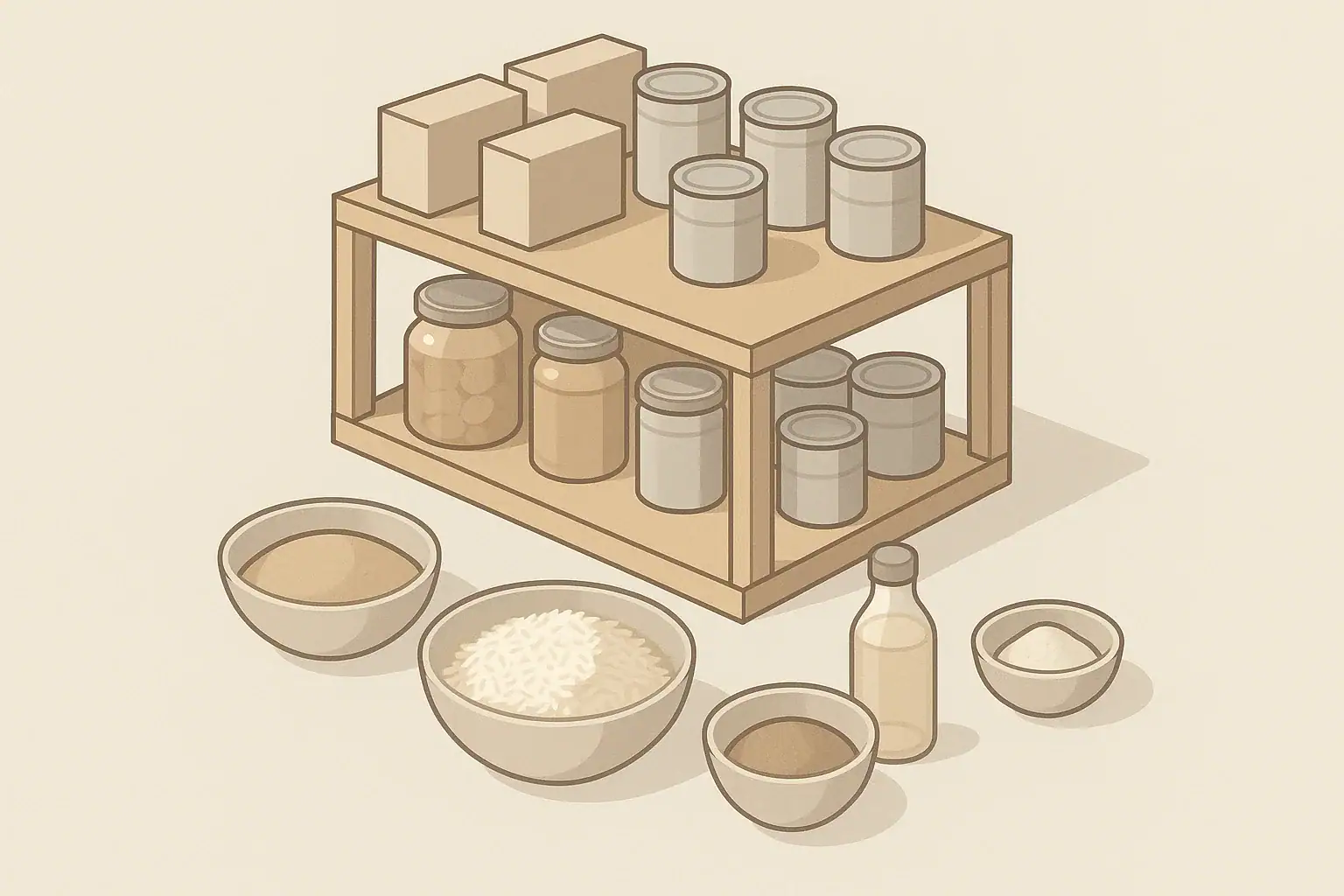
Why a Gluten-Free Emergency Pantry Matters
Short-term emergencies like winter storms, hurricanes, or infrastructure failures can make it hard to shop or cook normally for a few days. For households that avoid gluten, it helps to think through emergency pantry basics before they are needed.
A gluten-free emergency pantry does not have to be large, expensive, or complicated. The goal is simple:
- Have enough safe, shelf-stable food for several days.
- Choose items you already eat and know how to use.
- Avoid overbuying foods that will sit unused and expire.
This guide focuses on practical, everyday planning for U.S. households, including apartments and small spaces. It assumes normal grocery access most of the time, and short disruptions that last days rather than months.
Planning How Much Gluten-Free Food You Really Need
Planning quantities first can help you avoid buying bags and boxes that never get eaten. Many households aim for roughly three to seven days of food that can be prepared with minimal equipment. Some prefer a bit more, but the key is to match storage to your space, budget, and routine.
Step 1: Choose a Timeframe
Pick a realistic goal based on your situation:
- 3 days: Common starting point for storms or brief outages.
- 5–7 days: Helpful in areas with frequent extreme weather or slower restocking.
For many people, three days of clearly planned, gluten-free meals is an achievable first target.
Step 2: Think in Meals, Not Just Calories
Instead of buying random shelf-stable items, plan simple meals you would actually eat. For example, a one-day outline for one adult might look like this:
- Breakfast: Instant gluten-free oatmeal with peanut butter.
- Lunch: Canned beans and corn over rice, with salsa.
- Dinner: Canned soup labeled gluten-free, plus crackers labeled gluten-free and a piece of fruit.
Once you have one day of meals, multiply ingredients to cover your chosen timeframe and household size. Adjust for children, older adults, and anyone with higher or lower energy needs.
Step 3: Factor in Limited Cooking
In some emergencies, you may have a working stove. In others, you may only have a camping-style stove, a small backup power source, or no heat at all. Plan for both situations:
- Include no-cook options that can be eaten straight from the package or with cold water.
- Include low-fuel options that cook quickly, like instant rice or quick oats.
Example values for illustration.
| Planning task | Why it matters | Notes |
|---|---|---|
| Decide on days of coverage | Avoids random overbuying | Many households start with 3–7 days |
| List simple gluten-free meals | Ensures foods actually work together | Plan 2–3 easy options per meal |
| Count servings per person | Helps size cans, bags, and boxes | Include children and older adults |
| Add no-cook options | Covers power or fuel interruptions | Ready-to-eat items reduce stress |
| Check storage space limits | Prevents clutter and waste | Use shelves, under-bed bins, or closets |
| Set a rotation reminder | Keeps food fresh and familiar | Calendar reminder every few months |
Gluten-Free Shelf-Stable Staples to Consider
Gluten can appear in obvious foods like regular bread and pasta, but also in less obvious places through flavorings, thickeners, and cross-contact. Labels and manufacturer information are essential in everyday shopping, and the same applies to your emergency pantry.
The lists below are examples of categories many gluten-avoiding households use. Always check labels and ingredient lists for your own dietary needs.
Base Foods: Grains and Starches
These form the foundation for many simple meals and help you feel satisfied:
- Plain rice (white, brown, or blends labeled gluten-free).
- Instant rice or heat-and-eat rice pouches for quicker cooking.
- Gluten-free oats labeled as such, for those who tolerate oats.
- Gluten-free pasta made from rice, corn, quinoa, or legumes.
- Gluten-free corn products such as plain corn grits or polenta.
- Gluten-free crackers or crispbreads labeled gluten-free.
- Gluten-free tortillas that are shelf-stable.
Protein Sources That Store Well
Protein helps meals feel balanced, especially when schedules are disrupted.
- Canned beans (black, pinto, chickpeas, etc.).
- Canned lentils or other legumes.
- Canned meat or fish, such as tuna, salmon, chicken, or others labeled gluten-free.
- Nut and seed butters (peanut, almond, sunflower), checking for gluten-containing additives.
- Gluten-free protein bars or snack bars labeled gluten-free.
- Gluten-free shelf-stable tofu or similar items if available and tolerated.
Fruits, Vegetables, and Shelf-Stable Extras
Produce can still be part of an emergency pantry through canned, dried, or shelf-stable forms.
- Canned vegetables, including tomatoes, corn, green beans, and mixed vegetables.
- Canned fruit in juice or water.
- Applesauce cups or pouches.
- Dried fruit such as raisins, apricots, or cranberries (check for gluten-containing coatings or additives).
- Potatoes in forms like canned potatoes or instant mashed potatoes labeled gluten-free.
- Gluten-free soups and chilis with clear labeling.
- Gluten-free broth or stock for flavoring rice and soups.
Flavor, Fats, and Comfort Foods
Seasonings and small comforts can make emergency meals feel more normal.
- Cooking oils such as olive, canola, or other vegetable oils.
- Simple spices and herbs like salt, pepper, garlic powder, and dried mixed herbs.
- Gluten-free salsa, tomato sauce, or curry sauce with labeling checked.
- Shelf-stable nondairy milk or lactose-free milk in cartons labeled gluten-free if needed.
- Gluten-free hot cocoa mix or instant drink mixes with checked labels.
- Gluten-free cookies or snack foods in modest quantities for morale.
Building Simple, Gluten-Free Emergency Meals
Once you have a sense of the foods you like, the next step is combining them into simple meals that work even when routines are disrupted. Clear meal ideas reduce decision fatigue when the power is out or everyone is tired.
No-Cook and Low-Prep Ideas
No-cook options are especially useful in apartment buildings or places where open-flame cooking may not be allowed indoors. Keep a mix of items that can be eaten straight from the package or with minimal prep.
- Beans and crackers: Canned beans rinsed or straight from the can, eaten with gluten-free crackers and salsa.
- Tuna salad bowls: Canned tuna, mayonnaise packets, pickle relish (if desired), served over gluten-free crackers or plain rice cakes.
- Nut butter and fruit: Nut or seed butter on gluten-free crackers, with canned fruit or applesauce.
- Snack plate: Gluten-free snack bars, dried fruit, nuts or seeds, and canned vegetables like carrots or green beans.
Quick-Cook Meals Using Minimal Fuel
If you have access to a gas stove, small camping stove used safely, or backup power that can support a hot plate, you can plan meals that cook in 10–20 minutes or less.
- Rice and beans bowl: Cook instant or regular rice, top with canned beans, canned corn, and salsa.
- Gluten-free pasta and sauce: Boil gluten-free pasta, toss with canned tomato sauce and canned vegetables or canned meat.
- Oatmeal variations: Gluten-free oats with nut butter, dried fruit, and shelf-stable milk or water.
- Simple soup: Heat gluten-free canned soup, stretch it with extra canned vegetables and rice or instant potatoes.
Planning for Children, Older Adults, and Special Needs
Some household members may have additional requirements beyond gluten avoidance, such as limited chewing, sensory preferences, or other dietary restrictions.
- Choose milder flavors and softer textures for young children and older adults.
- Include a few familiar favorites for each person, such as a specific gluten-free cereal or snack.
- Store any specialized formulas or medical nutrition products according to their instructions, with attention to expiration dates.
Label Reading and Cross-Contact in an Emergency Pantry
Gluten-free emergency foods are only helpful if they are actually safe for the people who eat them. Everyday label habits still apply during preparedness planning.
Reading Labels Before You Store
When stocking your pantry, read labels just as you would for regular shopping:
- Look for any gluten-containing grains in the ingredient list, such as wheat, barley, and rye.
- Check for sauces, flavorings, or thickeners that may contain gluten.
- Note any allergen statements relevant to your household.
- For oats and oat products, confirm they are labeled gluten-free if needed.
Cross-Contact and Shared Storage
If some members of the household eat gluten and others do not, plan storage to reduce the chance of mixing foods.
- Use separate bins or shelves for clearly gluten-free emergency items.
- Store open items (like big bags of snacks) in sealed containers with lids.
- Label containers with marker or color-coding to distinguish gluten-free foods.
Re-checking Labels Over Time
Product formulations can change. When you rotate foods from your emergency pantry into daily use, it can be helpful to review labels again if you are sensitive to gluten or other ingredients.
Storing and Rotating a Gluten-Free Emergency Pantry
Overbuying often happens when food gets pushed to the back of a cabinet and forgotten. A simple storage and rotation system helps you maintain a modest, reliable supply without waste.
Finding Space in Small Homes and Apartments
You do not need a large pantry or basement to be reasonably prepared.
- Cupboards and closets: Use higher shelves for lighter items, lower shelves for heavier cans.
- Under-bed storage: Place stable, non-glass items in bins under beds.
- Hallway or coat closets: Add a small shelf or stackable bins for emergency-only items.
Simple Rotation: First In, First Out
Rotation keeps your gluten-free pantry familiar and reduces expired food.
- Place new purchases at the back and bring older items to the front.
- Mark boxes or lids with a purchase month using a marker for quick reference.
- Set a recurring reminder every few months to check dates and use up items nearing their best-by date in regular meals.
Temperature, Light, and Moisture
Food tends to keep better when stored:
- In a cool, dry place away from direct heat sources.
- Protected from pests in sealed containers or sturdy packaging.
- Out of direct sunlight, especially oils and light-sensitive items.
Example values for illustration.
| Food type | Storage tip | Rotation interval idea | No-cook or low-cook use |
|---|---|---|---|
| Rice and gluten-free grains | Keep in airtight containers | Check every 6–12 months | Pre-cook and store cold for rice salads |
| Canned beans and lentils | Store upright in a cool cupboard | Use and replace a few cans monthly | Drain and mix with salsa for a salad |
| Canned meat or fish | Rotate between front and back of shelf | Check dates twice a year | Mix with mayonnaise packets for salad |
| Nut and seed butters | Keep tightly sealed, away from heat | Work into weekly breakfasts | Spread on gluten-free crackers or fruit |
| Canned fruit and vegetables | Avoid stacking too high to reduce dents | Use older cans in regular meals first | Serve chilled or at room temperature |
| Gluten-free crackers and snacks | Seal bags inside rigid containers | Rotate into school or work snacks | Pair with nut butter or canned beans |
| Gluten-free oats and cereals | Keep dry and closed between uses | Review dates with each grocery cycle | Use for instant hot cereal with hot water |
Putting It All Together Without Overbuying
A practical gluten-free emergency pantry can stay small, simple, and affordable. A helpful approach is to build gradually:
- Pick a three-day meal plan and buy only what you need for that plan.
- Add one or two emergency-friendly gluten-free items to normal grocery trips.
- Use and replace items regularly so your emergency foods match what you actually enjoy.
By focusing on realistic meal planning, careful label reading, and gentle rotation, you can create a gluten-free pantry that supports your household through short-term disruptions without turning closets into storage rooms or letting food go to waste.
Related guides: 14-Day Pantry Plan: What to Add After Your 7-Day Basics · One-Person Emergency Pantry: Simple Quantities Without Overbuying.
Authoritative sources
Safety recommendations can change. Confirm critical details with current official guidance and local authorities.
Frequently asked questions
How much gluten-free food should I store per person for a three-day emergency?
Plan for three full days of meals and snacks per person: three breakfasts, three lunches, three dinners, plus a few snacks and beverages. A practical approach is to list one day’s worth of meals you already eat, then multiply by three and adjust for children or older adults; include a mix of grains, proteins, fruits, and snack items. Aim for compact, familiar portions so you avoid overbuying items that won’t be used.
How can I confirm canned soups, sauces, or broths are safe for a gluten-free emergency pantry?
Always read the ingredient list and look for obvious gluten-containing grains (wheat, barley, rye) and for thickeners or flavorings that may include gluten. Check allergen statements and any “gluten-free” labeling when present, and re-check labels when rotating products into regular use if you are sensitive. If an ingredient list is unclear, treat the product as unsafe or contact the manufacturer for clarification before storing it as emergency food.
What are the simplest ways to avoid cross-contact in a shared pantry during an emergency?
Keep clearly gluten-free emergency items on a dedicated shelf or in separate labeled bins, and store open products in sealed containers to prevent crumbs or spills. Use color-coded labels or markers to identify gluten-free containers, and reserve separate utensils for handling gluten-free items when possible. These steps reduce the risk of accidental contamination in busy or stressful situations.
Which no-cook, shelf-stable gluten-free foods provide the most energy and protein when cooking is limited?
Calorie- and protein-dense, shelf-stable options include nut and seed butters, canned tuna or salmon, canned beans, nuts and seeds, and gluten-free protein or meal bars. Shelf-stable milk alternatives and dried fruit add calories and nutrients while being easy to store and eat without cooking. Choose items you know your household will eat to reduce waste and maintain energy during an emergency.
How often should I check and rotate items in a gluten-free emergency pantry?
Set a recurring reminder every 3–6 months to check expiration or best-by dates and to rotate older items into regular meal plans. Use a first-in, first-out system by placing new purchases at the back and older items at the front, and mark purchase months on containers for quick reference. Regular, small rotations keep your emergency food familiar and reduce the chance of waste.
- Simple checklists and realistic planning
- Water, power, lighting, and pantry basics
- Family plans (kids, pets, seniors) and seasonal prep
Affiliate disclosure
As an Amazon Associate, we earn from qualifying purchases. Some links on this site may be affiliate links. If you buy through these links, we may earn a small commission at no extra cost to you. This helps support our content. Learn more.