Why an Emergency Cleanup PPE Kit Belongs in Every Home
Emergency cleanup at home does not only follow major disasters. It can be as ordinary as a broken glass jar, a leaking trash bag, a minor plumbing backup, or cleaning up after a small roof or window leak. In all of these situations, having basic personal protective equipment (PPE) ready makes cleanup faster, safer, and less stressful.
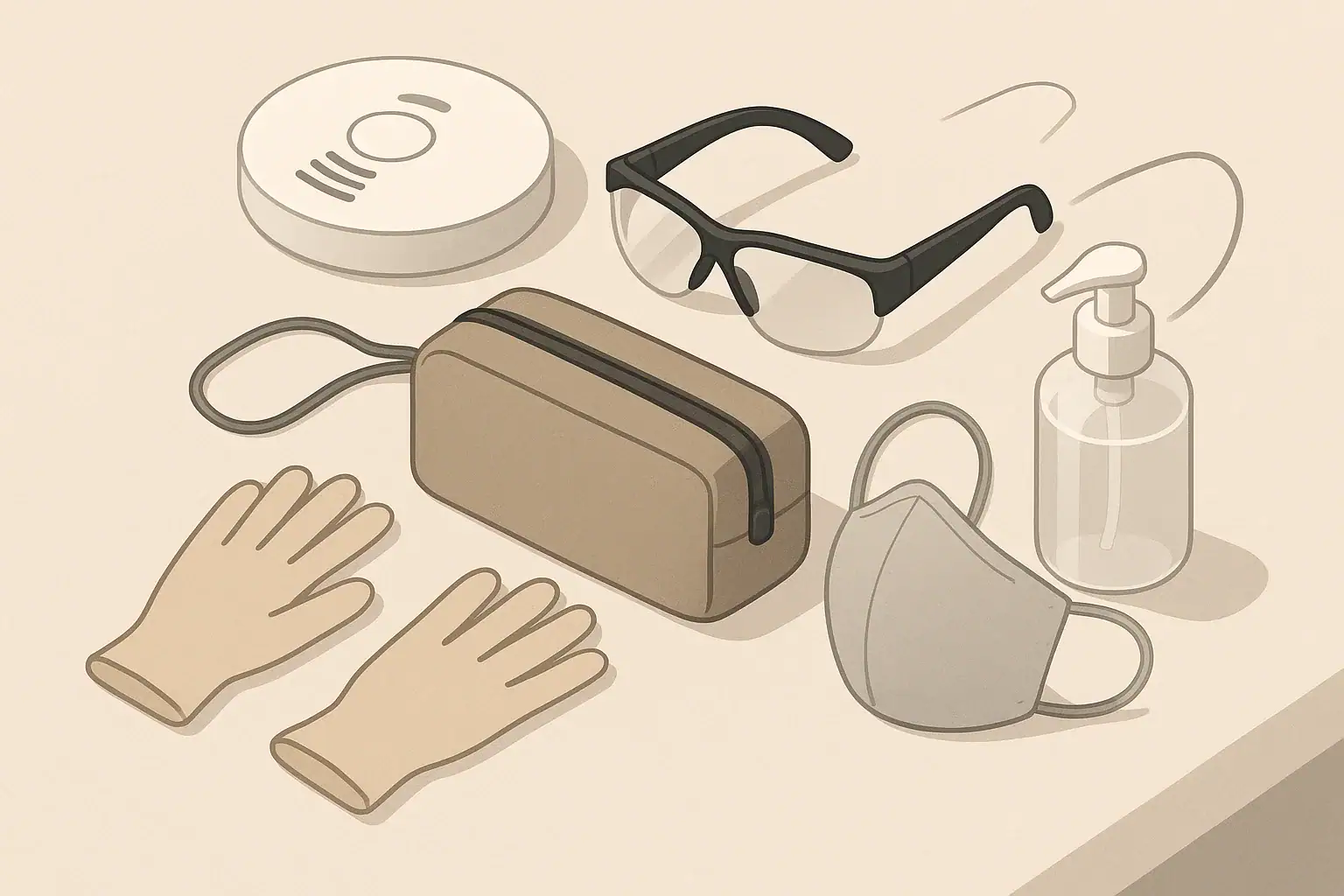
An emergency cleanup PPE kit is a simple collection of items that protects your hands, eyes, and breathing, and helps you contain and dispose of debris and waste. It fits easily in a closet, under a bed, or in a utility cabinet, and can be adapted for apartments, single-family homes, and shared spaces.
Unlike specialized professional equipment, a home PPE kit focuses on common household hazards such as:
- Sharp debris (broken glass, splintered wood, ceramics)
- Dirty water from minor leaks or overflows
- Dust and fine particles during cleanup
- Household trash that has spilled or torn
Planning this kit ahead of time is part of calm, everyday readiness—similar to having a flashlight and extra batteries. You may rarely need it, but when you do, you will be able to clean up more confidently and protect yourself and your family.
Core Components: Gloves, Masks, Eye Protection, and Trash Bags
A practical emergency cleanup PPE kit starts with four core categories: hand protection, basic respiratory protection, eye protection, and sturdy trash bags. From there, you can add a few simple extras depending on your home and region.
Gloves: First Line of Defense for Your Hands
Gloves protect against cuts, grime, and contact with dirty water or household waste. Keeping a small variety ready covers most home situations.
Common options include:
- Disposable gloves: Thin gloves are useful for light, short cleanup tasks or when you want to avoid direct contact with dirty surfaces.
- Heavy-duty reusable gloves: Thicker gloves, often used for household cleaning, help when handling damp items, wiping up spills, or dealing with trash.
- Work or utility gloves: More rugged gloves help when handling sharp debris like broken branches, tiles, or glass wrapped in other materials.
Store gloves in a dry, easily accessible container. If you live with multiple people, keep more than one pair and a mix of sizes so others can safely help with cleanup.
Masks: Basic Protection from Dust and Particles
Home emergencies can stir up dust from damaged drywall, insulation, or stored items. Simple masks can help reduce breathing in nuisance dust during short cleanup tasks, especially if you are sweeping, bagging debris, or moving boxes that have been sitting for a long time.
For a home PPE kit, consider:
- Disposable dust masks: Lightweight, basic masks intended for general dust can be useful when sweeping or sorting through dusty areas.
- Snug-fitting masks with head straps: These may stay in place better during more active cleanup than loose, ear-loop styles.
Store masks in a clean, dry bag or container to keep them ready. Keep in mind that simple masks are not designed for all hazards. If you face smoke, strong fumes, or unknown substances, the priority is usually to move to fresh air and seek guidance rather than relying on basic home masks.
Eye Protection: Preventing Splashes and Flying Debris
Eye protection is easy to forget until something splashes or a small fragment flies toward your face. Safety glasses or goggles in your kit can help during tasks like:
- Sweeping up broken glass or ceramics
- Removing wet ceiling material or damaged insulation
- Cleaning up after a minor plumbing overflow
Choose eye protection that covers the front and sides of your eyes reasonably well and feels secure but comfortable. Storing them in a soft pouch or case helps prevent scratches so they are clear when you need them.
Trash Bags: Containment and Disposal
Sturdy trash bags are essential for separating and containing waste during emergency cleanup. They help keep debris out of walkways, limit odors, and make it easier to move waste to your regular trash area.
For a home PPE kit, include:
- Heavy-duty bags: Thicker bags for sharp or wet debris, such as small pieces of broken furniture or soaked materials.
- Standard household bags: Everyday-size bags for lighter items and general trash.
- Smaller bags or liners: Useful for bathroom waste, pet waste, or separating different types of debris.
If possible, store bags rolled or folded in a way that lets you quickly grab just one or two without unraveling an entire box.
Example values for illustration.
| Item | Why it matters | Notes |
|---|---|---|
| Disposable gloves (multiple pairs) | Quick protection from dirty surfaces | Include a range of sizes if multiple people help |
| Heavy-duty reusable gloves | Better for wet or rough cleanup tasks | Rinse, dry, and reuse as appropriate |
| Basic dust masks | Helps reduce nuisance dust during sweeping | Store in a clean bag to keep them ready |
| Safety glasses or goggles | Helps shield eyes from splashes and debris | Keep in a case or pouch to avoid scratches |
| Heavy-duty trash bags | Contain sharp or wet debris more securely | Plan a small number per typical cleanup |
| Standard household trash bags | Everyday waste and lighter debris | Useful as liners inside stronger bags |
| Small bags or liners | Separate specific waste (e.g., bathroom, pet) | Keep a roll in bathrooms and near litter areas |
Supporting Items: Simple Additions That Make Cleanup Easier
Once the basic PPE is in place, a few small additions can make emergency cleanup more organized and sanitary. These are especially useful for families, pet owners, and anyone in small spaces where messes spread quickly.
Hand Hygiene Supplies
After wearing gloves and handling dirty items, it is helpful to clean your hands as soon as possible. Consider adding:
- Hand soap: A simple bar or small bottle stored near your kit.
- Hand sanitizer: Useful if water is temporarily unavailable or you are away from a sink.
- Paper towels or clean cloths: For drying hands or wiping surfaces.
Keep liquids in leak-resistant containers or sealed bags, especially if your kit is stored in a closet or under a bed.
Basic Cleanup Tools
Your PPE kit pairs well with a small set of cleanup tools that you probably already own. Keeping them together or nearby can save time during an emergency.
- Small broom and dustpan: For broken glass and dry debris.
- Absorbent materials: Such as old towels or rags designated for spills.
- Disposable wipes or cleaning cloths: For quick surface cleaning.
- Simple bucket: For carrying supplies or holding wet items.
If space is tight, consider compact or folding versions of these tools and store them in a closet, under a sink, or on a shelf near your PPE kit.
Labeling and Instructions
A clearly labeled kit makes it easy for any household member to grab the right items quickly. Simple steps include:
- Using a solid-colored bin or bag and labeling it on the outside.
- Placing a short written checklist on top of the items.
- Storing the kit in a consistent, central location known to everyone.
If you live in a shared building, you may also want a small note on how to reach building management or maintenance in case a cleanup issue goes beyond your home (such as a leak from another unit).
Adapting Your PPE Kit to Different Homes and Situations
No two homes are the same. A realistic emergency cleanup PPE kit reflects your space, climate, and who lives with you. You do not need an extensive inventory; small, thoughtful adjustments can dramatically improve comfort and safety during cleanup.
Apartments and Small Spaces
In apartments, storage space is limited, and cleanup issues can involve shared areas such as hallways or laundry rooms. To adapt your kit:
- Choose a compact container that fits in a closet, under a bed, or on a shelf.
- Favor multi-use items, such as gloves suitable for both cleaning and light repairs.
- Include a small roll of heavy-duty trash bags for sudden leaks or broken items in common areas.
- Keep a basic mask and small glove pack in an easy-to-grab spot near the door.
Because building plumbing and ventilation are shared, note your building’s emergency contact information and any posted cleanup guidelines for common spaces.
Houses and Garages
Single-family homes may face different cleanup scenarios, such as small branches after a storm, minor roof leaks, or garage clutter. In these settings:
- Store one kit inside the home and a smaller backup in the garage or utility room.
- Add a pair of work gloves for outdoor debris.
- Keep extra heavy-duty trash bags for yard waste and damaged items.
- Consider a simple dust mask supply in the garage for sweeping or light cleanup there.
If your region experiences seasonal storms, it can be useful to review your kit before each storm season to confirm everything is dry, intact, and in the right place.
Families with Kids, Pets, or Seniors
Households with children, pets, or older adults may face more frequent minor messes and may need to limit access to certain supplies.
- For kids: Store the kit out of reach but make sure adults and older teens know where it is. Talk about staying away from broken glass or spills until an adult arrives.
- For pets: Include extra small bags for pet waste and a designated rag or towel for pet-related spills.
- For seniors: Prioritize easy-to-open containers, clear labeling, and gloves that are simple to put on and remove.
In all cases, encourage everyone to alert an adult at the first sign of leaks, broken items, or strong odors, so cleanup can start with the right protection.
Weather-Related Cleanup Scenarios
Short-term weather events can create minor home cleanup needs without rising to a major disaster level. Examples include:
- Winter storms: Melting snow brought in on boots, small roof or window leaks, and wet entryways.
- Heavy rain or hurricanes (away from immediate danger zones): Damp boxes in storage areas, light debris around entrances, and small indoor leaks.
- Heatwaves: Less debris, but sometimes spills or leaks from overworked appliances.
- Wildfire smoke in nearby regions: Dusty surfaces and fine particles near doors and windows, even if the immediate area is not evacuated.
Your PPE kit can help you manage these small but disruptive issues calmly, especially when combined with basic tools like towels, a mop, and storage bins to keep items off the floor.
Safe Use, Storage, and Simple Maintenance
A PPE kit is only helpful if items are clean, in good condition, and used sensibly. A few routine habits keep your kit reliable year-round.
Putting PPE On and Taking It Off
Using PPE correctly reduces the chance of spreading dirt or debris during cleanup. General tips include:
- Put on eye protection and mask (if needed) before gloves, so you are not adjusting them with dirty hands later.
- Check gloves for obvious holes or tears before starting.
- Avoid touching your face, eyes, or mask front while wearing gloves.
- Remove gloves by peeling them off from the wrist, turning them inside out as you go, and dispose of single-use gloves in a trash bag.
- Wash or sanitize your hands after removing PPE.
With children or older adults, it can help to practice putting on and removing basic PPE during calm moments, so it feels familiar during a real cleanup.
Storing PPE to Keep It Ready
Good storage protects your kit from moisture, dust, and accidental damage. Consider:
- Keeping everything in a sealed bin, sturdy bag, or latching box.
- Placing the kit in a cool, dry spot away from direct sunlight and heat sources.
- Using smaller inner bags to group items (for example, all gloves together).
If you live in a very humid climate, you may want to check your kit a bit more often to be sure items are dry and usable.
Simple Replacement and Rotation
Most items in a home PPE kit last a long time when stored properly, but they still benefit from occasional checks. A simple maintenance routine can be:
- Look through the kit about once or twice a year, perhaps when you test smoke alarms or review other home plans.
- Replace torn gloves, flattened masks, or damaged eye protection.
- Restock trash bags if you have used some for everyday needs.
- Refresh hand sanitizer or wipes if they have dried out or leaked.
These quick check-ins keep your kit aligned with your household’s current size, pets, and any changing needs.
Example values for illustration.
| Need | Simple supplies | Safe use note | Disposal idea |
|---|---|---|---|
| Hand cleaning after gloves | Hand soap, water, paper towels | Wash thoroughly, including between fingers | Bag used towels with regular household trash |
| Small liquid spills | Old towels or rags, bucket | Wear gloves, avoid splashing into eyes | Place very wet rags in a bag before trashing |
| Dusty surfaces after events | Damp cloths or wipes, mask | Wipe gently to keep dust from becoming airborne | Dispose of used wipes in tied trash bags |
| Bathroom-related cleanup | Gloves, small bags, paper towels | Avoid touching face; wash hands after | Double-bag and tie firmly before discarding |
| Pet-related messes | Gloves, small liners, designated cloth | Keep pets away from the area during cleanup | Seal waste in small bags and place in main trash |
| Minor debris from outdoors | Work gloves, broom, heavy-duty bags | Lift with legs, not back, for heavy items | Follow local rules for yard or bulk waste |
Making Emergency Cleanup PPE Part of Everyday Readiness
Building an emergency cleanup PPE kit is a straightforward step toward practical home readiness. By assembling gloves, masks, eye protection, and trash bags—along with a few hygiene and cleanup tools—you create a small buffer between everyday life and unexpected messes.
Whether you live in an apartment or a house, with roommates, family, kids, pets, or older adults, the same principles apply: keep the kit simple, clearly labeled, easy to reach, and checked from time to time. Paired with other basic plans for lighting, water, and communication, a cleanup PPE kit helps you face minor emergencies calmly and safely.
Authoritative sources
Safety recommendations can change. Confirm critical details with current official guidance and local authorities.
- U.S. CPSC: Battery Safety
- CDC: Guidelines for Cleaning Safely After a Disaster
- Ready.gov: Preparedness Tips for People with Disabilities
Frequently asked questions
What items should I include in a basic emergency cleanup PPE kit for a small leak or spill?
Include disposable gloves, a pair of heavy-duty reusable gloves, basic dust masks, safety glasses or goggles, and several sizes of sturdy trash bags. Add a small broom and dustpan, absorbent towels or rags, hand sanitizer or soap, and a bucket to carry supplies. Store items in a labeled, dry container for quick access.
How often should I inspect and replace items in my emergency cleanup PPE kit?
Check your kit about once or twice a year and after any use. Replace torn gloves, damaged eye protection, flattened or dirty masks, and expired hand sanitizer or wipes. Restock trash bags and any single-use items after they are used.
Are common disposable dust masks adequate for wildfire smoke or chemical fumes?
No; common disposable dust masks are designed for nuisance dust and do not reliably filter wildfire smoke or chemical fumes. For smoke, a properly fitted N95 or higher-rated respirator provides better filtration, but evacuation or moving to fresh air is usually the safer option when smoke or strong fumes are present. If you suspect exposure to hazardous chemicals, follow official guidance and seek professional advice.
What is the safest way to remove and dispose of contaminated gloves after cleanup?
Remove gloves by peeling them off from the wrist and turning them inside out to contain contaminants, avoiding contact with the glove exterior. Place used disposable gloves in a heavy-duty trash bag and seal it, then wash or sanitize your hands thoroughly. If reusable gloves were used, rinse and dry them before storing or laundering according to the manufacturer’s guidance.
How can I adapt an emergency cleanup PPE kit for homes with children, pets, or older adults?
Store the kit out of reach of children but in a clearly labeled, accessible location for adults; use easy-open containers for seniors. Include extra small bags for pet waste, a designated towel or rag for pet spills, and gloves in multiple sizes to accommodate helpers. Regularly review the kit with household members so everyone knows where it is and how to use the basic items.
- Simple checklists and realistic planning
- Water, power, lighting, and pantry basics
- Family plans (kids, pets, seniors) and seasonal prep
Affiliate disclosure
As an Amazon Associate, we earn from qualifying purchases. Some links on this site may be affiliate links. If you buy through these links, we may earn a small commission at no extra cost to you. This helps support our content. Learn more.