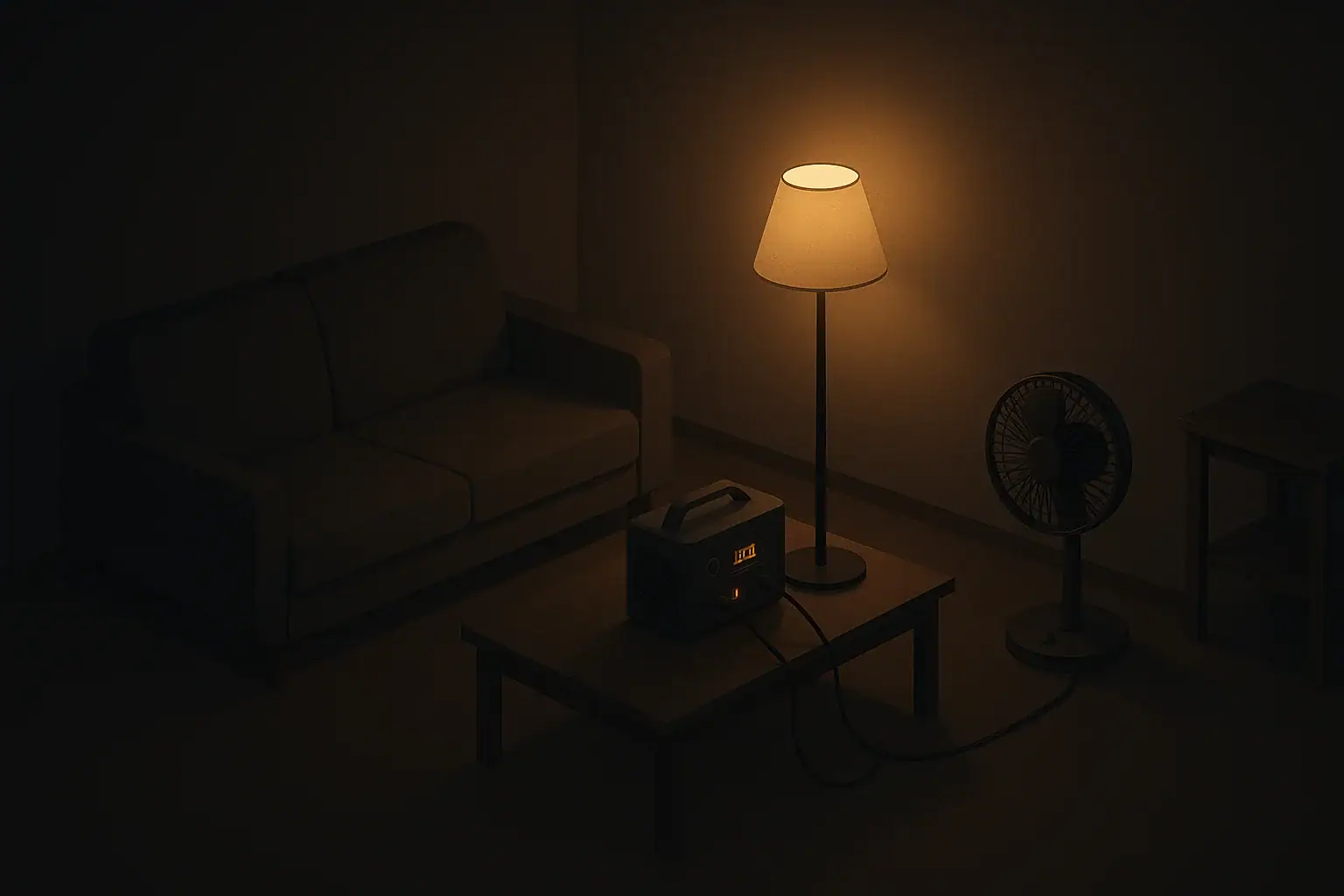
When the lights go out or water service stops, many everyday parts of home life pause at the same time. In most U.S. homes, electricity and water are woven into nearly every system: heating and cooling, cooking, cleaning, communication, and even toilet flushing in some buildings.
Understanding what typically stops working during outages helps you plan calm, realistic backups. You do not need a whole-house generator or a bunker. Simple steps, tailored to your home type and family, can keep basic comfort and safety in place for short disruptions.
Several factors shape how outages affect you:
- Home type: Single-family house, townhome, or apartment/condo
- Water source: City (municipal) water vs. private well
- Heating fuel: Electricity, natural gas, propane, oil, or a mix
- Local climate: Hot summers, cold winters, or mild year-round
- Building systems: Central boilers in some apartments, elevators, and security doors
Most outages you will face are short: a few hours to a couple of days after a storm, equipment issue, or planned maintenance. Planning for these realistic scenarios covers a large share of everyday disruptions.
Why Water and Power Outages Affect So Many Home Systems
When the lights go out or water service stops, many everyday parts of home life pause at the same time. In most U.S. homes, electricity and water are woven into nearly every system: heating and cooling, cooking, cleaning, communication, and even toilet flushing in some buildings.
Understanding what typically stops working during outages helps you plan calm, realistic backups. You do not need a whole-house generator or a bunker. Simple steps, tailored to your home type and family, can keep basic comfort and safety in place for short disruptions.
Several factors shape how outages affect you:
- Home type: Single-family house, townhome, or apartment/condo
- Water source: City (municipal) water vs. private well
- Heating fuel: Electricity, natural gas, propane, oil, or a mix
- Local climate: Hot summers, cold winters, or mild year-round
- Building systems: Central boilers in some apartments, elevators, and security doors
Most outages you will face are short: a few hours to a couple of days after a storm, equipment issue, or planned maintenance. Planning for these realistic scenarios covers a large share of everyday disruptions.
What Typically Stops Working When the Power Goes Out
During a typical power outage, some things stop immediately, some keep working for a while, and a few do not change at all. How this looks in your home depends on whether you live in a house or apartment and on the age and setup of your building.
Lighting and Basic Electricity
In nearly all homes, overhead lights and most outlets shut off as soon as grid power fails. Battery-powered items are the main exceptions.
Usually stop working right away:
- Ceiling and wall lights
- Lamps plugged into outlets
- Plug-in chargers for phones, laptops, and devices
- Desktop computers and many home office setups
Usually keep working (for a while or with planning):
- Phones and tablets already charged
- Battery lanterns, flashlights, and headlamps
- Small battery-powered fans and radios
- Some smart locks with internal batteries (varies by model and age)
Heating and Cooling Systems
Even if your home uses gas or oil, most modern heating and cooling systems rely on electricity for ignition, fans, controls, and pumps.
Most central systems that usually shut down during outages:
- Central air conditioning
- Heat pumps and mini-splits
- Gas, oil, or electric furnaces (fans and control boards need power)
- Electric baseboard heaters
- Radiant systems that depend on electric circulation pumps
Systems that may still work (with important safety limits):
- Non-electric fireplaces or stoves that are designed for use without power
- Some gravity-fed radiant systems in older buildings
- Extra blankets, layered clothing, and draft-reduction steps (no power needed)
Portable fuel-burning heaters and stoves can create serious carbon monoxide and fire risks if used indoors or in enclosed spaces. Follow manufacturer instructions and local guidance, and when in doubt, do not use them inside.
Refrigeration and Cooking
Refrigerators and freezers are some of the most important appliances affected by power loss.
Usually stop or change behavior:
- Refrigerators and freezers stop actively cooling when the power fails.
- Electric stoves and ovens stop heating.
- Microwaves and many countertop appliances (slow cookers, air fryers, etc.) shut off.
May still be usable:
- Gas stoves: In some homes, you can light burners with a match or lighter if the ignition is electric. Do not attempt this without knowing how your appliance is designed and what your building rules allow.
- Outdoor grills: Can be used outdoors only, away from doors and windows, and never inside a home or garage.
- No-cook foods: Shelf-stable items that do not need heating, such as ready-to-eat canned goods, nut butters, or crackers.
Keeping refrigerator and freezer doors closed as much as possible helps them stay cold longer once the power is off.
Water Systems That Depend on Electricity
Even “water issues” are often tied to electricity. Municipal utilities need power for pumps and treatment, and many homes have electric pumps inside the building.
Common setups that stop working when power goes out:
- Wells: Private wells almost always use electric pumps, so no power usually means no running water.
- Booster pumps: In taller buildings, pumps move water to higher floors. These often stop during an outage, reducing water pressure above certain levels.
- Hot water: Electric water heaters stop producing hot water. Gas or oil water heaters with electric ignition or controls may also shut down.
In many city systems, you may still have some cold water pressure during shorter outages, especially on lower floors. This can change if the outage is widespread or extended.
Example values for illustration.
| Home system | Likely impact in a power outage | Quick check or action |
|---|---|---|
| Lights & outlets | Most shut off immediately | Keep flashlights in known spots |
| Heat & AC | Central systems usually stop | Know your warm or cool room options |
| Refrigeration | Stops cooling but stays cold for a while | Keep doors closed as much as possible |
| Cooking appliances | Electric units shut down | Plan simple no-cook meals |
| Water supply | Wells and some upper floors may lose water | Store some water ahead of time |
| Internet & Wi‑Fi | Routers and modems shut off | Rely on cellular data if available |
| Elevators & doors | Often stop or switch to emergency mode | Know stair access routes |
What Usually Stops Working When Water Service Is Disrupted
Water outages can be total (no water at all) or partial (low pressure, boil advisories, or issues in part of a building). Even short disruptions affect hygiene, cleaning, and cooking quickly.
Common Effects in Homes on City Water
In many U.S. cities, you may lose water entirely only rarely. More often, you might experience low pressure or be asked to boil water before drinking after a line break or maintenance.
Things that may stop or be limited:
- Normal tap use for drinking and cooking
- Showers and baths
- Dishwashers and clothes washers
- Outdoor hose use
Toilet flushing:
- If pipes still have water and drains are working, toilets may flush normally until pressure drops.
- In a full outage, many toilets can be flushed manually by pouring water into the bowl or tank; this uses stored or collected water.
If you receive a boil advisory, boiling is typically recommended before drinking, cooking, brushing teeth, or washing dishes. Follow local instructions on how long to boil and when the advisory ends.
Homes on Private Wells
In homes that use a private well, the well pump usually runs on electricity. This means a power outage can also be a water outage.
When power to a well is lost, you may lose:
- All running water (hot and cold taps)
- Automatic toilet tank refills
- Water for dishwashers and clothes washers
- Water for pets and outdoor use
Some systems include a small pressure tank that lets you use a few gallons after the power goes out, but this is limited. Having stored water on hand is especially helpful in these homes.
Water Quality Advisories
Not all water issues mean the taps go dry. After certain events, you might be told to boil water, avoid using it for some purposes, or use bottled or stored water for a limited time.
Common advisory types include:
- Boil water advisories: Use boiled or alternate water for drinking and food preparation.
- Do not drink advisories: Tap water can be used for some cleaning but not for consumption, unless treated as recommended.
- Conservation requests: You may be asked to limit laundry, dishwashing, or lawn watering.
Keeping a modest supply of drinking water at home can make these periods simpler and reduce stress.
Apartment vs. House: What Outages Look Like in Different Homes
Power and water outages feel different in a high-rise apartment than in a single-story house. The building’s systems, your floor level, and shared infrastructure all play a role.
Typical Apartment or Condo Considerations
Apartment and condo residents often face building-wide impacts that are less common in single-family homes.
Common systems that may be affected in apartments:
- Elevators: Often shut down or revert to emergency operation during outages.
- Electronic entry systems: Key fobs, buzzers, and intercoms may not function normally.
- Garage doors: Some may need manual release to open.
- Central boilers and chillers: Heat and hot water may be supplied to the entire building; outages can interrupt these.
Higher floors may lose water pressure sooner than lower floors if building pumps lose power. Emergency lighting in hallways and stairs is usually designed to last only a limited time.
Typical Single-Family Home Considerations
In a standalone house, you have more control over equipment but fewer shared backups.
Common systems affected in houses:
- Well pumps and septic systems: Often fully dependent on power.
- Garage door openers: Need manual release during outages.
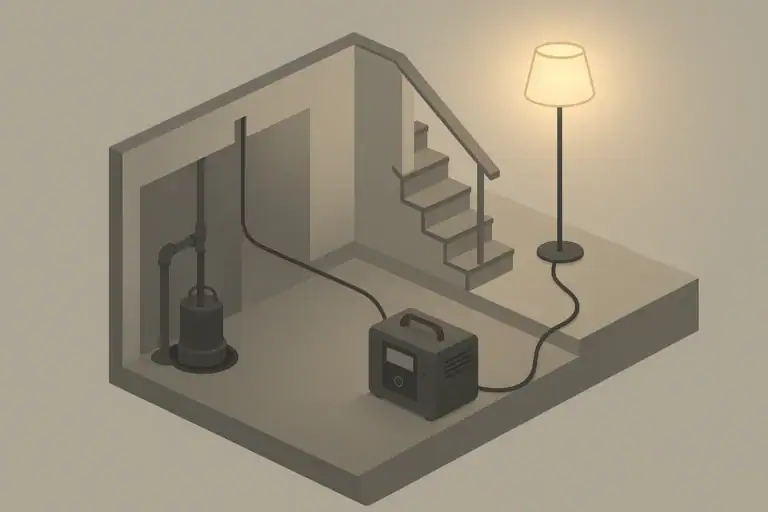
- Sump pumps: Loss of these during storms can increase flood risk in basements.
- Home offices: Desktop computers, monitors, and routers all go down without backup power.
On the positive side, houses may have more space for water storage, small backup power options, and safe outdoor cooking.
Renters and Small Spaces
Renters in small apartments or shared housing may not be able to alter electrical panels or install permanent equipment. Planning tends to focus on portable, compact items.
Useful small-space strategies include:
- Compact battery lanterns and headlamps instead of many candles
- Stackable water containers small enough to move easily
- A small bin or bag with no-cook foods and disposable utensils
- A paper list of key phone numbers and building contacts
Systems That May Keep Working Even During Outages
Not everything stops when the power or water goes out. Knowing what usually still works helps you use your resources more efficiently and avoid unnecessary worry.
Toilets and Drains
In many homes, drains and sewer lines are gravity-fed and do not need electricity inside the house itself.
- During a power outage only: If you still have water pressure, toilets often continue working normally.
- During water outages: Toilets do not refill automatically, but you can often flush by pouring water into the bowl or tank.
- In some basements: Pumps that move wastewater uphill may stop during power outages. Using fixtures connected to these pumps can cause backups.
Local utilities sometimes ask residents to limit toilet and drain use during certain events to avoid system overload. Following that guidance can help reduce neighborhood impacts.
Gas and Other Non-Electric Fuel Lines
In homes with natural gas, propane, or oil, the fuel supply itself may still be available even if the equipment that uses it is not. Many modern appliances, however, rely on electric ignition, blowers, or controls.
- Some gas cooktops can be lit manually if this is allowed and safe for your model.
- Gas fireplaces and furnaces often shut down if their electric controls lose power.
- Outdoor grills and camp stoves should only be used outside and away from building openings.
Follow the instructions that came with your appliances and any building rules regarding fuel use during outages.
Cellular Networks and Communication
When local power fails, cellular networks often continue running, at least for a time, using backup systems at cell sites and switching centers.
Things that may keep working, at least for a while:
- Phone calls and text messages over cellular networks
- Mobile data if the network is not overloaded
- Battery-powered radios receiving local broadcast stations
Home internet that relies on a modem and router plugged into house power usually stops unless you power it with a backup source. Using simpler, low-data communication like text messages can help conserve phone battery and reduce network congestion.
Planning Simple Backups for Short-Term Outages
For most households, focusing on one to three days of basic needs covers a large share of realistic outage scenarios. Your goal is not to live normally, but to stay safe, informed, and reasonably comfortable.
Priority Areas to Plan For
Consider these main categories when planning for water and power disruptions:
- Light: Being able to move around safely in the dark
- Communication: Staying in touch with family, work, and local information
- Water: Having enough safe water for drinking and basic hygiene
- Food: Having simple meals that do not need electricity to prepare
- Temperature: Staying warm in winter and managing heat in summer
- Special needs: Medications, mobility aids, infant care, and pets
Small-Scale Backup Power Basics
Many households find that a few small power options go a long way:
- Portable battery packs for phones and small devices
- Rechargeable lanterns with long runtimes at low brightness
- Optional small solar panels designed to recharge battery packs over time
Instead of trying to power your entire home, decide which devices matter most for short outages: usually phones, a light or two, and possibly a small fan or radio.
Water Storage and Simple Treatment
Even a modest water reserve can make an outage easier. Many families aim for at least a small stash of drinking water in containers they can lift and store easily.
Practical approaches include:
- Storing commercial bottled water for drinking and medications
- Using clean jugs or containers for tap water rotated periodically
- Knowing how to safely boil water if advised
Focus first on drinking and essential use, then on extras like dishwashing or laundry.
Food That Works When Power or Water Is Limited
A short-term pantry does not need to be large. Emphasize foods that:
- Do not require refrigeration before opening
- Can be eaten cold or with minimal preparation
- Fit your household’s usual tastes and dietary needs
Ready-to-eat canned foods, nut butters, shelf-stable milk alternatives, granola, dried fruit, and crackers are common choices. Keeping a manual can opener handy is important if you store canned items.
Hygiene and Sanitation When Utilities Are Limited
Even during short disruptions, simple hygiene steps support comfort and cleanliness.
Helpful items often include:
- Alcohol-based hand sanitizer
- Baby wipes or cleansing wipes for quick washing
- Toilet paper and tissues
- Trash bags to contain waste if needed
If toilets cannot be used normally, local authorities sometimes provide guidance or temporary facilities in larger events. Check official information sources for recommendations during longer disruptions.
Example values for illustration.
| Device type | Typical watts range (example) | Planning notes for short outages |
|---|---|---|
| Smartphone charging | 5–20 watts | Small power bank can provide multiple charges |
| LED lantern | 5–15 watts | Lower brightness greatly extends runtime |
| Small table fan | 10–40 watts | Use intermittently and in one room |
| Laptop | 30–90 watts | Prioritize essential tasks; dim screen |
| Router/modem | 10–25 watts | Consider whether cellular data is enough |
| Compact fridge (example only) | 50–150 watts while running | Often too demanding for very small backup units |
Keeping Perspective: Preparedness Without Panic
Most power and water outages are inconvenient rather than dangerous, especially when they are short. By understanding what typically stops working in your specific home and neighborhood, you can create simple, realistic backups without overbuying or overpreparing.
A small set of thoughtful items—some stored water, basic lighting, a modest pantry, and a way to charge communication devices—goes a long way toward making the next outage feel like a manageable pause instead of a crisis.
Frequently asked questions
What common systems stop working during power outages in most homes?
Most homes immediately lose overhead lighting and standard electrical outlets, which affects refrigerators, electric stoves, and home office equipment. Heating and cooling systems often stop too because modern furnaces, heat pumps, and central AC rely on electric controls, fans, or pumps; water systems such as well pumps and booster pumps can also fail if they need electricity.
Will a gas furnace provide heat if the power goes out?
Many gas furnaces require electricity for ignition, blowers, and control boards, so they typically will not operate during an outage. A few older or specialized systems use standing pilot lights or millivolt controls and can continue to produce heat, but you should check your furnace manual or consult a technician to confirm your model’s capabilities.
How long does food stay safe in a refrigerator or freezer during an outage?
If you keep refrigerator and freezer doors closed, a full refrigerator will generally keep food cold for about four hours and a full freezer can keep items frozen for roughly 24–48 hours depending on insulation and ambient temperature. Use a food thermometer to check safety — perishable items above 40°F should be discarded if they remain at that temperature for more than two hours.
What stops working during power outages for homes on private wells?
Private wells almost always use electric pumps, so a loss of power usually means no running water beyond the small reserve in the pressure tank. That affects faucets, showers, automatic toilet refills, and appliances that use water; having stored water for drinking and basic hygiene is especially important in these homes.
Are portable generators and gas stoves safe to use during outages?
Portable generators can power selected appliances if used outdoors on a level surface and connected per safety instructions to avoid carbon monoxide and electrical backfeed to the grid. Some gas stovetops can be lit manually for cooking, but you should follow the appliance instructions and any building or local safety rules; never use indoor fuel-burning devices in enclosed spaces without proper ventilation and CO detection.
Recommended next:
- Blackout Plan (Apartment / House): Step-by-Step Checklist for the First 24 Hours
- Blackout Plan for Apartments: What to Do When the Power Goes Out
- Blackout Plan for Houses: What to Do When the Power Goes Out
- Backup Power Basics: Watts vs Watt-Hours and Why It Matters
- How to Estimate Runtime for Your Devices (Without Guessing)
- Load Priorities: What to Power First in an Outage
- More in Blackouts & Backup Power →
- Simple checklists and realistic planning
- Water, power, lighting, and pantry basics
- Family plans (kids, pets, seniors) and seasonal prep
Backup Power Costs Explained: One-Time Gear vs Ongoing Fuel and Batteries
Backup Power Maintenance: Monthly Checks and Seasonal Prep
Lighting Strategy for Outages: Zone Your Home for Safety and Comfort
Sump Pump Backup Options: Planning for Basement Flood Risk
Can You Run a Microwave, Kettle, or Space Heater on Backup Power? Reality Check
How to Reduce Power Use: Small Changes That Extend Runtime