- Staying informed and knowing when to stay or leave
- Basic supplies for power, water, food, and hygiene
- Safe lighting and simple backup power options
- Ways to communicate and reconnect if separated
- Small adjustments for local weather and seasonal risks
Why a Calm Home Emergency Readiness Plan Matters
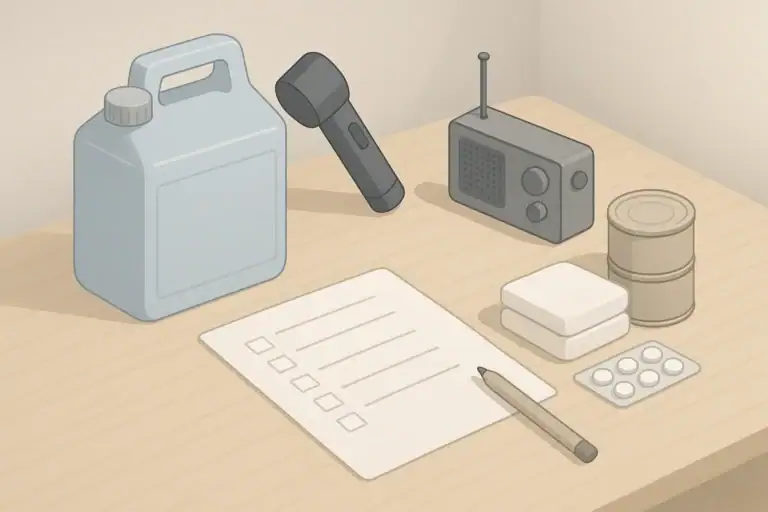
Short-term emergencies are part of normal life: power outages during storms, water main breaks, heatwaves, winter storms, or smoke from distant wildfires. Most situations last hours to a few days, not weeks. A calm home emergency readiness plan helps you handle these disruptions with less stress. This guide focuses on everyday people in typical U.S. homes and apartments. The goal is not extreme prepping. Instead, you will build a simple, flexible plan that works whether you rent or own, live in a small studio or a house, and share your space with kids, pets, or older adults. At a high level, a practical plan covers:- Staying informed and knowing when to stay or leave
- Basic supplies for power, water, food, and hygiene
- Safe lighting and simple backup power options
- Ways to communicate and reconnect if separated
- Small adjustments for local weather and seasonal risks
Step 1: Decide What You Are Planning For
Start by planning for the most likely short-term issues in your area instead of trying to prepare for everything at once. Think in terms of scenarios and timeframes.Common short-term scenarios
Consider which of these you have already experienced or are most likely to face:- Power outages: thunderstorms, ice storms, heatwaves, grid issues
- Water disruptions: main breaks, contamination advisories, frozen pipes
- Stay-at-home events: blizzards, road closures, air quality alerts, neighborhood incidents
- Evacuation notices: hurricanes, wildfires, chemical spills, localized flooding
Timeframes to plan around
A simple starting point for most U.S. households:- First 24 hours: Lights, phone charging, drinking water, basic food, staying in touch
- Up to 3 days: Extra water and food, managing temperature, hygiene, boredom
- Up to 7 days: Optional next step once you have the 3-day basics in place
| Scenario | Key tasks | Why it matters | Notes |
|---|---|---|---|
| Short power outage (under 24 hours) | Gather flashlights, charge phones, avoid opening fridge | Maintains light, communication, and food temperature | Keep lights switched off to notice when power returns |
| Multi-day power outage | Use safe backup lighting, plan simple no-cook meals | Reduces food waste and keeps routines manageable | Consider small battery power for phones and a fan |
| Water disruption | Use stored water, limit nonessential use | Ensures drinking and minimal hygiene needs are met | Set aside separate water for pets if needed |
| Stay-at-home weather event | Stay indoors, monitor official updates | Reduces exposure to hazards like ice or poor air | Have indoor activities ready for kids |
| Short-notice evacuation | Grab go-bags and key documents | Helps you leave quickly without scrambling | Practice a 5-minute departure drill |
| Heatwave or extreme cold | Identify cooler/warmer room, limit heat gain/loss | Helps maintain safer indoor temperatures | Know local cooling and warming center locations |
Step 2: Build a Simple Stay-at-Home Kit
A stay-at-home kit is a set of supplies you keep in your home for riding out short disruptions. You do not need to buy everything at once. Add items gradually as your budget allows.Water basics
Water is usually the first priority. A common starting guideline is to aim toward about one gallon per person per day for drinking and basic hygiene, but you can adjust up or down based on your situation, climate, and available storage space.- Store water in clean, food-safe containers.
- Keep containers in a cool, dark place away from chemicals.
- Label containers with the date you filled or purchased them.
- Rotate stored water periodically according to manufacturer or local guidance.
Pantry and no-cook foods
Choose foods your household already eats, that require little or no cooking, and that are easy to rotate into regular meals.- Canned beans and vegetables
- Ready-to-eat grains or shelf-stable sides
- Nut butters and simple spreads
- Shelf-stable milk or plant-based alternatives
- Crackers, oats, and cereal
- Simple snacks that store well
Lighting and comfort items
Safe, steady light makes outages less stressful, especially for kids.- Flashlights or lanterns with extra batteries
- Battery-powered candles or lights instead of open-flame candles
- Glow sticks as child-friendly nightlights
- Blankets, extra layers, or light clothing depending on your climate
Step 3: Simple Backup Power and Safe Lighting
Not every home needs a large backup power system. A small, well-thought-out plan for essential devices can make a big difference in comfort and safety during short outages.Decide what really needs power
Focus on a few priority items rather than trying to run everything:- Phones for communication and information
- A small lamp or lantern
- Small fan in hot climates, or a heated blanket where appropriate and safe
- Medical or mobility equipment, in consultation with equipment instructions
Safe lighting choices
LED flashlights and lanterns are efficient and reduce fire risk compared to open flames. If you choose to use candles:- Keep them away from curtains and anything that can burn.
- Never leave them unattended or within reach of children or pets.
- Extinguish them before sleep or leaving the room.
Step 4: Communication and Family Coordination
During an emergency, cell networks can be busy and power outages can interrupt home internet. A simple communication plan helps you reconnect if separated and reduces guesswork.Household contact list
Write down important phone numbers in case your phone battery dies or you cannot access stored contacts. Include:- Close family and friends
- Neighbor or building manager
- Work and school contacts
- Local non-emergency lines where appropriate
Meeting points and check-in plan
Choose two simple meeting spots:- Near home: For example, a corner or safe spot near your building.
- Outside the neighborhood: A place you all know in case the immediate area is unavailable.
Information sources
Think about how you will receive official information if power or internet go out. Options can include:- Phone alerts from local agencies if available in your area
- Local radio or other broadcast sources
- Community information channels your area uses
Step 5: Go-Bags vs Stay-at-Home Kits
A stay-at-home kit is designed for riding out situations in place. A go-bag is a smaller, portable kit you can take with you if you need to leave quickly.When a go-bag helps
Go-bags are especially useful if you live in areas with:- Hurricanes or tropical storms
- Wildfires or frequent smoke evacuations
- Flooding history near rivers or creeks
- Industrial areas where chemical incidents are possible
Basic go-bag contents
Keep your go-bag simple and tailored to your household. Common items include:- Copies of key documents stored safely
- Small amount of cash if that fits your budget
- Phone charger and small backup battery pack
- Lightweight clothing and basic hygiene items
- Snacks and a refillable water bottle
- List of medications and doses for reference
Step 6: Adapting for Kids, Pets, and Seniors
Different household members have different needs. A calm readiness plan makes space for those differences.Planning with children
Outages, loud storms, or evacuations can be unsettling for kids. Involve them in simple ways:- Let them help choose a flashlight or comfort item for the kit.
- Pack quiet activities: cards, coloring supplies, small toys.
- Walk through what happens during a power outage in calm language.
Planning for pets
Pets rely on you for food, water, and safety.- Set aside extra pet food and a water bowl in your kit.
- Keep a leash, carrier, or crate accessible.
- Have copies of vaccination or vet records if evacuation shelters require them.
Planning for older adults and those with mobility needs
Some household members may need additional support for stairs, long walks, or using restrooms during outages.- Review backup power needs for mobility or medical equipment with a professional.
- Consider lightweight seating or mobility aids for evacuations.
- Keep a list of medications, providers, and pharmacies in writing.
Step 7: Seasonal and Regional Adjustments
Once you have a basic plan, add small tweaks for local weather and common regional events. This keeps your plan realistic without becoming overwhelming.Winter storms and ice
- Extra warm layers, blankets, and socks
- Sand or similar material for slippery walkways where appropriate
- Plan for safe indoor warmth; follow local heating safety guidance
- Keep phones charged ahead of major storms when possible
Hurricanes and severe storms
- Pay attention to forecast updates and recommended evacuation zones
- Secure loose outdoor items when storms are expected
- Have go-bags, car fuel, and key documents ready in advance
Heatwaves
- Identify the coolest room in your home and consider window coverings
- Plan to use fans safely and hydrate as local guidance suggests
- Know locations of cooling centers or public spaces that may be open
Wildfire smoke and poor air quality
- Plan to keep windows and doors closed when air quality is poor
- Identify one room to keep as clean-air focused as possible
- Limit activities that add indoor pollution, such as burning candles
| Food type | Storage tip | Rotation interval idea | No-cook use |
|---|---|---|---|
| Canned beans | Store in a cool, dry cabinet | Plan to use within about a year as part of regular meals | Rinse and mix with spices or vegetables |
| Canned vegetables | Group by type so they are easy to find | Use and replace regularly during weekly cooking | Serve at room temperature as a side |
| Nut butter | Keep tightly sealed after opening | Buy when on sale and use by printed date | Spread on crackers or bread |
| Crackers or dry cereal | Close packages fully to limit moisture | Rotate every few months for freshness | Eat as a snack or with spreads |
| Oats | Store in sealed containers | Use in regular breakfasts and refill | Soak in shelf-stable milk or water |
| Shelf-stable milk | Keep in original cartons | Use before date and replace gradually | Drink as is or with cereal |
Step 8: Keep It Simple and Maintainable
A calm home emergency readiness plan works best when it is easy to maintain. Instead of a one-time project, treat it as a small routine that you check a few times a year.Quick maintenance checks
Set reminders on your calendar to review your supplies and plan, for example every six months or at the start of seasons that matter most where you live.- Check batteries and test flashlights and lanterns.
- Look over water and food supplies and rotate as needed.
- Update contact lists and meeting points if anyone moved or changed numbers.
- Review any changes in your household: new pets, health needs, or family members.
Starting small is enough
You do not need a perfect setup to make a real difference. Even a few steps—such as a flashlight at every bed, extra water on hand, and a written contact list—can turn an unexpected outage or disruption into something manageable instead of chaotic. As your situation, budget, and space allow, you can slowly expand from there. The goal is a steady, realistic level of readiness that supports your everyday life, not a separate, high-pressure project.Frequently asked questions
How much water should I store per person for a calm home emergency readiness plan?
A common guideline is about one gallon per person per day for drinking and basic hygiene. Aim to store enough for at least three days for a basic readiness level, and increase that amount for hot climates, young children, or people with extra needs. Don’t forget to set aside additional water for pets and rotate containers per local or manufacturer guidance.What are the most important items to include in a stay-at-home kit for short outages?
Prioritize items that maintain safety and communication: charged phones and backup batteries, drinking water, no-cook food, reliable lighting (flashlights or rechargeable lanterns), and any necessary medications. Include a manual can opener, copies of important contacts, and a simple comfort item for children. Store these supplies where everyone can find them quickly.How can I keep food safe during a multi-day power outage?
Keep refrigerator and freezer doors closed as much as possible to preserve cold temperatures; a full freezer stays cold longer than a half-full one. Use a food thermometer to verify that perishable foods remain at safe temperatures (below 40°F/4°C for refrigerated items). When in doubt, discard perishable food that has been above safe temperatures for more than two hours to reduce the risk of foodborne illness.What is a simple communication plan if cell networks are overloaded?
Write down a household contact list and agree on two meeting points (one near home and one outside the neighborhood) so everyone knows where to go if separated. Choose an out-of-area contact who can act as a relay if local networks are congested, and prefer short texts over calls when networks are busy. Consider keeping a battery-powered or hand-crank radio to receive official updates when internet and cellular services are disrupted.Do I need a generator for a calm home emergency readiness plan?
Most households do not need a full-size generator for short outages; portable battery packs, rechargeable lanterns, and small power stations often cover essential needs like phone charging and lighting. If someone depends on medical equipment, consult a professional about appropriate backup power solutions and follow local safety and installation codes. Never operate fuel-powered generators indoors and ensure proper ventilation and safe fuel storage if you choose to use one.Recommended next:
- Emergency Plan Checklist: A Simple One-Page List for Home Readiness
- Emergency Readiness Calculators: Water, Power, and Pantry Planning
- 72-Hour Kit: What to Pack, Where to Store It, and How to Maintain It
- 72-Hour Kit vs 7-Day Plan vs 14-Day Plan: What to Add at Each Step
- Apartment vs House Readiness: The Key Differences in Your Plan
- The 30-Minute Home Readiness Audit: What to Check Today
- More in Start Here →
About
ReadyHomePlan
ReadyHomePlan publishes practical home readiness guides for outages and short-term emergencies—power, water, food basics, communication, and family planning—without hype.
- Simple checklists and realistic planning
- Water, power, lighting, and pantry basics
- Family plans (kids, pets, seniors) and seasonal prep
How to Practice Your Plan: Simple Drills You Can Do in 15 Minutes
How to Create a Two-Week Home Readiness Plan Without Overbuying
Emergency Preparedness for Small Spaces: Storage Ideas That Work
Readiness for Renters: No-Drill, Low-Cost Upgrades That Matter
Shelter-in-Place vs Evacuation: How to Decide Quickly
Emergency Documents: What to Copy, Print, and Store Safely
Keep reading