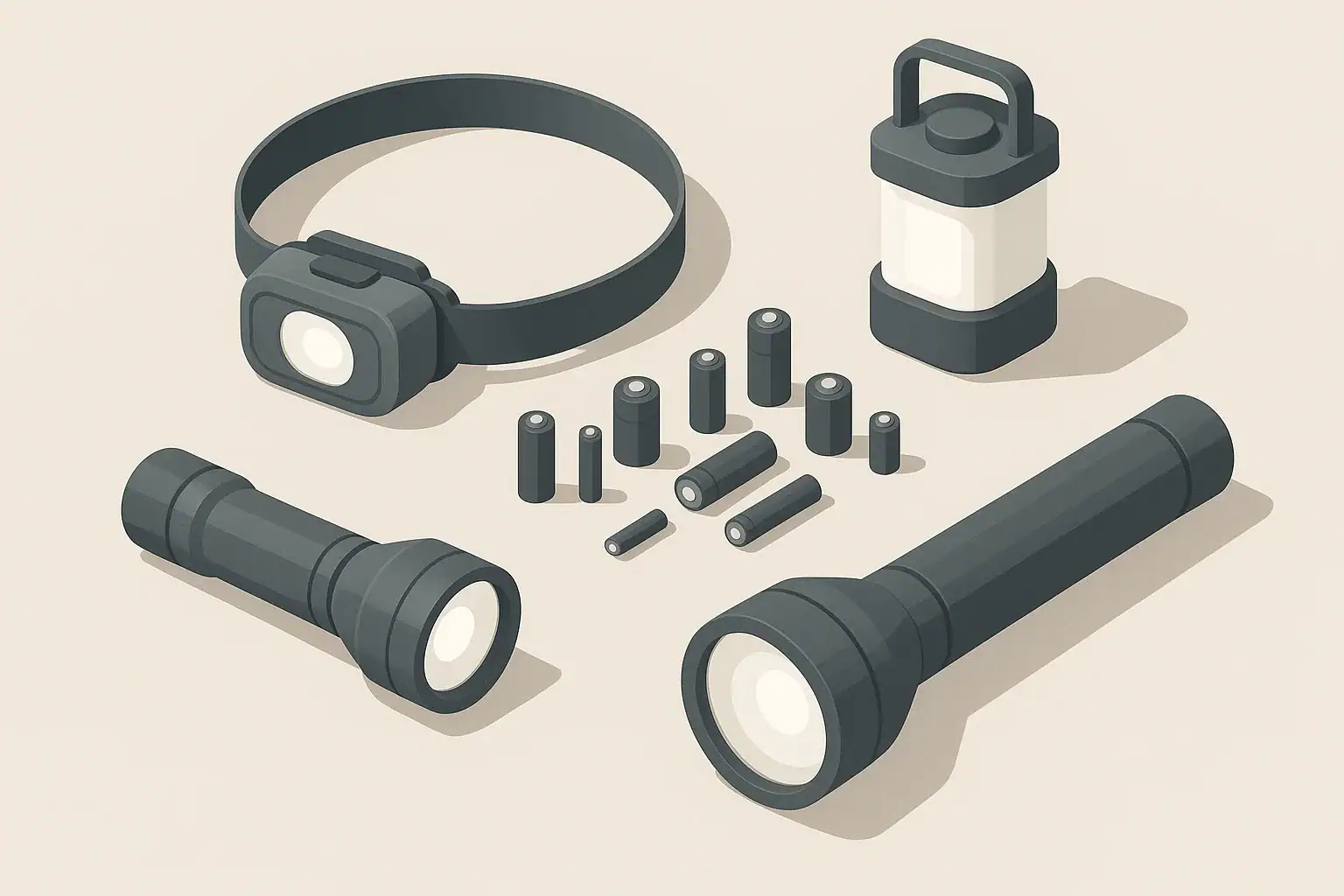
Stairs and hallways become high-risk areas when the power goes out. These spaces are narrow, used frequently, and often lack natural light. A simple, thought-out stair and hallway lighting plan can greatly reduce the chance of trips and falls during an outage.
This is not about turning your home into a bunker. It is about basic, calm preparedness that works for apartments and houses, renters and owners, and homes with kids, pets, or older adults. The goal is to create predictable light paths so people can safely move from bedrooms to bathrooms, exits, and key supplies even in the dark.
Most plans combine three ideas:
- Keeping critical paths clear and familiar
- Pre-positioning safe, non-flame lighting options
- Making it easy for everyone to use the lighting during stress or at night
Why Stair and Hallway Lighting Matters During Outages
Most plans combine three ideas:
- Keeping critical paths clear and familiar
- Pre-positioning safe, non-flame lighting options
- Making it easy for everyone to use the lighting during stress or at night
Map Your Critical Paths and Risk Spots
Before buying or arranging any lights, take a few minutes to map out how people actually move through your home. This helps you place lighting where it matters most and avoid wasting batteries or effort.
Identify Critical Paths
Think about how you move around at night or in low light. Common critical paths include:
- Bedroom to bathroom
- Bedroom to kitchen
- Bedroom to main entrance or exit
- Living room to staircase
- Basement stairs to main floor
Walk these paths during the day and at night with the lights off (but power available) to see where it feels most unsafe or confusing. Note corners, narrow sections, and changes in flooring that could catch a foot or paw.
Spot Hazards on Stairs and in Hallways
Once you know the paths, look for specific hazards that become worse in the dark:
- Loose rugs or runners near stairs
- Boxes, shoes, or pet items in hallways
- Low furniture near walking lines
- Uneven steps or worn edges
- Low handrails or missing handrails
Handling these issues is just as important as adding lights. A cleared hallway with minimal lighting is usually safer than a cluttered hallway with bright lights.
Example values for illustration.
| Task | Why it matters | Notes / example |
|---|---|---|
| Walk main paths in daylight | Reveals common routes everyone uses | Trace bedroom to bathroom and exits |
| Walk same paths with lights off | Shows where darkness feels risky | Notice corners and level changes |
| List all stairways in the home | Keeps you from missing a set of steps | Include basement and exterior steps |
| Remove floor-level clutter | Reduces trip hazards before outages | Move shoes, boxes, pet bowls aside |
| Check handrails on each stair | Supports balance without perfect lighting | Tighten loose rail brackets if possible |
| Note spots for backup lights | Guides placement of night and emergency lights | Mark outlets, shelves, or wall areas |
| Plan pet and child-safe routes | Prevents collisions and crowding in narrow areas | Designate one side for toys or pet gear |
Choose Safe Lighting Types for Stairs and Hallways
Once you know your critical paths and hazards, you can match them with simple lighting options. For stair and hallway use, focus on steady, hands-free, non-flame light sources that will not overheat or easily tip.
Battery-Powered Night Lights
Battery-powered night lights can stay plugged into outlets for normal use and provide comfort lighting. Some have built-in batteries that keep them glowing for a while even when power fails.
These work well for:
- Hallway outlets at knee or waist height
- Bedroom doors
- Top and bottom of staircases
For renters, they are easy to add and remove without any permanent changes.
Motion-Activated Lights
Motion-activated battery lights are helpful when people may forget to turn something on during a stressful outage. They also conserve batteries because they only activate when someone walks by.
Common uses include:
- Small puck lights at stair landings
- Strip-style lights along baseboards
- Lights inside or above door frames
Choose options that can be mounted with non-damaging methods if you rent, such as removable adhesive strips or freestanding units on shelves.
Headlamps and Wearable Lights
hands free are useful for the person moving around during an outage, because they keep hands free for railings or carrying a child. They can also be hung on hooks near stairs as backup lighting if placed facing down toward the steps.
To make them practical:
- Store at least one headlamp on a hook near each main stairwell
- Keep extra batteries in a small labeled container near the hook
- Teach older kids and adults how to use the on/off and brightness settings
Lanterns and Area Lights
Lantern-style lights spread light in all directions, making them useful for landings, hallway intersections, or the top and bottom of stairs. They can sit on a stable surface or be hung from a secure hook.
Use them to:
- Light wider hallway intersections where people gather
- Create a “light anchor” on a table or shelf near stairs
- Provide general light for bedrooms connected to dark halls
If possible, position lanterns where they cannot be kicked, bumped, or knocked down by pets.
What to Avoid
For stair and hallway use, consider avoiding:
- Open flames, such as candles or oil lamps, near curtains or where they can be bumped
- Very bright, harsh lights that ruin night vision and cause glare on steps
- Loose cords stretched across walking paths
Simple, moderate brightness with reliable placement is usually safer than very strong light in the wrong spot.
Plan Lighting for Different Home Types
Each living situation has its own challenges. A small upstairs apartment is different from a multi-story house, and renters may not be able to install permanent fixtures. You can still create an effective stair and hallway lighting plan with a few adjustments.
Small Apartments and Condos
In smaller spaces, you may have only one hallway and possibly a shared stairwell. Focus on key transitions:
- Place a plug-in or battery night light just outside the bathroom
- Store a lantern or small area light near the entry door
- Use motion lights under wall shelves or along the baseboard if permitted
If you share a building stairwell, keep a personal flashlight or headlamp by your door. The building may not maintain emergency stair lights, or they may fail during longer outages.
Multi-Story Houses
In a house with more than one floor, think in layers:
- Top and bottom of each staircase: place fixed or easily found lights
- Middle landings: use motion pucks or small stick-on lights if allowed
- Main hallway on each floor: keep at least one lantern stored predictably
Consider how younger kids, older adults, or visitors will navigate. They may not know your habits or where you keep flashlights. Clear, repeatable placements help everyone.
Renters vs. Owners
Owners may be able to install permanent low-level lighting or hardwired emergency fixtures. Renters usually rely more on plug-in and battery devices. Either way, focus on:
- Non-damaging mounting
- Easy removal when moving out
- Simple routines for checking batteries
If you cannot change wiring, you can still create a strong plan using portable lanterns, headlamps, and stick-on motion lights.
Homes with Kids, Pets, or Older Adults
Households with a mix of ages and abilities benefit from extra clarity in hallways and stairs:
- Use lower-level lighting (near ankle or knee height) to show floor edges
- Avoid lights at eye level that create glare for shorter children
- Keep pet beds and toys away from direct walking paths
- Consider a brighter, steady light near any steps commonly used by older adults
Talk through the plan so everyone knows where to find lights at night, including babysitters or visiting family.
Design a Simple “Dark Path” Layout
A “dark path” layout means you can walk from bed to bathroom, kitchen, and exit using a predictable sequence of small lights, even when the power is out. The aim is not to flood your home with light but to mark edges, changes in level, and key decision points.
Mark Stair Edges and Landings
People trip on the first and last steps more than the middle steps, especially in low light. Plan extra visibility for:
- First step down from each floor
- Last step before a landing
- Doorways that open directly onto stairs
You can place a low, soft battery light or motion puck near these edges, aiming the light at the tread instead of directly into eyes.
Anchor Lights at Decision Points
Place a slightly brighter or larger light where people choose directions, such as:
- Hallway intersections
- Top of main staircase
- Entry to a long, dark corridor
This helps people orient themselves. A lantern on a narrow table or shelf can serve as a reliable “beacon” in these spots.
Plan for Nighttime Outages
Nighttime outages can be disorienting, especially if people wake suddenly. To prepare:
- Keep at least one small light within arm’s reach of each bed
- Store a headlamp or flashlight in the same place on every nightstand
- Use low-glow night lights to provide just enough background visibility
Consistency is important. People are more likely to remember “the light is always on the left side of the bed” than a complex plan.
Battery Management and Backup Power Basics for Lighting
Good stair and hallway lighting plans only work if your lights actually turn on. That means managing batteries and, if you use them, backup power sources.
Choose a Few Common Battery Types
Using too many different battery sizes makes resupply and storage harder. When possible, choose lighting that runs on one or two common types, such as a standard small cylindrical battery size. This way you can buy and store fewer kinds of spares.
Label a small container for each type and store them in a dry, cool closet or drawer away from heat sources and direct sunlight.
Rotation and Testing Routine
Battery-operated devices benefit from a simple check schedule. A light that has not been used in a year may have weak batteries or corrosion.
Consider a basic routine such as:
- Check all stair and hallway lights twice a year, for example when clocks change
- Replace any weak batteries and clean contacts if needed
- Use older, still-good batteries in everyday items before they expire
Mark the month and year on battery packages with a marker to track how long they have been stored.
Using Small Backup Power Sources
Some lanterns and area lights use rechargeable batteries that can be powered from wall outlets, small solar panels, or compact power stations. These can help during longer outages. When planning, think about:
- How many hours of light you want each night
- Which devices are most important to keep charged
- How you will recharge during multi-day disruptions
You do not need precise calculations, but a rough idea of priority devices (for example, one stair lantern and one headlamp per adult) helps you size your backup approach.
Example values for illustration.
| Lighting type | Battery type (example) | Pros / cons | Storage tip |
|---|---|---|---|
| Small plug-in night light with backup | Built-in rechargeable cell | Always in place, limited runtime | Test monthly by briefly unplugging |
| Battery motion puck light | Standard small cylindrical batteries | Easy to replace, may drain faster in high-traffic areas | Keep spare pack near the stairwell |
| Headlamp for stair use | Standard or rechargeable cells | Hands-free, may be misplaced | Hang on a visible hook by the stairs |
| Lantern for hallway anchor | Replaceable or built-in rechargeable | Lights larger areas, bulkier to store | Store on same shelf where you will use it |
| Strip or bar lights along baseboard | Often AA/AAA or internal pack | Good floor visibility, may need more batteries | Label on/off switch so anyone can find it |
| Portable task light | Rechargeable via USB | Flexible uses, depends on charging source | Charge during normal use days, not just outages |
Practice and Maintain Your Lighting Plan
A stair and hallway lighting setup only helps if people know how to use it and if it still works when needed. Regular small actions keep the plan practical and calm.
Do Short Practice Walk-Throughs
Once or twice a year, do a brief “power out” walk-through:
- Turn off main lights in the evening
- Use only your planned night lights, lanterns, and headlamps
- Walk from bedrooms to bathrooms, kitchen, and exits
Notice any dark spots, glare, or confusing corners. Adjust light positions or add a small additional light if needed.
Keep Instructions Simple and Visible
In homes with multiple people, it helps if the plan is simple enough to explain in a few sentences. For example:
- “Each bedroom has a flashlight in the top drawer.”
- “The stair headlamp hangs on the hook by the banister.”
- “The hallway lantern is always on the small table at the top of the stairs.”
Consider a small printed checklist stored with your main emergency supplies, reminding you to test lights, rotate batteries, and clear hallways seasonally.
Adjust for Seasons and Regional Risks
Different regions face different outage causes. Winter storms, hurricanes, and heatwaves can all lead to power disruptions, often when people are already stressed or tired.
As seasons change, briefly revisit your stair and hallway lighting plan:
- Before winter: ensure basement and exterior steps are lit and clear of ice-melt containers or boots
- Before heavy storm seasons: confirm lanterns and headlamps are charged or have fresh batteries
- Before extreme heat periods: aim to minimize extra heat sources and avoid any lighting that runs hot
These small check-ins keep your plan aligned with realistic local conditions without requiring major changes.
Keep the Focus on Calm, Everyday Readiness
Stair and hallway lighting for outages is a practical part of everyday home safety. By mapping your paths, choosing a few reliable lighting tools, managing batteries, and practicing briefly, you help everyone in your household move safely when the lights go out, whether for an hour or a few days.
Authoritative sources
Safety recommendations can change. Confirm critical details with current official guidance and local authorities.
- U.S. CPSC: Battery Safety
- CDC: Guidelines for Cleaning Safely After a Disaster
- Ready.gov: Preparedness Tips for People with Disabilities
Frequently asked questions
How should I position lights to prevent trips on stairs during a power outage?
Place low, steady lights at the top and bottom of each stair run and add directed low-level lights at the first and last steps to highlight tread edges. Anchor a larger lantern or beacon at landings or hallway intersections so people can orient themselves without creating glare.
Which types of lighting are safest for a stair and hallway lighting plan?
Hands-free, non-flame options such as battery night lights, motion-activated pucks, headlamps, and lanterns are safest because they reduce fire risk and keep hands free for railings. Avoid very bright, harsh lights that cause glare and never rely on open flames in traffic areas.
How often should I test batteries and lighting in my stair and hallway lighting plan?
Check devices at least twice a year (for example when clocks change) and spot-check rechargeable lanterns monthly. Replace weak batteries, clean contacts, and rotate stored spares so lights work reliably during an outage.
What practical lighting solutions work best for renters?
Renters should use plug-in night lights with backup cells, adhesive or freestanding motion lights, portable lanterns, and headlamps hung on hooks to avoid wiring changes. Pick non-damaging mounts and keep predictable placements so everyone can find lights quickly.
How can I adapt a stair and hallway lighting plan for older adults or children?
Use lower-level lighting to show floor edges and avoid eye-level glare for shorter occupants; provide a slightly brighter, steady light near steps commonly used by older adults. Keep placements consistent and practice simple routines so family members and visitors know where to find lights at night.
- Simple checklists and realistic planning
- Water, power, lighting, and pantry basics
- Family plans (kids, pets, seniors) and seasonal prep
Affiliate disclosure
As an Amazon Associate, we earn from qualifying purchases. Some links on this site may be affiliate links. If you buy through these links, we may earn a small commission at no extra cost to you. This helps support our content. Learn more.