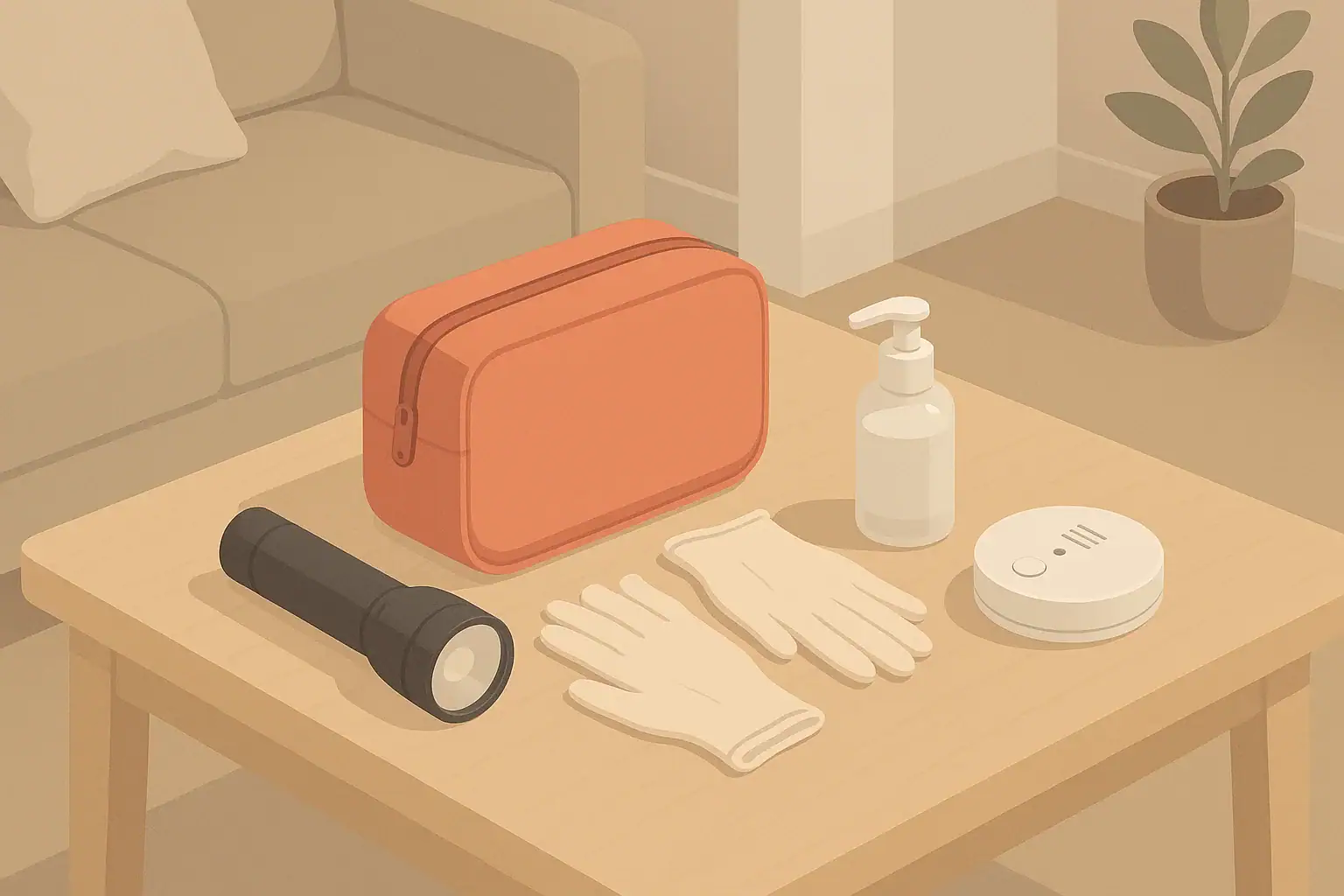
When the lights go out, your routine changes, and so does how your home looks from the outside. A dark house can appear unoccupied, and security systems that rely on power or internet may be disrupted. Most power outages are brief, but planning for a few hours to a few days helps keep your home calm, safe, and secure.
This guide focuses on practical steps you can take in houses, apartments, and small spaces to protect doors, windows, and outdoor areas when the power is down. The goal is not to create a fortress, but to reduce obvious risks and give you a simple plan you can follow even when things feel a bit chaotic.
Security during an outage ties into broader home readiness: safe lighting, backup power, communication plans, and knowing your neighbors. A few small changes made now can make a noticeable difference when the lights go off.
Why Home Security Matters During a Power Outage
When the lights go out, your routine changes, and so does how your home looks from the outside. A dark house can appear unoccupied, and security systems that rely on power or internet may be disrupted. Most power outages are brief, but planning for a few hours to a few days helps keep your home calm, safe, and secure.
This guide focuses on practical steps you can take in houses, apartments, and small spaces to protect doors, windows, and outdoor areas when the power is down. The goal is not to create a fortress, but to reduce obvious risks and give you a simple plan you can follow even when things feel a bit chaotic.
Security during an outage ties into broader home readiness: safe lighting, backup power, communication plans, and knowing your neighbors. A few small changes made now can make a noticeable difference when the lights go off.
General Security Principles for Any Blackout
Before focusing on doors, windows, and lights, it helps to think through a few general principles that apply to most homes and apartments.
Know What Stops Working When Power Fails
Different homes depend on electricity in different ways. During a power outage, you may lose:
- Electric door locks and access systems
- Garage door openers
- Electric gates or parking garage doors
- Wi‑Fi–based security cameras or doorbells
- Alarm systems that need household power or internet
- Outdoor lighting and motion-activated fixtures
Make a short list of what in your home depends on power for security. This helps you decide where to focus your backup plans and low-tech solutions.
Stay Calm, Visible, and Connected
Calm, predictable behavior is part of security. During a blackout:
- Check on people in your household and agree on where everyone will stay, especially kids, older adults, and anyone with mobility challenges.
- Use safe, stable lighting instead of open flames whenever possible.
- Preserve your phone battery but keep at least one phone powered for calls or messages.
- Touch base with a nearby neighbor if you feel comfortable; mutual awareness adds another layer of security.
Apartments, Condos, and Rental Homes
If you rent or live in a multi-unit building, you may have less control over exterior security. Focus on:
- Your unit door and windows
- Balcony or patio access
- Portable lighting you can control
- Knowing building policies for outages and access
Keep any extra steps you take simple, reversible, and respectful of your lease rules and fire regulations.
Example values for illustration.
| Home situation | Key task | Why it matters |
|---|---|---|
| Single-family house with yard | Walk perimeter and close all ground-floor windows | Reduces easy entry points when outdoor lights are off |
| Apartment above first floor | Secure front door deadbolt and check balcony door | Focuses effort on the most realistic access points |
| House with electric garage | Engage manual garage-door lock or use a backup bar | Prevents easy lifting of a powerless garage door |
| Ground-floor rental with patio | Lock sliding door and place a bar in the track | Adds a simple mechanical barrier if latches fail |
| Home with electronic locks | Confirm you have working physical keys | Ensures you can still lock and unlock without power |
| Family with kids | Explain which doors and windows must stay closed | Helps kids understand safety without creating fear |
Securing Doors When the Power Is Out
Doors are your primary barrier against unwanted entry. During an outage, you may lose electronic locks, powered access, and indoor lighting near entry points. Focusing on basic mechanical security can compensate for those losses.
Front and Back Doors
Most break-ins target doors that are unlocked, weak, or poorly lit. You can’t always control outdoor lighting in a blackout, but you can control how the door itself is secured.
Consider these steps before and during an outage:
- Use deadbolts where allowed by code, and make sure the bolt fully extends into the door frame.
- Reinforce strike plates with longer screws that anchor into the framing, not just the trim.
- Keep doors locked as a default, even when you are home and especially when visibility is low outside.
- Keep a small flashlight near each main door so you can see locks and keys in the dark.
- Use peepholes or sidelights carefully; confirm who is outside before opening, particularly if doorbell cameras are down.
Electronic and Smart Locks
If you have keypads or smart locks, plan for what happens when they lose power or network connection.
- Know the backup method (physical key, internal battery, or manual override) and confirm it works now, not during an emergency.
- Store spare keys safely where responsible adults in the household can access them.
- Avoid depending solely on phone apps for access if your phone battery may run low or mobile data is unreliable.
For renters, check your lease or ask management how building access (main entrance, garage, elevators) is handled during extended power outages. Know in advance whether doors default to locked or unlocked when power fails.
Garage Doors and Attached Garages
Garage doors are often overlooked. When power is out, an automatic opener may release resistance, making it easier to lift manually from outside unless extra steps are taken.
- Learn how to disconnect and reconnect the opener from inside so you can open the door manually if needed.
- Use a manual locking bar or slide lock on the inside of the door during extended outages if you do not need to drive out.
- Lock the door from the garage to the house like any other external door.
- Keep pathways clear so you can move safely to and from the garage with a flashlight.
Interior Doors as Secondary Barriers
In most situations, you won’t need to lock interior doors during a power outage. Still, in some homes, certain doors can act as secondary barriers:
- A solid door between the garage and living area
- A door between a shared hallway and your private space
- A bedroom door if you feel more secure sleeping with it closed and latched
Balance security with fire safety. Doors that are easy to close but not locked can slow smoke and provide privacy without trapping anyone.
Windows, Sliding Doors, and Other Entry Points
Windows and sliding doors can be vulnerable during a blackout because they are harder to see from the street and may be left open for airflow. A few simple habits and inexpensive add-ons can make a difference, especially for ground-floor units and homes.
Ground-Floor Windows
Focus first on windows that are:
- Hidden from view by fences, shrubs, or side yards
- Near doors, decks, or easily climbed structures
- Close to alleyways or back lanes
Practical steps include:
- Use working window locks and confirm they are engaged when the window is closed.
- Consider secondary latches or simple pin locks that prevent the window from being opened fully from the outside.
- Close blinds or curtains at night so anyone outside cannot easily see inside by flashlight or car lights.
- Secure window air conditioners with brackets, screws, or side panels if allowed by your building rules.
Ventilation vs. Security
During hot-weather outages, especially in apartments without backup cooling, you may need open windows for airflow. Balance comfort and security by:
- Opening windows on upper floors first where feasible.
- Using locks, stops, or dowels that limit how far a window can open.
- Closing and locking windows on the most exposed side of the house at night.
- Sleeping in the same room or area as young children if you must leave a window partially open for cooling.
Sliding Glass Doors and Patio Doors
Sliding doors are common in ground-floor apartments and houses. Their latches can be weaker than regular door locks.
- Use the built-in lock and test that it fully engages.
- Place a dowel, bar, or adjustable rod in the track to prevent the door from sliding open, even if the latch is compromised.
- Check vertical play in the door; some doors can be lifted off the track if not properly adjusted. Simple anti-lift devices or screws in the top track (installed according to safety guidance) can reduce this risk.
- Close curtains or vertical blinds after dark to limit visibility into your home.
Basement Windows and Secondary Entrances
Basement apartments and homes with lower-level windows near the ground deserve extra attention in an outage because they can be harder for neighbors to see.
- Confirm all basement windows latch, and address ones that do not.
- Use window well covers or grates if your home already has them, ensuring they can still be opened from the inside for emergency escape.
- Keep stairwells and side entrances uncluttered so you can move quickly with a flashlight if needed.
Outdoor Lighting and Visibility Without Grid Power
Outdoor lighting does more than help you see; it signals that a space is cared for and occupied. During an outage, your regular fixtures may be off, but you still have options to maintain reasonable visibility and awareness.
Battery-Powered and Solar Options
Portable lighting can substitute for grid-powered porch or yard lights. Helpful approaches include:
- Battery-powered lanterns placed near windows to create a gentle glow outside.
- Small solar path or yard lights that recharge in daylight and can be brought indoors at night if needed.
- Clip-on or hanging lights that can attach to porch railings or balcony edges (secure them well against wind).
If you use outdoor battery lights, store extra batteries in a cool, dry place and check them as part of your regular home readiness routine.
Using Existing Light Wisely
Even without power, you can make the most of any light you do have:
- Position one or two indoor lights near front windows so your home looks occupied, without using every flashlight at once.
- Angle lights away from your own eyes so you maintain good night vision while still illuminating entries.
- Avoid glaring beams pointed straight outside that might disturb neighbors or draw unnecessary attention.
Managing Candles and Open Flames
Candles and fuel-based lanterns create light but come with fire risk, especially when you are tired, distracted, or managing children and pets.
- Prefer battery lights for hallways, bedrooms, and around doorways.
- If you do use candles, place them on stable, nonflammable surfaces well away from curtains and traffic paths.
- Never leave open flames unattended or within reach of kids or pets.
- Keep a way to extinguish flames nearby and working smoke detectors with fresh batteries.
Garbage, Tools, and Yard Items
Tripping hazards and unsecured items around your home can create both safety and security issues in the dark.
- Pick up tools, toys, and garden equipment so no one trips during late-night checks.
- Close and latch gates if you have them, balancing security with any local fire or emergency access guidance.
- Secure ladders inside or lay them flat in a locked area so they cannot be used to access upper windows.
Security Planning for Different Households
Every living situation is different. Tailor your blackout security plan to your home type, household members, and regional risks such as winter storms, hurricanes, or heatwaves.
Families With Children
Kids may feel uneasy when the lights go out. Turning security steps into a calm routine can help them feel safer instead of more worried.
- Give kids simple jobs like bringing out flashlights or helping close curtains and blinds.
- Explain in age-appropriate terms that doors and windows need to stay closed and locked during the outage.
- Keep one main gathering area lit so children are less tempted to wander in the dark.
- Store emergency lighting where kids cannot misuse it but adults can access it quickly.
Older Adults and People With Mobility Limits
For anyone who moves slowly or uses mobility aids, falls are a major concern during outages.
- Prioritize clear, even lighting along main paths to doors, bathrooms, and bedrooms.
- Avoid clutter near doors and windows where people may need to move in or out.
- Pre-position flashlights or motion-activated battery lights near beds, chairs, and walking paths.
- Coordinate with neighbors or family so someone can check in if the outage lasts longer than expected.
Pet Owners
Pets can react strongly to unusual noises and darkness.
- Keep leashes and carriers near the main exit so you can control pets if you need to open doors.
- Use nightlights or low-level lanterns in pet areas to prevent startle responses and accidents.
- Secure yard fences and gates so pets cannot slip out if startled during a noisy or stormy outage.
Renters and Small-Space Dwellers
If you share walls or hallways with others, think in terms of what you control:
- Your own locks and window habits
- Portable lighting you bring in and out
- A compact emergency kit stored in a reachable spot
- Communication with building management about doors, elevators, and stairwells during outages
Example values for illustration.
| Lighting type | Typical battery type | Pros and cons | Storage tip |
|---|---|---|---|
| Compact flashlight | Common disposable cells | Easy to store and use; small lights are easy to misplace | Keep one near each main door in a small container |
| Lantern-style light | Disposable or rechargeable pack | Good for lighting rooms; may use more power than a small flashlight | Store with batteries removed if long-term unused |
| Headlamp | Small disposable cells | Hands-free; straps can wear out over time | Hang on a hook by the main entry or bed |
| Clip-on stair light | Button or small cells | Helps reduce falls; batteries may be less common | Test briefly every few months |
| Solar yard/path light | Built-in rechargeable cell | Recharges in sun; may dim after cloudy days | Place where they receive several hours of daylight |
| Emergency stairwell light | Disposable cells | Good for shared spaces; requires building approval | Label the container so residents know its purpose |
Simple Routine to Practice Before the Next Outage
A short, practiced routine makes an actual outage feel more manageable. You can take 15–20 minutes on a regular evening to walk through these steps with your household:
- Walk the perimeter inside your home and identify every door and window that should be locked after dark.
- Check each main entry door for a working deadbolt and secure strike plate.
- Locate and test flashlights and lanterns, including spare batteries.
- Decide on one or two rooms where your household will gather if the power goes out at night.
- Talk through a simple communication plan: who to contact, and how, if you are not all home when an outage starts.
- For kids and new household members, explain how to use locks and lights safely without dramatizing the situation.
Practicing once or twice helps everyone remember what to do when the lights go out unexpectedly. Coupled with secure doors, thoughtful window habits, and practical lighting, this calm approach can keep your home safer and more comfortable through routine outages and seasonal storms.
Authoritative sources
Safety recommendations can change. Confirm critical details with current official guidance and local authorities.
- U.S. CPSC: Battery Safety
- CDC: Guidelines for Cleaning Safely After a Disaster
- Ready.gov: Prepare Your Pets for Disasters
Frequently asked questions
How can I make my home look occupied during a power outage?
Position one or two battery-powered lanterns or indoor lights near front windows to create a soft, consistent glow visible from outside. Avoid flashing or moving beams that draw attention; steady, modest lighting signals occupancy while preserving batteries and night vision.
What should I do if my electronic or smart lock loses power?
Confirm the lock’s backup method now—physical key, internal battery, or manual override—and practice using it so you’re not surprised during an outage. Keep spare keys accessible to responsible household members and avoid relying only on phone apps if mobile service or battery life may be limited.
How can I secure a sliding glass door when power and alarms are down?
Use the built-in latch and place a solid dowel, bar, or adjustable track rod in the bottom track to prevent sliding. Check for vertical play that could let the door be lifted off its track and consider simple anti-lift devices; closing curtains after dark also reduces visibility into the home.
Is it safe to use candles for outdoor or porch lighting during a blackout?
Candles create a fire risk and are not the preferred option; battery-powered lights are safer for porch and pathway illumination. If you must use candles, set them on stable, nonflammable surfaces away from flammable materials, never leave them unattended, and keep a way to extinguish them nearby.
What quick security steps should renters take during a blackout?
Focus on locking your unit’s door and windows, using portable battery lights you control, and keeping a small emergency kit with spare batteries and a flashlight. Contact building management to learn how shared access points behave during outages and follow lease and fire-safety rules when adding temporary measures.
- Simple checklists and realistic planning
- Water, power, lighting, and pantry basics
- Family plans (kids, pets, seniors) and seasonal prep
Affiliate disclosure
As an Amazon Associate, we earn from qualifying purchases. Some links on this site may be affiliate links. If you buy through these links, we may earn a small commission at no extra cost to you. This helps support our content. Learn more.