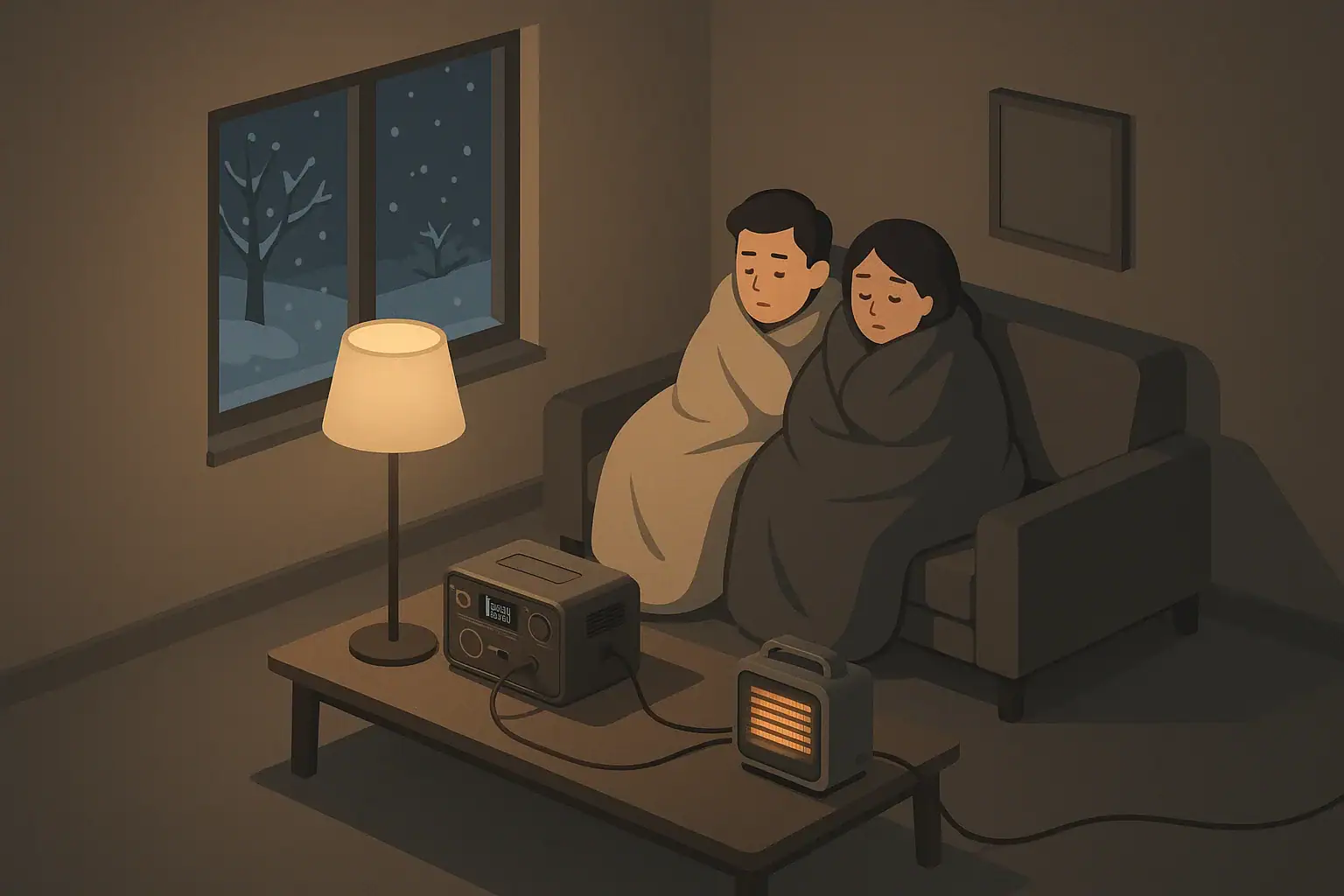
Winter power outages can turn a comfortable home into a cold space surprisingly fast, especially during prolonged storms or cold snaps. Having a simple, realistic heating plan helps you stay safe and reasonably warm without panic or risky improvisations.
Most homes in the United States rely on electricity in some way for heat, even if the main fuel is gas or oil. When the power goes out, thermostats, blowers, and pumps may stop working. That is when people are tempted to use ovens, grills, or other unsafe sources of heat indoors.
This guide focuses on what is generally considered safe, what is not, and practical steps for renters, apartment dwellers, families with kids or pets, and people in small spaces.
Why Winter Outages Need a Heating Plan
Winter power outages can turn a comfortable home into a cold space surprisingly fast, especially during prolonged storms or cold snaps. Having a simple, realistic heating plan helps you stay safe and reasonably warm without panic or risky improvisations.
Most homes in the United States rely on electricity in some way for heat, even if the main fuel is gas or oil. When the power goes out, thermostats, blowers, and pumps may stop working. That is when people are tempted to use ovens, grills, or other unsafe sources of heat indoors.
This guide focuses on what is generally considered safe, what is not, and practical steps for renters, apartment dwellers, families with kids or pets, and people in small spaces.
Big Picture: Safe vs Unsafe Heat Sources Indoors
Before looking at specific devices, it helps to divide heating options into three broad categories: designed-for-indoor heat, indirect heat sources, and clearly unsafe improvised heat.
Designed-for-indoor heating (generally safe when used correctly)
These devices are intended for indoor use and usually include safety instructions and features. Always follow manufacturer directions and local codes.
- Central heating systems (gas, oil, electric, heat pump) when power is available and the system is working properly.
- Electric space heaters with safety features, used with adequate wiring and kept clear of combustibles.
- Built-in fireplaces and wood stoves that are properly maintained, vented, and used with dry wood.
- Approved indoor-rated fuel heaters that specifically state indoor use and venting requirements (follow instructions exactly).
Indirect heat and passive warmth
These do not produce much new heat but help you hold onto body heat and whatever warmth remains in the home.
- Layered clothing, hats, and socks to reduce heat loss from your body.
- Blankets, sleeping bags, and quilts, especially rated for cooler temperatures.
- Draft stoppers and curtains to limit cold air leakage around doors and windows.
- Closing off unused rooms to concentrate warmth in a smaller area.
Clearly unsafe heating methods
Certain heat sources pose high risks of fire or dangerous gases indoors and should be avoided for heating rooms.
- Outdoor charcoal grills used indoors or in attached garages.
- Propane or gas camp stoves meant for outdoor use.
- Ovens or stovetops (gas or electric) used as space heaters.
- Running a vehicle in a garage to heat the space, even with the door open.
- DIY heaters using candles, cans, or open flames near flammables.
A safe outage heating plan focuses on managing heat loss, using indoor-rated heat sources correctly, and avoiding improvised open-flame solutions.
Example values for illustration.
| Heating idea | Use indoors during outage? | Key reason | Safer alternative |
|---|---|---|---|
| Electric space heater on heavy-duty circuit | Yes, with care | No fumes, but needs safe wiring and clearance | Use one heater per outlet, keep 3 ft clear zone |
| Indoor-rated portable fuel heater | Yes, if labeled and vented per instructions | Designed for indoor use with specific safety steps | Read manual, add CO detector, crack window if required |
| Gas or electric oven for room heat | No | Fire and fume risks, not designed as space heater | Wear layers, close off rooms, use safe heater instead |
| Charcoal grill in garage or kitchen | Never | Extremely dangerous fumes in enclosed spaces | Use grills only fully outdoors, away from buildings |
| Vehicle idling in attached garage | Never | Fumes can accumulate, even with door open | Warm up in car only fully outdoors and parked safely |
| Multiple candles for room heat | No | Very low heat, high fire risk if tipped or near fabrics | Use candles only for light, not heat; prefer LEDs |
| Wood stove with good chimney | Yes, if maintained | Vented heat source made for this purpose | Schedule regular cleaning and keep combustibles away |
Understanding Your Home’s Main Heating System
Knowing how your everyday heating system works helps you predict what will still function during an outage and what will not.
All-electric heating
Homes with electric furnaces, baseboard heaters, or electric heat pumps generally lose most or all heating capability during a power outage. Backup options might include:
- One or two electric space heaters powered by a generator or battery power station, used sparingly.
- Non-electric options such as a wood stove, if the home has one and it is maintained.
- Focusing on passive warmth and room consolidation until power returns.
Gas or oil furnaces and boilers
Even when the main fuel is gas or oil, most modern systems need electricity for ignition, pumps, and fans. During an outage:
- The burner may not ignite without power.
- Circulation pumps and blowers will not run, so heat cannot move through the house.
- Some older designs may run partially, but this should only be handled according to professional guidance.
For these systems, backup power planning often focuses on keeping the furnace controls and blower or pump running with a generator or power station sized appropriately. That requires careful load planning and, ideally, a professional installation.
Built-in fireplaces and wood stoves
Fireplaces and stoves that rely on wood or pellets can provide heat even without electricity, though some models use fans that will not operate during an outage. Consider:
- Keeping a moderate stock of dry firewood or pellets if local rules and your building allow it.
- Having the chimney or vent inspected regularly to reduce fire and smoke risks.
- Using fireplace screens and keeping pets and children at a safe distance.
Safe Portable Heating Options During Outages
Portable heating is useful when central heat is down, but each option has limits. Plan around a small, focused warm area instead of trying to heat the entire home.
Electric space heaters on backup power
Electric space heaters convert electricity into heat efficiently at the device level, but they use a lot of power compared with lighting or phone charging. During an outage:
- Limit use to one heater in a single small room where people gather.
- Plug directly into a wall outlet or dedicated extension rated for the load; avoid daisy-chained power strips.
- Keep at least a 3-foot clearance around the heater from blankets, curtains, furniture, and pets.
- Turn off when sleeping or leaving the room, unless specifically designed and positioned for safe overnight use per instructions.
If using a generator or power station, check that its continuous output rating can handle the heater plus any other devices. Running a heater may drastically reduce available runtime for other needs.
Indoor-rated liquid or gas portable heaters
Some portable heaters are designed for indoor use with fuels such as kerosene or propane. Safety depends on following their instructions closely:
- Verify that the device is specifically labeled for indoor use, not only outdoors.
- Follow ventilation guidance, which may include slightly open windows or specific room size requirements.
- Keep a working carbon monoxide detector in the space, with fresh batteries.
- Store fuel away from living areas and heat sources, according to local rules and container instructions.
These heaters can be effective but require attention and clear rules in the household, especially around kids and pets.
What Not to Use for Heat Indoors
Some common ideas for emergency warmth are actually among the most dangerous. In a cold house, it can feel tempting to improvise, but avoiding these methods is critical for safety.
Grills and outdoor stoves
Charcoal grills, gas grills, and most camp stoves belong outdoors only. Using them inside a home, garage, or enclosed porch can rapidly create dangerous conditions, even if a door or window is open.
- Never use charcoal grills indoors. Ash and coals can stay hot and emit fumes for hours.
- Use gas grills and camp stoves only outdoors, several feet from doors, windows, and vents.
- Store fuel canisters based on labeling instructions, away from direct heat sources.
Ovens and stovetops
Kitchen ovens and stovetops are designed for cooking, not whole-room heating. Running them with the door open or for long periods increases the risk of:
- Overheating nearby cabinets and items.
- Burns if children or pets brush against hot surfaces.
- Fumes from gas appliances in poorly ventilated spaces.
Use the oven briefly for cooking only, and then turn it off. Shift to passive warming methods for staying comfortable.
Improvised open-flame heaters
DIY approaches using candles and containers are popular online, but the fire risk is high, and the heat output is low.
- Open flames can be knocked over easily, especially in small spaces or homes with kids and pets.
- Nearby fabrics, furniture, or paper can catch fire quickly.
- Candles should be reserved for light only, and only where someone is awake and present.
Staying Warm Without Power: Layering and Space Management
During many winter outages, the most practical strategy is to slow down heat loss rather than trying to create a lot of new heat. That is especially true in apartments or rentals where installing new equipment is not an option.
Create a warm zone
Instead of trying to heat the whole home, designate one room as the “warm zone” where everyone gathers.
- Choose a small interior room if possible, away from large windows.
- Use rolled towels or draft stoppers at the bottom of doors.
- Close doors to unused rooms to reduce the space you need to keep warm.
- Consider using a tent or blanket fort inside the room to trap body heat, especially helpful for kids.
Dress for indoor cold
Layering is one of the safest and most reliable ways to stay warm without power.
- Wear base layers that keep skin dry, plus insulating mid-layers like sweaters.
- Use hats, scarves, and warm socks, even indoors, to reduce heat loss.
- Add blankets or sleeping bags when sitting or sleeping.
Move and schedule activities
Light activity generates body heat and can help you feel warmer.
- Plan simple indoor tasks or games that involve gentle movement.
- Prepare warm drinks and meals if you have a safe way to heat water or food.
- Organize sleeping arrangements so people can share blankets or sleeping bags appropriately.
Special Considerations: Apartments, Kids, Seniors, and Pets
Different households have different needs. Preparing a winter outage heating plan that accounts for those needs makes it easier to respond calmly.
Apartments and renters
Apartment dwellers and renters often have less control over heating systems and fuel storage.
- Check your lease and building rules before purchasing any fuel-burning device.
- Prioritize non-fuel-based options such as extra bedding, thermal curtains, and door draft stoppers.
- Consider a small electric space heater that could be run from building power when available or from a portable power source if allowed.
- Talk with building management about their outage plan and any designated warm areas.
Families with children
Kids may be less aware of risks and more likely to touch or bump into heaters.
- Establish a clear no-go zone around any heater, marked with pillows or tape.
- Plan activities around layering and blanket forts to help kids stay warm without relying solely on heaters.
- Keep emergency pajamas, socks, and hats in an easy-to-reach bin so you can layer them quickly if the heat goes out at night.
Seniors and people with limited mobility
Older adults and people with mobility challenges may have a harder time moving to a different room or adjusting layers frequently.
- Pre-position extra blankets and warm clothing near favorite chairs and beds.
- Keep the warm zone on the same floor they use most, to avoid stairs during outages.
- Create a simple check-in plan with neighbors or family if an outage lasts more than a short time.
Pets
Pets feel the cold too, and some may try to curl up too close to heaters.
- Give pets their own bedding or crate inside the warm zone.
- Keep heaters physically out of reach of wagging tails, curious noses, and chew-prone animals.
- Ensure water bowls do not freeze in very cold spaces; refresh water more often if needed.
Basic Backup Power Planning for Heat
Backup power can support heating, but expectations should be realistic. Most small systems cannot run central heating for long, but they can support smaller loads.
Generators and fuel
Portable generators can power parts of a heating system or space heaters when used properly outdoors and connected safely.
- Never run a generator inside a home, garage, or enclosed porch.
- Place it outside, on stable ground, following local guidance for distance from windows and doors.
- Use heavy-duty extension cords or an installed transfer switch according to professional advice.
- Store fuel in approved containers, away from living areas and ignition sources.
Battery power stations
Battery power stations are quieter and can be used indoors, but they have limited energy storage compared with fuel-based generators.
- They are better suited to short bursts of heat from a small electric heater than continuous overnight use.
- Plan to prioritize lighting, communication, and essential devices first, then decide how much capacity remains for heat.
- Recharge between storms when grid power is available or by using solar panels if practical.
Using backup power for your existing heating system
Some households plan to power only the furnace controls and blower with a generator, rather than separate space heaters. This approach:
- Can be efficient because it uses your existing distribution system.
- Usually requires a transfer switch or interlock installed by a professional.
- Needs a clear list of which circuits are powered during an outage.
Example values for illustration.
| Device type | Typical power draw (example range) | How to prioritize during outage | Planning note |
|---|---|---|---|
| LED lantern or lamp | 5–15 watts | High priority for safe lighting | Very efficient; can run many hours on small battery |
| Phone charging | 5–20 watts | High priority for communication | Short, occasional charging keeps load small |
| Small electric blanket (single) | 30–100 watts | Medium priority for sleeping warmth | Often more efficient than heating whole room |
| Compact space heater (low setting) | 300–700 watts | Use sparingly in one room | Can drain smaller batteries quickly |
| Standard space heater (high setting) | 1,000–1,500 watts | Low priority on small systems | Plan for short runs only, if at all |
| Furnace blower and controls | Variable; often a few hundred watts | High priority when using generator | May allow whole-house heat with modest generator |
Simple Winter Heating Checklist for Short Outages
A short, written plan makes it easier to respond calmly if the lights and heat go out on a cold night. Adjust these steps for your home type and household.
Before winter
- Identify your primary heating system type and what fails if power is lost.
- Decide which room will become the warm zone if needed.
- Gather extra blankets, sleeping bags, hats, and socks into one accessible bin.
- Test smoke and carbon monoxide detectors and replace batteries if needed.
- If you have a safe portable heater, review the instructions and store fuel properly.
When an outage starts
- Turn off unnecessary electrical loads but leave one light on so you know when power returns.
- Move family members and pets to the warm zone and close other doors.
- Layer clothing and get out blankets early, before the house cools significantly.
- Use any safe, indoor-rated heaters according to instructions, prioritizing one room.
During a prolonged outage
- Check in with neighbors, family, or building management if conditions worsen.
- Monitor indoor temperatures with a simple room thermometer if available.
- Refresh food and warm drinks using safe cooking methods only.
- Reassess whether staying put remains safe and comfortable, especially for seniors, young children, or medically fragile people.
After power returns
- Gradually turn devices back on instead of all at once.
- Inspect any fireplaces, stoves, or heaters used during the outage for signs of damage or soot buildup.
- Restock any consumed supplies such as batteries, fuel, and blankets kept near the warm zone.
- Update your written plan with what worked well and what you want to change before the next winter.
Frequently asked questions
Can I use a charcoal or gas grill indoors to heat my home during a winter outage?
No. Charcoal and most gas grills are designed for outdoor use only and produce dangerous fumes like carbon monoxide when used in enclosed spaces. They also present a significant fire hazard and should always be used outdoors, well away from doors, windows, and vents.
Are electric space heaters safe to run on a generator or battery during an outage?
Electric space heaters can be safe if the generator or battery station can handle the continuous load and the heater is used according to its safety instructions. Use one heater in a small room, plug it into a properly rated outlet or extension, keep a 3-foot clearance from combustibles, and avoid leaving it unattended.
How should I use a portable propane or kerosene heater indoors safely?
Only use portable fuel heaters that are specifically labeled for indoor use and follow ventilation and room-size guidance from the manufacturer. Always run a working carbon monoxide detector, store fuel safely away from living areas, and supervise the device to keep it clear of fabrics and children.
What is the best approach for staying warm in an apartment during a prolonged outage?
Create a warm zone in a small interior room, seal drafts, and use layered clothing and blankets to conserve body heat. Check building rules before using any fuel-burning devices and coordinate with building management about shared warm spaces or assistance for vulnerable residents.
Is it safe to warm the house by idling a vehicle in an attached garage?
No. Running a vehicle in a garage, even with the door partly open, risks deadly exhaust buildup including carbon monoxide and should never be used to heat living spaces. Warm or run vehicles only when parked outdoors and away from occupied buildings.
Recommended next:
- Blackout Plan (Apartment / House): Step-by-Step Checklist for the First 24 Hours
- Blackout Plan for Apartments: What to Do When the Power Goes Out
- Blackout Plan for Houses: What to Do When the Power Goes Out
- Backup Power Basics: Watts vs Watt-Hours and Why It Matters
- How to Estimate Runtime for Your Devices (Without Guessing)
- Load Priorities: What to Power First in an Outage
- More in Blackouts & Backup Power →
- Simple checklists and realistic planning
- Water, power, lighting, and pantry basics
- Family plans (kids, pets, seniors) and seasonal prep
Backup Power Costs Explained: One-Time Gear vs Ongoing Fuel and Batteries
Backup Power Maintenance: Monthly Checks and Seasonal Prep
Lighting Strategy for Outages: Zone Your Home for Safety and Comfort
Sump Pump Backup Options: Planning for Basement Flood Risk
Water and Power: What Stops Working in Most Homes During Outages
Can You Run a Microwave, Kettle, or Space Heater on Backup Power? Reality Check