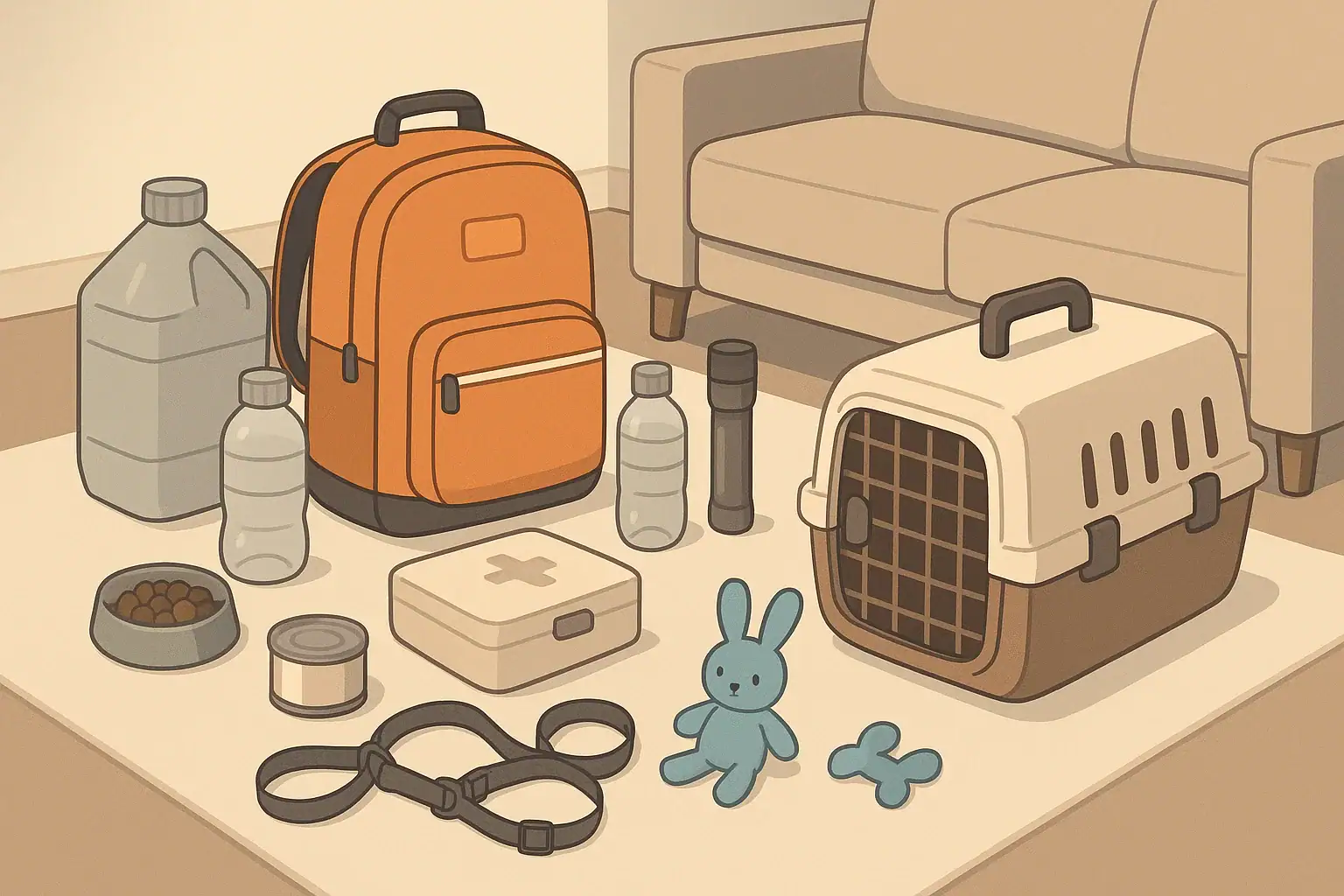
Most household evacuation plans focus on people first. Cats are often an afterthought until the moment alarms go off, smoke is visible in the distance, or a weather alert advises you to leave. Having a simple, realistic cat evacuation plan reduces stress for both you and your pets.
Cats react differently than dogs in emergencies. Loud noises, strange smells, or unfamiliar people can make even a friendly cat hide, bolt, or resist handling. Planning ahead helps you:
- Find cats quickly when every minute counts
- Get them safely into carriers without a struggle
- Leave with essential supplies already organized
- Stay calmer so your cat stays calmer
You do not need a complex or expensive setup. A good cat evacuation plan is mostly about observation, routine, and a few simple practice steps that fit your home and lifestyle.
Why a Cat Evacuation Plan Matters
Most household evacuation plans focus on people first. Cats are often an afterthought until the moment alarms go off, smoke is visible in the distance, or a weather alert advises you to leave. Having a simple, realistic cat evacuation plan reduces stress for both you and your pets.
Cats react differently than dogs in emergencies. Loud noises, strange smells, or unfamiliar people can make even a friendly cat hide, bolt, or resist handling. Planning ahead helps you:
- Find cats quickly when every minute counts
- Get them safely into carriers without a struggle
- Leave with essential supplies already organized
- Stay calmer so your cat stays calmer
You do not need a complex or expensive setup. A good cat evacuation plan is mostly about observation, routine, and a few simple practice steps that fit your home and lifestyle.
Know Your Cat’s Hiding Spots and Habits
The first step is understanding where your cat is likely to go when stressed or scared. In an emergency, you will not have time to search the entire home. Create a short list of priority hiding spots to check first.
Common Cat Hiding Places
Walk through your home and look at potential hideouts from a cat’s point of view. Typical spots include:
- Under beds or sofas
- Behind or under dressers and bookcases
- Back corners of closets, especially behind hanging clothes
- Behind curtains or under window seats
- Inside open cabinets or bathroom vanities
- Behind laundry machines or refrigerators
- Inside cardboard boxes or storage bins
Note any areas that would be hard to access quickly, such as under very low furniture or behind heavy items. Where possible, block off truly unreachable spaces well before an emergency, so your cat cannot disappear into them at the worst moment.
Create “Priority Zones” to Check First
When you are under pressure, a simple checklist is easier to follow than a mental map. Group hiding spots into two or three “priority zones.” For example:
- Zone 1: Bedroom under bed, bedroom closet corner
- Zone 2: Living room sofa underside, behind TV stand
- Zone 3: Bathroom behind toilet, under sink cabinet
In a fast evacuation, you might only have time to check one or two zones. Knowing where to look first increases your chances of finding your cat quickly.
Apartment vs House Considerations
Your home layout shapes both hiding patterns and exit routes:
- Apartments: Fewer rooms and shorter distances, but more chance of shared hallway noise, alarms, and strangers that can spook cats. Identify one main exit and one alternate, and store carriers near that path.
- Houses: More hiding spots and possible exits. Decide which door you will normally use to evacuate, and make sure you can get from your cat’s usual areas to that door without moving large obstacles.
If you have multiple floors, think about how you would safely bring a cat downstairs in low visibility conditions, such as carrying the carrier with one hand on a railing and a light available.
| Search step | Location example | Why it matters |
|---|---|---|
| 1 | Under main bed | Common default hiding spot when startled |
| 2 | Primary living room furniture | Cats often retreat where they spend daytime |
| 3 | Bedroom and hall closets | Dark, quiet, and easy to overlook in a rush |
| 4 | Bathroom corners or behind toilet | Small, enclosed space that feels secure to cats |
| 5 | Laundry area or utility room | Appliance gaps can attract hiding but be hard to access |
| 6 | Favorite resting spot | In quiet events, some cats stay in usual nap areas |
Choosing and Preparing Cat Carriers
Carriers are the safest way to evacuate cats. Holding a cat in your arms or on a leash is unreliable when alarms are blaring or strangers are nearby. Even calm cats can scratch, bite, or escape under stress.
Types of Carriers and Tradeoffs
Most households use one of three common carrier styles. Each has strengths and limits:
- Hard-sided carriers: Rigid shell with a front door, and sometimes a top door. Generally sturdy and easier to clean. They can be a bit heavier and bulkier to store.
- Soft-sided carriers: Fabric with mesh panels and zippers. Often lighter and easier to store in small spaces. They may be less rigid if something is stacked on them.
- Backpack or sling-style carriers: Helpful if you need hands free for kids or bags, but can be harder to load a nervous cat into quickly.
For emergencies, choose carriers that you can open and close quickly, carry comfortably along stairs or long hallways, and secure safely in a vehicle.
Where to Store Carriers for Fast Access
Keep carriers where you can reach them within seconds. Options include:
- Near your main exit door
- Under a bed in the room where your cat usually sleeps
- In a hall closet along your normal exit path
Avoid burying carriers behind heavy boxes or seasonal items. In an evacuation, you should be able to grab the carrier with one hand while holding a flashlight or guiding a family member with the other.
Make Carriers Part of Everyday Life
Vet visits are often what cats associate with carriers, which can cause resistance. To make emergency loading easier:
- Leave the carrier open in a quiet corner with a soft blanket.
- Place a few treats or toys in the carrier regularly.
- Let the cat choose to explore it without pressure.
- Occasionally close the door for a brief moment, then reopen and offer a reward.
Over time, your cat is more likely to see the carrier as a safe hiding place instead of a trap.
Essential Supplies for a Cat Go-Bag
Along with carriers, a small cat-specific go-bag keeps key items together so you are not scrambling to gather them. Store this bag near your exit or next to the carriers.
Core Items to Include
Adjust amounts to your household size, space limits, and likely evacuation duration. Common items include:
- Dry or wet cat food in sealed packaging
- Collapsible or lightweight food and water bowls
- Small bag of litter and a lightweight tray or disposable pan
- Waste bags or scoop for litter disposal
- Copy of veterinary records and recent photo of your cat
- Extra harness and leash (even if your cat is not leash-trained)
- Spare blanket or towel for comfort and carrier lining
- Basic cleaning supplies such as disposable gloves and a few wipes
Check expiration dates on food and adjust the bag seasonally if your region has notable weather extremes, such as very hot summers or cold winters.
Considerations for Renters and Small Spaces
If you live in a small apartment or shared housing, you may not have room for large containers. Focus on compact items:
- Use smaller food pouches or cans instead of bulk bags.
- Choose a folding litter tray that fits inside or on top of the carrier.
- Store the go-bag on a high shelf near the door to keep floor space clear.
Label the outside of the bag clearly for yourself, but avoid personal information visible to others if the bag is in a shared area.
Practice Steps: Getting Your Cat Into the Carrier
In an emergency, you may have only a minute or two to locate your cat and load them into a carrier. Short, calm practice sessions ahead of time make this step more manageable.
Step-by-Step Calm Loading Routine
You can practice this routine when there is no urgency:
- Step 1: Prepare the carrier. Place it on the floor with the door open and a familiar blanket inside.
- Step 2: Call or lure your cat. Use a consistent sound, such as a treat bag or a phrase you normally use at mealtimes.
- Step 3: Guide, do not chase. Gently guide your cat toward the carrier. Avoid running after them or grabbing suddenly.
- Step 4: Place the cat inside. For front-loading carriers, lift the cat gently, support their body, and place rear end first. For top-loading carriers, lower them in feet first.
- Step 5: Close and secure. Close the door smoothly and ensure latches are fully engaged.
- Step 6: Short wait, then release. Keep the cat in the carrier for a brief period, then let them out and offer a reward.
Repeating this occasionally helps your cat learn that being placed in the carrier does not always mean a long, stressful trip.
Handling Nervous or Multi-Cat Households
Some cats are more skittish or have had negative experiences with carriers. Others may become stressed if they see another cat being loaded first.
- For very shy cats: Try feeding them near or inside the carrier daily so it becomes the safest-feeling spot in the room.
- For multiple cats: Decide an order ahead of time. Often, catching the hardest-to-catch cat first is more effective than starting with the easiest.
- Backup method: Keep a large towel or blanket ready. If needed, you can gently wrap a frightened cat and lower them into the carrier while they are covered.
Every household is different. The goal is not perfection but a routine that fits your cats and your living space.
Evacuating by Car With Cats
Once your cats are in carriers, you still need a basic vehicle plan. Short-distance evacuations for localized incidents, such as a nearby utility issue, still benefit from preparation.
Carrier Placement in Vehicles
Secure carriers so they do not slide or fall. Common setups include:
- Back seat with seat belt loosely around the carrier handle or body
- On the floor behind the front seats, wedged to prevent shifting
- In a hatchback area placed lengthwise against the back seat
Avoid stacking carriers on top of each other if possible. If you must stack, place the lighter cat on top, make sure carriers are stable, and drive conservatively.
Temperature and Comfort Considerations
Cats are sensitive to temperature. During transport:
- Run climate control when possible, especially in very hot or cold weather.
- Avoid direct sun on carriers for long periods.
- Use a light cover, such as a towel, to reduce visual stress while keeping airflow open.
If you expect to be in the car for more than a short period, plan stopping points where you can offer water safely without opening carriers in an uncontrolled space.
Short-Term Shelter: Hotels, Friends, and Staying With Family
Many evacuations are temporary. You may stay with friends, family, or at a hotel or shelter that allows pets. A simple plan for these settings eases the transition for your cats.
Creating a Safe Temporary Room
In a new location, start with a single enclosed space instead of giving your cat the run of the entire home. For example:
- Choose a quiet bedroom or bathroom.
- Set up litter box, food, and water in separate corners.
- Place the carrier open with a familiar blanket inside.
- Let the cat explore at their own pace.
Keeping the door closed reduces the risk of your cat slipping out into hallways or outdoors while people are coming and going.
Coordinating With Hosts
If you plan to stay with friends or family in an emergency, discuss ahead of time:
- Which room can be reserved as the cat’s space
- Any existing pets and how they will be separated
- Rules about open doors and windows while your cat is there
A quick conversation now can prevent confusion later, when everyone is already dealing with a stressful situation.
| Food type | Storage tip | Rotation interval idea | No-cook use example |
|---|---|---|---|
| Dry cat food | Keep in airtight container in cool, dry place | Check date every 3–6 months | Serve with stored water in a clean bowl |
| Wet cat food cans or pouches | Store off the floor, away from direct heat | Use oldest cans first each month | Open and serve directly from package |
| Dry snacks or treats | Seal after opening to maintain freshness | Replace opened bags every few months | Use as carrier training rewards |
| Human shelf-stable basics | Group with pet food to grab together | Review once per season | Support simple no-cook meals for people |
| Bottled water | Store in shaded area near go-bag | Rotate yearly or as needed | Provide for both people and pets |
| Single-serve wet food | Keep a few in the cat go-bag | Swap into regular use twice a year | Use when bowls and water are limited |
Simple Drills to Keep Your Plan Fresh
Like any household readiness plan, a cat evacuation plan works best when you revisit it occasionally. You do not need to schedule formal drills; brief, low-pressure practice is enough.
Quarterly or Seasonal Check-Ins
Every few months, take a few minutes to:
- Confirm that carriers are accessible and in good condition.
- Walk through your priority hiding zones and adjust if your cat’s habits have changed.
- Review the cat go-bag contents and update food, litter, and documents.
- Practice calling your cat and guiding them toward the carrier.
If you have children, involve them by giving age-appropriate roles, such as helping locate the cat or bringing the go-bag to the door.
Integrating With Your Overall Home Plan
Cats are part of your household, so fold their needs into your broader emergency plans:
- Add “cat carriers and go-bag” to your family evacuation checklist.
- Decide who is responsible for which cat if you have more than one.
- Keep your cat’s microchip or identification information with other important documents.
With a bit of preparation and occasional practice, evacuating with cats can be another manageable part of your overall home readiness, rather than a last-minute scramble.
Authoritative sources
Safety recommendations can change. Confirm critical details with current official guidance and local authorities.
- USDA FSIS: Keep Food Safe During Emergencies
- U.S. CPSC: Battery Safety
- CDC: Guidelines for Cleaning Safely After a Disaster
Frequently asked questions
How can I locate my cat quickly during an emergency?
Create a short list of priority zones based on your cat’s usual hiding spots (for example, under the main bed, the living room sofa underside, and a bedroom closet corner). In an emergency, check those zones first, call with a familiar sound, and use a flashlight to scan dark areas; having carriers and the go-bag already staged near your exit saves critical time.
What specific items should I pack in a cat go-bag for a short evacuation?
Include few days’ worth of food in sealed packaging, collapsible food and water bowls, a small litter bag and disposable tray, waste bags, a recent photo and copies of veterinary records, an extra harness and leash, and a blanket for comfort. Tailor quantities to the number of cats and rotate perishable items seasonally.
How do I train my cat to accept the carrier before an evacuation?
Make the carrier a positive, familiar place by leaving it open with a soft blanket and treats, placing toys or feeding near or inside it, and doing short sessions where you close the door briefly and then reward the cat. Regular, low-pressure practice reduces fear and makes emergency loading quicker and calmer.
Where is the best place to store carriers so they are accessible during an evacuation?
Store carriers near your primary exit, in a hall closet along your exit path, or under the bed in the room where your cat usually sleeps — anywhere you can grab them within seconds. Avoid burying carriers behind boxes or seasonal items and keep one hand free to lift them while using a flashlight or guiding family members.
Is it safe to transport a cat in a car without a carrier?
Transporting a cat loose in a vehicle is not recommended because they can escape, hide under pedals, or become injured in sudden stops. If a carrier is not available, a secure harness and leash are better than nothing, but a well-fitted carrier remains the safest option for evacuation travel.
- Simple checklists and realistic planning
- Water, power, lighting, and pantry basics
- Family plans (kids, pets, seniors) and seasonal prep
Affiliate disclosure
As an Amazon Associate, we earn from qualifying purchases. Some links on this site may be affiliate links. If you buy through these links, we may earn a small commission at no extra cost to you. This helps support our content. Learn more.